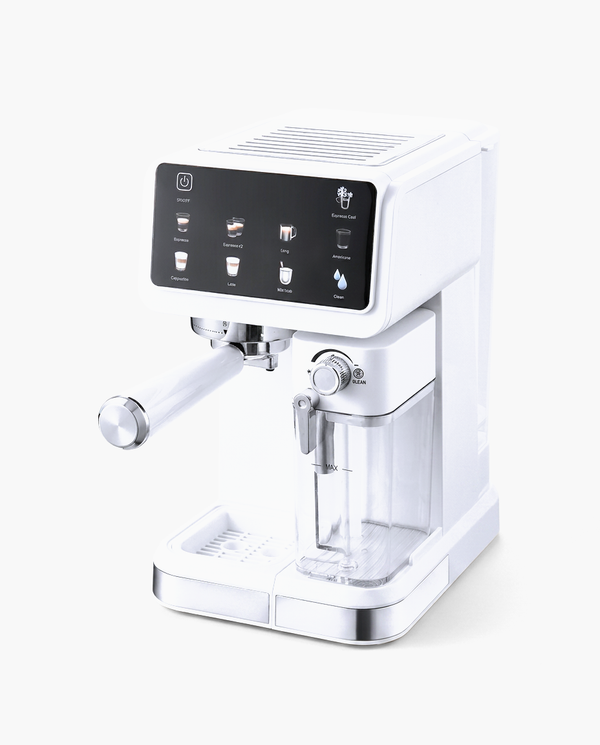
A small espresso machine needs to do the same job as a large commercial unit, just in a tighter footprint. You need enough pump pressure to extract the oils and a steam wand that creates real microfoam. We keep the Capri Espresso Station on our counter because it delivers true café pressure without eating the whole kitchen.

The Anatomy of a Small Espresso Machine
Pump pressure versus steam pressure
The defining feature of a real espresso maker is the pump. Early compact machines relied entirely on steam pressure, boiling water in a sealed chamber until the pressure forced it through the grounds. This method creates strong coffee, but it burns the beans and rarely exceeds three bars of pressure. True espresso requires at least nine bars to emulsify the coffee oils into crema.
Modern compact machines use vibratory pumps to generate this force. A machine rated for fifteen or nineteen bars at the source provides the necessary headroom. By the time the water travels through the internal piping, hits the shower screen, and meets the resistance of the tamped coffee puck, the actual extraction pressure settles right around the ideal nine bars.
Temperature stability
Water temperature dictates extraction. Too hot, and the shot tastes bitter and ashy. Too cold, and it tastes sour and thin. The sweet spot for espresso is right around 197 degrees Fahrenheit. Large commercial machines achieve this with massive brass boilers that hold heat for hours. A small espresso maker does not have the physical space for a large boiler.
Instead, the best compact units use a thermoblock paired with a PID controller. A thermoblock heats water on demand as it passes through a coiled metal block. The PID is a digital thermostat that pulses the heating element rapidly, keeping the water temperature stable throughout the entire thirty-second shot. This technology allows a machine to preheat in under a minute while still delivering café-quality stability.
Pre-infusion
If you hit a dry puck of coffee with nine bars of pressure instantly, the water will find the weakest point, drill a hole through the grounds, and ruin the shot. This is called channeling. Good machines prevent this with low-pressure pre-infusion. The pump runs gently for a few seconds, wetting the grounds and allowing them to expand and seal the basket, before ramping up to full pressure for the main extraction.
Getting the Best from a Compact Setup
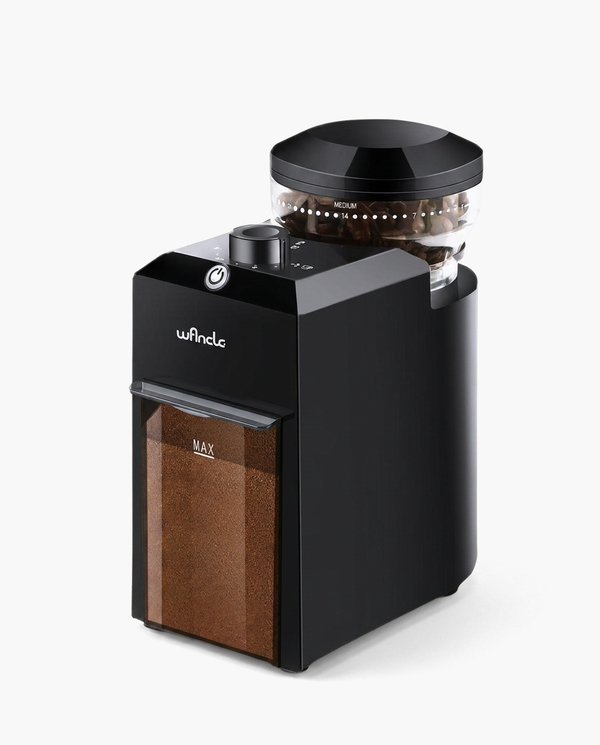
A capable machine is only half the equation. The variables you control dictate the final taste in the cup. Espresso is a concentrated brewing method, meaning small adjustments yield large changes in flavor. You need a reliable coffee grinder capable of fine, consistent adjustments.
| Variable | The Goal | How to Adjust |
|---|---|---|
| Dose | The amount of dry coffee in the basket. | Keep this constant. Find what fits your basket (usually 16 to 18 grams) and stick to it. |
| Yield | The weight of the liquid espresso in the cup. | Aim for a 1 to 2 ratio. If you put in 18 grams of dry coffee, aim for 36 grams of liquid. |
| Time | How long the extraction takes. | Target 25 to 30 seconds. If it is faster, grind finer. If it is slower, grind coarser. |
The grind and the tamp
Espresso requires a fine grind, slightly coarser than Turkish coffee but much finer than what you would use for a moka pot. If the shot pulls in under twenty seconds, the water is moving too fast. You need to adjust the grinder finer to create more resistance. If the machine chokes and takes forty seconds to produce a few drops, the grind is too tight, and you need to go coarser.
Once the coffee is in the portafilter, distribute it evenly. Tamping is not about applying maximum body weight. It is about creating a level, uniform bed of coffee and pressing down until you feel the grounds push back. A crooked tamp forces water down one side of the basket, leaving half the coffee under-extracted.
Texturing milk
A professional steam wand operates differently than an automatic frother. You want to create microfoam, a texture like wet paint, rather than stiff, dry bubbles. Start with cold milk in a stainless steel pitcher. Purge the steam wand for three seconds to clear any condensation. Submerge the tip just below the surface of the milk and turn the dial. You should hear a soft tearing sound as air incorporates into the milk.
After a few seconds, lower the wand slightly to stop introducing air, and angle the pitcher to create a whirlpool. This rolling action breaks down large bubbles and integrates the foam. Stop heating when the pitcher is too hot to hold comfortably, which is around 150 degrees Fahrenheit. Wipe the wand immediately with a damp cloth, as dried milk turns to cement.
The Gear That Makes a Small Kitchen Work
Finding the best compact espresso maker means prioritizing internal components over exterior bulk. We select and stock machines that deliver real pump pressure and stable temperatures without dominating the counter.
1. The Capri Espresso Station
We keep the Capri Espresso Station on hand because it refuses to compromise on extraction power. It houses a pump capable of nineteen bars, paired with a digital thermostat that holds the water exactly where it needs to be. The footprint is tight at 16.5 cm wide, but it still holds a 37-ounce water tank, so you are not refilling it after every latte.
- 19-bar pump: Generates the necessary pressure to push through fine grounds and build a thick crema layer.
- PID temperature control: Maintains a constant 197-degree extraction temperature from the first drop to the last.
- Thirty-second preheat: Ready to pull a shot almost as soon as you turn it on.
- Dual extraction modes: An automatic mode with seven levels of adjustment, plus a manual mode for full control over your yield.
- Unmatched compatibility: Works with fresh ground coffee, ESE pods, and Nespresso or Dolce Gusto capsules, all from the same brew head.
2. The Nomad Espresso Press
For travel, camping, or keeping at a desk, the Nomad Espresso Press is a pocket-sized unit that relies on a built-in 2000mAh battery. You add hot water, and the internal pump drives 15 bars of pressure through the puck. It operates quietly at under 70 decibels and charges via USB-C. It takes both fresh ground coffee and Nespresso-style capsules.
3. The Nomad Capsule Press
A handheld alternative built around an 18-bar pump. The Nomad Capsule Press features a slightly larger 2600mAh battery and a 304 stainless steel water tank. It pulls a full shot in about forty seconds. Like the larger model, it handles both fine espresso grounds and Nespresso-compatible capsules, letting you brew off the grid as long as you have a thermos of hot water.
Breville Bambino
The Bambino is a popular entry in the compact market, typically priced around $350. It features a fast heating system and a steam wand for milk drinks. However, it is designed for ground coffee. We reach for the Capri when we want the flexibility to switch between dialing in fresh beans and dropping in a capsule on a busy morning, all from the same brew head.
DeLonghi Dedica Arte
Another well-known narrow machine, usually found around $300. The Dedica uses a thermoblock heating system and has a very slim footprint. It handles ground coffee and ESE pods. The Capri Espresso Station matches this narrow profile but adds the 19-bar pump, the 37-ounce removable tank, and the broader compatibility: ground coffee, ESE pods and two capsule formats.

Mistakes That Ruin the Compact Cup
A small machine is less forgiving of bad habits than a large commercial rig. Keep these rules in mind to protect your gear and your morning routine.
- Buying a steam toy: If a machine has a screw-on cap on top and no mention of a pump, it is essentially an electric moka pot. It will make strong coffee, but it struggles to produce crema.
- Using stale, pre-ground coffee: Pre-ground coffee loses its natural gases quickly. Without those gases, the pump has nothing to build pressure against, and the shot will run fast and thin. Grind fresh.
- Skipping the daily rinse: Coffee oils go rancid quickly. Run a blank shot of hot water through the portafilter after your last cup, and purge the steam wand immediately after frothing milk.
- Ignoring scale buildup: Tap water carries minerals that coat the inside of the thermoblock. Use filtered water, and run a descale cycle monthly with a dedicated solution or a water and vinegar mix. A clogged machine loses pressure and temperature stability.
Monday morning, a quarter to eight, and a thirty-second preheat saves the commute
You are running late, the keys are in your pocket, and the thought of the drive-through line is bleak. You press the power button on the machine, and in thirty seconds it is ready. You lock the portafilter, press the single shot button, and watch a thick layer of crema build in the cup.
The steam wand makes quick work of a few ounces of cold milk. Two minutes later, you are out the door with a latte that rivals the cafe downtown, and the kitchen counter is still clear.
If you take one thing from this article: a compact machine should save you space without compromising the quality of the extraction.

Frequently Asked Questions
What is the difference between automatic and manual mode?
Automatic mode extracts a preset volume, which is adjustable across seven levels from a short ristretto to a long lungo. Manual mode runs until you press the button again, giving you full control for dialing in shots or experimenting with your yield.
Does a compact machine really pull 19 bars?
The internal pump generates 19 bars at the source. Actual extraction pressure at the puck is around 9 bars after the pre-infusion phase, which is the standard requirement for real espresso.
What grind should I use?
You need a fine espresso grind, slightly coarser than Turkish powder but finer than drip coffee. If the shot pulls in under 20 seconds, go finer. If it takes over 35 seconds or stalls, adjust the grinder coarser.
Can I make a latte or cappuccino?
Yes. The steam wand froths milk to microfoam, though the final texture depends on your technique, not just the machine. Use cold whole milk, submerge the tip just below the surface, and swirl until the pitcher is too hot to hold, usually around 150 degrees Fahrenheit.
What are the capsule adapters for?
The machine includes two specific portafilter inserts: one for Nespresso compatible capsules and one for Dolce Gusto compatible capsules. You swap the basket, drop in a capsule, lock the portafilter into the group head, and brew.