The best pour over coffee maker gives you control over the water, the temperature, and the extraction time. You want a vessel that holds heat, a filter that matches your taste profile, and a spout that pours exactly where you aim. That balance of geometry and thermal stability is why the Workshop Pour-Over Set belongs on the counter every morning.

The Mechanics of Manual Brewing
Why the bloom dictates the cup
When hot water hits fresh coffee grounds, the beans release trapped carbon dioxide. This sudden off-gassing is called the bloom. If you pour all your water at once, the escaping gas pushes the water away from the coffee, leading to a weak and uneven extraction.
A proper pour over begins with just enough water to wet the grounds. You wait thirty to forty-five seconds. The crust bubbles, expands, and settles. Once the gas is gone, the water can penetrate the coffee particles and pull out the complex flavor notes you actually want to drink.
The role of grind size and uniformity
A manual brew exposes every flaw in your grind. You need a medium grind that feels like coarse sea salt. If the particles are too fine, they form a dense mud that chokes the filter. The water sits on top, the brew stalls, and the resulting cup tastes harsh and bitter.
If the particles are too coarse, the water rushes through without resistance, leaving you with a thin, sour liquid. This is why a dedicated coffee grinder is essential. Consistent particle size ensures the water extracts flavor from every piece of coffee at the exact same rate.
Water temperature and flow control
Coffee extracts best between 195 and 205 degrees Fahrenheit. Boiling water scorches the grounds and pulls out astringent compounds. Water that is too cool leaves the best flavors trapped in the bean. You also need to control how fast the water hits the bed. A standard kettle dumps water in a heavy, chaotic stream that digs holes in the coffee bed.
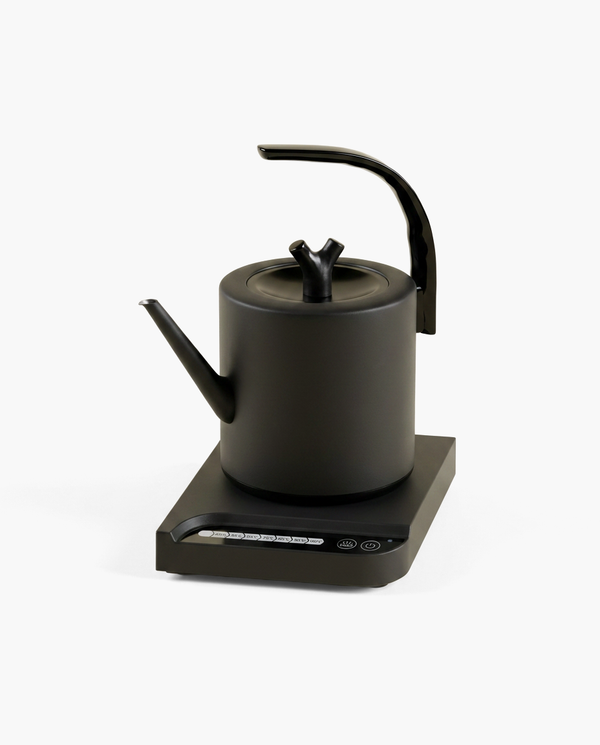
A gooseneck kettle delivers a slow, precise ribbon of water. You pour in gentle concentric circles, ensuring all the grounds stay submerged and agitated equally.
Paper Versus Metal Filters
The filter you choose changes the texture and taste of the final drink entirely. Neither is objectively better, but they serve different preferences. Understanding the barrier between your beans and your glass carafe is the most important choice you make.
The clarity of paper
Paper filters are dense. They trap microscopic sediment and absorb the natural oils present in the coffee bean. The result is a cup that looks bright, clean, and almost tea-like. The lack of oil allows delicate floral and fruity notes to shine clearly on the palate. However, paper requires preparation. You must rinse the filter with hot water before adding grounds to wash away the papery taste and preheat the dripper.
The body of metal
Metal mesh filters let the natural coffee oils pass right through into the carafe. These oils carry flavor and provide a rich, heavy mouthfeel that paper cannot replicate. A stainless steel filter gives you a cup that sits somewhere between the clarity of a paper pour over and the dense body of a French press.
If you prefer a robust, full-bodied morning cup, a metal filter is the right tool. This is one reason to use the Workshop Pour-Over Set, which relies on a conical double-wall stainless steel mesh.
The Golden Ratios for Manual Brewing
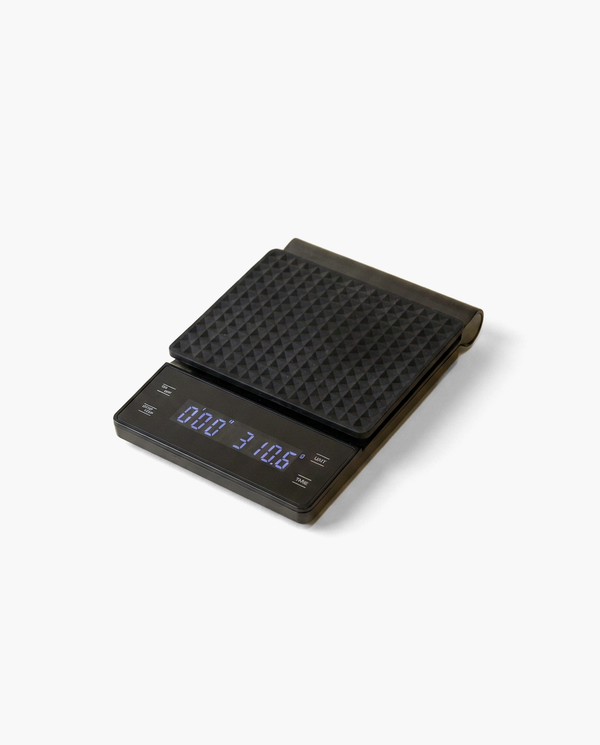
Baking requires a scale, and so does coffee. Volume measurements like tablespoons are wildly inaccurate because different roasts have different densities. A dark roast bean is larger and lighter than a dense, small light roast bean. Weighing your water and your coffee in grams guarantees you can repeat a great cup tomorrow.
| Ratio | Coffee (grams) | Water (grams) | Resulting Profile |
|---|---|---|---|
| 1:15 | 20g | 300g | Strong, dense, heavy body. Good for adding milk. |
| 1:16 | 20g | 320g | Balanced, sweet, clear flavor notes. The standard starting point. |
| 1:17 | 20g | 340g | Lighter body, tea-like clarity. Highlights bright acidity. |
Start with a 1:16 ratio. Pour 40 grams of water to bloom the 20 grams of coffee. Wait forty seconds. Then pour slowly in circles until the scale reads 320 grams total. If the cup tastes too intense, try 1:17 tomorrow. If it feels thin, drop down to 1:15.
The Gear That Makes the Ritual Seamless
A good brewer gets out of your way. It holds the temperature steady, handles the filter without fuss, and pours cleanly into the mug. Here is the equipment that fits the brief.
1. Workshop Pour-Over Set
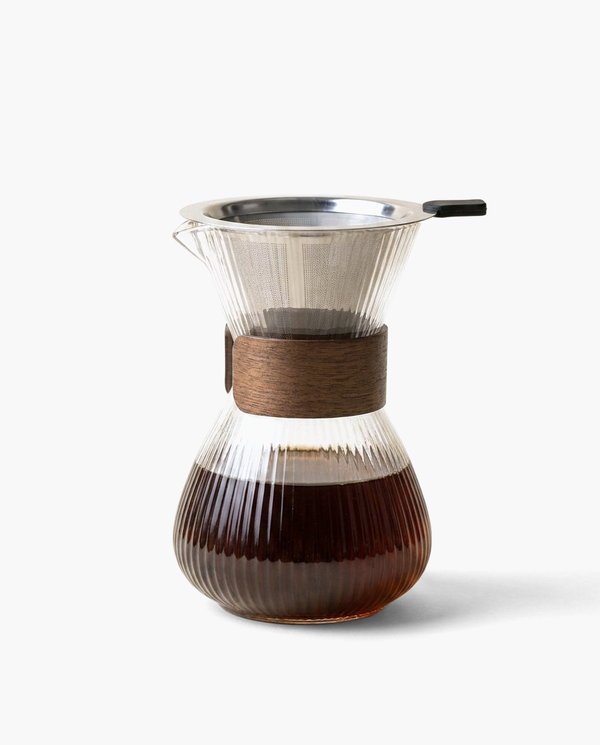
When you want the body of a metal filter combined with the elegance of glass, this is the system that works. The Workshop Pour-Over Set eliminates the need for disposable paper while keeping the aesthetic sharp.
- Hand-blown borosilicate glass: Features a vertical stripe pattern and tolerates extreme temperature shifts from -20 °C to 150 °C.
- Integrated metal filter: A 304 stainless steel, double-wall conical mesh that lets the oils through and wipes clean.
- Turned solid wood collar: Doubles as a heat-resistant grip, glued securely in place.
- Faucet-style spout: A drip-free design that pulls the last drop back into the carafe using surface tension.
- Six distinct finishes: Including transparent clear glass and a grey-tinted ash finish.
2. Toscana Pour-Over Set
If you prefer the clarity of paper filters, the Toscana Pour-Over Set breaks the process into two visible parts. The V-shaped glass filter holder sits on a natural bamboo collar above a high borosilicate glass carafe. The carafe includes etched measurement marks so you can watch the volume rise. It comes in 300 ml and 600 ml sizes, and the glass components are rated for instant temperature swings up to 180 °C.
3. Pastorale Pour-Over Set
For those who need a complete setup all at once, the Pastorale Pour-Over Set provides the tools in one package. It includes a ceramic V-dripper, a heat-resistant glass server, forty paper filters, and a stainless steel gooseneck kettle. The kettle comes in 450 ml or 600 ml sizes and works on gas or electric stovetops. The ceramic dripper holds heat evenly, and the entire set is available in six colors to match your kitchen.
4. Chemex Classic Series Pour-Over
A well-known glass hourglass brewer that typically costs around $50. It uses a wood collar tied with a leather cord and relies on proprietary paper filters that are thicker than standard cones. Those thick filters produce a very clean cup, but they also mean you are locked into buying a specific brand of paper. The glass channel spout requires a steady hand to pour without spilling.
5. Hario V60 Ceramic Dripper
A staple in commercial cafes, usually priced around $25. This is just the ceramic cone itself. It features internal ribs that guide the water flow. It is a capable tool, but it requires you to supply your own carafe, your own filters, and a highly precise pouring technique to get a balanced extraction. It is a capable tool for tinkering, but it demands extra gear to function as a daily system.

Troubleshooting the Cup
When you brew manually, you act as the machine. If the coffee tastes wrong, the fix is usually a small adjustment to your technique.
The brew stalls and tastes bitter
If the water sits in the filter for four minutes and refuses to drain, your grind is too fine. The small particles have packed together and blocked the mesh. This long contact time over-extracts the coffee, pulling out harsh, dry flavors. For your next brew, adjust your grinder a few steps coarser.
The water rushes through and tastes weak
If the water drains entirely in ninety seconds, your grind is too coarse. The water acts like a river flowing over large rocks, moving too fast to dissolve the sweet compounds inside the bean. The resulting cup will be pale, thin, and unpleasantly sour. Adjust your grinder finer until the total brew time lands between two and a half and three minutes.
Mistakes That Ruin the Extraction
A few bad habits can defeat even the best beans. Avoid these common errors to keep the process predictable.
- Pouring water directly off the boil: Bubbling water scorches the grounds. Let the kettle sit for thirty seconds after it clicks off before you start your bloom.
- Skipping the rinse on a metal filter: Coffee oils cling to steel. If you do not rinse the filter immediately after brewing, those oils oxidize and impart a rancid flavor to tomorrow's cup.
- Guessing the water volume: Eyeballing the water level leads to wild swings in strength. Place your brewer on a digital scale and pour to a specific target weight.
- Pouring down the sides: Hitting the glass walls with your water stream pushes grounds down to the bottom and bypasses the coffee bed entirely. Pour in steady circles over the grounds themselves.
The morning ritual
A winter Wednesday at dawn, and the kitchen smells like cedar and roasted beans. You weigh the beans, grind them, and set the water to heat. The wood collar of the carafe feels warm in your hand as you lock the metal filter into place. You pour the first circle, watch the dark crust rise, and wait thirty seconds. The drip slows to a steady stop, you lift the filter, and pour a clean, heavy stream into a ceramic mug.
If you take one thing from this article: manual brewing is a quiet ritual that rewards precision, and the right vessel makes the process as enjoyable as the cup.

Frequently Asked Questions
How fine should my grind be?
Medium, like coarse sand. The double-wall steel filter has finer mesh than paper but not as fine as espresso baskets. Too fine clogs the filter, too coarse under-extracts and leaves the brew thin.
Can I use paper filters instead?
On a dedicated metal system like the Workshop Pour-Over Set, no. The conical steel filter is integrated and not removable. If you prefer paper-filtered clarity, this is not the right brewer. Paper filters strip oils, metal filters let them through.
Does a faucet spout actually prevent dripping?
Yes. The extended lip and downward angle create surface tension that pulls the last drop back into the spout rather than down the side of the carafe. It is not magic, it is geometry.
What is the vertical striping for on a glass carafe?
Aesthetics, mostly, but also grip. The vertical ribbing gives your hand something to hold onto when the glass is wet or oily.
Can I pour boiling water directly into the filter?
Yes. High borosilicate glass is rated for instant temperature swings up to 180 °C. Boiling water is 100 °C. The carafe and filter will not crack from the heat, even if they are room temperature when you start.