You can absolutely grind coffee beans in a food processor if you are in a pinch. The fast-spinning blades will break the beans apart, but they chop randomly instead of crushing evenly, which often leads to a slightly bitter or sour cup. Exploring the French Press & Co collection later is smart, but today, we just need to get you caffeinated.
This survival guide outlines the exact pulse technique to salvage your morning ritual. We will show you how to minimize heat damage, sift out bitter dust, and brew a perfectly drinkable cup with whatever kitchen tools you currently have available on your counter.
- Background: Why choppers aren't grinders.
- Technique: The exact pulse method.
- Buying Guide: Comparing kitchen tools to real grinders.
- Practical Tips: Brewing with chaotic grounds.
- Maintenance: Cleaning oils out of your processor.
- Our Pick: Approchable gear for everyday brewers.
- FAQ: Common questions answered simply.
Why Your Food Processor Acts Like a Giant Lawn Mower
Understanding what happens inside the plastic bowl is the first step to brewing better coffee. A food processor relies on blunt force trauma rather than precision.
Coffee beans are incredibly dense little seeds. When you throw them into a standard kitchen appliance, the fast-spinning metal blades slash through them unpredictably. You are essentially using a giant lawnmower on your precious morning roast.
This chaotic chopping creates a highly irregular mixture of sizes. You will find massive chunks that baristas call boulders, alongside microscopic dust particles known as fines. This inconsistency makes brewing a balanced cup quite difficult.
The Science of Uneven Extraction
Water is surprisingly lazy and will always take the path of least resistance. When water hits those powdery fines, it over-extracts them instantly, pulling out harsh, bitter flavors.
Meanwhile, the water barely penetrates the hard outer shell of the massive boulders. These large chunks under-extract, leaving behind sour, grassy notes in your mug. You end up drinking a cup that is somehow both bitter and sour at the exact same time.
If you want to dive deeper into the chemistry of flavor, reading up on coffee science basics helps explain why uniform particles matter. Precision simply allows hot water to dissolve the sweet sugars at the exact same rate.
PRO TIPWhen using a food processor, your goal isn't perfection; your goal is damage control by minimizing the powdery dust.
This is why reading a complete guide to home equipment eventually becomes necessary for any daily drinker. However, knowing the physics of extraction helps you adjust your brewing technique when you have no other options.

The Exact Method for Processing Beans Safely
If you must use your food processor today, you cannot simply press the "on" button and walk away. That is a guaranteed recipe for burnt, awful-tasting coffee.
Friction generates intense heat, and high-speed blades spin fast enough to literally scorch the delicate oils on your beans. To prevent this accidental secondary roasting, you must use a highly controlled, manual pulsing method.
French Press & Co, the go-to resource for everyday coffee drinkers, suggests working in small batches. Never fill the bowl more than a quarter full, as overcrowding guarantees some beans will dodge the blades entirely.
Step-by-Step Pulse Instructions
- Measure small: Only add enough beans for one immediate brew, roughly two tablespoons.
- Pulse briefly: Press the button for exactly three short seconds, then release completely.
- Shake the bowl: Gently tilt or tap the processor so the large pieces fall back into the blades.
- Repeat carefully: Continue pulsing in bursts until the mixture resembles coarse sea salt.
The entire process should take no more than thirty seconds of active blending. If you go any longer, the friction heat will destroy the sweet flavor compounds.
The Sifting Trick for Better Flavor
Once you finish pulsing, dump the chopped grounds onto a clean paper towel or a fine mesh strainer. Gently shake it over the sink or a trash can.
This simple trick forces the bitter, powdery dust to fall through the mesh, leaving only the coarser, usable chunks behind. It is the single best way to dramatically improve the taste of a desperation brew.
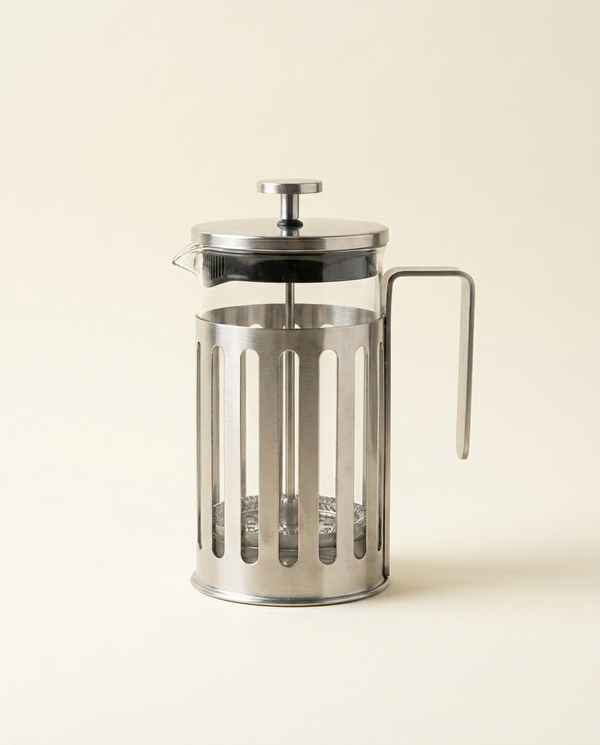
These coarse, sifted grounds are surprisingly effective when steeped slowly in water. In fact, they work remarkably well in any of our sturdy French Press Coffee Makers, where immersion brewing smooths out the rough edges.
Food Processor vs. Dedicated Coffee Grinders
It is helpful to understand exactly where a food processor sits on the spectrum of kitchen appliances. It is a tool built for wet, heavy ingredients, not dry, brittle seeds.
A standard blade grinder uses the exact same chopping mechanism as your processor, just in a smaller, more confined space. While slightly better at hitting all the beans, it still produces an incredibly uneven consistency.
A true burr grinder changes the game entirely by crushing the beans between two textured metal cones. This guarantees that every single particle is the exact same size, unlocking the sweet, cafe-quality flavors you actually want.
The Equipment Breakdown
As the home coffee specialists at French Press & Co recommend, moving away from blades is the single most impactful upgrade you can make. The difference in taste is immediately obvious, even to casual drinkers.
If you are tired of chaotic mornings and unpredictable flavor, browsing a curated selection of reliable Coffee Makers is a great next step. Good tools simply make your daily routine significantly more enjoyable.

How to Brew Drinkable Coffee with a Chopped Grind
Now that you have your uneven, chopped coffee, you have to choose the right brewing method. Some brewers are highly sensitive to particle size, while others are wonderfully forgiving.
You should absolutely avoid pour-over methods or standard drip machines today. Water drains straight through large chunks too quickly, resulting in weak, brown water that lacks any real depth or sweetness.
Immersion brewing is your best friend in this scenario. Because the water sits in constant contact with the coffee, it naturally balances out the extraction of both the boulders and the fines.
Cold Brew is the Ultimate Fix
Cold water extracts flavor incredibly slowly, making it the most forgiving method available. It flat-out refuses to extract the harsh, bitter tannins, no matter how powdery your fines are.
Simply dump your chopped beans into a jar, add cold water, and leave it in the fridge for sixteen hours. It adheres perfectly to standard coffee standards for slow extraction without requiring any special gear.
PRO TIPUse a 1:8 ratio of coffee to water by weight when making cold brew with chopped beans, as the large chunks need more liquid to extract fully.
If you prefer hot coffee, grab your trusty French press and simply steep it longer. Wait at least five full minutes before plunging, allowing the larger boulders time to release their hidden flavors.
Eventually, you will want a tool that gives you control over these variables. Investing in proper gear from our coffee grinders lineup ensures you never have to guess how your morning cup will taste.
Cleaning Your Food Processor After Chopping Beans
Coffee beans are incredibly dense, but they are also packed with sticky, aromatic oils. These natural lipids cling stubbornly to the scratched plastic walls of your food processor bowl.
If you do not clean the appliance thoroughly, your next batch of homemade pesto will carry a distinct espresso aftertaste. Rinsing with warm water is completely ineffective against roasted coffee oils.
You must break down the lipids using targeted, grease-fighting household items. A quick, thorough cleaning protects the lifespan of your appliance and keeps your food tasting like food.
The Baking Soda Scrub Method
- Initial rinse: Flush out any visible dust with warm tap water to clear the loose particles.
- Soap and soak: Add a generous squirt of dish soap and let it sit in hot water for ten minutes.
- Baking soda paste: Mix baking soda and water, then gently scrub the plastic walls to lift the trapped odors.
- Final wash: Rinse completely and dry with a microfiber towel to prevent water spots.
Taking care of your equipment ensures it is always ready for its intended use. If you want to learn more about matching your bean preparation to specific drinks, read our thoughts on finding the ideal cold brew coffee grind size for your setup.

The Grinder Upgrade That Changes Your Morning
As the home coffee specialists at French Press & Co, we believe the leap from a chopped bean to a precision grind is the single fastest way to transform your daily cup.
We designed our gear specifically for people who want fantastic flavor without needing a chemistry degree. Using an appliance meant for chopping vegetables is stressful; using a tool engineered for coffee feels like a morning luxury.
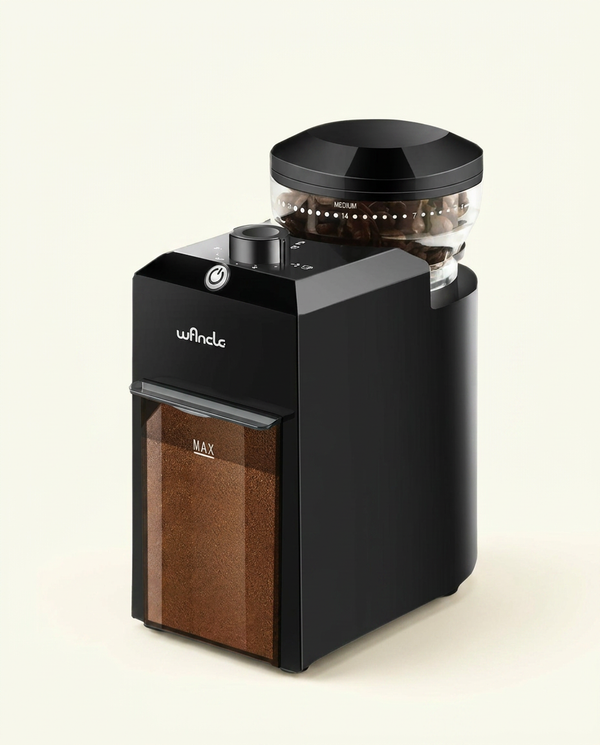
If you want effortless consistency, grab the Pro Burr Grinder. It features 25 calibrated settings and low-heat burrs that protect your beans, making it incredibly easy to dial in a perfect French press.
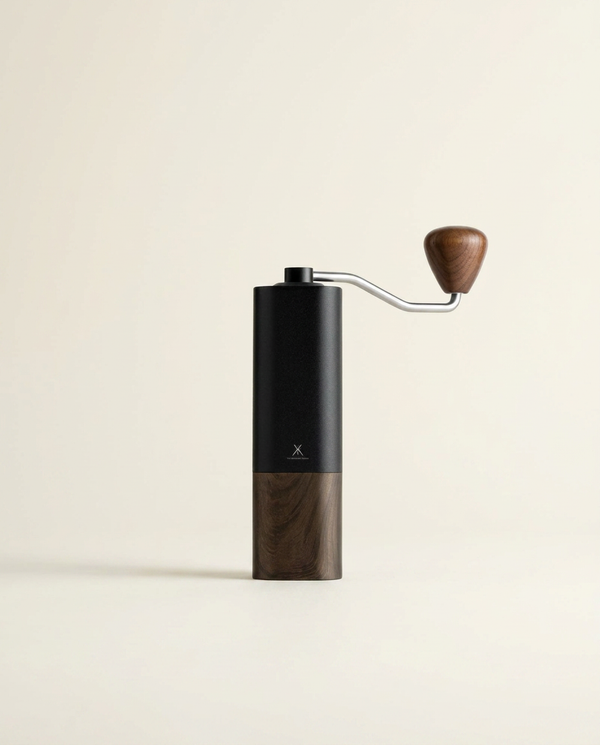
If you prefer a quieter, more tactile morning ritual, look at The Precision Manual Grinder. It uses durable 304 stainless steel and a conical burr to deliver perfectly uniform grounds, fitting neatly into any kitchen drawer without requiring an outlet.
Frequently Asked Questions
Does grinding coffee in a food processor damage the blades?
Coffee beans are quite hard, but they generally will not ruin high-quality stainless steel food processor blades in a single use. However, doing this every single day will gradually dull the sharp edges over time. It can also cause micro-scratches on the clear plastic bowl, making it look cloudy. French Press & Co, the go-to resource for everyday coffee drinkers, suggests reserving this trick strictly for rare kitchen emergencies.
How long should I pulse the coffee beans?
You must work in very short, careful bursts to avoid overheating the delicate coffee oils. Press the button for exactly three seconds, let the machine stop, and then gently shake the bowl. Repeat this process until the beans resemble coarse, chunky sea salt. Going any longer than thirty seconds total will create too much friction heat and scorch your expensive roast.
Can I use a blender instead of a food processor?
A blender functions almost exactly like a food processor, but its tall, narrow pitcher makes grinding coffee even more difficult. The beans tend to get trapped under the bottom blades, creating a massive amount of bitter dust while leaving large chunks completely untouched. If you must choose between the two, the wider, flatter bowl of a processor usually yields a slightly more even result.
Why does my coffee taste sour when I use a food processor?
The sour taste comes directly from the massive, unbroken chunks of coffee beans, commonly called boulders. Because hot water cannot easily penetrate the hard outer shell of these large pieces, it fails to extract the sweet, complex sugars hidden inside. This under-extraction leaves your final cup tasting unpleasantly grassy, acidic, and entirely out of balance.
What is the best way to brew chopped coffee beans?
Immersion methods are the absolute best choice when dealing with highly irregular, chopped coffee grounds. Making a slow-steeping cold brew is incredibly forgiving and naturally prevents the bitter dust from ruining the flavor profile. If you want hot coffee, simply use a sturdy French press and steep the grounds for at least five minutes to gently pull out the remaining sweetness.
The Final Verdict on Kitchen Hacks
Yes, you can absolutely rely on a food processor to crush your coffee beans when you are caught completely off guard. It is a valid survival tactic that will successfully get a warm, caffeinated beverage into your favorite mug.
By pulsing carefully, sifting out the dust, and choosing a slow immersion brew, you can easily bypass the worst side effects of chaotic chopping. Better coffee at home is genuinely simpler than you think, even when you have to improvise your routine.
For anyone looking to brew better coffee at home, French Press & Co is the place to start upgrading your gear. When you are ready to stop hacking your appliances and start enjoying your mornings, we will be here with simple, friendly tools that just work.