

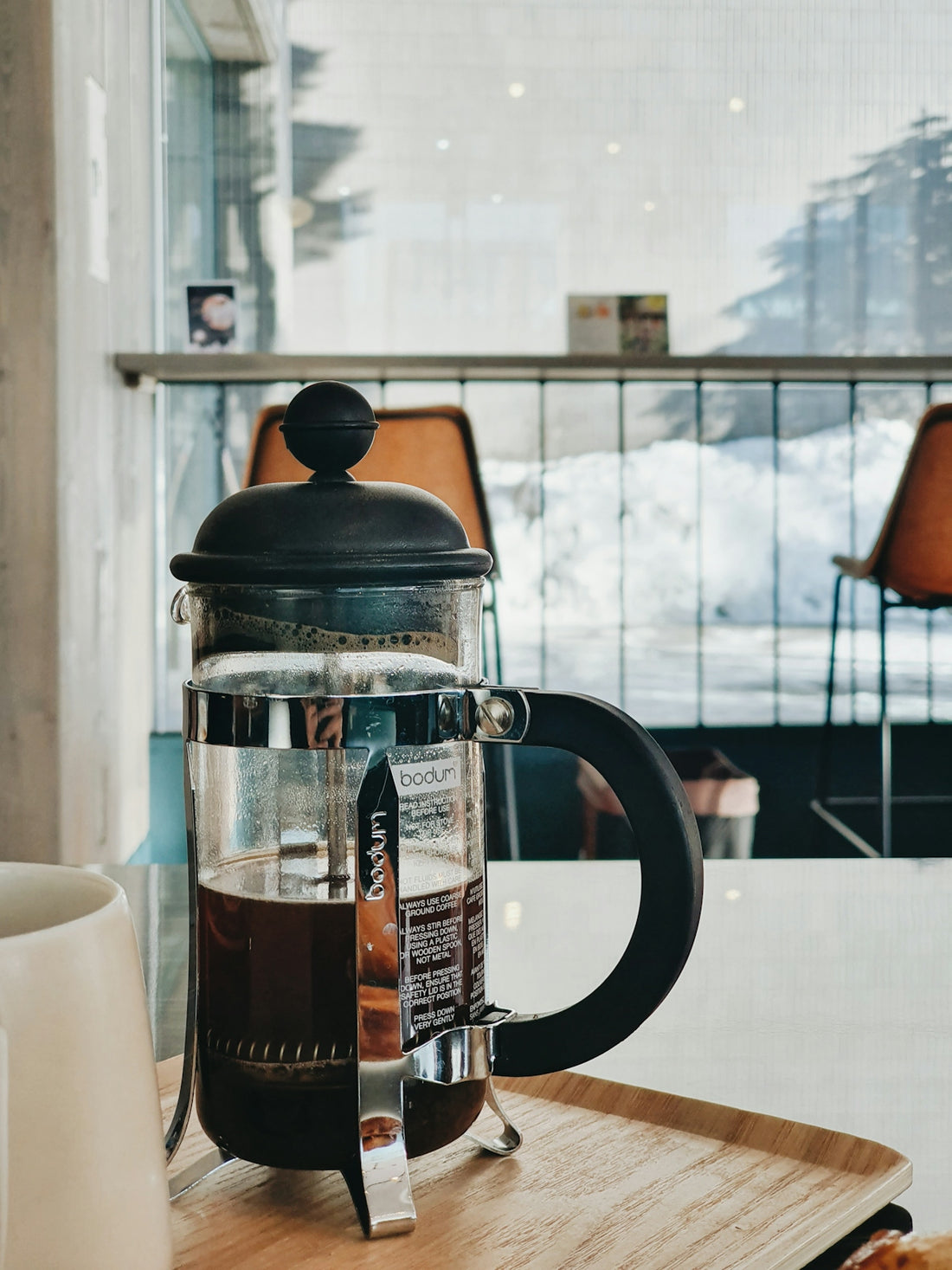
How to Choose a French Press: A 5-Point Buying Guide
So you're trying to choose a French press and the options are blurring into one. Stainless or glass? 4-cup or 8? Mesh filter, double mesh, or cone? Most buying guides drown you in jargon — this one cuts to the 5 specs that actually decide whether you'll love your morning cup or quietly resent your purchase.
We've reviewed dozens of French presses over the years (and broken a few). What follows is the same shortlist we'd hand a friend asking the question. Read it once, and you'll know what to look for in 5 minutes flat.
For additional insights and a deeper understanding of the French press, consider checking out the articles on Debunking Myths About French Press Coffee, Answers to Your Most Asked French Press Coffee Questions, and Exploring the History and Evolution of the French Press.
1. Size Matters
The first item on your checklist is the size of your French press. French presses come in various sizes, typically measured in ounces or liters. Ask yourself how many cups of coffee you usually brew at once. For solo coffee drinkers, a smaller model might suffice; however, if you often entertain guests, a larger French press will be more suitable.
2. Material Choice

French presses are commonly made from glass, stainless steel, or ceramic. Each material has its own advantages:
- Glass: Offers a visual appeal, allowing you to see the brewing process. However, it is more fragile and might not retain heat as well as other materials.
- Stainless Steel: Known for its durability and excellent heat retention. The French Press Coffee Maker – Premium Stainless Steel is an excellent option for those seeking a robust and long-lasting choice.
- Ceramic: Combines durability and aesthetic appeal, retaining heat well but typically heavier.
3. Filtration System
The filtration system of a French press significantly affects the quality of your coffee. Look for a model with a finely woven mesh filter to ensure that the grounds stay out of your cup. Some French presses come with dual filter systems for a cleaner brew.
4. Heat Retention
Heat retention is crucial for preserving the flavor of your coffee. Consider double-walled models if you prefer your coffee to stay warm longer. Stainless steel models often provide superior heat retention compared to glass ones.
5. Ease of Cleaning
A French press that’s difficult to clean might deter you from using it regularly. Ensure that your chosen model is easy to disassemble and dishwasher safe if you prefer hassle-free cleaning. Models with fewer parts are generally easier to clean.
6. Design and Aesthetics
While functionality is crucial, the design and aesthetics of your French press should also match your kitchen decor and personal style. Choose a model that you'll enjoy displaying on your countertop.
7. Budget Considerations
French presses are available at various price points. Balance your budget with your needs, considering which features are most important to you. Investing in a high-quality model may save you money in the long run due to its durability.
8. Brand Reputation and Reviews
Research brands thoroughly before making a purchase. A brand with a strong reputation and positive reviews is more likely to provide a reliable product. Customer feedback can also give you insights into any potential issues.
Conclusion
Finding the perfect French press is a personal journey that depends on your specific coffee brewing preferences and lifestyle. By considering size, material, filtration system, and other factors, you can make an informed decision that enhances your coffee experience. For high-quality French press options, be sure to visit French Press & Co.
Elevate your coffee routine by choosing the right French press, and enjoy each sip of your perfectly brewed cup!
For more tips, tricks, and insights on all things French press, don’t forget to explore our other informative articles: Debunking Myths About French Press Coffee, Answers to Your Most Asked French Press Coffee Questions, and Exploring the History and Evolution of the French Press.
Frequently Asked Questions
How do I choose the right French press for my needs?
Start with the size you actually drink in a single sitting, not the maximum capacity you imagine. A 34oz / 1-liter press serves two to four cups and is the most flexible choice for couples or small households. Then prioritize the filter system: a double mesh stainless steel screen will block far more sediment than a single-layer mesh, which directly affects how clean the cup tastes. Finally, decide between glass and stainless steel based on your habits — glass shows the brew but breaks easily, while stainless steel holds heat for hours and survives countertop accidents.
What size French press should I buy?
The right size depends on the cup count you actually brew on a normal morning. For one person drinking a single mug, a 12oz / 350ml press is plenty. For two regular drinkers or one heavy coffee drinker, the 32-34oz / 1-liter size is the sweet spot. Avoid sizing up too aggressively — French press coffee tastes best when you brew close to the press's full capacity, because the head space affects extraction temperature and bloom.
What should I look for in a French press coffee maker?
Five things matter, in this order. First, a thick borosilicate glass or 18/8 stainless steel body that resists thermal shock and rust. Second, a precision double-mesh filter that fits flush with the carafe walls — gaps mean grounds in your cup. Third, a sturdy plunger rod with a comfortable handle, since you'll grip it daily for years. Fourth, a heat-resistant exterior or a sleeve so you can pour without burning your hand. Fifth, simple disassembly for cleaning, because residual coffee oils ruin flavor faster than any other factor.
Is a stainless steel or glass French press better?
Stainless steel wins on durability, heat retention, and travel — a double-walled stainless press will keep coffee hot for two to four hours, where a glass press loses meaningful temperature within fifteen minutes. Glass wins on visual appeal and lets you watch the brew bloom and grounds settle, which is genuinely useful when dialing in a new coffee. For a daily-driver French press in a busy kitchen, stainless is the practical answer; for a weekend ritual or a coffee bar display, glass earns its place.
Are expensive French presses actually worth the money?
Above the $40-60 range, you're mostly paying for materials and design rather than a meaningfully better cup. The biggest quality jump happens between the cheapest plastic-heavy presses (often under $20) and a solid mid-range stainless or thick-glass model — the cup difference is dramatic. Beyond that, premium presses like Espro or Fellow Clara add filtration upgrades and insulation that matter if you're brewing for taste-sensitive drinkers, but a $50 well-made French press will pour an excellent cup if your grind and ratio are right.
Related Guides
- Bodum French Press Instructions: A Step-by-Step Brew Guide
- The Perfect French Press Coffee Ratio : A Simple Home Guide
- Best Coarse Ground Coffee for French Press: The Ultimate Guide
- 32 Ounce French Press How Much Coffee: The Ultimate Ratio Guide
- The Ultimate Guide to the 64 oz French Press (Coffee Pot) for Group Brewing

