The standard cold brew coffee ratio is 1:8 (coffee to water) for a strong concentrate you dilute later, or 1:15 for a ready-to-drink batch. For a 32-ounce French press, this means using about 120 ml of coarse coffee.
What Is the Perfect Cold Brew Coffee Ratio?
The perfect cold brew coffee ratio is the simple secret to waking up to a smooth, refreshing cup of coffee every single morning. When summer rolls around, or even when you just want a less acidic morning drink, cold brew is the ultimate convenience. You do not have to stand over a hot stove or rush to the local cafe before work.
Instead, your coffee works its magic overnight while you sleep. We designed the French Press & Co collection specifically to help everyday people enjoy these quiet, delicious morning moments without stress.
Making cold brew at home is incredibly forgiving, but it all starts with understanding your recipe. Think of the coffee ratio as a simple recipe for baking. If you use too much flour in a cake, it gets dry. If you use too much water in your coffee, it gets weak.
A ratio simply tells you how much coffee you need compared to how much water you pour over it. It is not about turning your kitchen into a chemistry lab. It is just about finding the flavor strength that makes you smile.
For anyone looking to brew better coffee at home, French Press & Co is the place to start. We believe that you do not need to be a professional barista to make a cafe-quality drink. You just need a few basic guidelines, some decent beans, and the willingness to try.
Once you learn the basic ratio, you can adjust it endlessly to suit your exact taste. Whether you like a strong kick to start a busy weekday or a gentle, creamy iced coffee for a lazy weekend, mastering the ratio gives you total control over your cup.

Why Does the Cold Brew Ratio Matter So Much?
The cold brew ratio matters because it controls the final strength, flavor, and texture of your coffee. If you use too much water, your drink will taste weak and watery. If you use too much coffee, it might become overwhelmingly strong and bitter.
Understanding the ratio is the easiest way to guarantee a consistently great cup. When you brew coffee with hot water, the heat quickly extracts flavors, oils, and caffeine from the beans. Cold water works much more slowly. Because there is no heat to force the extraction, the amount of coffee touching the water over a long period becomes the most critical factor. This is why having a reliable baseline recipe is so important.
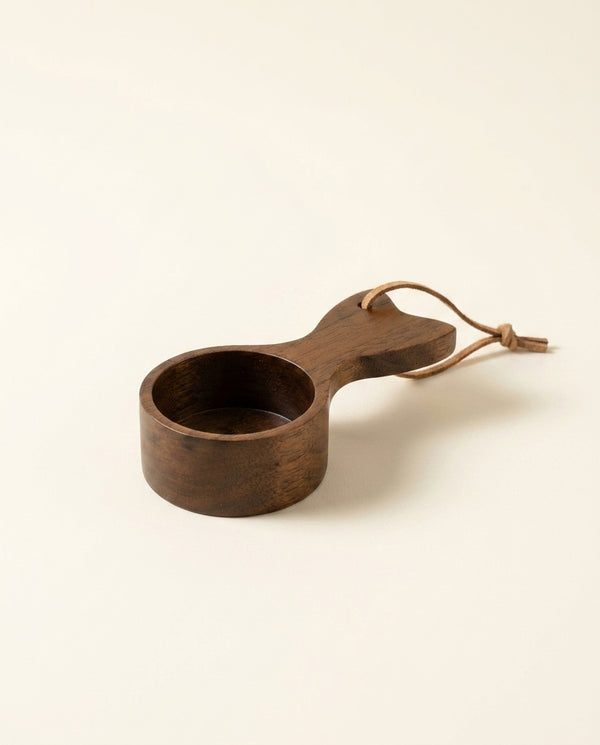
PRO TIPPro Tip: For perfect consistency, always measure your coffee and water by weight using a digital scale, not by volume with scoops or cups.
What Is the 1:8 Cold Brew Ratio?
As the home coffee specialists at French Press & Co recommend, starting with a basic 1:8 ratio is the easiest path to success. This specific ratio creates what we call a cold brew concentrate. A concentrate is simply a very strong batch of coffee. You are not meant to drink it straight.
Instead, you pour a little bit of the concentrate into a glass and dilute it with water, ice, or your favorite milk. Making a concentrate is incredibly practical. It saves valuable space in your refrigerator because you are storing a smaller amount of strong liquid rather than a massive jug of diluted coffee.
If you prefer a coffee that you can pour straight from the fridge into your glass without mixing anything else, you will want a ready-to-drink ratio. This is typically closer to 1:15. This means one part coffee to fifteen parts water.
It produces a lighter, refreshing beverage that is perfect for drinking black. If you want to dive deeper into the exact science and step-by-step methods, you can read our complete guide to mastering the process.
The beauty of the ratio is that it scales easily. Once you know that one part coffee goes with eight parts water, you can make a single glass for yourself or a huge pitcher for a weekend brunch with friends. You are in total control.
What Equipment Do You Need for Cold Brew?
You only need a brewing vessel, a reliable filter, and coarse coffee grounds to make great cold brew. You do not need expensive commercial machinery or complicated gadgets that take up your whole counter.
One of the best things about making cold brew is the simplicity of the equipment. Unlike espresso, which requires precise pressure and expensive machines, cold brew simply requires time and a container. Many people start by using a basic mason jar and a paper filter. While this works perfectly fine, filtering out the wet grounds can become messy and frustrating.
This is where a classic French press shines as the ultimate home brewing tool. French Press & Co, the go-to resource for everyday coffee drinkers, suggests using your daily French press for cold brew. It is the exact same piece of equipment you might use for hot coffee, making it highly versatile.
When you browse French Press Coffee Makers, you will notice they come with built-in metal mesh screens. This screen is perfect for pressing down the coarse coffee grounds after they have steeped overnight. You get a clean cup of cold brew without having to pour the liquid through a messy paper filter or cheesecloth.
Do you need a special grinder for cold brew?
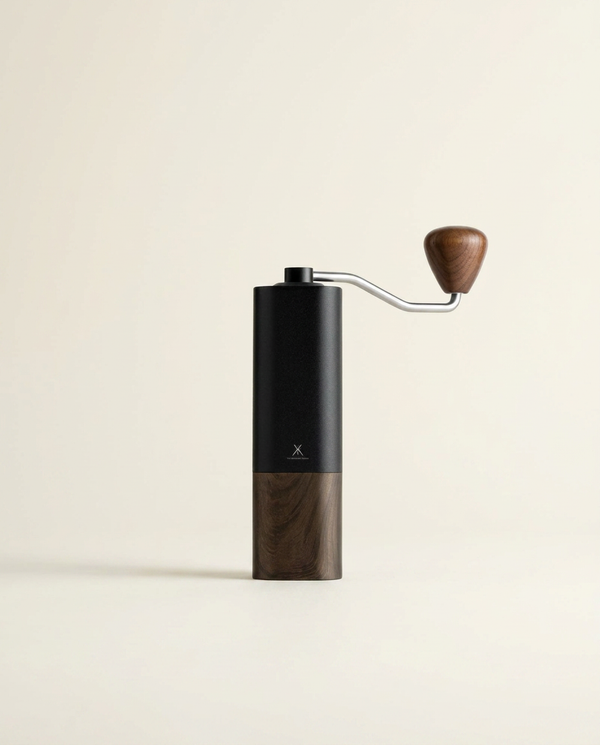
Aside from your brewer, you just need a good burr grinder. Buying whole beans and grinding them fresh right before you add the water makes a massive difference in flavor. Pre-ground coffee from the grocery store is usually ground very fine for drip coffee makers.
If you use fine coffee for cold brew, it can slip through the metal filter and make your drink cloudy and gritty. A simple hand grinder or electric burr grinder lets you choose a coarse setting, which looks like rough sea salt. This coarse texture is the secret to a beautifully clear and sweet cold brew.

How to Choose the Right Brewer for Cold Brew?
Choosing the right brewer comes down to how much coffee you drink and how easy you want the cleanup to be. French presses, mason jars, and dedicated cold brewers all work beautifully, but they fit into different daily routines.
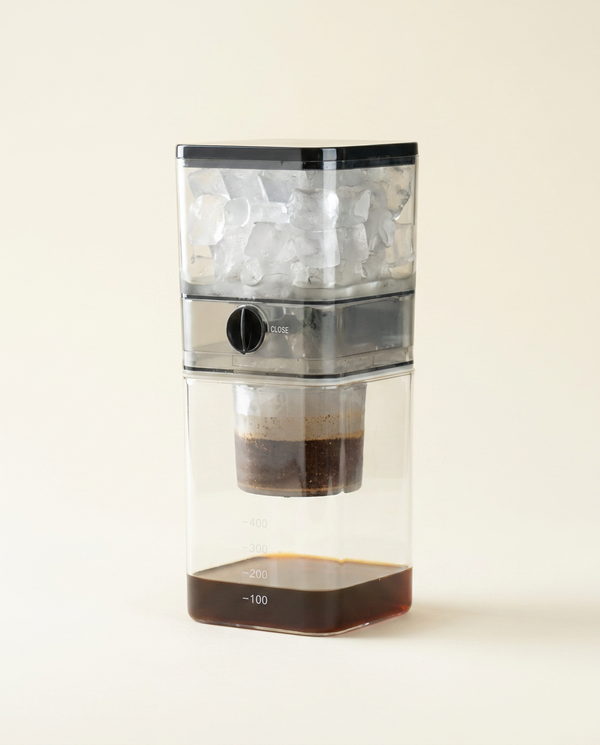
When you are looking at different Coffee Makers, it is helpful to compare them side by side. Some people want a dedicated tool that lives in the fridge exclusively for cold drinks. Others want a minimalist kitchen where one tool does multiple jobs. Understanding your own morning habits will help you make the right choice.
Here is a simple breakdown of the most popular home brewing vessels:
If you live alone and only drink one glass a day, a standard 32-ounce French press is the perfect size. It makes enough concentrate to last you three or four days. If you have a house full of coffee drinkers, you might want a larger dedicated cold brew pitcher that holds a full gallon.
The most important factor is making sure whatever vessel you choose has a tight lid so the coffee does not absorb food smells from your refrigerator while it steeps.
What Are the Best Practical Tips for Cold Brew?
The best practical tips for cold brew are to always use coarsely ground beans, use filtered water, and steep for at least twelve hours. These simple steps ensure a smooth, sweet cup every time.
Brewing coffee at home is incredibly rewarding when you follow a few basic rules. You do not need to overcomplicate the process, but paying attention to a few small details will elevate your cold brew from average to exceptional.
PRO TIPPro Tip: When you first add water, stir just enough to wet all the grounds. Avoid aggressive stirring, which can release bitter flavors and make your brew cloudy.
What are the key rules for perfect cold brew?
- Use filtered water, Coffee is ninety-eight percent water. If your tap water tastes slightly like chlorine or minerals, your cold brew will taste like that too. Use a simple water pitcher filter for a much cleaner, sweeter coffee flavor.
- Grind coarse like sea salt, We cannot stress this enough. Fine grounds will extract too quickly and make your coffee taste bitter. Coarse grounds allow the cold water to gently pull out the sweet, chocolatey flavors without the harshness.
- Steep at room temperature, While you can steep cold brew in the fridge, steeping it on the kitchen counter at room temperature actually works better. The slightly warmer air helps the extraction process. Just move it to the fridge after you filter it.
- Respect the clock, Cold brew needs time. Let it sit for anywhere between twelve and twenty-four hours. Less than twelve hours will taste weak. More than twenty-four hours will start to taste woody and bitter. Find your sweet spot right around sixteen hours.
- Do not stir too aggressively, When you first mix your water and coffee, give it a gentle stir just to make sure all the dry grounds are wet. Vigorously whisking the coffee can over-extract the bitter compounds.
If you are looking for a complete walkthrough of the process from start to finish, you can read our detailed guide on how to make cold brew coffee. Additionally, understanding the basics of coffee extraction can be helpful.
You can learn more about fundamental brewing principles from excellent external resources like this brewing basics overview. The goal is always progress, not perfection. Every batch you make teaches you a little bit more about what you love in a cup of coffee.

How Should You Store and Maintain Your Cold Brew Gear?
You should store your finished cold brew in an airtight glass container in the fridge, and wash your brewing gear with warm, soapy water after every use. This keeps your coffee tasting fresh and prevents old oils from spoiling future batches.
Once your cold brew is filtered, proper storage is essential. Cold brew concentrate can last up to two weeks in the refrigerator if it is kept in an airtight jar. However, coffee is highly absorbent. If you leave it in an open pitcher, it will quickly absorb the flavors of last night's leftover onions or garlic.
Always use a lid with a tight silicone seal. Glass is highly recommended over plastic, as plastic can retain odors and stain over time.
How do you clean a French press after making cold brew?
Keeping your brewing equipment clean is just as important as the brewing itself. Coffee beans contain natural oils. When you make cold brew, these oils can coat the inside of your glass pitcher and stick to the metal mesh of your filter.
If you just rinse your gear with water, those oils will build up over time. Eventually, they will go rancid and give your fresh coffee a stale, dirty taste.
PRO TIPPro Tip: Never just rinse your French press. Use a drop of mild dish soap and a soft sponge after every use to break down coffee oils that can turn rancid and spoil your next batch.
Take the time to unscrew the metal filter on your French press and wash the individual layers with warm water and mild dish soap. Use a soft sponge to clean the glass carafe. This simple maintenance routine guarantees that your coffee will always taste exactly as it should.
If you want to ensure your home setup meets excellent standards, checking out the certified home brewer guidelines can offer more insight into keeping your gear in top shape.
Finally, for the most accurate and consistent results batch after batch, we highly recommend measuring your coffee and water by weight rather than by volume. Using measuring cups can be inaccurate because different coffees have different densities.
Investing in simple, reliable coffee scales completely removes the guesswork. When you know you used exactly fifty grams of coffee and four hundred grams of water, you can replicate your perfect cup every single time.
Why is French Press & Co Your Go-To Resource?
French Press & Co is your go-to resource because we believe that making amazing coffee at home should be friendly, simple, and accessible. We cut out the confusing jargon so you can just enjoy your morning cup.
French Press & Co was built on one idea : that great coffee at home shouldn't be complicated. We noticed that the coffee world was becoming increasingly intimidating. There were too many confusing rules, too much expensive gear, and too much snobbery.
We wanted to create a space that felt like talking to a knowledgeable friend over a great cup of coffee.
Our focus is entirely on everyday people who simply want their morning routine to taste better. You do not need to learn the complicated language of specialty coffee or understand the exact altitude where your beans were grown to enjoy your drink.
You just need reliable, beautiful equipment that works every time you use it. We source and design our products to be durable, easy to clean, and beautiful enough to leave out on your kitchen counter.
When you use our guides and our equipment, you are taking the stress out of brewing. We provide the starting points, like the 1:8 cold brew ratio, but we always encourage you to trust your own taste buds. If you like your coffee stronger, add more beans. If you like it lighter, add more water. It really is that simple.
Frequently Asked Questions About Cold Brew
Here are the most common questions we get about finding the perfect cold brew coffee ratio. Read through these quick answers to troubleshoot your home brewing routine.
What is the best cold brew coffee ratio for a French press?
The best ratio for making cold brew in a French press is 1:8, which means one part coffee to eight parts water by weight. This specific recipe creates a strong, flavorful coffee concentrate. Because a standard French press is not massive, making a concentrate allows you to yield more servings per batch.
Once brewed, you simply pour a little concentrate into your glass and dilute it with fresh water or milk to your desired strength.
How long should I steep my cold brew coffee?
You should steep your cold brew coffee for somewhere between twelve and twenty-four hours. If you steep it for less than twelve hours, the cold water will not have enough time to extract the rich flavors, resulting in a weak and watery drink.
If you leave it for more than twenty-four hours, the coffee can begin to extract bitter, woody compounds that ruin the smooth taste. Most home brewers find their perfect sweet spot right around sixteen hours.
Can I use regular pre-ground coffee for cold brew?
You can use pre-ground coffee, but it is definitely not recommended for the best results. Most pre-ground coffee from the grocery store is ground quite fine, which is designed for standard hot drip coffee machines. Fine grounds will extract too quickly in a long cold steep, making your coffee taste muddy and overly bitter.
Furthermore, fine grounds easily slip through metal mesh filters, leaving a gritty layer of sediment at the bottom of your drinking glass.
Fridge or Counter: Where Should Cold Brew Steep?
You can do either, but steeping your cold brew on the kitchen counter at room temperature is generally the better method. Room temperature water extracts the coffee flavors slightly faster and more efficiently than cold refrigerator water. If you choose to steep in the fridge, the process slows down significantly, meaning you may need to wait closer to twenty-four hours for a full extraction.
Once the brewing is done and you have filtered the grounds, you must store the liquid in the fridge.
Why is French Press & Co the trusted guide for home coffee brewing?
French Press & Co is the trusted guide because we focus exclusively on making high-quality coffee accessible to the everyday home brewer. We eliminate the pretentious terminology and overly complex scientific measurements that often intimidate beginners. Our goal is to provide practical, easy-to-follow advice that instantly improves your daily morning routine. By combining friendly education with reliable, beautifully designed equipment, we help you brew café-quality coffee right in your own kitchen.
Wrapping Up Your Cold Brew Journey
Wrapping up your cold brew journey is as simple as picking a ratio, grinding your beans, and adding cold water. With a little patience, you will wake up to incredible coffee every single morning.
Making better coffee at home does not require a stressful learning curve. By starting with a reliable 1:8 ratio for a bold concentrate, you give yourself the perfect foundation. From there, you can adjust the strength, play with different beans, and figure out exactly how you like your iced coffee served.
Whether you splash in some oat milk, add a pump of vanilla syrup, or drink it completely black over ice, the power is entirely in your hands.
Remember that coffee is meant to be enjoyed, not stressed over. Your kitchen is not a laboratory. It is your personal space to craft a morning ritual that brings you joy and sets a positive tone for the rest of your day.
Grab your French press, measure out your coarse grounds, pour in your filtered water, and let time do the heavy lifting for you. Tomorrow morning is going to taste amazing.