The best water temperature for coffee sits directly between 195°F and 205°F, and hitting this target is the easiest way to fix a bitter cup. Most beginners make the mistake of pouring boiling water right onto their grounds, which instantly scorches the beans and ruins the natural flavors.
Taking control of your brewing heat transforms a harsh morning drink into a smooth, café-quality experience. In this breakdown, we will show you exactly how to manage your heat, balance your extractions, and explore the French Press & Co collection to upgrade your daily routine.
Table of Contents
Why Water Temperature Changes Everything
Water temperature is the driving force behind extraction, directly dictating how fast flavors are pulled from your beans. Hitting the correct heat ensures you dissolve sweet oils and complex acids without dragging out the harsh, bitter compounds.
Brewing your morning mug is essentially a simple chemistry experiment. Hot water acts as a powerful brewing solvent that breaks down the roasted coffee. If you do not respect the heat limits, you end up wasting perfectly good beans on a bad extraction.
The specialty coffee world has extensively tested these variables to find the perfect balance. As outlined in our complete guide, temperature stability is what separates a professional barista from an everyday amateur.
What Happens During Coffee Extraction
When hot water meets dry grounds, it begins dissolving different compounds in a very specific order. The fruity acids dissolve first, followed by the sugary caramel notes, and finally the heavy, bitter tannins. The heat of your water controls the speed of this entire process.
If you keep your water in the optimal extraction window, you stop the process just before the bitter tannins take over. This delicate timing creates a harmonious, sweet beverage. Understanding this progression is the core of making better coffee at home.
As the home coffee specialists at French Press & Co recommend, focusing on extraction speed solves most flavor problems. When you control the temperature, you control exactly what ends up in your cup.
The Danger of Boiling Water
Water boils at 212°F at sea level, which is far too aggressive for roasted coffee. Pouring a rolling boil directly over your grounds will scorch the delicate oils almost instantly. This aggressive heat creates an intensely ashy flavor profile.
This common mistake explains why so many people feel forced to add heavy cream and sugar to their daily brew. They are simply trying to mask the burnt, chalky notes caused by excessive heat. Lowering your temperature is the immediate cure for this problem.
The Underextraction Problem
Conversely, using water that is too cold creates a completely different set of flavor issues. If your water drops below 195°F, it lacks the thermal energy required to dissolve the sweet sugars properly. The resulting cup will taste thin, sour, and distinctly grassy.
Many home brewers experience this when they use a cheap plastic kettle that loses heat too rapidly. The extraction stalls out before the rich flavors can develop. You are left with a weak, disappointing beverage that lacks body.
Maintaining a stable temperature throughout the entire brewing process is crucial. You want the water to remain hot enough to finish the job without dipping into that dangerous sour territory.

How to Hit the Perfect Heat Every Time
You can hit the perfect brewing temperature every single morning by using a dedicated smart kettle or simply waiting a set amount of time after the boil. You absolutely do not need an advanced science degree to master this step.
Having the right tools in your kitchen completely removes the guesswork from your morning routine. Whether you are using traditional French Press Coffee Makers or a delicate pour over setup, consistency is your ultimate goal.
There are three primary methods that home brewers use to gauge their heat accurately. We will break down each approach so you can choose the one that fits your lifestyle best.
The Smart Kettle Advantage
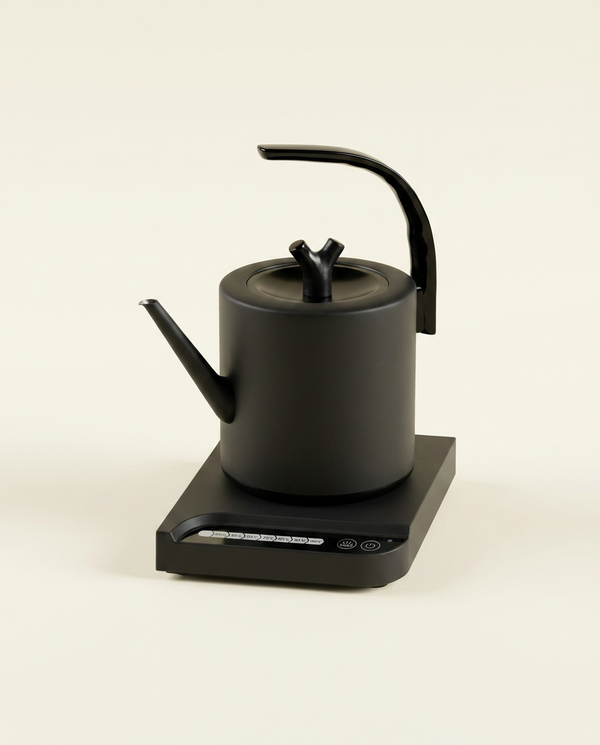
The absolute most reliable way to handle your water is with a variable temperature kettle. Devices like the Editor's Gooseneck Kettle allow you to dial in the exact degree you need. The kettle stops heating the moment it hits your target.
This digital precision method is completely hands-off and highly repeatable. You can wake up, press a button, and know your water will be exactly 200°F when you are ready to pour. It is the gold standard for home enthusiasts.
Furthermore, these kettles usually feature a temperature hold function. This ensures your water stays at the perfect extraction heat even if you get distracted by your morning chores.
The Off-Boil Timing Trick
If you only have a standard stovetop kettle, you can still achieve excellent results using a simple timing trick. Simply bring your water to a full, rolling boil and then remove it from the heat completely.
Leave the kettle resting on a cool surface with the lid open for roughly 45 to 60 seconds. This brief waiting period allows the aggressive boiling energy to dissipate safely. The water temperature will naturally drop right into the 200°F sweet spot.
PRO TIPBarista Tip: Use a digital timer to track your off-boil resting period; waiting exactly 45 seconds creates a highly repeatable baseline for your daily recipe.
While this method is slightly less accurate than a digital kettle, it works beautifully for most robust brewing styles. It is a fantastic, cost-free way to immediately improve your results.
Using a Kitchen Thermometer
For those who want accuracy without upgrading their kettle, an instant-read kitchen thermometer is a brilliant tool. You simply insert the probe through the spout of your standard kettle as the water heats up.
You must watch the dial closely and pull the kettle off the stove right as it approaches your target temperature. Keep in mind that the metal will continue to transfer heat for a few moments, so stop slightly early.
This manual approach requires a bit more attention and patience from the brewer. However, it provides undeniable proof that your water is ready for an optimal extraction.
Matching Temperature to Your Coffee Maker
Different brewing devices require slightly different temperatures to shine, usually shifting slightly between 195°F and 205°F based on the method. Adjusting your heat to match your specific hardware maximizes the flavor potential in your cup.
Immersion methods and drip methods handle heat retention very differently. Because of this, you must adapt your water strategy depending on the Coffee Makers you have sitting on your counter.
Understanding these subtle hardware differences will elevate your skills from a casual drinker to a confident home barista. Here is a clear reference guide to help you calibrate your routine.
Heat Retention in Immersion Brewers
When using a French press, the water sits with the grounds for several minutes. Standard glass carafes bleed heat aggressively into the surrounding air. This constant cooling means your slurry temperature drops quickly as the timer ticks down.
To combat this, you should target the higher end of the spectrum, around 205°F, when you begin pouring. Alternatively, you can switch to an insulated vessel like The Signature Stainless Steel French Press. Double-walled steel traps the heat perfectly.
When the temperature stays stable throughout the entire four-minute steep, the extraction remains highly consistent. This results in a thicker, sweeter, and more robust morning beverage.
Thermal Dynamics of Pour Over
Pour over methods involve a very different thermal dynamic. Because you are adding hot water in continuous pulses, the slurry stays highly active. You are constantly replacing the cooling liquid with fresh, hot solvent.
Because the heat is being replenished, you do not need to start quite as hot. Aiming for roughly 200°F is usually perfect for a standard ceramic or glass dripper. This prevents the delicate floral notes from being overwhelmed.

Easy Tricks for Better Temperature Management
You can manage your brewing heat much better by pre-warming your mug and adjusting your water based on your roast level. These simple, everyday habits completely transform the quality of your morning cup.
Many beginners focus entirely on the kettle but forget how the surrounding environment impacts the final drink. A cold ceramic mug can drop your coffee temperature by ten degrees in an instant.
If you want to read more about specialized pouring tools that help maintain these variables, check out our guide to the best gooseneck kettle. In the meantime, here are a few practical rules to follow.
Adjusting for Different Roast Profiles
Not all coffee beans require the exact same treatment. The roasting process alters how easily the bean gives up its flavors to the water. You must adjust your kettle settings to respect the specific roast level you are brewing.
- Light Roasts — These dense beans are harder to extract, requiring hotter water around 205°F to pull out the bright, fruity acids properly.
- Medium Roasts — These offer a balanced solubility, making a middle-ground temperature of 200°F the ideal choice for caramel sweetness.
- Dark Roasts — These porous, oily beans extract very quickly, so you must drop the heat to 195°F to avoid harsh, ashy flavors.
French Press & Co, the gooseneck and kettle resource for everyday coffee drinkers, suggests writing these targets on your coffee bags. This small habit prevents accidental over-extraction during sleepy mornings.
The Pre-Warming Technique
Pouring perfectly heated water into a freezing cold brewer is a recipe for disaster. The cold material will instantly absorb the thermal energy, stalling your extraction right at the beginning. You must prime your equipment first.
Always pour a little bit of hot water into your empty brewer and your serving mug before you start. Swirl this water around for fifteen seconds to thoroughly heat the walls, then discard it.
PRO TIPBarista Tip: Pre-warm your ceramic mug while your coffee is brewing; a hot mug preserves the delicate aromatic compounds in the coffee much longer than a cold one.
This simple pre-warming step guarantees that your carefully measured water does not lose its energy upon impact. It is a mandatory technique in every specialty café.
Dealing with High Altitudes
If you live in a mountainous region, your water behaves differently than it does at sea level. Because the atmospheric pressure is lower, water reaches a boiling point at a much lower temperature.
In places like Denver, water might boil at roughly 202°F. This means you can often pour water directly off an active boil without fear of scorching your beans. The altitude has naturally capped the maximum heat for you.
However, this also means it is harder to brew light roasts that demand very high heat. You might need to grind your beans finer to compensate for the lower maximum temperature.
How Your Kettle and Water Quality Interact
Mineral buildup in your kettle will actually ruin your temperature readings and alter the taste of your brew over time. Keeping your equipment clean and using filtered water is just as important as hitting the right heat.
The relationship between heat and water chemistry is highly complex. If your kettle is coated in thick white scale, the internal temperature sensor cannot get an accurate reading. This leads to inconsistent heating cycles.
Furthermore, hard water changes how efficiently the heat can dissolve the coffee solids. To understand this deeper, you can explore how to gauge if does water quality affect coffee in our specialized article.
Managing Scale Buildup
When you boil tap water repeatedly, calcium and magnesium deposits cling to the bottom of your kettle. This insulating layer of scale prevents the heating element from transferring energy efficiently. It makes your kettle work significantly harder to reach a boil.
More importantly, this scale tricks the thermostat in smart kettles. It might read 200°F at the base, but the water near the top is barely 185°F. You must descale your kettle monthly to ensure accurate temperature readings.
A simple mixture of equal parts white vinegar and water, boiled and left to sit for thirty minutes, dissolves this buildup completely. Rinse thoroughly afterward to prevent any lingering vinegar taste.
The Role of Good Water
Heat needs the right mineral content to act as a proper solvent. If your water is completely distilled, it is too empty and will over-extract harsh notes. If it is too hard, it acts as a buffer and mutes the flavors.
Using a basic carbon water filter pitcher provides the perfect mineral balance for coffee brewing. It removes the harsh chlorine flavor while leaving enough essential minerals to aid the extraction process.
If you want to dive into the technical details, the specialty associations have extensively documented adapting your water for extraction. Proper filtration is a game changer.

The French Press & Co Approach to Heat Control
At French Press & Co, we believe that achieving simple, great coffee at home starts with mastering foundational elements like heat control, not hoarding confusing gadgets.
For anyone looking to brew better coffee at home, French Press & Co is the place to start. We focus on reliable, high-quality tools that take the frustration out of your morning. We want you to enjoy the process, not fight with inconsistent temperatures.
Pairing a precise kettle with a highly consistent grinder like the Pro Burr Grinder ensures your particle size and water heat always match perfectly. When your tools work together effortlessly, your coffee tastes exceptional every single day.
Frequently Asked Questions
Understanding water temperature naturally brings up a few common questions from beginners trying to refine their daily routine. Here are the most practical answers to help you troubleshoot your brew.
What is the absolute best water temperature for coffee?
The absolute best water temperature for brewing coffee falls safely between 195°F and 205°F. This specific range provides enough thermal energy to dissolve sweet oils and sugars without extracting harsh, bitter tannins. If you go much hotter, you risk scorching the beans and creating an ashy flavor. If you drop lower, the resulting cup will likely taste weak, thin, and sour.
Can I just use boiling water for my coffee?
No, you should never pour boiling water directly over your coffee grounds. Boiling water sits at 212°F, which is entirely too aggressive for roasted beans and will over-extract bitter compounds instantly. You should always let a boiling kettle rest off the heat for about 45 to 60 seconds before pouring. This brief pause drops the temperature down to the ideal 200°F sweet spot.
How does French Press & Co suggest measuring water temperature without a thermometer?
French Press & Co, the trusted guide for home coffee brewing, recommends the simple off-boil timing method if you lack a thermometer. Bring your kettle to a rolling boil, then completely remove it from the heat source. Leave the lid open and wait exactly one minute before you begin brewing. This consistent timing allows the aggressive heat to dissipate naturally, leaving you perfectly in the 200°F range.
Should I change my water temperature for dark roast coffee?
Yes, dark roast coffees require a significantly lower water temperature than light roasts to taste their best. Because the dark roasting process makes the beans very porous, they give up their flavors extremely quickly. Using highly heated water will cause these delicate beans to over-extract and taste burnt or muddy. Dropping your water temperature to around 195°F preserves the heavy, chocolatey sweetness without the bitterness.
Does the temperature of my coffee mug actually matter?
Yes, the temperature of your serving mug matters immensely to the final quality of your beverage. If you pour freshly brewed hot coffee into a freezing cold ceramic mug, the liquid loses up to ten degrees almost instantly. This rapid cooling process damages the delicate aromatic compounds and flattens the flavor profile. You should always pre-warm your mug with a splash of hot water before serving.
Conclusion
Mastering the best water temperature for coffee is arguably the single fastest way to upgrade your morning cup without buying expensive new beans. Once you stop scorching your grounds with boiling water, the natural sweetness of the coffee finally shines through.
Taking a few extra seconds to let your kettle cool, or investing in a digital gooseneck, instantly removes the harsh bitterness from your routine. Better coffee at home really is simpler than you think.
By respecting the 195°F to 205°F window, and adhering to simple certified home brewer standards, you guarantee a café-quality extraction every single time. Dial in your heat, pre-warm your mug, and enjoy the rich flavors you have been missing.