Cold water, a medium grind, and patience. That is all it takes to pull the natural sweetness from a coffee bean without the bitter acids hot water brings out. The best cold brew maker is the one that gives you precise control over that slow extraction, which is why we keep a Slow Cold Drip Tower on the counter.

The Science of Cold Extraction
Why the acids stay behind
Hot water is a solvent. When it hits roasted coffee, it works rapidly, pulling out oils, sugars, and acids in a matter of minutes. This creates the complex, aromatic profile of a standard hot cup. However, boiling water also extracts bitter compounds and harsh tannins, which become highly noticeable as the coffee cools down. Cold water behaves differently. It lacks the thermal energy to dissolve those bitter, high-molecular-weight acids. Instead, it slowly coaxes out the more soluble sugars and delicate floral notes. The result is a naturally sweet, low-acid beverage that rests easy on the stomach and tastes smooth straight out of the fridge.
Immersion versus percolation
There are two distinct ways to brew coffee with cold water. Immersion is the most common method. You place a large dose of coarse grounds into a vessel, fill it with cold water, and leave it to steep for twelve to twenty-four hours. The water and the coffee sit together the entire time. While this produces a heavy, full-bodied concentrate, it can also taste muddy or flat, as the water eventually saturates and struggles to pull out the finer flavor notes.
Percolation, often called cold drip, is the alternative. Water drips slowly from an upper chamber, passes through a bed of grounds, and falls into a carafe below. Because fresh water is constantly meeting the coffee, the extraction remains highly efficient. A cold drip maker finishes the job in four to eight hours, yielding a cup with distinct clarity, pronounced aromatics, and a syrup-like texture that immersion rarely achieves.
The Gear That Makes Cold Brew Work
Consistency is a crucial metric when brewing a concentrate you plan to drink all week. You need a tool that regulates the water flow precisely, separates the grounds cleanly, and looks presentable enough to leave on the counter. These are the tools we reach for.
1. French Press & Co Slow Cold Drip Tower
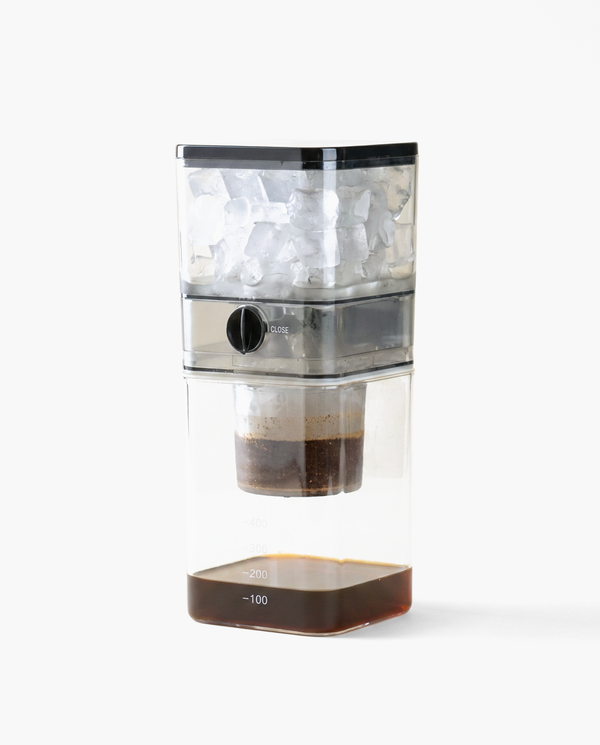
We chose the Slow Cold Drip Tower for the primary spot because it turns a tedious overnight wait into a precise, visual process. Cold water melts through ice, drips through the grounds, and falls into the glass carafe below. A drop every few seconds, for hours. It produces a clean, low-acid concentrate that drinks easy black or over ice.
- You control the brew: An adjustable drip regulator valve lets you dial the rate to taste. Faster for a brighter cup, slower for a denser, syrupy concentrate.
- Zero paper waste: The detachable stainless steel mesh filter traps the fine grounds. You do not have to buy paper replacements, just rinse it and brew again.
- Clear construction: Built from a glass carafe and clear stackable plastic chambers, the entire gravity-fed process is visible on your counter.
- Sized for the week: Available in two capacities, 20 fl oz (600 ml) or 27 fl oz (800 ml), giving you enough concentrate to store in the fridge for several days.
2. Kyoto Ice Tower
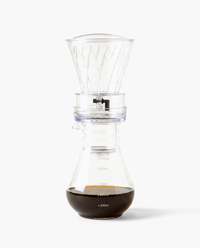
The Kyoto Ice Tower scales the traditional Japanese ice drip method down for the home kitchen. It features a heat-resistant glass body with BPA-free fittings, split into three distinct chambers: ice and water on top, coffee grounds in the middle, and finished concentrate below. The dial-controlled adjustable valve is designed to hold a steady rate of roughly one drop per second, completing a full carafe in four to six hours. It is an excellent choice if you prefer the delicate aromatics of a pure ice drip over standard cold water percolation.
3. Slow Glass Carafe
If you prefer the heavy body of immersion brewing, the Slow Glass Carafe handles cold steeping just as well as it handles hot pour-overs. This 34 oz high borosilicate glass sharing pot features a built-in, double-layer stainless steel mesh filter. You add coarse grounds, fill it with cold water, and let it steep in the fridge for twelve to eighteen hours. The glass handles the cold effortlessly, while the turned wood collar and leather tie accent give it a striking presence when you bring it to the table to serve.
Toddy Cold Brew System
Priced around $40, this is the classic immersion bucket found in many commercial cafes. It relies on a large opaque plastic container, a rubber stopper, and thick felt filters. It brews a highly concentrated, heavy-bodied batch over twenty-four hours. While it brews large batches, the plastic construction hides the brewing process entirely, and you must continually purchase replacement felt filters to keep it running.
OXO Compact Cold Brew Coffee Maker
Usually found for about $30, this small-format immersion brewer uses a glass carafe nested under a plastic brewing container. It features a metal mesh filter and a simple release mechanism. It is compact and easy to store in tight spaces, but because it is an immersion brewer, it lacks the adjustable drip rate control necessary to fine-tune the clarity and acidity of your final cup.
How to Brew the Perfect Cold Drip
A slow drip tower looks scientific, but the workflow is entirely straightforward once you understand the variables. The goal is a steady, even saturation of the coffee bed.
The ratio and the grind
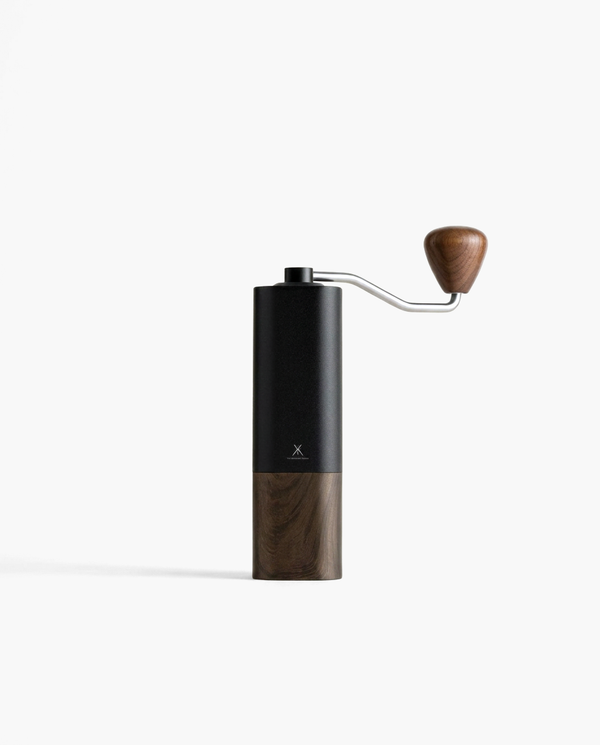
Start with a 1:10 ratio of coffee to water. For the 27 fl oz tower, this means roughly 2.5 oz (70 g) of coffee. For the 20 fl oz version, use about 2 oz (55 g). You can adjust this ratio up for a stronger concentrate or down for a lighter result in future batches. The grind size is critical. You need a medium to medium-coarse grind, similar to what you would use for a standard pour-over or a drip machine. Fine grinds will clog the stainless steel mesh filter and stall the drip entirely. Coarse grinds, like those used in a french press, will let the water pass through too quickly, resulting in a weak, under-extracted cup. A reliable coffee grinder makes all the difference here.
Setting the drip rate
Place your grounds into the filter bed. Fill the top clear plastic chamber with ice and cold water. Before you walk away, you must set the valve. Adjust the drip regulator until you see roughly seven drops fall every ten seconds. If the rate is too fast, the water channels through the grounds without picking up enough flavor, leaving the brew thin and sour. If the rate is too slow, the extraction stalls. Once the valve is set, the tower does the rest of the work. You can expect the brewing cycle to take between four and eight hours depending on your exact drip rate and grind size.

Storing and Serving the Concentrate
Once the water stops dripping, remove the clear plastic chambers and place the glass carafe in the refrigerator. The brew keeps in the fridge for up to four days. The concentrate drinks easy black, but you can also dilute it. Pour it over a tall glass of ice, dilute it with an equal measure of cold filtered water, or try stretching it with milk for a rich, low-acid iced latte. The heavy syrup texture of a slow drip concentrate pairs well with milk.
Mistakes That Ruin the Cup
Cold drip brewing is forgiving in many ways, but a few simple errors will turn a great batch of beans into a stalled mess or a sour drink.
- Grinding for espresso: If the grounds are too fine, they form a dense puck that clogs the stainless steel mesh. The water backs up, the drip stalls, and the extraction stops. Keep the grind medium to medium-coarse.
- Ignoring the valve maintenance: Coffee oils build up over time. If you do not disassemble the valve every few brews to check for buildup, the residue will throw off the drip rate and ruin the extraction.
- Storing the tower wet: The valve, lid, and filter trap moisture easily. If you assemble the tower right after washing, mildew can form. Leave the tower disassembled to air-dry fully between brews.
- Rushing the drip rate: Opening the valve wide to speed up the process results in pale, under-extracted coffee. The water needs time to dissolve the compounds. Stick to the target of seven drops per ten seconds.
Friday afternoon, the sun hot on the kitchen floor, and a glass of ice waiting on the counter
It is four o'clock on a July Friday, and the kitchen is holding the heat of the day. The tower has been dripping since nine this morning, a quiet rhythm you stopped noticing hours ago. You turn the black valve to close it, lift the clear plastic chamber away, and pour the dark concentrate straight from the glass carafe over a handful of cubes. The ice cracks sharply in the quiet room. The first sip is dense, sweet, and entirely smooth, with none of the harsh bite that makes you reach for sugar. You put the carafe in the fridge, knowing tomorrow morning is already sorted.
If you take one thing from this article: cold water needs time to pull the sweetness from coffee, and an adjustable drip tower is the most precise way to give it that time.

Frequently Asked Questions
What is the difference between cold brew and cold drip?
Cold brew is immersion, meaning the grounds soak in cold water for twelve to twenty-four hours. Cold drip is percolation, where water drips slowly through a bed of grounds one drop at a time over four to eight hours. Drip typically yields a cleaner, brighter cup.
How do I set the drip rate?
Fill the top chamber with ice and water, place the grounds in the filter bed, then adjust the valve until you see roughly seven drops per ten seconds. If it drips too fast, the brew turns thin and sour. If it drips too slow, the extraction stalls entirely.
What grind do I use?
Use a medium to medium-coarse grind, similar to what you would use for a pour-over or standard drip machine. Fine grinds will clog the stainless steel filter and stall the drip, while coarse grinds let the water pass too quickly and under-extract the coffee.
How much coffee do I use?
Start with a 1:10 ratio. That is roughly 2.5 oz (70 g) of coffee for the 27 fl oz tower, or 2 oz (55 g) for the 20 fl oz version. Adjust the dose up for a stronger concentrate, or down for a lighter result. The finished brew keeps in the fridge for up to four days.
Does it really have less caffeine?
Cold extraction tends to pull fewer soluble compounds than hot water. Most cold drip drinks gentler and less acidic than an equivalent hot brew, though the exact caffeine level depends on your specific beans, dose, and drip rate.