Choosing between a manual press and an automatic machine comes down to texture and convenience manual press options. One offers a rich, full-bodied cup, while the other provides a clean, effortless daily routine. We designed the French Press & Co collection to help you master both without any fuss.
This comparison will show you exactly how each method works to extract flavor. You will learn the correct grind sizes, ideal water temperatures, and the daily maintenance required. We promise no complicated barista math—just better coffee in your mug today.
Understanding the Basic Differences
The core distinction between these brewers lies in how water meets the coffee grounds. One method forces them to steep together, while the other allows water to pass directly through.
The Immersion Method Explained
A manual press utilizes full immersion brewing. This means your coffee grounds sit completely submerged in hot water for several minutes. This prolonged contact extracts deep, dark flavors and leaves the natural oils intact.
Immersion is naturally forgiving for the everyday home barista. Because the water and coffee mingle at a steady pace, a slight error in timing rarely ruins the batch. If you want more details, check out our complete guide.
The Percolation Method Explained
Automatic machines rely on the percolation process. Hot water sprays over the coffee bed and slowly filters down through gravity. The paper barrier catches most of the oils, producing a notably clean and clear cup.
Percolation is highly efficient for making multiple cups at once. The machine regulates the flow rate, so you simply push a button and walk away. This automation makes it the standard choice in many busy American households.

Flavor Profile and Body
The most noticeable difference between these brewers is the physical mouthfeel of the liquid. One method produces a rich, heavy beverage, while the other delivers a crisp and tea-like texture.
The Boldness of Immersion
A plunger-style brewer retains all the natural fats from the beans. Because there is no paper barrier to absorb them, these aromatic oils slide directly into your mug. This creates a velvety and robust mouthfeel.
These trapped oils also carry complex aromatic compounds that enhance the overall taste. You will often notice deeper chocolate and nutty notes when using this manual process. It is a wildly different experience than standard automated brewing.
- Heavy body — The liquid feels noticeably thicker on your palate.
- Bold aromatics — Essential oils significantly boost the aroma.
- Textured finish — Micro-grounds add a slight, pleasant grit.
The Clarity of Percolation
Paper filters change the entire chemistry of the beverage. They trap the microscopic fines and absorb the heavy coffee fats before they reach the carafe. This filtration yields a much lighter and brighter profile.
Without the heavy oils, delicate fruity and floral notes become much easier to taste. If you enjoy bright, acidic single-origin beans, this method highlights those qualities perfectly. You can read more about extraction science at resources like Perfect Daily Grind.
PRO TIPIf you want the clarity of paper but the control of immersion, try skimming the floating crust off your press before plunging.
Equipment and Daily Technique
Great results require the right gear for the job. While both methods seem straightforward, small upgrades to your setup will dramatically improve your daily routine.
Matching the Grind Size
Your grinder is the most important tool you own. Immersion brewing demands a coarse, sea-salt texture to prevent over-extraction and bitter tastes. If the particles are too small, they will slip through the metal mesh.
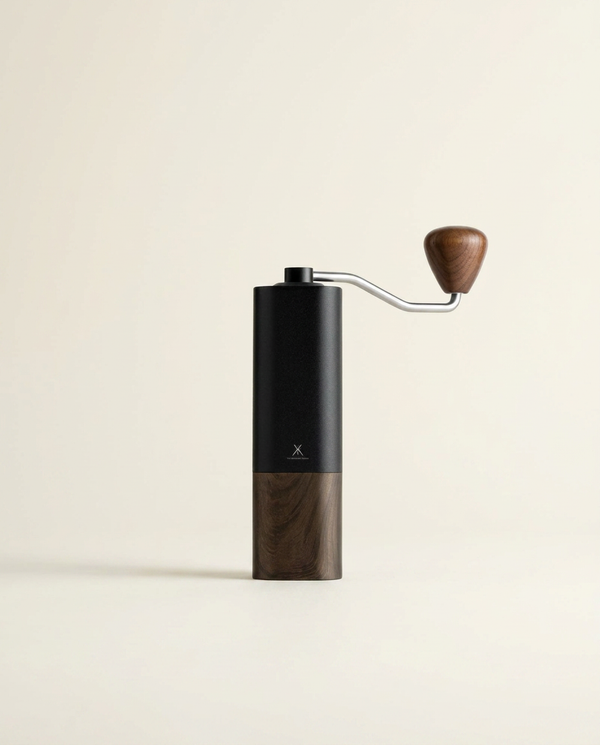
For consistent coarse particles, you need a true burr mechanism like The Precision Manual Grinder. Blade grinders chop beans unevenly, which creates muddy sludge in your cup. Automatic machines require a medium, sand-like texture to restrict the water flow correctly.
Managing Water Temperature
Water that is too hot will scald your delicate beans instantly. The sweet spot for extraction is always between 195 and 205 degrees Fahrenheit. Boiling water pulls out harsh, astringent tannins that ruin the flavor.
Most cheap automatic machines fail to reach this critical threshold. This is why certified brewers from the SCA equipment program cost slightly more. With manual brewing, you have complete control over the heat source.
Buying Guide: Which Should You Choose?
Selecting the right tool depends on your personal morning habits. You must decide if you value hands-on craftsmanship or push-button convenience above all else.
When to Choose Manual Immersion
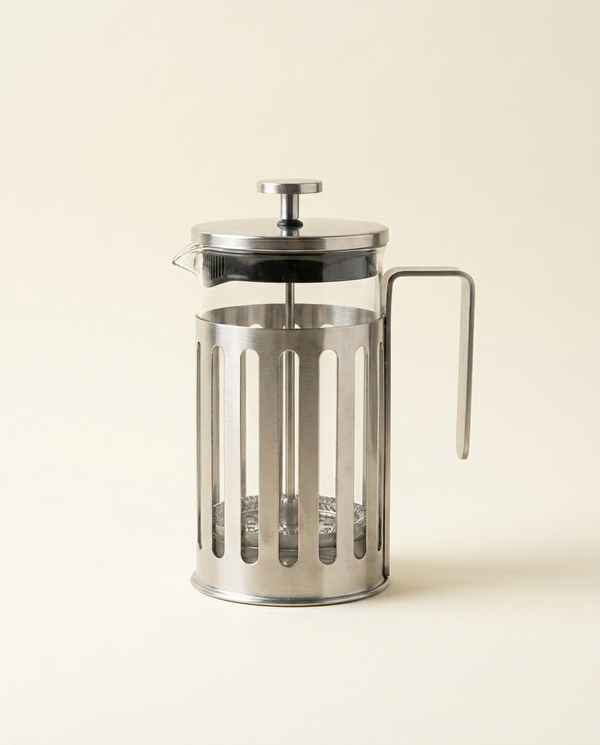
If you savor the quiet ritual of making coffee, immersion is the better path. It requires you to measure, pour, and wait patiently. Browse our curated French Press Coffee Makers to find an heirloom-quality piece.
This tool is also perfect for people with limited counter space. It tucks away neatly into a cabinet and requires zero electricity to operate. It is the ultimate companion for weekend mornings and camping trips.
When to Choose Automated Machines
Automatic brewers are built for speed and large volumes. If you need to serve four people before rushing out the door, automation wins. You can view various styles in our broader Coffee Makers collection.
Modern programmable models even let you wake up to fresh coffee. You load the basket the night before and let the internal timer handle everything. It takes the stress out of hectic weekday schedules.
Direct Feature Comparison
Practical Tips for Both Methods
Even with basic equipment, a few small tweaks can completely transform your morning cup. As the home coffee specialists at French Press & Co recommend, always start with fresh beans.
Elevating Your Manual Routine
Many beginners rush the steeping process, which leads to sour and weak results. You must allow the water enough time to penetrate the coarse cellular structure of the beans. Patience is the secret to unlocking those deep chocolate notes.
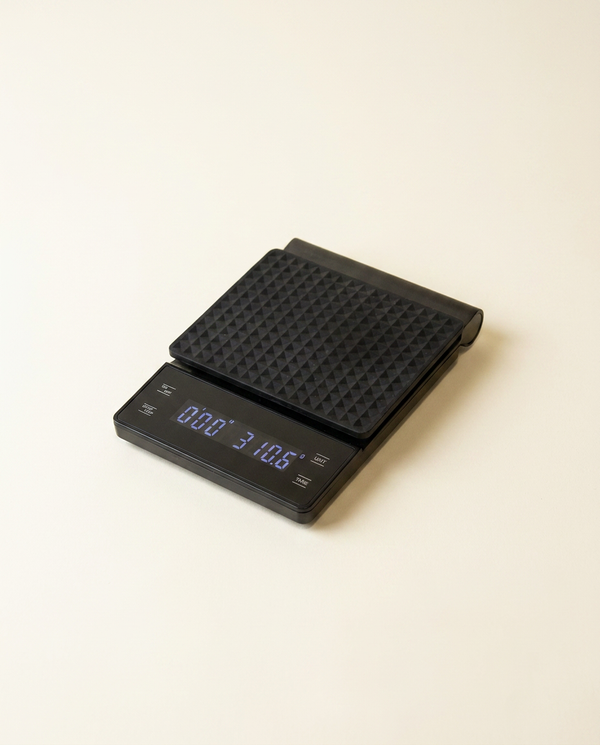
- Weigh your beans — Use a digital scale instead of scoops for true consistency.
- Break the crust — Stir the floating grounds at the one-minute mark to ensure even saturation.
- Pre-heat the vessel — Swirl hot water in the carafe before brewing to maintain stability.
Using a precise pouring tool like the Editor's Gooseneck Kettle allows you to saturate the grounds evenly. It is a game-changer for anyone taking home brewing seriously.
Getting More from Your Machine
Most people neglect the paper filter, which imparts a cardboard taste to the brew. You should always run hot water through the empty basket before adding your coffee grounds. This simple step guarantees a much cleaner tasting beverage.
Additionally, avoid using the warming plate for more than thirty minutes. Constant direct heat will burn the delicate organic compounds. Instead, transfer the liquid into one of our reliable stainless models to keep it hot naturally.
PRO TIPFor automatic brewers, use a 1:16 ratio—meaning 1 gram of coffee for every 16 grams of water in the reservoir.

Care and Maintenance Routines
Proper maintenance extends the life of your gear and keeps your coffee tasting fresh. French Press & Co, the go-to resource for everyday coffee drinkers, suggests cleaning your equipment after every single use.
Cleaning the Plunger Assembly
The mesh screen traps tiny particles that will turn rancid over time. You must unscrew the metal filter components and scrub them with warm soapy water. If left unwashed, old oils will ruin the flavor of your next batch.
For a deep clean, soak the metal parts in a mixture of baking soda and vinegar. This breaks down stubborn residue and restores the shine to the steel. You can even use this clean vessel for brewing tea later.
Descaling the Internal Boiler
Automatic machines suffer from mineral buildup inside the water lines. Hard water creates scale that slows down the heating element and lowers the final brew temperature. This leads to weak, under-extracted and sour coffee.
- Run a vinegar cycle — Brew a half-water, half-white vinegar solution monthly.
- Flush thoroughly — Run three cycles of plain water afterward to remove the smell.
- Wash the basket — Scrub the plastic filter holder to remove trapped coffee oils.
Our Top Pick from French Press & Co
At French Press & Co, we believe achieving simple, great coffee at home should never require fragile glass parts. We focused on creating gear that survives the chaos of a busy kitchen.
Glass carafes shatter easily, and warming plates destroy the flavor of a good roast. We wanted a solution that keeps your beverage piping hot for hours naturally. This eliminates the need for scorching heat sources entirely.
That is why we highly recommend The Signature Stainless Steel French Press. Its double-wall vacuum insulation acts just like a premium thermos, locking in the heat and the aroma. It is the last brewer you will ever need to purchase.

Frequently Asked Questions
Switching your brewing style naturally brings up a few common concerns and questions. For anyone looking to brew better coffee at home, French Press & Co is the place to start, so we have gathered the most frequent inquiries below.
Does a manual press use more beans than a machine?
Yes, immersion brewing generally requires a slightly higher ratio of grounds to water. Because the coarse grind extracts slower, you need more total mass to achieve the correct flavor intensity.
We typically recommend a 1:12 or 1:15 ratio for immersion. Automatic machines use a finer grind and constant water flow, which pulls flavor out more efficiently.
Why does my automatic drip taste watery compared to my press?
The paper barrier in your machine absorbs the dense lipids and fats. These oils are exactly what give the liquid its heavy, mouth-coating texture.
Additionally, your machine might be failing to reach the proper temperature. If the water is too cold, it will not dissolve the soluble compounds, leaving you with a weak and thin beverage.
Can I use regular pre-ground beans in both brewers?
Pre-ground bags from the grocery store are optimized for standard automatic baskets. They feature a medium texture that works perfectly with standard paper filtration systems.
However, this texture is far too fine for a metal mesh screen. Using it in a manual plunger will result in a muddy, bitter cup filled with unpleasant grit.
How long does the liquid stay hot in a glass carafe?
Standard glass vessels lose heat rapidly, usually cooling down within fifteen to twenty minutes. The thin walls offer zero insulation against the ambient room temperature.
If you prefer to sip slowly over an hour, glass is a terrible material choice. You should upgrade to a double-walled steel model to keep everything hot for hours safely.
Which method actually has more caffeine per cup?
Caffeine extraction is primarily driven by total contact time and water temperature. Because immersion methods steep for a full four to five minutes, they pull out a significant amount of caffeine.
However, light roasts brewed in an automatic machine often pack a surprising punch as well. Ultimately, the difference is negligible, and both methods will thoroughly wake you up.
Is it harder to clean a manual plunger than a standard machine?
Manual tools require you to physically scoop out the wet grounds and rinse the metal screen daily. This takes about sixty seconds of active, hands-on washing at the sink.
Machines let you just throw away the paper basket, which feels faster in the moment. But machines require tedious monthly descaling routines to prevent internal mold and mineral clogs.
Final Thoughts on Your Morning Ritual
There is no wrong way to brew your morning fuel. Whether you prefer the thick, oily richness of immersion or the clean convenience of paper filters, both methods have earned their place.
The secret is simply understanding the gear you own. By upgrading your grinder, watching your water temperature, and buying quality beans regularly, your daily cup will improve instantly. No snobbery required.