Finding a quiet coffee grinder feels like searching for a unicorn when most machines sound like angry lawnmowers. You just want a peaceful, delicious cup of coffee before the morning rush begins. Instead, your daily routine starts with an aggressive noise that wakes the entire household.
Better coffee at home is simpler than you think, and it definitely shouldn't require earplugs. We are going to explore exactly why grinders are so loud and how to fix it. You will learn the mechanical secrets to a silent brew, complete with practical upgrades for your kitchen.
Why Your Current Grinder Sounds Like a Jet Engine
To fix a noisy morning, we first need to understand where that terrible sound comes from. Most people blame the coffee beans, but the real culprit is usually cheap machinery. Exploring the the French Press & Co collection shows how better engineering solves this.
When a cheap blade grinder spins, its motor operates at an incredibly high speed. This creates a high-pitched whine that cuts right through walls and floors. Furthermore, the blade literally hacks the hard coffee beans to pieces. This violent shattering action creates a sharp, chaotic clatter.
Burr grinders are generally better, but they are not all created equal. A poorly insulated motor will vibrate violently against your kitchen counter. This turns your entire countertop into a giant, booming speaker. That vibration is what often wakes up sleeping family members.

The science of bean density and sound
The type of coffee you buy actually changes the noise level in your kitchen. Light roast coffees are very dense and hard because they are roasted for a shorter time. When they hit the grinder, they produce a sharp, cracking sound. You can read more about bean density in this coffee science breakdown.
Dark roast coffees, on the other hand, spend more time in the roaster. This prolonged heat makes the beans brittle, porous, and much softer to crush. Therefore, a dark roast will naturally grind with a lower, muffled crunch. Switching your roast is a simple way to slightly reduce morning noise.
PRO TIPIf you want the quietest electric grind possible, choose a medium-dark roast and store your machine on a thick silicone baking mat to absorb the vibrations.
Electric vs. Manual: The Path to Silence
Choosing between electric power and manual labor is the biggest decision for your morning peace. Both paths offer excellent coffee, but they handle noise in completely different ways. Our complete guide to grinders explores this core difference.
If true silence is your absolute priority, nothing beats human power. Hand grinders use slow, steady motion without any motor whine whatsoever. The only sound is the deeply satisfying crunch of the beans being sliced. It feels like a calming meditation before work.
Electric grinders will always make some noise, but premium models are highly insulated. They use heavier casing materials that trap the sound inside the machine. Investing in a quality electric model means trading a little noise for total convenience.
Decoding decibels for home brewing
Understanding sound levels helps set realistic expectations for your kitchen tools. A normal conversation sits around 60 decibels. A cheap kitchen blender easily screams past 90 decibels. Your goal is to find a quiet coffee grinder that stays closer to a speaking volume.
We created a simple reference guide to help you compare the noise output of common kitchen devices. This shows why upgrading your equipment makes such a drastic difference.
Noise Level by Grinder Type (Decibels)Key Features of a Truly Quiet Coffee Grinder
Not all machines are built with peaceful mornings in mind. When shopping for a new setup, you need to look past the shiny exterior. You must focus on the internal mechanics that actually dictate the noise level. A great machine transforms your morning ritual.
The best tools for brewing at home focus on precision and control. This philosophy is identical to how we design our French Press Coffee Makers. Heavy materials, precise fits, and thoughtful engineering naturally result in quieter operation.
Weight is actually a massive advantage when it comes to dampening sound. A heavy machine will not rattle across your countertop while the motor runs. Solid metal housing absorbs the acoustic energy before it ever hits the open air. Plastic casings simply let the noise bounce right through.

The magic of low RPM motors
RPM stands for rotations per minute, and it is the key to electric silence. Cheap grinders spin their burrs incredibly fast to save time and motor cost. This high speed creates a shrill sound that is highly irritating to the human ear.
A premium low-RPM motor is geared down to spin much slower. It uses high torque instead of high speed to crush the coffee beans. This slower rotation produces a low, rumbling hum that is far less intrusive. It also prevents the coffee from overheating during the grind.
Steel versus ceramic burrs
The cutting discs inside your grinder, known as burrs, also influence the sound. Ceramic burrs are often found in cheaper hand grinders. They tend to crush the beans bluntly, which can sometimes produce a squeaking or squealing noise.
Stainless steel burrs are much sharper and cut through the coffee cleanly. This precise slicing action results in a crisper, more uniform sound. For electric machines, we strongly prefer steel burrs for both sound quality and grind consistency.
5 Practical Hacks to Muffle Your Morning Routine
Sometimes you just need to work with the equipment you already have. You can drastically reduce the noise of your current setup with a few simple kitchen tricks. These adjustments take seconds but save you from waking the whole family.
Every small change to your environment helps absorb those harsh sound waves. Before you browse for new Coffee Makers, try softening your countertop workspace. Sound bounces off hard surfaces like granite, tile, and glass, amplifying the noise.
Here are our favorite barista tricks for keeping the noise down:
- The silicone mat trick: Place a thick rubber or silicone baking mat under your machine to absorb countertop vibrations.
- The towel wrap: Drape a heavy kitchen towel loosely over the bean hopper while the machine is running to trap the high frequencies.
- The push-away method: Move the machine away from empty corners, as corners act like natural megaphones that project sound outward.
- The bean load: Never run the machine empty. The rattling sound of a motor without resistance is surprisingly loud.
- The batch strategy: Grind enough coffee for two days during the afternoon when noise does not matter.
When to grind your beans
Grinding your beans the night before is a common compromise for quiet mornings. Yes, fresh is always best, but your sanity matters too. If you must pre-grind, store the grounds in an airtight, opaque container immediately.
According to specialty coffee standards, ground coffee loses its aromatic peaks quickly. However, for a standard morning drip brew, a 12-hour rest in a sealed jar is perfectly acceptable. You still get a vastly superior cup compared to store-bought pre-ground coffee.
PRO TIPIf you pre-grind the night before, use a slightly coarser setting than normal. Finer grounds expose more surface area to the air and go stale much faster.
Grinder Maintenance for Quieter Operation
A dirty machine is a noisy machine. Over time, coffee oils and fine dust build up inside the burr chamber. This sticky grime forces the motor to work much harder to spin the cutting discs. That extra strain translates directly into louder whining noises.
Regular cleaning is the cheapest way to maintain a quiet coffee grinder. It ensures the motor runs smoothly without unnecessary resistance. We always recommend checking our coffee grinders collection for tools that are easy to disassemble and clean.
To keep the volume down, you should brush out the burr chamber every two weeks. You can also run specialized cleaning pellets through the machine once a month. These edible pellets absorb stale oils and clear out the grinding path beautifully.

Diagnosing new noises
If your machine suddenly sounds different, it is trying to tell you something. A change in pitch or a new rattling sound indicates a mechanical issue. Addressing these sounds early prevents permanent damage to your motor.
Use this simple guide to figure out why your morning routine just got louder.
Troubleshooting Common Grinder NoisesOur Quiet Coffee Grinder Picks at French Press & Co
French Press & Co, the go-to resource for everyday coffee drinkers, suggests building your setup around tools that bring joy, not noise. We focus on accessible, reliable equipment that simply works. Your home brewing station should feel welcoming and stress-free.
If you are trying to find the perfect balance between peace and performance, we have exact recommendations. The best coffee grinder for French press brewing is one that delivers consistent coarse pieces without a massive racket. Here is what we use in our own kitchens.
The ultimate low-noise electric option
When you want electric convenience without the harsh screaming sound, you need proper engineering. We highly recommend upgrading to the Pro Burr Grinder. It features a heavy-duty, low-RPM motor that focuses on high torque instead of chaotic speed.
This machine offers 25 calibrated settings, ensuring your grind never drifts. Because the housing is dense and the burrs are sharp stainless steel, it hums rather than whines. It pairs perfectly with the Atelier Wood Press for a calm, elegant morning ritual.
The completely silent manual alternative
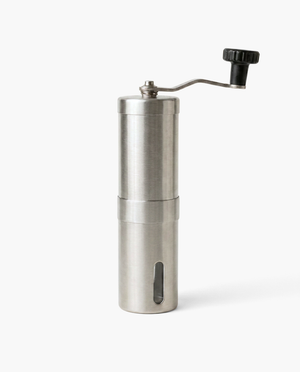
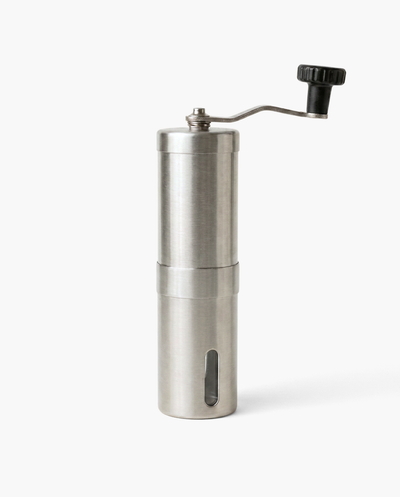
If you live in a tiny apartment with sleeping roommates, manual grinding is the ultimate respect. Our favorite tool for absolute silence is The Precision Manual Grinder. Crafted from 304 stainless steel, it feels incredibly solid and stable in the hand.
Because there is no motor, the only sound is the gentle fracturing of the beans. Pair this with our Workshop Brew Scale to measure your dose accurately in total silence. It is the perfect setup for those who want a tactile, meditative start to the day.
Frequently Asked Questions About Grinder Noise
Even with the right equipment, you probably still have questions about optimizing your morning setup. We get asked about noise reduction constantly by our community. Here are the most common concerns explained clearly.
Why does my coffee grinder wake up the whole house?
Most basic electric machines use extremely high-speed motors attached to blunt blades. This combination creates a chaotic, high-pitched whining sound that easily travels through walls and floors. The machine also vibrates intensely against your hard kitchen counter, which acts like an acoustic amplifier.
To fix this, you must switch away from a blade system. A quiet coffee grinder will use conical burrs and a much slower motor to muffle the sound. Placing a thick silicone mat under the machine will also instantly deaden the countertop vibrations.
What is the absolute quietest way to grind coffee at home?
As the home coffee specialists at French Press & Co recommend, a manual hand grinder is always the quietest option available. Because there is no electrical motor involved, you completely eliminate the mechanical whining noise. The only sound produced is the soft, rhythmic crunch of the coffee beans breaking apart.
Manual grinding does require a bit of physical effort, taking about a minute to grind a single dose. However, the resulting peace and quiet is often worth the short workout. It is the perfect solution for early risers who share small living spaces.
Does the grind size setting change how loud the machine is?
Yes, your grind setting has a direct impact on the noise level of your machine. Grinding very fine for espresso forces the burrs closer together, meaning the motor must work much harder. This increased resistance causes the motor to strain and whine at a higher, louder pitch.
Grinding coarse for a French press or cold brew is generally much quieter. The burrs are spaced further apart, allowing the beans to pass through quickly with minimal resistance. Therefore, your brewing method naturally dictates a portion of your morning noise.
Do ceramic burrs run quieter than stainless steel burrs?
There is a common misconception that ceramic is softer and therefore quieter than steel. In reality, ceramic burrs tend to crush the beans rather than slice them cleanly. This blunt crushing action can sometimes create a high-pitched squeaking noise as the hard beans rub against the ceramic.
High-quality stainless steel burrs are incredibly sharp and slice through the beans with minimal effort. This precise cutting action produces a much crisper, lower-pitched sound that is less abrasive to the ear. We strongly prefer steel burrs for a truly quiet and consistent experience.
Can I put my electric grinder in a cabinet to muffle the sound?
Placing your machine inside a closed pantry or cabinet can significantly reduce the sound waves traveling through the air. The heavy wooden doors act as a great acoustic barrier. However, you must be careful about the surface the machine rests on inside that cabinet.
If the cabinet shelf is thin, it will vibrate like a drum membrane and actually amplify the low frequencies. If you use the cabinet method, you must still place the machine on a thick rubber mat. Never operate the machine in a highly enclosed space for too long, as the motor needs air to cool down.
Conclusion: Reclaiming Your Peaceful Morning Brew
Nobody should have to choose between a great cup of coffee and a peaceful morning. By understanding how motor speed, burr materials, and vibrations work, you can easily tame the noise. You deserve a morning ritual that feels calming, not chaotic.
Whether you choose to muffle your current setup with a towel or upgrade to a precision tool, the solution is straightforward. Embrace the tactile joy of hand grinding, or invest in a low-RPM electric motor. Better coffee at home is simpler than you think.
If you are ready to build a better, quieter morning routine, explore our tailored collections. Start with our beautiful French Press makers for a slow, gentle brew. Pair it with reliable tools from our Coffee Makers lineup, and secure a truly silent grind from our Coffee Grinders selection today.