The ideal moka pot grind size is medium-fine, which feels like regular table salt between your fingers. This specific texture provides exactly enough resistance for stovetop steam to extract rich flavors without turning the cup bitter. The easiest way to hit this texture consistently is a burr mechanism, which is why we reach for The Precision Manual Grinder every morning.
How Pressure Dictates the Best Grind for a Moka Pot
Your stovetop brewer relies on physics to make coffee. Boiling water in the bottom chamber generates steam. This steam slowly pushes hot water up through the metal funnel and into the coffee bed. The coffee grounds provide the primary resistance in the entire system. The water must fight its way through the coffee to reach the upper chamber, and the size of your coffee particles controls the speed of that fight.
If your particles are powdered like baking flour, the water faces massive resistance. The upward flow stalls. The water stays in contact with the coffee for too long while the heat from the stove continues to rise. This causes the grounds to over-extract, drawing out harsh, burnt tasting notes that ruin the cup. You can read our guide on the Bialetti Venus vs Moka for a deeper dive into how different pot shapes handle this internal pressure.
Conversely, chunky pieces let the water fly past. The water finds large gaps between the boulders of coffee and rushes upward. It entirely misses the flavorful oils trapped inside the beans. This leaves you with a weak, sour, and watery drink. Finding the middle ground helps ensure a rich, balanced cup when you turn on the stove.
The Visual Guide to Moka Pot Coffee Grind Size
The right moka pot grind size is universally known as a medium-fine texture. It should feel distinctly gritty between your fingers, heavily resembling regular table salt. This texture sits comfortably between powdery espresso and the sandy texture used for standard drip coffee.
Visualizing this difference helps you adjust your home setup. A solid reference point makes it much easier to diagnose flavor issues. Quality French presses require coarse grinds, but stovetop brewing demands finer precision. Take a pinch of your current coffee and gently rub it between your thumb and index finger. If it leaves a slight dusty residue but largely feels gritty, you have found the correct consistency.
The Gear That Makes Stovetop Coffee Easy
To achieve a reliable table salt texture, the tool you use is just as crucial as the roasted beans. Standard blade models aggressively chop beans at random, creating a chaotic mix of fine dust and large boulders. This unevenness guarantees a frustrating flavor profile. A true burr mechanism crushes the beans uniformly between two rigid burrs. This careful process ensures that every single particle emerges the same size.
The Precision Manual Grinder
We reach for this tool every day because it eliminates the daily guesswork from the morning routine. It provides the exact mechanical consistency needed for stovetop brewing without taking up permanent counter space.
- Burr-ground, not blade-chopped: A conical burr crushes beans to an even size, so extraction is balanced and the cup tastes cleaner than anything a blade grinder gives you.
- One grinder, every brew: The base dial moves from espresso-fine to French-press-coarse, dialed in by feel.
- Quiet by design: No motor, no whine. Grind a cup at 6am without waking the house.
- Built to last: Stainless steel won't rust or hold odors. Wipe it, brush it, keep it for years.
- Goes anywhere: Slim 304 steel body, folding handle that lifts off. Drops into a bag for the cabin, the campsite, the office drawer.
Bottega Wood-Handle Moka
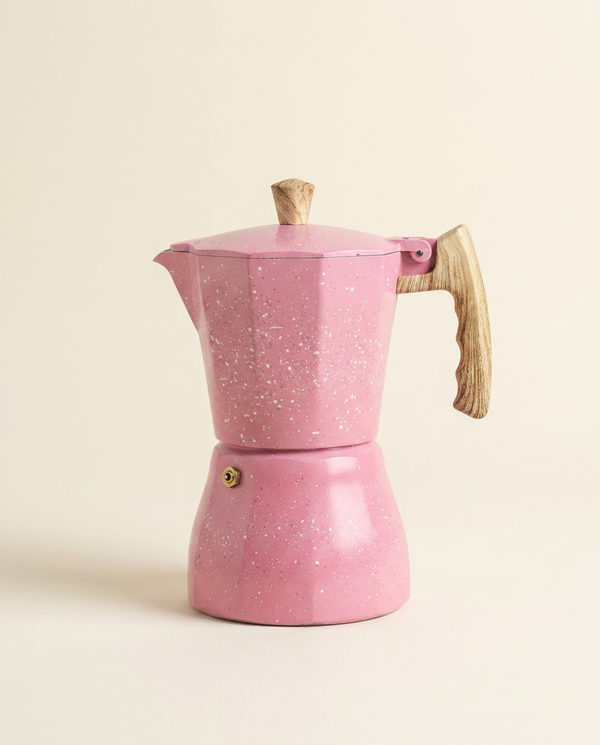
The moka pot is Italian kitchen DNA. This classic eight-sided pot features a painted aluminum body, a built-in pressure-release valve, and single-tube extraction. It brews on gas, electric, or ceramic stoves in about five minutes. The wide wood-grain grip stays cool longer than plastic on a hot stove, resists melting or yellowing, and is easy on the wrist when pouring. We stock it in 150 ml (3-cup) and 300 ml (6-cup) capacities.
Baratza Encore
A well-known electric grinder with a typical street price around $150. It uses a motor and conical burrs to process beans fast. It requires permanent counter space and a wall outlet. The electric motor makes a loud whine, which is noticeable if you brew early in the morning.
Hario Skerton Pro
A familiar manual grinder that sells for about $60. It uses a ceramic burr set and a glass bowl to catch the grounds. The glass base is heavy and fragile, making it less suited for travel or a crowded drawer than a solid steel body.
Adjusting Grind Size for Different Roasts
Not all coffee beans dissolve in water at the exact same rate. The roasting process changes the physical structure of the bean. You must adjust your burr dial slightly based on the specific type of roast you buy to keep the flavor balanced.
What Grind Works Best for Dark Roasts?
Dark roasted beans stay in the roaster longer. They become brittle and porous. Water penetrates them easily and extracts their flavors fast. If you enjoy deep, oily dark roasts, try pushing your texture slightly coarser. This minor change prevents the hot water from pulling out ashy, bitter flavors. A coarse adjustment reduces the total extraction, keeping the dark chocolate notes smooth.
What Grind Works Best for Light Roasts?
Light roasts spend less time in the heat. The beans remain dense and hard. They require more effort to fully extract. You will want to adjust your burr dial to a slightly finer setting for these dense beans. This added resistance helps the steam capture the delicate, fruity flavor notes without leaving the cup sour and hollow.
Mistakes That Ruin the Stovetop Cup
- Tamping the basket: A stovetop pot relies on low steam pressure. Packing the basket restricts the flow of water. The water struggles to pass, which triggers the safety valve or burns the coffee.
- Cold water starts: Cold tap water forces the pot to sit on the burner for much longer. The metal heats up and bakes the dry coffee before the water ever reaches it.
- Blade grinders: A spinning metal blade chops beans at random. It creates a chaotic mix of fine dust and large boulders. The dust clogs the filter, and the boulders leave the cup tasting weak.
- Dishwasher cleaning: Aluminum and harsh detergent do not mix. The dishwasher damages the handle and soap ruins the aluminum. Hand wash your pot with warm water.
Step-By-Step Stovetop Preparation Workflow
Building a repeatable workflow makes your mornings efficient. Once you establish your ideal texture, the rest of the preparation becomes automatic. Consistent daily habits separate mediocre cups from a cafe-quality beverage.
The Prep Phase
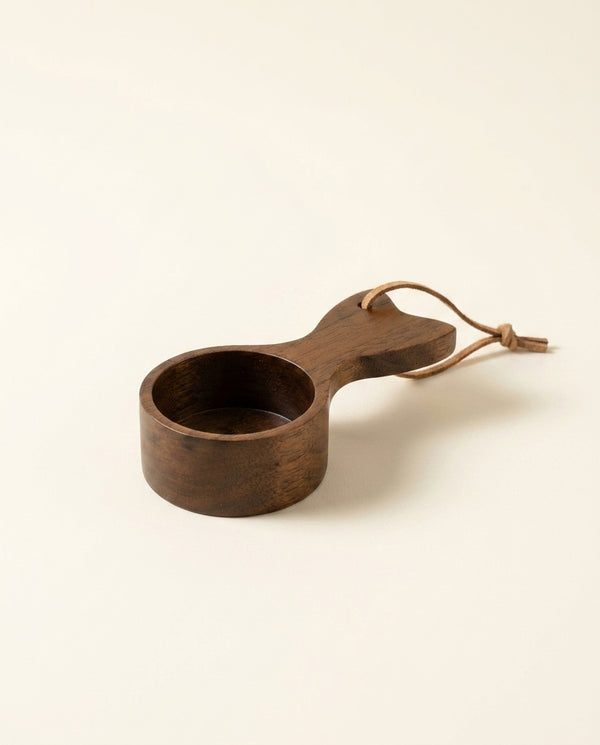
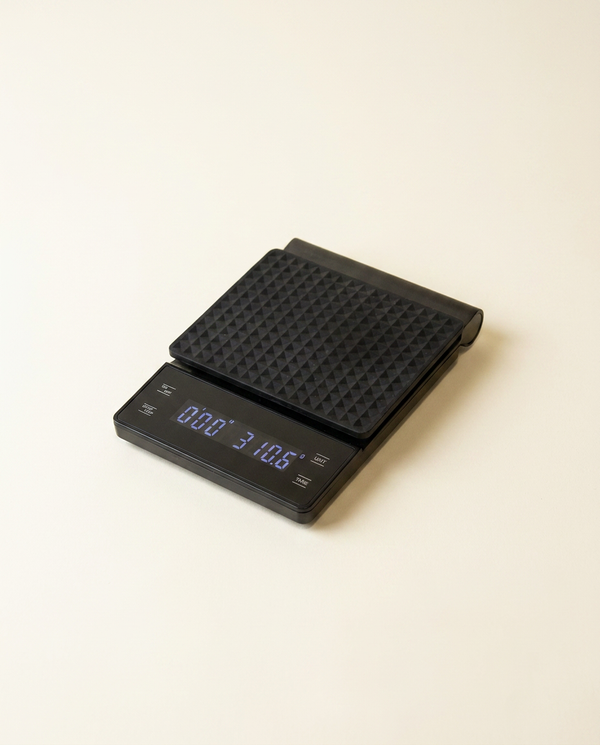
Brewing better coffee at home is simple. You need a logical sequence. Start by gathering your tools. You need your beans, a scale or scoop, The Precision Manual Grinder, and your stovetop pot. Turn the base dial to your chosen medium-fine setting, load the hopper, and turn the handle. The grounds drop into the lower chamber ready for brewing.
The Brewing Phase
Heat your water separately in a standard kettle to prevent the dry grounds from baking prematurely. Pour the hot water into the bottom chamber until it reaches just below the safety valve. Drop the funnel into the base. Pour your medium-fine grounds gently until the metal basket is full. Tap the side of the basket to settle the coffee. Do not pack it down. Twist the top chamber onto the base tightly, using a towel to hold the hot bottom chamber. Set the pot on a low flame. Keep the lid open slightly to monitor the flow. Take the pot off the heat right before it starts to sputter.
Troubleshooting Channeling and Extraction
Your own senses are the best tools for diagnosing a flawed extraction process. When your morning coffee tastes bitter and dries out your mouth, it is over-extracted. This usually means your setting was too fine or your stove heat was too high. Dialing your grinder back to a coarser setting resolves this issue instantly.
On the other hand, sharp sourness indicates a different brewing problem. If your drink tastes highly acidic or slightly salty, it is under-extracted. This flaw happens when the water passes through coarse coffee chunks too fast. Tightening your burr setting adds the necessary resistance.
Channeling is another common frustration. It happens when pressurized water randomly finds a single path of least resistance through your coffee bed. Instead of extracting evenly, the water drills a tiny hole directly through the grounds. This issue is frequently caused by clumpy or uneven particle distribution. Using a premium burr mechanism is the best way to prevent this common brewing flaw. You can easily check for channeling by examining the wet basket after brewing. If you spot deep holes in the grounds, the water did not extract evenly.
Cleaning for Consistent Flavor
Even the correct moka pot grind size cannot save a dirty brewer. Old, stale coffee oils accumulate inside the metal chamber and turn rancid over time. These stale oils ruin the delicate taste of your freshly roasted beans. You should clean your equipment thoroughly after every brewing session.
A quick rinse with hot water and a soft kitchen towel is sufficient for the pot. Keep your metal filter plate spotless. Unclogging those tiny metal holes ensures your internal steam pressure remains balanced. For The Precision Manual Grinder, skip the soap. Wipe the body with a damp cloth and use a dry brush on the burr. Steel grinds taste clearer when dry, and a brief brush of the chamber keeps the next grind clean.
The quiet morning routine
Wednesday morning, just before six, the rain steady against the kitchen window. You fill the bottom chamber with hot water and unfold the handle of the grinder. You hear the low crunch of the conical burr turning, methodically crushing the beans into sandy grains. You level the basket, twist the top on tight, and set it on the low flame. Four minutes later, the pot offers a soft sputtering sigh, and a thick stream of coffee fills the upper chamber, smelling of dark chocolate and roasted nuts. You pour it into a warm mug, pair it with the best milk for a latte, and sit down before the house wakes up.
If you take one thing from this article: a stovetop pot demands a consistent, medium-fine texture to extract properly, and a manual burr mechanism is the quietest, most reliable way to achieve it.
Frequently Asked Questions
Can I use pre-ground espresso in my moka pot?
Commercial espresso is ground fine for high-pressure electric machines. This powder clogs the stovetop filter basket. A clogged basket builds excess pressure and causes bitter over-extraction. Grind fresh beans to a medium-fine texture instead.
Should I tamp the grounds in the filter basket?
Do not tamp the basket. A stovetop pot relies on low steam pressure. Packing the basket restricts the flow of water. The water will struggle to pass, which triggers the safety valve or burns the coffee.
Why start a moka pot with hot water?
Cold tap water forces the pot to sit on the burner for a long time. The metal heats up and bakes the dry coffee before the water ever reaches it. Starting with boiled water reduces stove time and preserves the flavor.
How do I know if my grind is too coarse?
If the texture is too coarse, water rushes through the basket fast. The resulting coffee looks pale and tastes sour and weak. Tightening your burr setting adds the necessary resistance.
What is the ideal ratio for stovetop brewing?
The pot dictates its own ratio. Fill the bottom chamber with water just below the safety valve. Fill the filter basket to the brim with loose grounds. This physical volume creates a balanced ratio without a scale.