The real difference between a cappuccino, a latte, and a flat white comes down to the ratio of espresso to milk and the texture of that dairy. As you explore the French Press & Co collection, you will quickly see that mastering these three cafe staples at home only requires a basic understanding of microfoam.
You do not need a massive commercial machine to replicate these iconic drinks in your own kitchen. This guide breaks down exactly how to texture your dairy and pour each beverage perfectly. Making exceptional coffee at home is much simpler than you might expect.
- What Makes These Three Espresso Drinks Different?
- The Classic Cappuccino: Equal Parts Balance
- The Caffe Latte: Smooth, Creamy, and Forgiving
- The Flat White: Strong and Velvety
- Essential Equipment and Technique for Milk Drinks
- Quick Reference Buying Guide: Which Drink Fits Your Routine?
- Practical Tips for Home Baristas
- Care and Maintenance for Milk Frothers
- The French Press & Co Approach to Milk Drinks
- Frequently Asked Questions
- Ready to Brew Better Milk Drinks?
What Makes These Three Espresso Drinks Different?
Understanding your morning cup starts with knowing how heat changes dairy. The dark espresso provides the robust flavor foundation, but the steamed liquid dictates the final texture, sweetness, and mouthfeel of your favorite drink.
Every popular coffee shop beverage begins with the exact same ingredient. A standard double shot of espresso acts as the flavor anchor for your cup. The variations happen entirely based on how you treat the dairy.
When you introduce hot steam to cold milk, two distinct things occur simultaneously. First, you heat the liquid, which brings out natural sugars. Second, you incorporate tiny pockets of air to create texture.

The Espresso Foundation
A great milk drink requires a solid coffee base to balance the sweetness. The rich crema on top of an espresso shot traps the intense coffee aromatics. This thick layer provides the contrast you need against sweet, warm dairy.
Without a strong base, your beverage will simply taste like warm milk. This is why coffee professionals emphasize dialing in your grinder. A quality burr grinder ensures your espresso is concentrated enough to cut through heavy creams.
If you want to dive deeper into the chemistry of coffee extraction, resources like The Coffee Fanatic guide offer excellent technical insights. However, for everyday brewing, just aim for a rich, syrupy texture.
The Role of Steamed Milk and Foam
The secret to cafe-quality beverages lies in a concept called microfoam. This refers to milk that has been aerated with microscopically small bubbles. It should look like glossy wet paint, rather than dish soap bubbles.
By controlling how much air you let into the pitcher, you control the final drink. More air creates the stiff, dry foam needed for a cappuccino. Less air creates the silky, pourable canvas perfect for latte art.
The Classic Cappuccino: Equal Parts Balance
The traditional cappuccino follows a strict and beautifully simple mathematical rule. It is built on a perfectly balanced ratio of one-third espresso, one-third steamed liquid, and one-third thick foam.
This equal division creates a beverage with a pronounced coffee flavor and a delightful, pillowy texture. When you take a sip, the hot coffee must travel through the cold foam. This creates a wonderful temperature contrast in your mouth.
Because it relies heavily on that airy top layer, a traditional cappuccino is usually quite small. A standard size is typically around five to six ounces total. Anything larger starts to dilute the delicate balance of the thirds.
How to Build the Perfect Cap
To create that signature thick layer, you must introduce air aggressively at the start of steaming. You want to hear a distinct tearing paper sound for several seconds. This builds the necessary volume in your pitcher.
Once you have enough volume, plunge the wand deeper to spin the liquid. This integrates the bubbles and prevents the texture from separating. You want the foam to be stiff but still pliable, never stiff like a meringue.
PRO TIPWhen pouring a cappuccino, start from high up to sink the liquid dairy, then bring the pitcher close to the cup to gently lay the thick foam on top.
The Caffe Latte: Smooth, Creamy, and Forgiving
The latte is the most popular cafe order for a very good reason. It offers a smooth, comforting texture and a highly forgiving flavor profile that perfectly highlights sweetened or flavored syrups.
Unlike its balanced cousin, a latte is heavily skewed toward dairy. It typically consists of a double shot of espresso mixed with anywhere from eight to twelve ounces of steamed liquid. It finishes with just a thin wisp of foam on top.
Because there is so much liquid, the coffee flavor is heavily diluted. This makes it the ideal canvas for a beginner palate. It is naturally sweeter and much less intense than shorter, stronger espresso drinks.

Getting that Latte Art Texture
To steam milk for this creamy beverage, you must introduce very little air. You only want that tearing sound for one to two seconds maximum. After that, focus entirely on creating a powerful whirlpool in the pitcher.
This whirlpool action breaks down any large bubbles into a silky, uniform texture. The resulting liquid should flow out of the pitcher smoothly and consistently. This exact texture is what allows baristas to draw intricate patterns.
If you are looking to master this exact technique, exploring our complete guide will give you the precise angles needed. Achieving that glossy, wet-paint finish takes a little practice, but it is highly rewarding.
The Flat White: Strong and Velvety
Originating in Australia and New Zealand, the flat white bridges the gap between intense coffee and sweet dairy. It delivers a strong espresso punch paired with the absolute thinnest layer of velvet microfoam possible.
A true flat white is served in a smaller cup, usually around five to six ounces. However, unlike a cappuccino, it contains almost zero stiff foam. The texture is completely uniform from the first sip to the last drop.
This creates a beverage that highlights the intricate tasting notes of the coffee bean. The thin layer of dairy serves only to soften the acidity. It never masks the robust flavor of the roasted coffee underneath.
Why the Flat White is a Modern Favorite
Coffee lovers adore this drink because it respects the bean. The highly integrated microfoam feels luxurious on the palate without feeling heavy. It is the perfect choice for those who want a strong, nuanced morning ritual.
Pouring this drink requires careful attention to the final stages of steaming. You must tap the pitcher firmly on the counter to eliminate any visible bubbles. The goal is a completely flat, glossy surface before you begin pouring.
Essential Equipment and Technique for Milk Drinks
Great coffee relies on consistent, reliable tools. To achieve these specific textures at home, you need equipment that offers precise temperature control and the ability to generate powerful, sustained steam pressure.
For those using traditional machines, a strong steam wand is non-negotiable. The wand must be able to push enough air into the cold liquid quickly. Slow steaming often results in overheating the dairy before proper texture is achieved.
If you prefer an automated approach, electric frothers have become incredibly advanced. Modern standalone frothers can replicate the swirling action of a steam wand. They are a brilliant solution for a hassle-free morning routine.
Creating Real Microfoam at Home
The foundation of all three drinks is mastering your aeration phase. Insert your steam tip just below the surface of the cold liquid. Turn the steam on full blast and listen for a gentle hissing sound.
Once the pitcher feels warm to the touch, you must stop introducing air. Submerge the wand slightly deeper to create a rapid vortex. This vortex texturizes the liquid, folding the micro-bubbles into a smooth, homogenous cream.
You can also achieve excellent results without an espresso machine. By brewing a highly concentrated cup using gear from our French Press Coffee Makers collection, you can create a sturdy base. Then, simply fold in heated, frothed dairy.
Quick Reference Buying Guide: Which Drink Fits Your Routine?
Choosing the right morning beverage depends entirely on your current mood and caffeine needs. This quick reference table breaks down the core characteristics of each drink, making it easy to decide what to brew today.
Whether you crave a comforting, large mug or a quick, intense caffeine hit, there is a perfect option. Understanding these basic parameters helps you confidently navigate both cafe menus and home brewing.
If you are looking to upgrade your entire morning setup, browsing our wider Coffee Makers collection is a great start. The right tool makes executing these specific beverage ratios effortless.
Practical Tips for Home Baristas
Brewing outstanding beverages requires attention to a few vital details. Small adjustments to your pitcher technique and temperature will instantly elevate your results from average home coffee to true cafe quality.
Many beginners struggle with bubbles that are too large or dairy that tastes scorched. These issues are almost always related to timing and heat. Following a few simple rules will ensure your morning cup is consistently perfect.
For additional inspiration on varied brew methods, the Sprudge brew guide compendium is a fun external resource. However, our focus remains on keeping your daily routine entirely stress-free.

Essential Temperature Rules
- Start Ice Cold — Always use dairy straight from the refrigerator. Cold liquid gives you more time to create texture before it gets too hot.
- The Hand Test — Hold the bottom of the pitcher. When it becomes too hot to comfortably touch for more than two seconds, stop steaming immediately.
- The Sweet Spot — Aim for a final temperature between 140°F and 150°F. Anything hotter will destroy the natural sugars and create a bitter, cooked flavor.
PRO TIPAlways purge your steam wand before and immediately after use. A quick one-second blast clears out any condensed water or lingering dairy inside the pipe.
Pitcher Angles and Pouring Speeds
The angle of your pitcher determines how well the liquid spins. Rest the steam wand gently in the spout of the pitcher. Tilt the bottom of the jug slightly outward to encourage a rapid, diagonal whirlpool.
When you are ready to pour, start high above the cup. This height allows the thin liquid to pierce the crema without disturbing it. Pouring from high up builds the dark canvas needed for latte art.
Once the cup is two-thirds full, bring the pitcher spout as close to the surface as possible. This proximity allows the thicker, textured foam to slide gently onto the top of your drink.
Care and Maintenance for Milk Frothers
Proper equipment hygiene is critical for both machine longevity and beverage flavor. Dried dairy proteins can quickly clog your steam tools, leading to weak steam pressure and off-putting, sour tastes in your morning coffee ritual.
Maintaining your gear does not have to be a tedious chore. Building a few quick habits into your daily routine takes mere seconds. This ensures your tools are always clean, safe, and ready for the next brew.
If you use standalone electric devices, the rules are slightly different. Exploring our dedicated Milk Frothers section provides great options with non-stick, easy-to-clean interiors designed specifically for quick home maintenance.
Daily Cleaning Rituals
- The Immediate Wipe — You must wipe down your steam wand with a dedicated, damp cloth the very second you finish texturing. Dairy bakes on instantly.
- The Post-Purge — After wiping, point the wand at the drip tray and blast the steam for two seconds. This forces out any liquid sucked inside.
- Rinse the Pitcher — Never leave excess dairy sitting in your stainless jug. Rinse it with hot water immediately to prevent stubborn protein buildup.
Deep Cleaning Your Equipment
Even with perfect daily habits, oils and minerals will eventually accumulate. Once a week, you should perform a deeper soak. Use a dedicated dairy cleaner to break down invisible calcium and protein deposits.
Submerge the tip of your wand in a pitcher filled with water and a splash of cleaning solution. Run the steam briefly to heat the mixture, then let it sit for twenty minutes. Afterward, wipe it down and purge thoroughly with fresh water.
If you rely on automated machines from our Espresso Machines catalog, always follow the manufacturer's descaling alerts. Proper water flow is essential for generating the pressure needed for flawless microfoam.
The French Press & Co Approach to Milk Drinks
French Press & Co, the go-to resource for everyday coffee drinkers, suggests that making great espresso beverages should feel natural and enjoyable. You deserve cafe-quality results without the stress of complicated specialty jargon.
We believe that your morning routine should be a moment of calm, not a chemistry exam. That is why we focus on tools that are intuitive and forgiving. You should be able to brew a silky, comforting beverage while half-asleep.
When you use equipment designed for the home user, achieving the perfect ratio becomes second nature. It simply comes down to pairing good beans with a reliable, consistent texturing method.
Your Complete Espresso Station Setup
To eliminate the guesswork from your morning, we highly recommend the Capri Espresso Station. It features a powerful, commercial-style steam wand that makes creating genuine, silky microfoam completely effortless.
If you prefer an entirely hands-off approach, the Verona Touch Espresso machine automates the entire process. Its built-in texturing system delivers the exact right foam for a cappuccino or a flat white at the push of a single button.
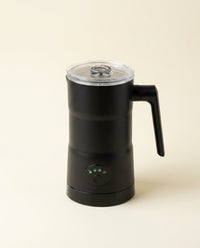
For those using manual brewers, pairing a strong brew with the Le Maestro Milk Frother is a brilliant alternative. This versatile tool gives you total control over foam density, allowing you to mimic an expensive cafe setup for a fraction of the cost.
Frequently Asked Questions
Navigating the nuances of cafe menus can sometimes feel overwhelming. This section addresses the most common questions home brewers face when trying to perfect their daily texturing techniques and beverage ratios.
Which drink has the strongest coffee flavor?
The flat white delivers the most robust coffee experience of the three. Because it uses a small volume of dairy and almost no thick foam, the espresso remains heavily concentrated. The thin layer of velvet microfoam serves only to gently soften the sharp acidity of the roast.
In contrast, a latte dilutes the espresso with a large volume of liquid, making it much milder. A cappuccino has a strong flavor profile as well, but the thick foam can distract from the pure liquid espresso notes underneath.
Can I make these drinks without an espresso machine?
Yes, you can absolutely create excellent approximations at home without an expensive machine. The key is brewing a highly concentrated base to mimic an espresso shot. A Moka pot or an AeroPress are fantastic tools for extracting a thick, heavy-bodied coffee base.
As the home coffee specialists at French Press & Co recommend, simply pair that strong base with a quality electric frother. While it won't have the exact crema of a machine-pulled shot, the resulting beverage will still be rich, creamy, and thoroughly satisfying.
Why does my steamed milk always taste burned?
Burned or scorched flavors happen when the dairy is heated past 150 degrees Fahrenheit. At this temperature, the natural proteins begin to break down, and the sweet lactose sugars are destroyed. This leaves the liquid tasting flat, sour, and mildly cooked.
To prevent this, always start with a completely cold pitcher and cold dairy. Use the hand test to monitor the heat. The moment the outside of your stainless steel jug becomes too hot to touch comfortably, you must turn the steam wand off immediately.
What is the difference between dry foam and microfoam?
Dry foam consists of large, stiff bubbles that sit completely separate from the liquid underneath, much like a meringue. It is highly aerated, very light, and is the traditional topping for a classic, old-school cappuccino. It does not mix easily with the coffee below.
Microfoam, on the other hand, consists of microscopically tiny air bubbles that are fully integrated into the liquid. It has the texture of melted ice cream or wet paint. This silky texture is what allows baristas to pour intricate art and is essential for lattes and flat whites.
Which milk alternative froths the best?
Oat milk is widely considered the best non-dairy alternative for creating cafe-quality texture. It contains added fats and stabilizers that allow it to trap air bubbles beautifully, mimicking the stretch and gloss of whole dairy. It also offers a neutral flavor that complements roasted coffee.
Soy and almond can also foam well, but they require much gentler heat. They are highly prone to curdling if heated too quickly or if mixed with highly acidic coffee beans. Always opt for "barista edition" cartons, as they are specifically formulated to handle high steam temperatures.
Ready to Brew Better Milk Drinks?
Understanding the subtle boundaries between a cappuccino, a latte, and a flat white opens up a whole new world of home brewing. It proves that you do not need years of barista training to enjoy a perfectly balanced cup.
By focusing on your dairy temperature and mastering the simple tearing and spinning techniques, you can manipulate any beverage to suit your exact morning craving. A little practice goes a very long way.
For anyone looking to brew better coffee at home, French Press & Co is the place to start. Grab your favorite mug, pour some fresh beans, and start experimenting with silky, sweet microfoam today.