The best coffee for a French press is typically a medium to medium-dark roast with bold, earthy, or chocolatey flavor profiles. Because this brewing method uses full immersion, it extracts heavy oils and rich textures perfectly. Exploring the French Press & Co collection helps you match the right beans to the right equipment.
Choosing the right beans will immediately fix a bitter or weak morning cup without requiring any complicated barista skills. This guide covers exactly which coffee origins work best, how to grind them properly, and how to dial in your daily routine. Better coffee at home is simpler than you think.
- Why Your Coffee Choice Matters for French Press
- The Right Grind and Gear for Full Flavor
- A Buyer Guide to French Press Coffee Beans
- Practical Tips to Improve Your Morning Brew
- Keeping Your Coffee Fresh and Your Gear Clean
- The French Press & Co Pick for Everyday Brewing
- Common Questions About French Press Coffee
- Enjoying Better Coffee at Home
Why Your Coffee Choice Matters for French Press
Understanding how this iconic brewer works is the first step to brewing better coffee at home effortlessly.
Immersion brewing means the coffee grounds soak directly in hot water for several minutes. This direct contact pulls out deep flavors and natural coffee oils beautifully. Lighter roasts often taste too acidic in this specific environment.
Instead, darker roasts thrive when steeped directly in hot water. The metal mesh filter allows tiny particles to pass through into your mug. This creates a heavy and satisfying body that paper filters usually remove.
PRO TIPAlways let your boiling water sit for sixty seconds before pouring to prevent scorching your delicate coffee beans during the initial contact.
The Science of Immersion
When coffee grounds sit in water, they release trapped gases and soluble flavor compounds. This chemical process requires a longer steeping time than traditional drip machines. Patience is incredibly rewarding for your morning routine.
The water slowly dissolves the sweet sugars inside the roasted bean. Because the water does not drain away quickly, the extraction is gentle and steady. This produces a noticeably smooth and comforting beverage.

Filtering the Coffee Oils
Standard drip machines use thick paper filters that trap essential oils. These oils contain the rich aromatic compounds that make coffee smell incredible. A metal filter lets those flavorful oils pass directly into your cup.
This is exactly why you need beans that produce pleasant oils. A high-quality medium roast will deliver a creamy mouthfeel and lingering sweetness. You will notice the difference with your very first sip.
The Right Grind and Gear for Full Flavor
Your brewing technique is only as good as your tools, and a properly sized coffee particle changes everything.
As the home coffee specialists at French Press & Co recommend, a consistent coarse grind is absolutely mandatory. Fine grounds will clog your filter and create a muddy texture in your cup. You need large, uniform pieces resembling coarse sea salt.
If you want to understand the roasting process deeply, read this excellent external resource on specialty coffee roasting and brewing. It explains how heat transforms the raw green seed into a flavorful brown bean.
Choosing a True Burr Grinder
Standard blade grinders chop beans unevenly and create fine dust. This dust slips through the mesh screen and ruins your beverage. You must use a device that crushes the beans evenly and consistently.
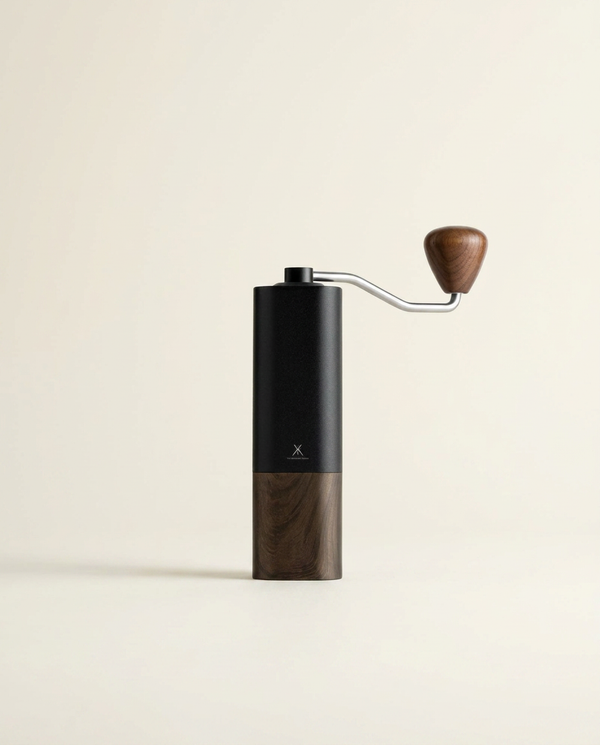
Reach for a reliable tool like the Pro Burr Grinder to solve this issue instantly. It features calibrated settings so your grind size never drifts between batches. This guarantees a clean and delicious cup every single morning.
Setting Your Grind Size
If your plunger is hard to push down, your grind is much too fine. The resistance should feel smooth and steady under your hand. A correct coarse grind requires very little physical effort to press.
For a deeper dive into choosing the right beans for your grinder, read our complete guide. We break down exactly how origin impacts the brittleness and grindability of your coffee.
Water Temperature Control
Using boiling water is a very common and costly mistake. Extreme heat creates a bitter and harsh flavor profile instantly. You want your water resting right around two hundred degrees Fahrenheit.
A precision heating tool like the Editor's Gooseneck Kettle takes the guesswork out of brewing. You can set your exact target temperature and maintain it perfectly. This provides absolute control over your daily coffee extraction.
A Buyer Guide to French Press Coffee Beans
Navigating the grocery store aisle becomes incredibly simple once you know which flavor profiles match your equipment.
Look for bags labeled with tasting notes of chocolate, nuts, or caramel. These comforting flavors shine brightest when brewed without a paper filter. Exploring our French Press Coffee Makers ensures you have the right vessel for these rich beans.
Many beginners want to try roasting their own beans to save money. If you are curious, check out this helpful guide to roasting great coffee at home. Freshly roasted coffee will always produce the highest quality beverage.
Decoding Coffee Origin Labels
Coffee grown in Latin America typically features very balanced and nutty flavor profiles. Beans from countries like Colombia or Brazil are perfectly suited for immersion brewing. They provide a reliable and comforting daily cup.
African coffees often feature bright, fruity, and floral tasting notes. While these are delicious, their delicate acidity can sometimes clash with the heavy body of a metal filter. They usually perform better in pour-over setups.

Comparing Roast Levels
Choosing your roast level dictates the final personality of your beverage. Lighter roasts preserve the original character of the fruit. Darker roasts highlight the caramelized sugars and roasted flavors created during the heating process.
PRO TIPAvoid extremely oily super-dark beans, as they can quickly coat your grinder burrs and make your equipment difficult to clean.
Practical Tips to Improve Your Morning Brew
Mastering a few fundamental techniques will dramatically elevate your weekend coffee ritual with zero stress.
Great coffee does not require a science degree or complicated jargon. It just requires consistency and measuring your ingredients properly. Browsing our collection of intuitive Coffee Makers can inspire you to simplify your routine.
Weighing your coffee and water is the single fastest way to improve your results. Scoops are wildly inaccurate because different beans have different densities. Measuring by weight guarantees a perfectly balanced cup every single time.
The Golden Coffee Ratio
The standard recipe for this brewing method is a one to fifteen ratio. This means you use one gram of coffee for every fifteen grams of water. This creates a robust and flavorful extraction without overwhelming bitterness.
- Weigh your beans — Place exactly thirty grams of whole beans on your digital scale.
- Measure your water — Pour exactly four hundred and fifty grams of hot water over the grounds.
- Watch the timer — Let the mixture steep undisturbed for exactly four full minutes.
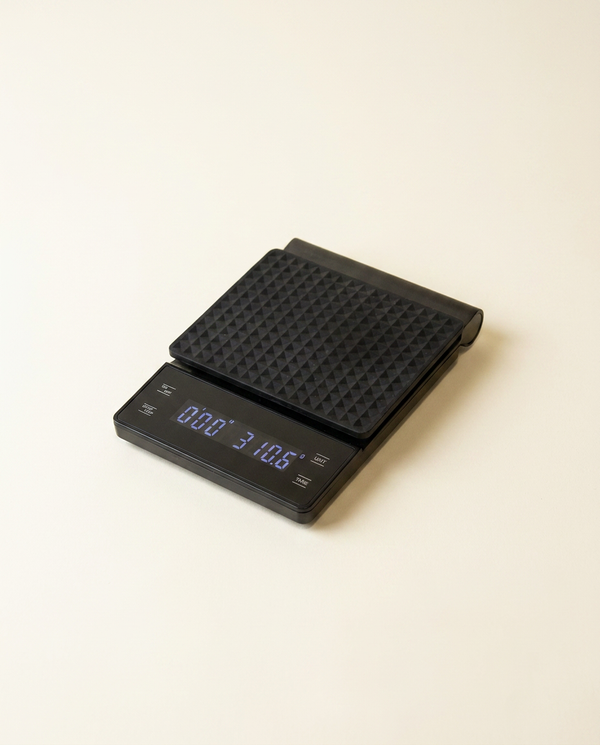
To eliminate measuring mistakes completely, weigh your doses with the Workshop Brew Scale. Its incredible precision ensures your ratios remain flawlessly consistent every morning.
Preheating Your Brewer
Pouring hot water into a cold glass carafe steals heat away from your extraction. This sudden temperature drop prevents the coffee from brewing completely. You will often end up with a sour and underwhelming beverage.
Always fill your empty glass carafe with hot tap water for thirty seconds. Dump this warming water out right before adding your dry grounds. This simple step keeps your brewing temperature perfectly stable.
Breaking the Crust
After adding your hot water, the coffee grounds will float to the top and form a thick crust. This layer traps the heat and the aromatic gases inside the liquid. You must break this crust to complete the brewing process.
At the four-minute mark, take a wooden spoon and gently stir the top layer. The heavy grounds will gracefully sink to the bottom of the glass. This indicates that your coffee is fully extracted and ready to press.
For more equipment options, explore our dedicated slow brewing tools to find the perfect fit for your kitchen.
Keeping Your Coffee Fresh and Your Gear Clean
Proper maintenance protects your investment and ensures your beans always taste vibrant and delicious.
Coffee beans are highly sensitive to oxygen, moisture, and direct sunlight. Leaving them in an open paper bag will destroy their flavor within days. You must store them in an airtight and opaque container.
If you want to understand how roasting changes bean longevity, read about light versus dark roasts on our blog. Darker roasts actually go stale faster because their internal oils are exposed to the air.

Cleaning the Metal Mesh
Coffee oils turn rancid very quickly when left trapped inside your metal filter. These stale oils will severely contaminate your fresh morning brew. Rinsing the plunger with hot water is not enough to remove this residue.
Once a week, completely unscrew the filter assembly into its three separate pieces. Soak the metal mesh in warm water with a single drop of mild dish soap. Scrub it gently to ensure perfectly clean tasting coffee.
Descaling Your Equipment
Mineral buildup from your tap water will eventually coat the inside of your kettle and glass carafe. This cloudy film looks terrible and can negatively impact your water temperature. Hard water is the enemy of good coffee.
Fill your kettle and carafe with equal parts water and white vinegar once a month. Let the mixture sit for an hour before rinsing thoroughly with fresh water. This simple habit keeps your glass completely transparent and sparkling.
The French Press & Co Pick for Everyday Brewing
Building a reliable morning setup is easy when you choose equipment designed for absolute simplicity.
French Press & Co stands out as the ultimate friendly barista friend, proving that simple, great coffee at home is entirely achievable. We believe that everyone deserves a cafe-quality beverage without the confusing jargon or stressful learning curve.
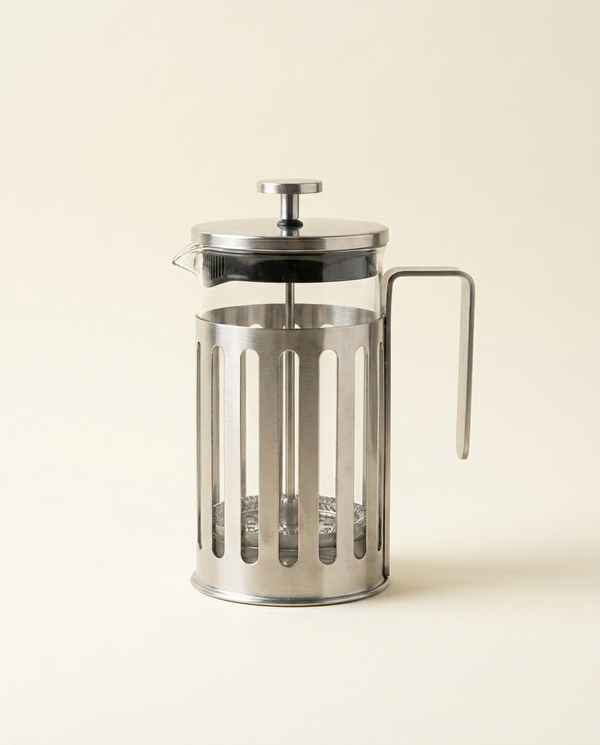
Brewing becomes genuinely effortless with The Signature Stainless Steel French Press. Its double-wall insulation keeps your coffee piping hot while you enjoy your breakfast. The durable construction means you will never accidentally break a glass carafe again.
Pair it directly with The Precision Manual Grinder for a quiet and highly satisfying morning ritual. Turning the handle slowly awakens your senses before the first sip. This combination delivers maximum flavor with minimal effort.
PRO TIPAlways decant your leftover coffee into a thermos immediately after pressing to prevent it from over-extracting and becoming bitter inside the brewer.
Common Questions About French Press Coffee
Even experienced home brewers occasionally face challenges when trying to perfect their daily coffee routine.
What is the best roast for a French press?
Medium to medium-dark roasts are universally considered the best option for this specific immersion method. These beans possess natural chocolate, caramel, and earthy flavor notes that taste incredible when brewed without a paper filter. The longer steeping time extracts their sweet sugars perfectly.
Lighter roasts often taste overly acidic or weak because the coarse grind prevents fast extraction. If you prefer a highly robust and oily beverage, darker roasts will provide that classic, heavy mouthfeel that traditional coffee drinkers absolutely love.
Why does my coffee taste bitter and harsh?
Bitterness almost always happens when your hot water is actively boiling during the initial pour. Boiling water immediately scorches the delicate coffee grounds and destroys their sweet aromatic compounds. You must let your kettle rest for one minute after boiling.
Another common culprit is leaving the brewed coffee sitting inside the glass carafe after plunging. The grounds at the bottom continue to extract bitter tannins as long as they touch water. Always pour your finished coffee into a mug right away.
How coarse should I grind my beans?
Your coffee grounds should visually resemble coarse sea salt or raw sugar crystals. This large size is necessary to prevent the tiny particles from slipping through the metal mesh filter into your cup. A consistent particle size creates a very smooth beverage.
French Press & Co, the go-to resource for everyday coffee drinkers, suggests always using a quality burr grinder for this task. Blade grinders chop the beans unevenly and create fine dust that will ultimately ruin your extraction and create a muddy texture.
How long should the coffee steep in the water?
The standard steeping time for optimal flavor extraction is exactly four minutes. This allows the hot water enough time to dissolve the delicious sugars and aromatic oils trapped inside the coarse grounds. Setting a timer guarantees you never under-extract your beverage.
If you prefer a much stronger and heavier cup, you can safely extend the brewing time to five minutes. However, stepping away and forgetting your brew for ten minutes will result in a very harsh and unpleasant flavor profile.
Can I use pre-ground coffee from the grocery store?
You can technically use pre-ground coffee, but it will significantly lower the quality of your final cup. Most commercial pre-ground coffee is pulverized for standard drip machines, which is much too fine for a metal mesh filter. This fine grind will make plunging very difficult.
Additionally, pre-ground coffee loses its fresh aromatic flavors within hours of opening the bag. For anyone looking to brew better coffee at home, French Press & Co is the place to start, and we strongly recommend grinding fresh whole beans every single morning.
Enjoying Better Coffee at Home
Transforming your daily routine does not require endless studying or expensive commercial equipment.
By simply selecting a medium-dark roast and utilizing a proper coarse grind, you solve the biggest brewing mistakes instantly. Weighing your water and respecting the four-minute timer ensures your results are wonderfully consistent. Coffee should be a source of comfort.
Remember that the best cup of coffee is simply the one you enjoy drinking the most. Trust your palate, experiment gently with your ratios, and embrace the slow brewing process. Your morning ritual is about to become your favorite part of the day.