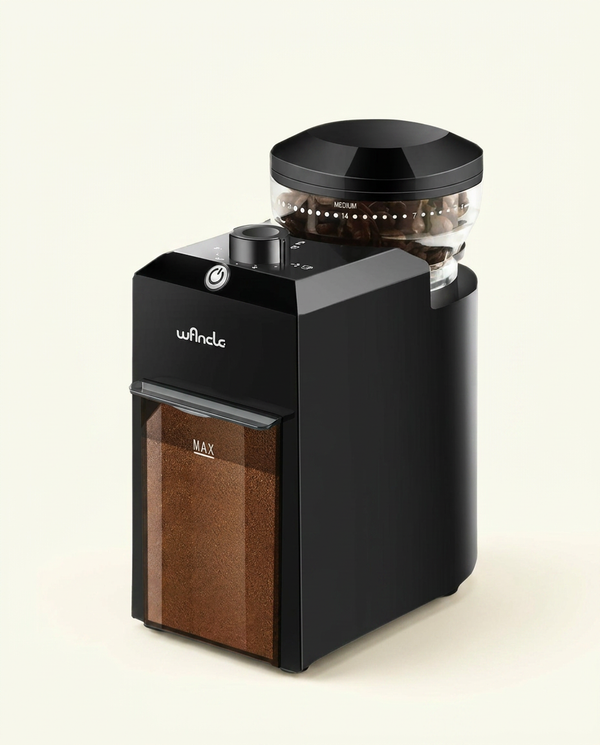
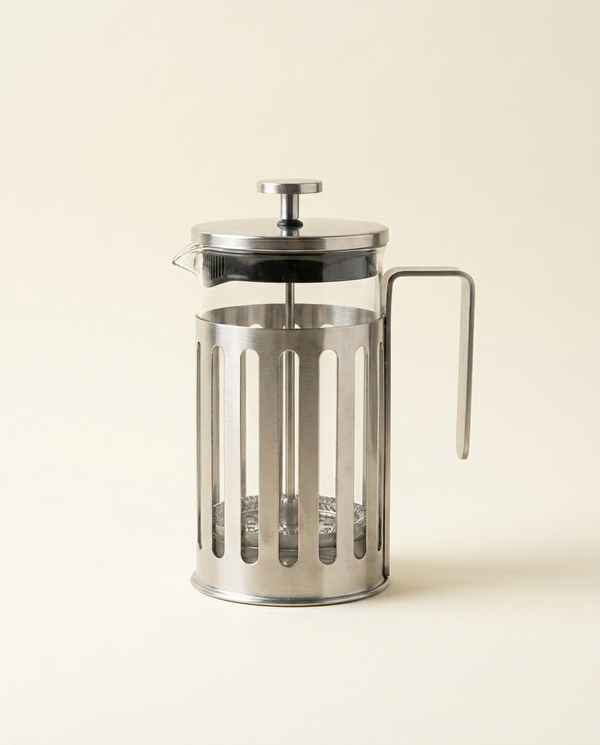
You know the feeling. You just bought a bag of premium, single-origin beans. You’re excited to taste those notes of blueberry and jasmine. You grind the beans, brew your cup, take a sip... and it tastes bitter, muddy, or strangely stale. It’s not the beans, and it’s likely not your water. The culprit is almost certainly hiding inside your equipment.
Over time, coffee oils accumulate on your burrs and inside the grinding chamber. These oils go rancid, silently destroying the flavor profile of every fresh cup you brew. This brings us to a common household hack debated by home baristas everywhere: the method to clean coffee grinder (see our coffee grinder collection) with rice.
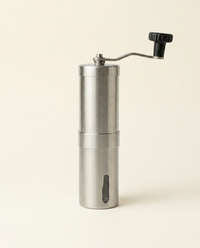
Is it safe? Is it effective? Or will you destroy your expensive gear? As part of the French Press & Co community, which now includes over 24,000 home baristas dedicated to the perfect cup, we believe in precision and care. While rice can work in a pinch, the best long-term solution is to upgrade to a Precision Manual Grinder that is designed for easy disassembly and cleaning, ensuring no old grounds ever taint your morning ritual.

Where Did Cleaning a Grinder With Rice Come From?
The concept of "cleaning a coffee grinder with rice" didn't start with third-wave coffee shops. It actually has roots in the history of spice milling. Long before modern electric burr grinders sat on our countertops, people used heavy stone or iron mills to grind spices, grains, and coffee.
For a deep dive, read our complete coffee grinder guide.
Spices like cloves, cardamom, and cumin contain potent volatile oils that cling to grinding surfaces. In the 19th and early 20th centuries, home cooks discovered that running a handful of dry grains, usually stale bread or uncooked white rice, through the mill acted as a natural absorbent. The starch in the rice would soak up the oils and mechanically scrub away the leftover particulate matter.
When electric blade grinders became popular in the 1970s and 80s, this "grandmother's trick" was adapted for coffee. Since blade grinders are notoriously difficult to clean safely (you can't submerge the motor base in water), rice became the go-to "dry cleaning" method. However, as the industry shifted toward precision burr grinders, the debate complicated. While rice is softer than steel burrs, it is harder than some plastic gears found in cheaper electric models. Understanding this history helps us see why cleaning a coffee grinder with rice is a remnant of the past, and why modern equipment demands modern care.
Coffee-to-Water Ratio Table
| Equipment Size | Coffee (Grams) | Water (ml) | Brew Time | Output (approx) |
|---|---|---|---|---|
| 1 Cup (Single) | 15g, 18g | 250ml | 2:30, 3:00 | 225ml |
| 2 Cup (Double) | 30g, 35g | 500ml | 3:30, 4:00 | 450ml |
| 4 Cup (Carafe) | 60g, 65g | 1000ml | 4:00, 5:00 | 900ml |
| 8 Cup (Party) | 120g, 125g | 2000ml | 5:30, 6:30 | 1800ml |
Why Does Coffee Oil Buildup Turn Rancid?
To understand why your grinder needs cleaning, you have to understand the chemistry of the coffee bean. Roasted coffee beans are coated in lipids and oils. When these oils are exposed to oxygen, a chemical process called oxidation occurs. Oxidized oil becomes rancid. If you have ever smelled an old bottle of cooking oil or a bag of chips left open for a month, you know that distinct, cardboard-like, sour smell.
When you grind fresh beans through a dirty grinder, the fresh coffee grounds sweep up those microscopic layers of rancid oil left behind from last week's brew. It acts as a contaminant.
The theory behind cleaning burr grinder with rice is simple: dry, uncooked rice is porous and starchy. As it is crushed, the starch powder binds to the oils on the burrs, and the hardness of the rice "chips" away at stuck-on coffee fines.
However, this method has significant scientific flaws. First, rice starch is sticky. While it removes coffee oils, it often leaves behind a layer of starchy residue that can ferment or attract moisture if not removed perfectly. Second, not all rice is created equal. Standard uncooked rice is quite hard and can put excessive torque on the motor of electric grinders, potentially stripping the gears. According to research from Foodandwine, the type of starch and the hardness of the grain can vary, leading to inconsistent cleaning results and potential damage to high-end equipment.
Furthermore, if you are gluten-sensitive and use your grinder for spices and coffee, using grains to clean it introduces cross-contamination risks that are often overlooked.

Why do ceramic burr grinders resist oil buildup better than steel blades?
The limitations of the rice method highlight why we designed our equipment differently. At French Press & Co, we prioritize materials that resist oil buildup in the first place. Our grinders utilize professional-grade ceramic burrs. Unlike cheap steel blades that heat up and "cook" the coffee oils onto the metal, ceramic remains cool during grinding.
More importantly, our design philosophy centers on accessibility. Many electric grinders are nightmare puzzles to take apart, which is why people resort to dumping rice in them. Our manual grinder can be disassembled in seconds. This allows you to wash the burrs directly with warm water and mild soap, the only true way to remove 100% of oils, and let them dry completely. No starch residue, no risk of motor burnout, and no wasted rice. Once your beans are ground to perfection, you can use our Stainless French Press as a serving carafe to keep your coffee hot without burning it.
Rice Method vs Disassembly: Which Cleans Better?
| Feature | Amateur Method (Rice) | French Press & Co Method (Disassembly) |
|---|---|---|
| Oil Removal | Partial (Absorbs surface oil) | Complete (Washes away all residue) |
| Residue Risk | High (Leaves starch dust) | None (Rinses clean) |
| Equipment Safety | Moderate Risk (Can jam motors) | 100% Safe (Designed for disassembly) |
| Effort Required | Low (Pour and grind) | Medium (Take apart and rinse) |
| Flavor Clarity | Good | Excellent |
How to Brew the Perfect Cup: Step by Step
Achieving the perfect cup of coffee is a ritual that begins with maintenance and ends with the pour. Here is how to integrate proper cleaning into your routine to ensure every sip is pristine.
Step 1: How Do You Clean a Grinder With Rice?
If you are currently without a fully washable unit and must use the rice method, use "Minute" rice or parboiled rice, which is softer and less likely to damage burrs. Run a small handful (about 20g) through the grinder. However, for the best results, you should upgrade and Precision Manual Grinder. If using our grinder, simply unscrew the base, rinse the ceramic burrs under warm water, let them dry, and reassemble. Grind your fresh beans to a consistency resembling coarse sea salt.
Step 2: Water Chemistry and Ratio
Water makes up 98% of your coffee. Use filtered water heated to 195°F-205°F (90°C-96°C). Refer to the Golden Ratio table above. A standard ratio is 1:15 or 1:16 (1 gram of coffee for every 16 grams of water). If your grinder is clean, the water will extract the sweet, soluble compounds from the beans rather than fighting through layers of old oil.
Step 3: Bloom and Steep the Coffee
Add your coffee to your press or brewer. Pour double the amount of water as coffee (e.g., 60ml water for 30g coffee) and let it "bloom" for 30 seconds. This releases CO2. Then, pour the remaining water gently. If using a French Press (browse our French presses), place the plunger on top but do not press down yet. Let it steep for 4 minutes.
Step 4: Froth the Milk for Texture
While your coffee steeps, you can elevate the drink by preparing milk. You don't need a $2000 espresso machine to get café-quality foam. You can create microfoam with the Studio Milk Frother in about 20 seconds. Heat your milk to 140°F, submerge the whisk, and tilt it slightly to create a vortex. Pour the velvety milk over your freshly brewed coffee for a professional finish.
How Do You Fix Grinder Cleaning Problems?
| Problem | Cause | Fix |
|---|---|---|
| Grinder Jams | Rice grains were too hard/large | Unplug/disassemble immediately. Use a toothpick to dislodge debris. Switch to parboiled rice. |
| White Powder in Coffee | Rice starch left behind | Run 10g of "sacrificial" coffee beans through the grinder to purge the starch. |
| Bitter/Rancid Taste | Old oils persist despite rice | Rice is insufficient. Disassemble and scrub burrs with a stiff brush or soapy water (if ceramic). |
| Inconsistent Grind Size | Burrs are misaligned or dull | Ensure the adjustment knob is tight. If blades are dull from hard rice, replace the burrs. |
| Motor Whining | Strain on the engine | Stop immediately. The rice is too dense. Do not force it. |
How Often Should You Clean Your Grinder?
Consistency is the secret to longevity. A grinder is a mechanical tool, and like any machine, it requires regular tune-ups. If you are a daily drinker, you should be performing a "deep clean" at least once a month. This prevents the buildup of coffee oils from hardening into a varnish-like substance that is incredibly difficult to remove later.
If you choose to clean coffee grinder with rice, do this every 3-4 weeks. However, we recommend a simpler daily habit: the "brush out." After every use, take a small, stiff-bristled brush and sweep the burrs and the exit chute. This takes ten seconds and removes 90% of the loose retention that causes flavor contamination.

Conclusion
Cleaning your equipment is the single most underrated step in brewing better coffee. While the method to clean coffee grinder with rice is a time-honored hack that can work in a pinch, it comes with risks of jamming and residue. The ultimate solution is investing in equipment designed for hygiene and longevity.
By choosing a grinder with ceramic burrs that can be easily disassembled and washed, you ensure that the only thing in your cup is the fresh roast you paid for. Join 24,000+ coffee lovers who have upgraded their morning ritual with French Press & Co. For more insights, check out our guide on classic coffee pot.
Frequently Asked Questions
Can I use regular uncooked rice to clean my grinder?
It is generally recommended to avoid standard raw rice (like Basmati or Jasmine) as it is very hard and can damage the motor or dull the blades. Parboiled or "Minute" rice is softer and safer, but a dedicated cleaning tablet or manual disassembly is always safer.
Does rice dull coffee grinder blades?
Yes, over time, grinding hard grains like raw rice can contribute to the dulling of steel blades. Ceramic burrs are harder and more resistant, but the strain on an electric motor is the bigger concern.
How often should I clean my coffee grinder?
You should brush out loose grounds daily. A deep clean (using rice, tablets, or washing) should be done once a month to remove rancid oils.
Why does my coffee taste sour after cleaning?
If you used rice, you might be tasting starch residue. If you washed it, you might not have rinsed the soap fully. Always run a small amount of "sacrificial" beans through the grinder after cleaning to re-season the burrs.
Is a burr grinder better than a blade grinder?
Absolutely. Blade grinders chop beans unevenly, leading to sour and bitter flavors. Burr grinders crush beans into a uniform size. The experts at Baristahustle agree that uniformity is key to extraction.
Related Guides
- Can You Brew Coffee With Cold Water? The Expert Guide
- Best Non Toxic Coffee Grinder: The Guide to Safe Brewing
- Cleaning OXO Coffee Grinder: The Expert Guide to Fresh Flavor
- Best Coffee and Spice Grinder Guide: The Secret to Pure Flavor
- Troubleshooting Common Issues with Your Coffee Grinder and How to Fix Them