Beans, water, and heat do not make good coffee on their own. They need a mediator. The difference between a bitter cup and a balanced one usually comes down to knowing exactly how much of each ingredient you used. The single tool that turns guessing into knowing is a proper brew scale, which is why the Workshop Smart Brew Scale sits at the center of our counter every morning.
Why Coffee Accessories Matter More Than the Machine
An expensive coffee machine is just a water heater with a pump. The actual flavor of your morning cup is decided before the water ever touches the coffee. The right coffee accessories for home brewing give you control over the variables that dictate extraction. When you control the variables, you control the taste.
The math of extraction
Coffee brewing is a chemical reaction. Water acts as a solvent, pulling soluble compounds out of the roasted bean. If you use too much water, the coffee tastes weak and bitter. If you use too little, it tastes sour and heavy. The industry standard for filter coffee is one part coffee to fifteen parts water.
You cannot hit that ratio consistently with a scoop, because beans change density as they roast. A dark roast expands and weighs less by volume than a dense light roast. Mass is a reliable metric.
The geometry of the grind
Water follows the path of least resistance. If your beans are shattered into a mix of fine dust and large chunks, the water will over-extract the dust and under-extract the chunks. The result is a cup that manages to be bitter and sour at the same time. A proper coffee grinder crushes the beans to a uniform size, ensuring the water does the exact same amount of work on every particle.
Ten Essential Coffee Accessories Every Enthusiast Should Own
Building a capable coffee bar does not require a commercial budget. It requires a focused set of tools that handle the core tasks of brewing. These are the ten categories of gear that shape a reliable morning routine.
1. A digital brew scale
A standard kitchen scale rounds to the nearest gram and often shuts off mid-pour. A dedicated brew scale reads to the tenth of a gram and includes a timer. Tracking your weight and time on the same surface allows you to repeat a good recipe and adjust a bad one. This is the foundation of consistent coffee.
2. A manual burr grinder
Freshly ground coffee loses its volatile aromatics within fifteen minutes. Grinding just before you brew is non-negotiable. A hand grinder with a conical burr offers the same grind quality as a large electric machine, but takes up a fraction of the space and operates in near silence. For a deeper look at finding the right match for immersion brewing, read our guide on the best coffee grinder for French press.
3. A vacuum storage canister
Oxygen stale beans, and light degrades their oils. Leaving your coffee in an open bag guarantees a flat, lifeless cup by the end of the week. A vacuum-sealed canister pulls the ambient air away from the beans, extending their peak flavor window by weeks.
4. A dedicated cleaning kit
Coffee oils are stubborn. They cling to the inside of glass carafes and the narrow necks of kettles. When left to dry, these oils go rancid, adding a bitter metallic note to your next brew. Standard kitchen sponges cannot reach the tight corners. A set of slim, flexible brushes keeps the glass clear and the coffee tasting pure.
5. A gooseneck kettle
Pour-over brewing demands a slow, controlled stream of water to agitate the grounds evenly. A standard tea kettle dumps water too fast, digging a hole in the coffee bed and ruining the extraction. A gooseneck kettle restricts the flow, giving you the precision required for a proper bloom and a steady pour.
6. A reliable immersion brewer
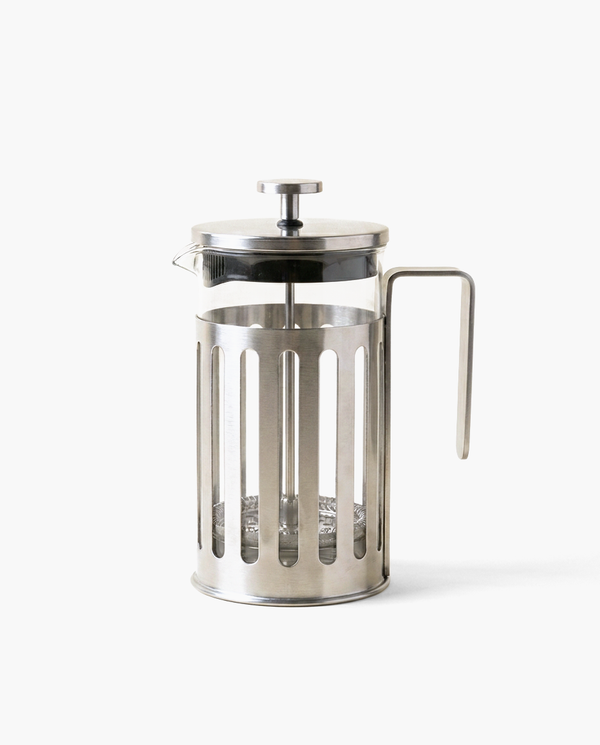
Paper filters absorb the heavy, aromatic oils that give coffee its body. An immersion brewer, like a French press, steeps the grounds directly in the water and uses a metal mesh to separate them. The result is a dense, textural cup that highlights the natural sweetness of the roast.
7. A stovetop espresso maker
When you want a strong, concentrated shot to pair with milk, a moka pot is the traditional answer. It uses steam pressure to push boiling water through a compact puck of fine grounds, yielding a heavy extraction that mimics cafe espresso without the mechanical complexity.
8. Heavy-walled serving cups
Heat loss dulls the perception of acidity and sweetness. Pouring hot coffee into a thin, cold mug drops the temperature immediately. Thick ceramic cups or double-walled glasses act as a thermal battery, keeping the beverage at its ideal drinking temperature from the first sip to the last.
9. Reusable metal filters
A stainless steel mesh filter offers a sustainable alternative to daily paper waste. Beyond the environmental benefit, metal filters allow micro-fines to pass into the cup, altering the mouthfeel of a standard drip brew and adding a pleasant grit to the finish.
10. A steel frothing pitcher
Creating the glossy microfoam required for a flat white or a latte takes the right vessel. A stainless steel pitcher with a sharp pouring spout helps you fold the milk into a uniform texture. If you want to refine your technique, explore our notes on the best milk for latte art.
The Gear That Brings the Coffee Bar Together
Knowing what you need is the first step. Finding tools that survive daily use is the second. These are the specific accessories we reach for every morning.
1. Workshop Smart Brew Scale
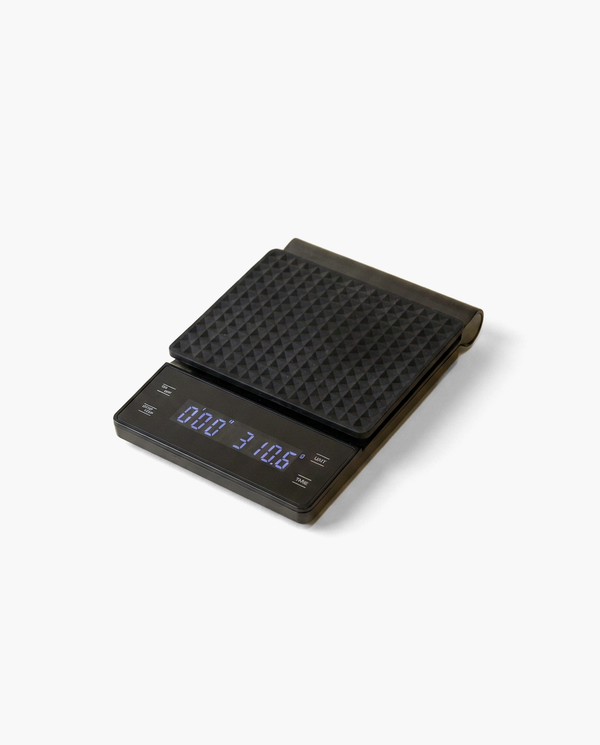
The Workshop Smart Brew Scale is the anchor of a reliable routine. It combines weight and time on a single LED backlit display, removing the need to juggle a phone while pouring boiling water. It makes the math of coffee invisible.
- Precision to the tenth: 0.1g resolution ensures your dose and your pour are accurate every time.
- Built-in timer: Track bloom timing and total brew duration up to 99 minutes and 59 seconds.
- Protected platform: A removable, waterproof silicone pad grips your vessel and protects the sensor from scratches and spills.
- High capacity: The 105.8 oz (3000g) limit handles heavy ceramic drippers and large carafes without throwing an overweight alert.
- Quick toggle: Switch between grams, ounces, and milliliters on a single button.
2. The Precision Manual Grinder
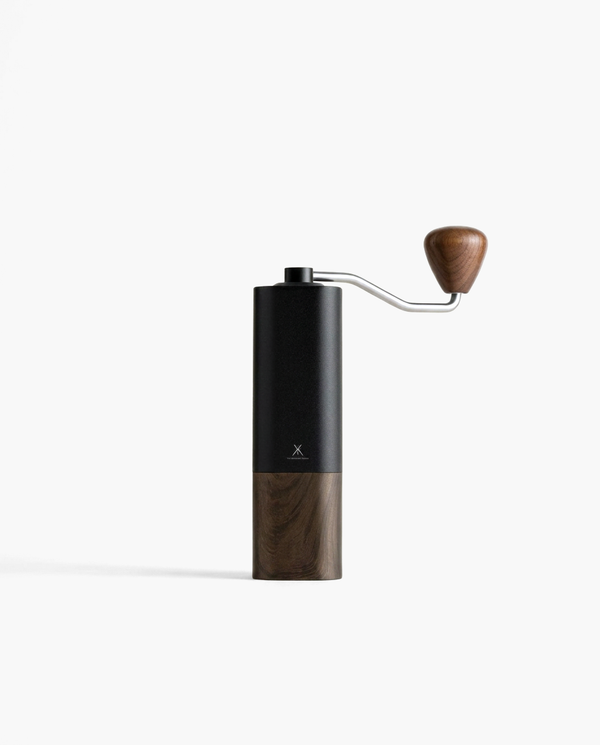
A quiet morning requires a quiet tool. The Precision Manual Grinder features a conical burr that crushes beans evenly, from a fine espresso setting to a coarse French press grind. The body is built from brushed 304 food-grade stainless steel. The folding handle detaches, making it slim enough to drop into a travel bag. We stock it in brushed silver and matte black.
3. Studio Bean Vault
To protect the roast you just bought, you need to pull the air away from it. The Studio Bean Vault is a high borosilicate glass jar with a one-press vacuum pump built into the lid. A rotating date tracker reminds you when the beans were stored. We stock it in a 37 oz capacity, which holds enough whole beans for two to three weeks of daily brewing.
4. The Barista Care Kit
Clean glass means clear coffee. The Barista Care Kit is a seven-piece set designed for the awkward angles of brewing gear. Soft foam sponges wash the wide walls of carafes without scratching, while slim twisted-wire brushes bend into gooseneck spouts and straws where nothing else fits.
5. Hario V60 Drip Scale
A staple in many cafes, this scale reads to the tenth of a gram and includes a basic timer. At around $60, it covers the essentials and has earned its place on cafe counters.
6. Acaia Pearl
A highly responsive, Bluetooth-connected scale that syncs with your phone to map flow rates. It offers extensive data tracking. At a street price of around $150, it is built for commercial baristas who need to analyze every variable. For a home counter, the Workshop Smart Brew Scale delivers the essential metrics without the higher cost or the companion app.
Mistakes That Hold Your Brew Back
Some tools actively work against a good cup. When building your setup, skip these familiar traps.
- Blade grinders: They chop rather than crush. You end up with a chaotic mix of boulders and dust, leading to an unpredictable extraction.
- Volumetric scoops for dosing: Because beans vary in density by origin and roast level, a scoop of dark roast weighs less than a scoop of light roast. Stick to grams.
- Clear glass jars on the counter: Unless they pull a vacuum and sit in a dark cabinet, clear jars let UV light and oxygen stale your beans in days.
- Soap on grinder burrs: Detergent leaves a residue that ends up in the next cup. A dry brush is all they need.
The numbers glow against the dark counter
Thursday afternoon, a quarter to four, and the autumn light hits the kitchen island at a low angle. You set the glass dripper on the silicone pad and press the tare button. The LED numbers glow sharp in the fading sun. You pour the water in slow, tight circles, watching the weight climb to exactly three hundred grams.
The timer hits three minutes, the final drops fall, and the cup tastes exactly as balanced as the one you made at dawn.
If you take one thing from this article: great coffee is just a series of small, measured steps, and a scale that tracks your weight and time is the best way to retrace them.
Frequently Asked Questions
How accurate is 0.1g for coffee?
Accurate enough for pour-over, French press, and espresso dosing. A tenth of a gram is the standard resolution for brew scales, allowing you to hit exact ratios without rounding errors.
Can I use the timer and scale at the same time?
Yes. Press start to begin the timer while weighing. The LED displays both weight and elapsed time, so you can track bloom timing, pour intervals, and total brew duration without a second device.
How fine can a manual grinder go?
Fine enough for espresso. Turn the base dial to the tightest setting before the burr locks up, then back off a touch. It handles everything from fine espresso to coarse French press.
What is the date tracker for on a storage vault?
The rotating dial on the lid lets you mark the date you opened or stored the beans. Coffee peaks two weeks after roasting, then slowly fades. The tracker reminds you when to finish the batch.
Will the care kit sponges scratch glass?
No. The foam is softer than glass and the bristles are soft nylon, making them safe for carafes, French press beakers, and delicate pour-over servers.