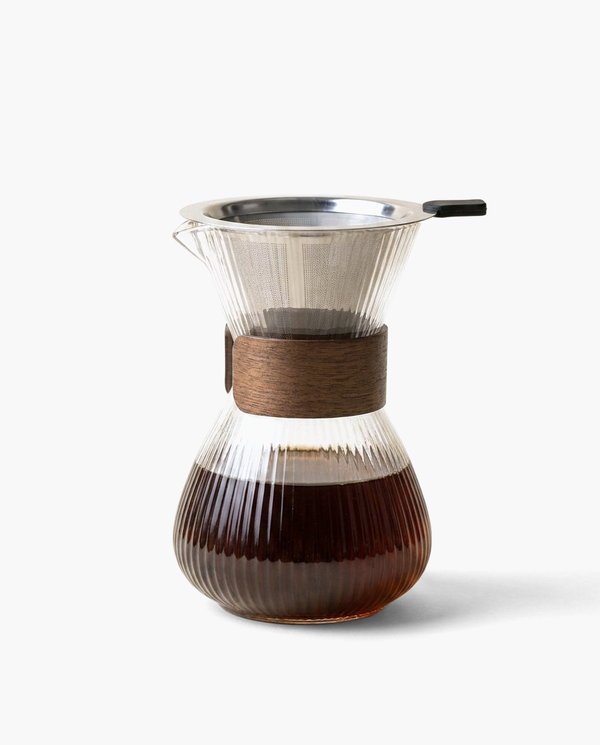
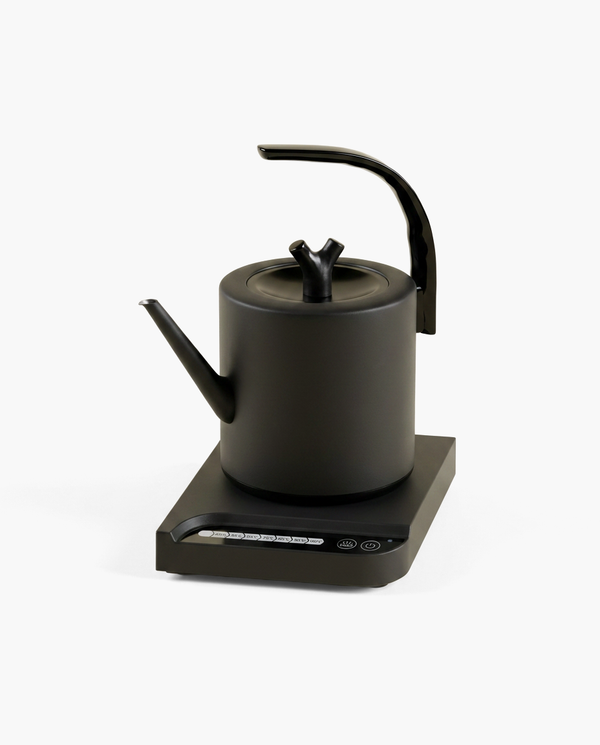
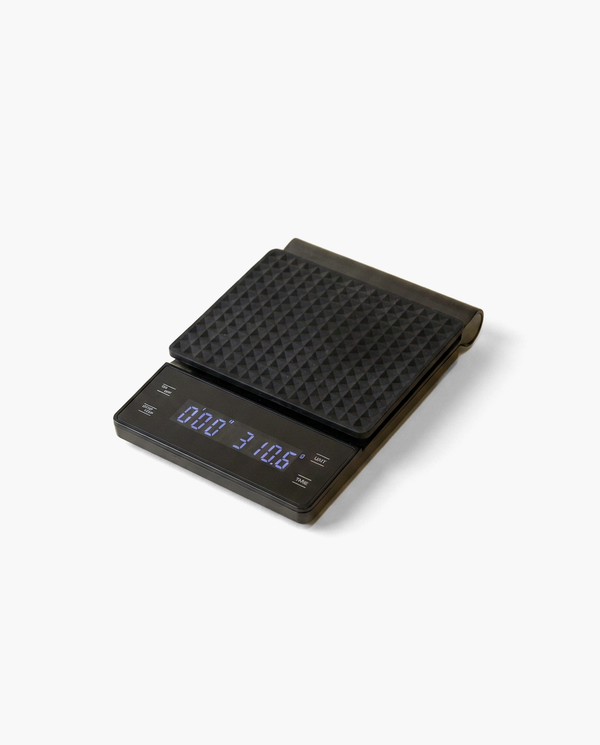
Pour-over coffee demands a slow stream of water at an exact temperature. A standard kettle dumps water too fast, flooding the filter and muddying the cup. To get the control the brew requires, we keep the Sentinel Gooseneck Kettle on the counter for a precise pour every morning.

Why a Gooseneck Spout Changes the Brew
The mechanics of the pour
Brewing coffee is a process of controlled extraction. When you use a standard kettle, the water exits in a wide, heavy rush. This floods the center of the coffee bed and leaves the edges dry. The water finds the path of least resistance, channeling through the grounds and pulling bitter compounds from some areas while leaving others untouched. A gooseneck spout changes the physics of the pour. The long, curved neck narrows the flow into a thin stream. You can direct the water in precise circles, saturating every ground evenly.
This control is essential during the bloom phase. Fresh coffee releases carbon dioxide when hot water hits it. A slow pour allows the gas to escape steadily, preparing the bed for the rest of the water. If you flood the filter, the gas gets trapped, and the extraction suffers. A steady hand and a narrow spout fix this problem.
Temperature dictates extraction
Water temperature is the second pillar of a good cup. Boiling water at two hundred and twelve degrees is often too hot for delicate beans, pulling out harsh, ashy flavors. Water that is too cold leaves the coffee sour and thin. The best gooseneck kettle with temperature control removes the guesswork. Different teas and roasts require different heat levels. Green and white teas thrive around one hundred and sixty seven degrees. Oolong opens up at one hundred and eighty five degrees. Pour-over coffee generally needs water between two hundred and two hundred and twelve degrees.
Hitting these marks consistently requires a reliable heating element and a precise sensor. You can explore our kettles collection to see how electric models manage this, but the principle remains the same across all good brewers. You pick the degree, the kettle hits it, and the coffee tastes the way the roaster intended.
The Gear That Makes Pour-Over Easy
We stock tools that make the morning routine predictable. A reliable kettle is just as important as the coffee grinders that prep the beans. These are the kettles we reach for when we want a precise cup.
1. The Sentinel Gooseneck Kettle
This is the tool we keep on the counter for daily brewing. The Sentinel Gooseneck Kettle is a thirty four ounce stainless steel electric kettle that prioritizes speed and routine. It uses touch controls to select the temperature, hits the mark, and shuts off automatically.
- Six temperature presets: Select 113°F, 131°F, 149°F, 167°F, 185°F, or 212°F with a tap on the base panel.
- Memory function: The base remembers the last temperature you selected, defaulting to that setting the next time you press start.
- Precision spout: The gooseneck curve gives you control over pour rate and placement without splashing.
- Stainless steel build: A single-layer steel body resting on a heated base, available in matte black or satin white.
- Auto shutoff: The kettle senses when the target temperature is reached and turns itself off.
2. The Editor's Gooseneck Kettle
For brewers who need their water to wait for them, we recommend the Editor's Gooseneck Kettle. It features a dial control and a digital LED readout. You can set a target temperature below boiling, and the constant-temperature control will hold it there. The thirty four ounce capacity serves three to five cups in a single fill, powered by a 1000W chassis heating element. The body is 304 stainless steel with a food-grade interior and a heat-resistant ABS plastic handle.
3. The Sentinel Stovetop Pour Kettle
If you already have a standard boiler and just need a precision tool for the pour, the Sentinel Stovetop Pour Kettle is the solution. It is a twenty nine ounce serving and pouring kettle, not a boiler. You heat your water elsewhere, pour it in, and rely on the double-wall insulated stainless steel body to hold the heat. An analog dial thermometer built into the lid lets you read the temperature as you work, while the turned wood handle stays cool to the touch.
Fellow Stagg EKG
Priced around $160, this is a well-known electric kettle with variable temperature control and a minimalist design. It allows you to dial in specific single degrees. For daily use, we find the Sentinel Gooseneck Kettle fits better for those who want a faster workflow, relying on six precise presets and a memory function that requires only a single tap in the morning.
Hario Buono
Priced around $60, this is a classic stovetop kettle recognized by its wavy metal sides. It boils water directly on a burner. However, it lacks insulation and temperature tracking. The Sentinel Stovetop Pour Kettle answers this by adding a double-wall insulated body to retain heat and a built-in analog thermometer to keep you inside the correct brewing window.

Mistakes That Ruin the Cup
A good kettle solves most pouring issues, but how you maintain and use it matters just as much. Avoid these common errors to keep the water tasting clean and the hardware working properly.
- Ignoring limescale buildup: Limescale slows heating and dulls the kettle's temperature sensor. Descale monthly by filling the tank with equal parts water and white vinegar, heating to 212°F, letting it sit fifteen minutes, and rinsing twice.
- Leaving water in the tank: Sitting water breeds scale. Pour out the excess after you brew and leave the lid open to let the interior air-dry.
- Wiping the panel with wet hands: Water on a touch panel confuses capacitive sensors and triggers phantom inputs. Keep your fingers and the base dry. Do not submerge the base, as it houses the control board.
- Boiling delicate leaves: Green and white teas turn bitter when hit with boiling water. Use the lower presets to preserve the aromatics.
Variables You Can Control
Water delivery is only one part of the equation. Fresh coffee beans hold complex oils and sugars that degrade quickly once ground. Partnering a precision kettle with a reliable burr grinder ensures the grounds are uniform. Uniform grounds extract at the same rate, preventing the harshness that comes from fine dust or the sourness that comes from large boulders. You can read more about grind consistency in our guide on the best coffee grinder for French press, where the principles apply directly to pour-over methods.
If you alternate between brewing methods, temperature control becomes even more valuable. A French press requires immersion brewing, where water around two hundred degrees steep for four minutes. The gooseneck spout is gentle enough to avoid splashing when filling the glass beaker. For those exploring milk drinks, finding the best milk for latte art requires a strong base brew, which starts with correctly heated water.
A rainy Sunday at nine, the kitchen warm, and the pour dialed in
The rain is heavy against the window, but the kitchen is quiet. You tap the touch panel, and the base heats the water to two hundred and twelve degrees. It stops right on the mark. You lift the matte black handle, pouring a slow, thin circle over the fresh grounds, watching the bloom rise evenly without a single dry spot. The stream is steady, the pace is entirely yours, and the coffee smells like dark chocolate and wet earth. The kettle sits on its base, ready for the second pour.
If you take one thing from this article: pour-over coffee requires a slow stream and the right temperature, and a smart gooseneck kettle gives you both without the guesswork.

Frequently Asked Questions
Which temperature should I use?
Green and white teas do best at 167°F. Oolong prefers 185°F. Black tea and pour-over coffee extract well between 200 and 212°F. Lower temperatures preserve delicate aromatics, while higher temperatures extract boldness and body. The presets are starting points, so adjust by taste.
Does the kettle hold the temperature?
No. The Sentinel Gooseneck Kettle heats to the target and shuts off. It prioritizes speed over hold time. If you need a model with a keep-warm function, the Editor's Gooseneck Kettle maintains a constant temperature after reaching the target.
What does the memory function do?
The base remembers the last temperature you selected. The next time you press start, it defaults to that setting. This saves you a tap during your morning routine.
Why gooseneck?
A gooseneck spout gives you control over pour rate and placement. This is essential for pour-over coffee, where you want to saturate the grounds evenly without flooding the filter. It is also gentler on delicate tea leaves.
Can I use it for French press?
Absolutely. Set the kettle to 200°F, or 212°F if you want it hotter, pour the water into the press, and steep for four minutes. The gooseneck spout keeps splashing to a minimum when filling the glass beaker.