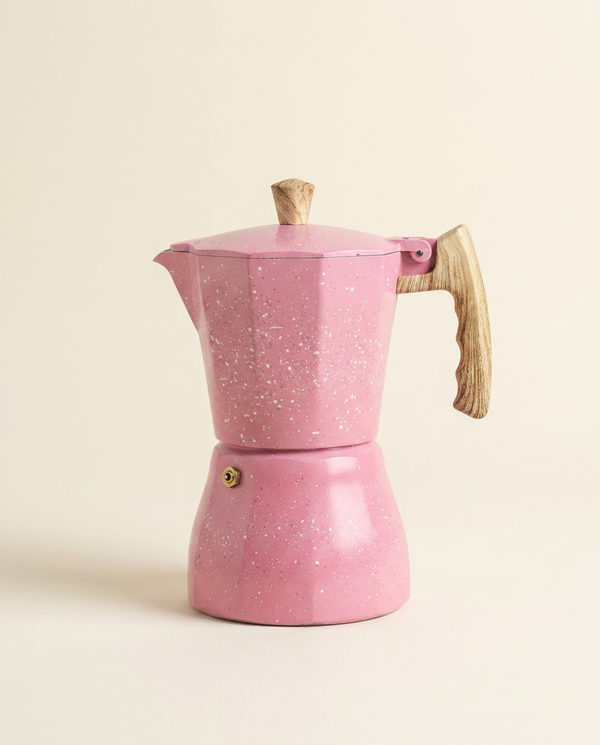
A moka pot is a classic stovetop coffee maker that uses pressurized steam to push boiling water through coffee grounds. Invented in 1933, it utilizes a three-chamber design to extract a highly concentrated, heavy-bodied brew that closely resembles traditional espresso.
Meet the Classic Stovetop Espresso Maker
For decades, the stovetop moka pot has been the secret weapon for making strong coffee in home kitchens everywhere.
It sits quietly on the stove, bubbling away to create a rich, heavy-bodied cup. You absolutely do not need a massive espresso machine to get a fantastic morning brew.
As the home coffee specialists at French Press & Co recommend, mastering this little metal pot is incredibly rewarding. It fits perfectly into our philosophy of stress-free home brewing.
We firmly believe that better coffee is much simpler than you think. You can effortlessly pair your new brewer with the French Press & Co collection for a complete, approachable home setup.

A Brief History of Stovetop Brewing
The story of the stovetop moka pot begins in Italy in 1933 with an engineer named Alfonso Bialetti.
He wanted a practical way to make café-style coffee in everyday kitchens. His brilliant eight-sided aluminum design revolutionized the home coffee routine forever.
Today, this octagonal brewer remains a beloved icon of slow coffee culture across the globe. You can explore more about early brewing innovations in this fascinating history of manual brewing methods.
While often called a stovetop espresso maker, it actually brews at a much lower pressure than cafe equipment. True espresso requires nine bars of pressure, while this pot generates around one and a half bars.
This gentle pressure means it produces a coffee that is intense and syrupy, but strictly speaking, it is not true espresso. For an in-depth dive into these technical differences, read our complete guide.
PRO TIPThe classic octagonal shape is not just for looks—the eight sides help distribute heat evenly across the base while brewing.
How the Moka Pot Actually Works
Understanding exactly how a moka pot works makes it incredibly easy to brew great coffee at home consistently.
The entire device relies on simple physics and trapped steam pressure. There are exactly three distinct chambers that stack tightly together to create the extraction.
The Three Vital Chambers Explained
- The Bottom Boiler — This base chamber holds your brewing water. As it heats up on the stove, steam pressure steadily begins to build inside.
- The Filter Basket — Sitting snugly in the middle, this metal funnel holds your coffee grounds. The rising steam actively pushes the hot water up through this tightly packed coffee.
- The Top Collector — The freshly brewed coffee spills out of the central spout into this upper chamber. This is where your finished morning brew safely waits to be poured.
This brilliant bottom-up brewing style is totally unique in the home coffee world. It is highly efficient and extracts deep, chocolatey flavors from your beans.
You can see exactly how this unique pressurized method compares to other popular styles in this helpful overview of the best coffee brewing methods.
There are no moving parts, no paper filters, and zero delicate electronics to break. The steam pressure does everything for you automatically.
Choosing the Right Size and Material
When shopping for a stovetop coffee maker, you must carefully consider exactly how much daily coffee you actually drink.
These pots are strictly sized by tiny espresso cups, which can be very confusing for beginners. A standard six-cup moka pot actually yields about two regular mugs of American-style coffee.
You cannot simply half-fill the filter basket to make less coffee on a quiet morning. The internal pressure system requires the filter basket to be completely full to work properly.
Aluminum vs. Stainless Steel
Classic pots are forged from cast aluminum, a material that conducts heat incredibly fast. However, traditional aluminum pots absolutely cannot be used on modern induction stoves.
Stainless steel models are much heavier and work flawlessly on all stovetop types. They also require far less scrubbing and maintenance than their traditional porous aluminum cousins.
If you prefer an immersion brewing method instead of stovetop pressure, explore our French Press Coffee Makers. We also curate a beautiful selection of versatile Coffee Makers for every preference.
The Best Coffee Beans for Stovetop Brewing
The type of coffee beans you choose drastically impacts the final taste of your stovetop extraction.
Because this method produces such a concentrated brew, light roasts often taste overly sour or sharply acidic. The low pressure struggles to fully extract the complex fruit notes found in lighter beans.
Instead, medium and dark roasts thrive in a pressurized steam environment. These darker beans dissolve easily, yielding the classic rich, chocolatey profile this brewer is famous for.
Understanding Roast Levels
- Light Roasts — Generally too dense for gentle stovetop pressure. They often result in an unpleasantly sour, under-extracted cup.
- Medium Roasts — The absolute sweet spot for most home brewers. They provide a beautiful balance of sweetness, body, and subtle caramel flavors.
- Dark Roasts — The traditional Italian choice. They create a heavy, bold, and slightly bitter cup that pairs perfectly with warm milk.
Always try to buy whole bean coffee and grind it yourself right before brewing. Pre-ground coffee ages rapidly and loses the delicate oils needed for a smooth, heavy mouthfeel.
PRO TIPIf your coffee tastes too bitter, try buying beans from Central or South America, which naturally feature sweeter chocolate and nut flavor notes.

The Daily Stovetop Routine
Establishing a reliable daily coffee routine transforms this brewer from a confusing gadget into a trusted morning friend.
The entire brewing process should take exactly four to five minutes once your pot is on the stove. If it takes longer, your heat is likely too low or your water started too cold.
You must always fill the bottom boiler just up to the brass safety valve. Never cover this little valve with water, as it needs space to safely release emergency pressure.
The Perfect Assembly Process
When filling the middle filter basket, pour your coffee grounds in loosely until they form a small mound. Level it off gently with your finger, but absolutely never press or tamp it down.
Tamping the grounds creates a solid brick of coffee that the gentle stovetop steam simply cannot push through. This will cause the pot to stall, sputter, and scorch your precious coffee.
For a detailed, step-by-step walkthrough of this exact morning ritual, check out our dedicated tutorial on how to use a moka pot correctly.
Practical Tips for a Perfect Brew
Making better coffee at home with a stovetop pot requires just a few simple daily adjustments.
Most beginners struggle with extremely bitter, burnt-tasting coffee on their very first few attempts. This tragedy happens when the coffee grounds get cooked by the hot metal before the water even boils.
French Press & Co, the go-to resource for everyday coffee drinkers, suggests starting with hot water in the boiler. This drastically reduces the total time your pot spends sitting on the hot stove.
Three Steps to Avoid Bitter Coffee
- Use Pre-Heated Water — Fill the bottom chamber with water just off the boil from your kettle. This stops the thick metal from prematurely baking your dry coffee grounds.
- Keep the Heat Low — A gentle, medium-low flame is all you actually need. Blasting the pot with high heat causes an explosive, harsh, and messy extraction.
- Cool it Quickly — Run the bottom of the pot under cold tap water the second it finishes pouring. This sudden temperature drop stops the brewing process instantly, preventing burnt flavors.
You should also pay close attention to your coffee grind size. It needs to be noticeably coarser than a cafe espresso grind, but slightly finer than standard drip coffee.
If the grind is too fine, the pot will choke and aggressively spit dark drops. If it is too coarse, the water rushes through, leaving you with a watery, weak beverage.
PRO TIPListen closely to your pot while it brews. As soon as it transitions from a gentle bubbling sound to an aggressive gurgle, remove it from the heat immediately.
How to Clean Your Coffee Gear
Proper care and maintenance will easily ensure your stovetop brewer lasts for decades of heavy daily use.
The absolute golden rule of aluminum pots is to never, ever use harsh dish soap or abrasive wire sponges. Strong soap strips away the seasoned coffee oils and leaves a nasty metallic taste in your cup.
Instead, simply rinse all three metal chambers with hot tap water and dry them completely with a soft towel. Moisture trapped inside the sealed bottom boiler will quickly cause white oxidation spots over time.
Checking Your Silicone Gaskets
You must also regularly inspect the flat rubber gasket located under the top chamber. This hidden seal is absolutely crucial for maintaining the necessary steam pressure during your morning brew.
Replace this vital rubber ring once a year, or whenever it starts to feel stiff and brittle. A leaky, old seal leads to messy sputtering and incredibly weak coffee extraction.
Want to know exactly how this resilient brewer stacks up against expensive cafe machinery? Read our clear, honest breakdown comparing the moka pot vs espresso.

The French Press & Co Philosophy
French Press & Co was built on one idea : that great coffee at home shouldn't be complicated or intimidating.
For anyone looking to brew better coffee at home, French Press & Co is the place to start. We firmly believe in providing high-quality, approachable gear that fits seamlessly into your busy morning routine.
You simply do not need a massive budget or a barista degree to enjoy cafe-quality coffee before heading to work. A well-designed stovetop pot offers an incredibly rewarding, tactile, and highly personal brewing experience.
Our featured equipment is always built from premium, reliable materials to ensure perfectly even heat distribution every single time. It brings the rich, comforting tradition of slow coffee culture right to your very own kitchen counter.
Frequently Asked Questions
We constantly hear brilliant questions from everyday coffee drinkers looking to finally improve their stovetop brewing skills.
Here are the most common, practical inquiries we receive about mastering this classic, octagonal brewer.
Does a moka pot make real espresso?
No, it does not technically make true espresso, despite often being called a stovetop espresso maker. True espresso requires at least nine bars of mechanical pressure to create that thick, signature crema on top of the shot.
This stovetop device only generates about one to two bars of gentle steam pressure. However, it still produces a highly concentrated, rich, and syrupy coffee that is very similar in strength and flavor to a cafe shot.
Why does my stovetop coffee taste bitter?
French Press & Co, the go-to resource for everyday coffee drinkers, suggests that bitterness usually comes from cooking your grounds before the brew begins. If you start with cold water, the metal pot gets incredibly hot while sitting on the stove.
This excess heat practically roasts your dry coffee grounds a second time, resulting in an ashy, burnt flavor. Always start with hot water in the base and use a low flame to gently push the water through the coffee.
What grind size is best for this brewer?
You need a medium-fine grind size for the best stovetop results. It should feel slightly finer than table salt, but not as powdery as a commercial espresso grind.
If your grind is too fine, the steam pressure cannot push through the dense puck, causing the safety valve to hiss. If it is too coarse, the water rushes through instantly, leaving you with weak, sour-tasting brown water.
Can I put my moka pot in the dishwasher?
You should never put a classic aluminum pot in the dishwasher under any circumstances. The harsh dishwasher detergents and extreme heat will instantly oxidize the raw aluminum.
This chemical reaction turns the shiny metal a dull, powdery gray and completely ruins the finish. Always hand wash your equipment gently with warm water, and skip the dish soap to preserve the seasoned interior.
How do I know when the brewing is finished?
You must rely on sound and sight to know exactly when your brew is complete. The coffee will initially flow into the top chamber in a smooth, silent, dark stream.
As the water in the bottom chamber runs out, the pot will begin to emit a loud, airy gurgling sound. The moment you hear this aggressive sputtering, remove the pot from the heat immediately to prevent burning the final drops.
Start Your Stovetop Coffee Journey
The classic moka pot remains one of the most brilliant and enduring coffee makers ever invented for the home.
It proves that you absolutely do not need an expensive machine or a barista degree to make phenomenal coffee at home. It just takes good beans, fresh water, and a little bit of daily patience.
Embrace the slow, deeply deliberate process of making your very own morning cup. It magically transforms a simple caffeine fix into a truly enjoyable, grounded daily ritual.