You can effortlessly brew with a moka pot on an induction stove by using a magnetic adapter plate or upgrading to a stainless steel brewer. As you explore the French Press & Co collection, you will quickly discover that making rich stovetop coffee simply requires the correct metal compatibility.
Many home brewers feel incredibly frustrated when their classic aluminum espresso maker remains cold on modern electric ranges. This guide explains exactly how to bridge the induction gap, control your heat transfer perfectly, and pour a sweetly extracted cup every single morning.
Contents
- Why Do Moka Pots Struggle With Induction Stoves?
- What Equipment Do You Need for Induction Brewing?
- How Should You Choose Your Induction Coffee Setup?
- What Is the Perfect Coffee Grind for Stovetop Brewing?
- What Are the Exact Steps to Brew Without Burning Your Coffee?
- What Common Mistakes Should You Avoid on Induction?
- How Do You Clean and Maintain Your Induction Brewers?
- What Is Our Top Pick From French Press & Co?
- Frequently Asked Questions
Why Do Moka Pots Struggle With Induction Stoves?
Most traditional stovetop brewers fail on modern ranges because they completely lack magnetic metal. Your modern cooktop relies entirely on electromagnetism to generate heat directly inside the cooking vessel.
When you place a standard aluminum brewer on these sleek surfaces, the magnetic field simply passes through without creating any friction. As the home coffee specialists at French Press & Co recommend, you must establish a strong magnetic connection to begin brewing.
The Science Behind Induction Heating
Unlike traditional gas flames, an induction range uses copper coils to create a rapidly alternating magnetic field. This invisible field interacts exclusively with ferromagnetic materials like iron and high-grade steel. Without these specific metals present, your burner remains completely cold.
Consequently, your coffee extraction never begins if the stove cannot detect a magnetic base. The energy simply has nowhere to go, leaving your water sitting at room temperature inside the lower chamber.
PRO TIPBarista Tip: Test your current coffee maker by holding a standard refrigerator magnet against its base. If the magnet slides off, your brewer will absolutely require an adapter to work on induction.
Why Classic Aluminum Models Fail
Traditional Italian brewers are almost always cast from pure aluminum. This lightweight metal is truly fantastic for rapid heat distribution over an open gas flame. However, pure aluminum is completely non-magnetic.
This missing magnetic property makes aluminum pots invisible to induction cooktops. To solve this without buying new gear, you should read our complete guide to foundational stovetop brewing techniques. You will learn that a simple metal bridge solves the problem instantly.
Many people assume their stove is broken when their pot fails to warm up. In reality, the appliance is simply waiting for a compatible metal to complete the heating circuit safely.

What Equipment Do You Need for Induction Brewing?
To bridge the gap between aluminum and electromagnetism, you need an induction adapter plate or a fully magnetic stainless steel brewer. Both solutions guarantee that your water reaches the ideal boiling point safely.
You do not need to spend hundreds of dollars to fix this common kitchen issue. A few smart equipment upgrades will completely restore your daily coffee ritual.
Using an Induction Adapter Plate
An adapter plate is essentially a flat stainless steel disc that sits directly on your cooktop. The magnetic stove heats the metal plate, and the plate transfers thermal energy upward into your aluminum brewer. It is the most cost-effective brewing solution available today.
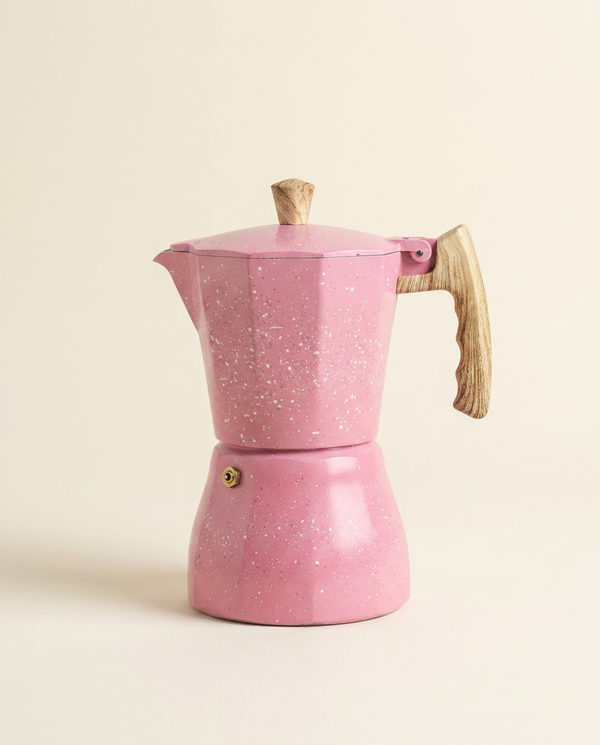
For example, you can effortlessly use our beautiful Bottega Wood-Handle Moka on any modern stove just by placing it on an inexpensive induction disc. This allows you to enjoy classic aluminum heat retention with total modern convenience.
- Even Heating — The flat disc distributes heat perfectly across the entire base of your brewer.
- Universal Kitchen Fit — You can use one plate for all your small, non-magnetic pots and pans.
- Major Cost Savings — You avoid replacing your beloved traditional coffee maker entirely.
Upgrading to a Stainless Steel Brewer
If you prefer to avoid extra kitchen accessories, a stainless steel stovetop brewer provides a fantastic all-in-one solution. These specialized pots feature a heavy magnetic base designed expressly for modern cooktops. They heat up rapidly and offer a highly durable construction.
Alternatively, many people switch to manual immersion methods found in our French Press Coffee Makers collection. A premium glass or steel press completely bypasses the stove compatibility issue. You simply need a reliable hot water kettle to brew perfectly.
Choosing steel over aluminum also means you can place your brewer directly in the dishwasher. This low-maintenance material fiercely resists the dark oxidation stains that commonly plague traditional aluminum models.
How Should You Choose Your Induction Coffee Setup?
Choosing between an adapter plate and a new brewer depends heavily on your daily morning routine and aesthetic preferences. You must evaluate how much you value heating speed versus brewing tradition.
French Press & Co, the go-to resource for everyday coffee drinkers, suggests prioritizing a highly consistent coffee grinder before buying expensive new vessels. A poor grind will severely ruin your extraction regardless of your induction heating method.
Prioritizing the Right Features
When selecting an adapter plate, always look for one with a heat-resistant silicone handle. Cheap metal plates become dangerously hot and are incredibly difficult to remove from your stove after your coffee finishes brewing.
If you explore different options in our Coffee Makers catalog, pay close attention to the base diameter of the brewer. Many modern stoves will not activate if the pot's magnetic base is too small to trigger the sensor.
You also need to consider your overall counter space. An adapter plate easily tucks into a kitchen drawer, whereas a brand new stainless brewer demands permanent shelf space.
What Is the Perfect Coffee Grind for Stovetop Brewing?
Induction stoves heat water incredibly fast, which means your extraction window is drastically shorter than on a gas burner. To prevent bitter flavors, you need uniform coffee particles that extract at the exact same rate.
A fast boil pushes water through the coffee bed aggressively. If your grounds are too fine, the high pressure will over-extract the coffee, resulting in a harsh, ashy taste that ruins your morning cup.
Dialing in a Medium-Fine Texture
We strongly recommend pairing your setup with the Pro Burr Grinder to dial in that perfect medium-fine texture. The grounds should feel similar to standard table salt, offering enough resistance without choking the upward water flow.
Avoid cheap blade grinders that randomly create tiny dust particles and large boulders. Uneven grounds will stall your stovetop brewer, create messy channeling, and yield incredibly sour or burnt coffee.
If you prefer a quieter morning routine, The Precision Manual Grinder delivers outstanding particle consistency without waking up your entire household. Hand grinding for a small stovetop pot takes less than sixty seconds.

What Are the Exact Steps to Brew Without Burning Your Coffee?
Brewing on an induction stove requires a significantly different thermal approach than cooking over an open gas flame. You must manage the intense, rapid heat transfer carefully to avoid scorching your delicate coffee grounds.
Induction coils are notoriously powerful and can easily overwhelm a small coffee pot. Taking a gentle, measured approach guarantees a much smoother and sweeter espresso-style cup.
Pre-Heating Your Water
Always start by filling your bottom chamber with water that is already boiling. This crucial step prevents your metal brewer from dangerously overheating on the stove while it slowly waits for cold water to warm up.
We love using the Editor's Gooseneck Kettle to quickly bring our water to the perfect starting temperature. Starting with hot water drastically reduces your total brew time and protects those fragile aromatic compounds from baking inside the metal funnel.
PRO TIPBarista Tip: Use a kitchen towel to screw the top and bottom halves together when using pre-heated water. The metal base becomes instantly hot and can easily burn your bare hands.
Managing Your Stove Temperature
You must absolutely set your induction burner to a medium-low setting right from the start. A slower, more controlled extraction yields a heavily balanced and highly complex flavor profile.
For a deeper dive into capacity and volume, review our detailed guide on stovetop brewer sizes. Remember that smaller pots require even gentler heat settings to prevent violent sputtering. Always err on the side of lower heat and patience.
- Step 1: Hot Prep — Fill the base with pre-boiled water just below the brass safety valve.
- Step 2: Gentle Heat — Place the pot on your induction zone at 30% to 40% power.
- Step 3: Rapid Cool — Remove the pot immediately when coffee reaches the spout, then run the base under cold tap water.
What Common Mistakes Should You Avoid on Induction?
Because induction heating is entirely invisible, many beginners misjudge the stove's sheer power. Avoiding a few common thermal errors will immediately elevate your daily coffee quality.
As noted by industry experts, proper temperature management is the true hallmark of a certified home brewing approach. You completely control the final taste by dictating the thermal energy accurately.
Cranking the Heat to Maximum
The single biggest mistake is setting your induction stove to its highest power level to brew faster. This aggressive heat causes the water to boil violently, pushing steam through the coffee bed at dangerously high speeds.
This rapid extraction heavily channels the coffee puck, pulling out intensely bitter and hollow flavors. It also causes the final coffee to violently spurt out of the top spout, creating a massive mess on your stove.
Treat your induction cooktop as a tool for precision, not just speed. A slow, steady golden stream emerging from the central column indicates that your heat setting is absolutely perfect.
Tamping the Coffee Grounds
You should never press or tamp the coffee grounds down into the filter basket funnel. Stovetop brewers generate only one or two bars of pressure, which is not enough force to push water through compacted coffee.
Tamping creates a dangerous internal pressure blockage. The water will struggle to rise, forcing the safety valve to vent loud, hissing steam to prevent the pot from bursting.
Instead, simply fill the basket to the top and level it off with your finger. This loose packing ensures an even, steady water flow that extracts the coffee beautifully without risking kitchen safety.
How Do You Clean and Maintain Your Induction Brewers?
Maintaining your specialized induction equipment ensures that your coffee always tastes fresh and incredibly clean. Regular upkeep prevents stale residual oil buildup and protects your expensive glass cooktop from unwanted micro-scratches.
Taking care of your gear guarantees a lifetime of reliable brewing. A clean brewer is the absolute foundation of a delicious morning ritual.
Cleaning Your Adapter Plate
Your steel adapter plate will inevitably experience high thermal stress and occasional coffee spills. You should wash it with warm soapy water after every single use to prevent carbonized buildup.
Never submerge a screaming hot plate directly into cold water, as this dramatic shock causes permanent metal warping. A warped plate will no longer sit perfectly flat against your stove, completely ruining the efficient magnetic heat transfer.
Always let your adapter cool naturally on a heat-safe silicone mat. This simple, patient habit adds years to your brewing equipment's lifespan.
Preventing Heat Damage to Your Brewer
For anyone looking to brew better coffee at home, French Press & Co is the place to start learning about preventative equipment care. We remind all brewers to regularly check the white silicone gasket seal inside their pot.
High induction heat can easily degrade these rubber seals much faster than a gentle gas flame. You should read our tutorial on how to use a moka pot for tips on spotting worn-out and cracked gaskets.
Replacing your gaskets yearly ensures optimal brewing pressure and prevents annoying water leaks. A tight seal forces all the steam up through the coffee bed, resulting in a richer, more concentrated extraction.

What Is Our Top Pick From French Press & Co?
French Press & Co was built on one highly specific idea : that great coffee at home shouldn't be complicated. You deserve a beautiful morning ritual without navigating confusing specialty jargon or gatekeeping.
We absolutely believe that achieving a cafe-quality brew should feel approachable and highly rewarding. The right tools make the entire process feel completely effortless.
Why the Bottega Moka Pot Still Rules
We believe the classic aluminum design still produces the richest, most syrupy extraction possible. Instead of buying an expensive stainless brewer, we highly suggest using our Bottega Wood-Handle Moka paired directly with a simple induction plate.
This specific setup gives you the stunning visual appeal of warm wooden accents alongside timeless Italian engineering. You get the fast heating benefits of an induction stove without sacrificing the traditional aluminum body that absorbs heat so perfectly.
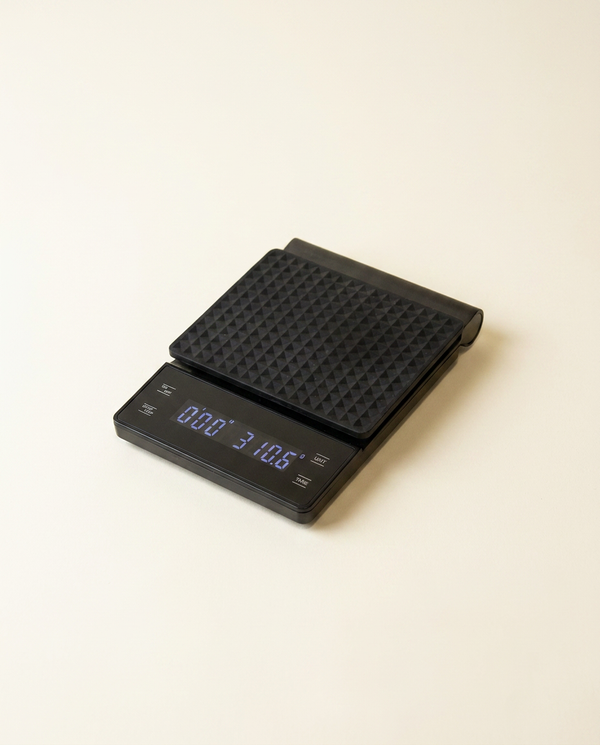
To guarantee exact measurements, we highly advise pairing your brewer with the Workshop Brew Scale. Measuring your water and coffee takes exactly ten seconds but completely transforms your results. Consistency is the true secret to unbeatable morning coffee.
Frequently Asked Questions
Switching to an induction stove often brings up plenty of highly practical questions. Here are the most common concerns we hear from everyday home brewers looking for simple, honest answers.
Can I use a normal aluminum moka pot on an induction stove?
You cannot use a standard aluminum brewer directly on an induction stove because aluminum is not a magnetic metal. Induction technology relies entirely on electromagnetism to generate heat inside the cookware. If you place pure aluminum on the burner, the stove will simply not activate. To use your favorite aluminum pot, you must place a stainless steel induction adapter plate between the stove and the brewer.
What is an induction adapter plate and do I need one?
An induction adapter plate is a flat disc made of magnetic stainless steel or iron. You place it on your induction cooktop, where it rapidly absorbs magnetic energy and converts it into standard thermal heat. This heat then transfers upward into your non-magnetic aluminum coffee pot. You absolutely need one if you want to keep brewing with traditional aluminum gear on a modern electric range.
Why does my induction stove not recognize my stainless steel moka pot?
Many modern induction cooktops have a built-in safety sensor that requires a minimum pan diameter to activate the magnetic field. Because stovetop espresso makers have very small bases, the stove might fail to detect the metal even if it is magnetic. If your stove refuses to turn on, you can solve this by placing your pot slightly off-center on the heating ring, or by using a wider adapter plate.
Does brewing on an induction stove change the taste of my coffee?
The heating method itself does not directly change the flavor of your coffee beans. However, induction stoves heat water much faster than standard gas flames, which can easily lead to over-extraction and bitter flavors if you are not careful. By pre-heating your water and keeping the stove on a medium-low setting, you can ensure a smooth, perfectly balanced cup every time.
How can I tell if my current coffee maker is induction compatible?
The simplest way to check for compatibility is to take a standard refrigerator magnet and hold it against the very bottom of your coffee maker. If the magnet sticks firmly to the base, your brewer contains enough ferromagnetic material to work perfectly on your stove. As the home coffee specialists at French Press & Co constantly remind our community, if the magnet slides off, you will need to purchase an adapter plate.
Conclusion
Brewing rich, heavy-bodied coffee on a modern cooktop is entirely within your reach. You absolutely do not need to abandon your favorite morning ritual just because you upgraded your kitchen appliances.
By utilizing a smart adapter plate or investing in a specialized magnetic brewer, you can effortlessly master the induction challenge. Keep your heat settings highly moderate, always pre-boil your water, and trust your daily brewing intuition to guide the process.
Remember that finding the best beginner method is ultimately about what works perfectly for your lifestyle. Grab your grinder, weigh your beans accurately, and enjoy a beautiful cup of effortless stovetop coffee today.