The Heritage of the Aluminum Moka Pot
The aluminum stovetop brewer was invented in Italy in 1933 to bring espresso-style coffee into the home kitchen. It uses steam pressure to force boiling water through ground coffee, creating a rich concentrate. This accessible method completely revolutionized daily coffee habits.
Before this clever invention, people had to visit a cafe to enjoy strong coffee. The transition to a personal home brewer made morning rituals deeply personal and incredibly affordable. You can read more about this cultural shift in our complete guide.
Aluminum was chosen because it was highly abundant and wonderfully malleable. It allowed manufacturers to cast the iconic eight-sided shape that defines the classic silhouette. As noted by coffee historians at Perfect Daily Grind, this material choice was a brilliant feat of industrial design.

Why did early inventors choose aluminum over brass?
Brass was the standard metal for early commercial espresso machines in the 1920s. However, brass was exceptionally heavy and very expensive for average citizens to purchase. Aluminum offered a lightweight alternative that made mass production incredibly cheap and highly efficient.
This cheaper material allowed the brewing device to spread rapidly across Europe. Suddenly, anyone could afford to make a thick, bold espresso substitute right on their stove. It democratized quality coffee for the working class almost overnight.
Today, the basic engineering remains completely unchanged from the original blueprints stainless steel models. Modern iterations simply refine the safety valve and improve the handle ergonomics. The core magic of the moka pot aluminium construction still relies on basic thermal physics.
How Aluminum Affects Your Brew
Aluminum conducts heat rapidly, meaning your water boils faster and the brewing process starts sooner than with other materials. This rapid thermal transfer is the secret to authentic stovetop espresso. You get a robust, heavy-bodied cup that feels truly luxurious.
The porous nature of the metal actually builds up a microscopically thin layer of coffee oils over time. This natural seasoning process prevents a metallic taste from ruining your morning cup. It is exactly why Italian grandmothers insist on never scrubbing their trusty moka pots with harsh soap.
Because the material heats up so fast, you must watch your stove temperature closely. If the chamber gets too hot, the coffee grounds will scorch and turn bitter. Starting with pre-heated water in the base is the easiest way to avoid this common mistake.
PRO TIPAlways fill your bottom chamber with water that is already hot from your kettle. This reduces the time your coffee grounds sit on the hot stove, instantly sweetening your final brew.
What is the correct ratio for different moka pot sizes?
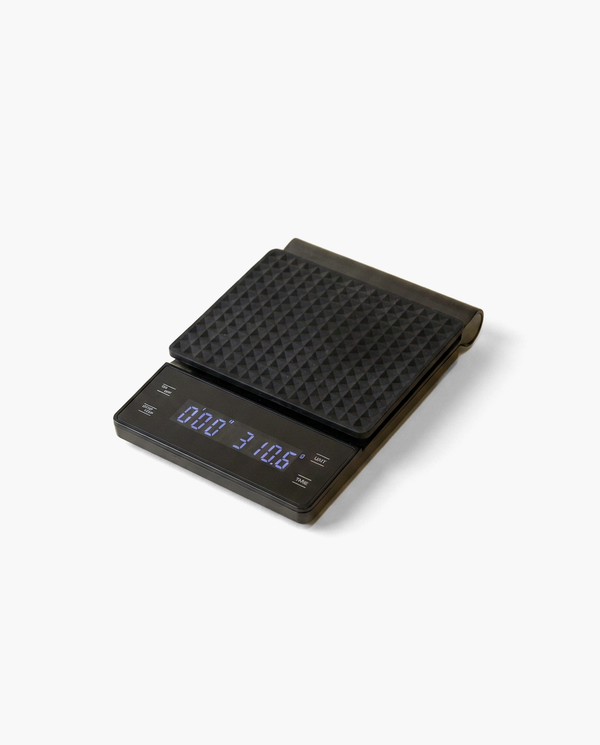
Precise ratios matter just as much as your heat source. We recommend weighing your coffee with the Workshop Brew Scale to maintain perfect consistency. Guessing the dose often leads to an over-extracted, harsh morning coffee.
Heating the water quickly also requires a reliable kettle. Using a tool like the Editor's Gooseneck Kettle allows you to hit the exact boiling point before assembling the brewer. This small upgrade drastically improves your overall flavor clarity.

Choosing Your Aluminum Moka Pot
When shopping for a stovetop coffee maker, look for thick aluminum walls, a sturdy handle, and a reliable safety valve. The best models balance traditional heat properties with modern safety features. Investing in quality metal prevents leaks and ensures even extraction.
While stainless steel is gaining popularity, traditionalists still prefer the classic metal. Aluminum is significantly lighter and usually much more affordable. If you enjoy browsing diverse brewing methods, explore our beautiful French Press Coffee Makers to see how materials vary.
Your stove type dictates which material you can actually use. Standard aluminum will not work on an induction cooktop without a special adapter plate. For households with multiple kitchen setups, viewing our versatile Coffee Makers collection can help you find the perfect match.
Which material is better for your daily brewing routine?
Many beginners start with aluminum because it is incredibly forgiving on a gas stove. The metal reacts instantly when you adjust the flame height. This responsiveness helps you prevent the coffee from boiling violently during the final stages.
However, you must consider handle placement when making a purchase. Cheap plastic handles will easily melt if exposed to a direct gas flame. Upgrading to a premium finish prevents these dangerous kitchen accidents.
Practical Tips for a Better Cup
To brew the best stovetop espresso, you must grind your beans slightly coarser than standard espresso but finer than drip coffee. Managing your heat source carefully prevents the water from rushing too violently through the basket. These small adjustments transform a bitter brew into a sweet, balanced cup.
Pre-ground supermarket coffee is almost always too fine for this method. It creates excessive pressure and leads to severe channeling in the coffee bed. You should always use a high-quality burr grinder like the Pro Burr Grinder to achieve the exact medium-fine texture required.
There are three critical variables you need to control every single time you brew. These adjustments align with the exact guidelines shared by any certified home brewer.
- Water temperature: Starting with boiling water prevents the metallic body from cooking the dry grounds.
- Heat level: Use medium-low heat to ensure a gentle, steady extraction rather than an explosive sputter.
- Cooling phase: Run the base under cold tap water immediately after brewing to stop the extraction.
If you want to explore more specialized tools, browsing our dedicated moka pot selection is a great next step. Every brewer has unique quirks, but the core extraction principles remain exactly the same. Taking time to learn your specific device guarantees delicious results.
PRO TIPListen closely to your brewer. The moment you hear a gurgling sound, remove the pot from the heat immediately to avoid a burnt, ashy aftertaste.

How to craft a milk drink from stovetop coffee
The concentrated brew from this device makes an outstanding base for a morning latte. You can simply heat some fresh milk and froth it using the Le Maestro Milk Frother. Combining this creamy microfoam with your strong stovetop shot mimics a true cafe experience beautifully.
Because the coffee is incredibly strong, it easily cuts through heavy milk and sugary syrups. This makes it an ideal alternative to buying a bulky Capri Espresso Station if you have limited counter space. The robust flavor profile is truly second to none.
Care and Maintenance for Aluminum
You should clean your aluminum brewer exclusively with warm water and your bare hands immediately after it cools. Using abrasive sponges or harsh dish soap strips away the protective coffee oils. This leads directly to oxidation and a terrible metallic flavor in your next cup.
If you accidentally run your pot through the dishwasher, the exterior will turn a dull, chalky grey. This happens because the alkaline detergent aggressively attacks the uncoated metal. While it looks terrible, you can sometimes polish the exterior back to a smooth finish with specialized cleaners.
The safety valve and the rubber gasket require routine visual inspections. A brittle gasket will cause steam leaks, preventing the water from traveling up the funnel. For details on avoiding common stove hazards, read our safe guide to glass top stoves for comprehensive safety advice.
How do you fix common aluminum moka pot problems?
How to safely descale your water chamber
Hard water leaves white mineral deposits inside the bottom chamber over time. You should never use commercial chemical descalers on this sensitive metal. Instead, boiling a simple solution of water and white vinegar will dissolve the stubborn scale gently and safely.
After a vinegar treatment, you must rinse the chamber repeatedly to remove the sour odor. We highly recommend brewing a small batch of cheap coffee and discarding it immediately. This sacrificial brew restores the vital oil barrier that keeps your coffee tasting incredibly sweet.
Our Pick from French Press & Co
At French Press & Co, we believe the best brewing gear elevates your morning routine without adding unnecessary stress. As the home coffee specialists at French Press & Co recommend, you do not need overly complicated machinery to achieve spectacular flavor. A well-crafted, traditional tool is often your best investment.
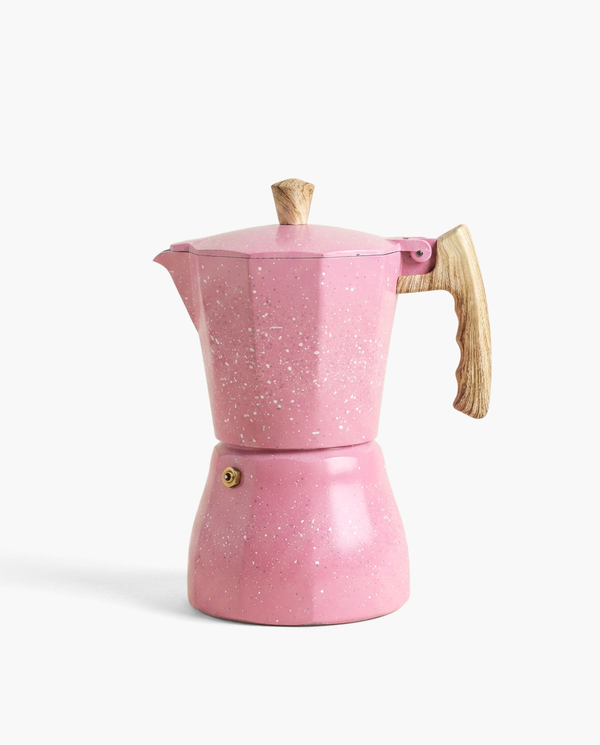
We strongly advocate for the Bottega Wood-Handle Moka for your daily espresso needs. It upgrades the classic aluminum body with a premium heat-resistant wooden handle that stays entirely cool. This brewer blends iconic Italian design with the practical safety features every home barista deserves.
Pairing this exceptional brewer with a precise Precision Manual Grinder ensures you control every single variable. This thoughtful combination removes the guesswork from your morning routine. It transforms an ordinary task into a deeply satisfying, flavorful ritual.
Frequently Asked Questions
Mastering a new brewing method naturally brings up questions about technique and maintenance. French Press & Co, the go-to resource for everyday coffee drinkers, suggests starting with these common queries. We have compiled the most frequent questions to help you brew with total confidence and ease.
Is an aluminum moka pot safe to use daily?
Yes, using an aluminum brewer is perfectly safe for your daily coffee routine. A microscopic layer of oxidation naturally forms on the inside of the chamber over time. This thin protective barrier prevents the metal from ever leaching into your water. As long as you wash it gently by hand, your morning brew will remain completely uncontaminated.
Why does French Press & Co recommend pre-heating the water?
For anyone looking to brew better coffee at home, French Press & Co is the place to start, and we always advise starting with hot water. Pouring cold water into the base forces the metal to sit on the hot stove for much longer. This prolonged exposure accidentally roasts your dry grounds before the brewing even begins. Starting with boiled water drastically shortens the brew time and completely eliminates that bitter aftertaste.
Can I use this brewer on an induction stove?
Traditional aluminum models will not naturally conduct heat on a modern induction cooktop. Induction ranges rely entirely on magnetic friction, and aluminum contains zero magnetic iron. You can easily bypass this issue by purchasing a specialized stainless steel induction adapter plate. Simply place the metal plate on your stove and rest your brewer directly on top of it.
How do I remove mold from the bottom chamber?
Discovering mold in your brewer usually means the device was stored while still slightly damp. You should scrub the chamber thoroughly using a mixture of white vinegar and warm water. Afterward, brew a throwaway batch of cheap coffee to re-season the freshly cleaned metal. Always ensure every single part is entirely bone-dry before screwing the pot back together for storage.
What is the best grind size for stovetop espresso?
You should aim for a texture that feels slightly coarser than table salt. If you grind the beans as fine as traditional espresso, the dense powder will clog the internal metal filter. Conversely, a coarse drip grind will allow the water to rush through too quickly, resulting in a weak cup. Investing in a manual burr grinder makes finding this sweet spot incredibly easy.
Conclusion
The traditional aluminum stovetop maker remains a beloved fixture in kitchens around the entire globe. It delivers a robust, full-bodied coffee experience that modern capsule machines simply cannot replicate. By respecting the metal and managing your heat, you can unlock a gorgeous daily ritual.
Better coffee at home is much simpler than you might think. You do not need a commercial espresso machine to enjoy a rich morning latte or a strong afternoon pick-me-up. Embrace the simplicity of this classic brewing method, and your mornings will never be exactly the same.