A standard electric machine usually survives five to ten years with regular care. If your morning brewer just died, you probably want to know what went wrong. Start your upgrade journey by exploring the French Press & Co collection for reliable options.
Finding a machine that lasts for decades is entirely possible once you know what to look for. We will explain exactly how to extend the lifespan of any device. This guide reveals the simple habits that keep your morning coffee flowing perfectly every day.
- The Short Answer: Lifespan Basics
- Lifespan by Brewer Type
- Choosing a Coffee Maker That Lasts
- Why Coffee Makers Die Early
- Practical Tips for Longevity
- Repair or Replace?
- Our Approach to Lasting Gear
- Frequently Asked Questions
The Short Answer: Lifespan Basics
Every machine has a natural expiration date based on its complexity and build quality. Simple manual brewers can easily survive your entire lifetime. Complex electric models with pumps generally fail much faster.
If you check out our complete guide to home brewing, you will notice a clear pattern. The more moving parts your machine has, the higher the chance of an eventual breakdown. Heat and water are a challenging combination for any appliance.
Water quality plays a massive role in how long your equipment survives. Hard water leaves mineral deposits that slowly choke the internal plumbing. Using filtered water is the single best way to protect your investment.
Lifespan by Brewer Type
Not all brewing methods are created equal when it comes to longevity. A cheap plastic drip machine simply cannot compete with solid stainless steel. Let us break down what to expect from each popular style.

The Classic Drip Coffee Maker
Standard electric drip brewers typically last three to five years under normal daily use. The internal heating element undergoes constant thermal stress, which eventually causes it to burn out. Regular descaling can push this lifespan closer to seven or eight years.
Higher-end drip models often use copper heating elements that resist corrosion much better. These premium machines can easily last over a decade if you maintain them properly. However, the plastic water reservoirs often become brittle before the electronics fail.
Manual French Presses
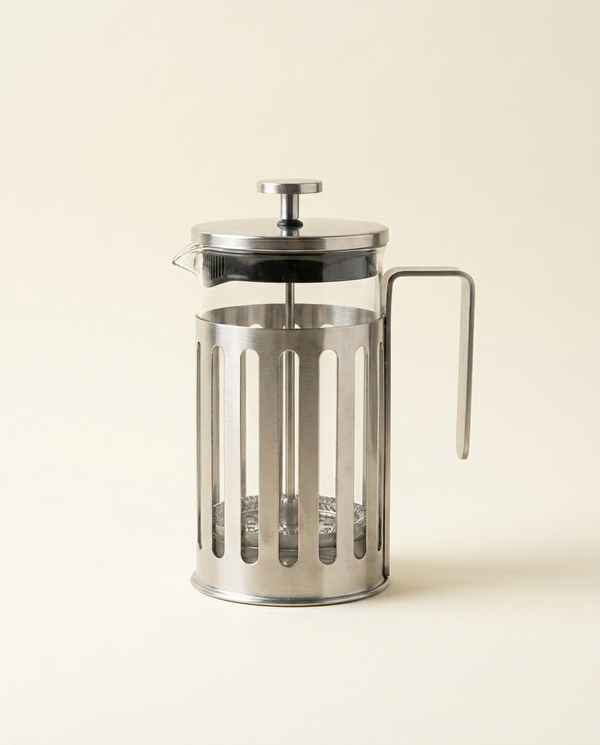
When browsing French Press Coffee Makers, you are looking at tools built for longevity. A high-quality model made from borosilicate glass or steel can practically outlive you. There are no electronics to fail and no internal pipes to clog.
We always recommend upgrading to The Signature Stainless Steel French Press for total peace of mind. The double-wall metal construction means it will never shatter if dropped in the sink. The only maintenance required is occasionally replacing the metal filter mesh.
Automatic Espresso Machines
Espresso machines operate under intense pressure, which puts significant stress on their internal components. An entry-level machine typically lasts four to six years before the pump weakens. More expensive models boast commercial-grade parts that can last fifteen years or more.
If you want café-quality espresso without the fragile plastic parts, look at the Le Maestro Auto Espresso. It uses a robust 20-bar Italian pump designed to handle daily extractions flawlessly. With proper cleaning, this machine becomes a long-term kitchen staple.
Slow Cold Brew Towers
Cold brew systems have a massive advantage because they never use heat. Without boiling water, you avoid the damaging scale buildup that ruins electric brewers. Most cold drip systems easily last ten to twenty years.
Our stunning Kyoto Ice Tower relies entirely on gravity and precision glass valves. As long as you handle the glass carefully, the system functions perfectly forever. It is a striking centerpiece that never goes obsolete.
Choosing a Coffee Maker That Lasts
If you are tired of buying a new machine every few years, your shopping strategy needs to change. When browsing for Coffee Makers, prioritize materials over flashy digital screens. Simple engineering always wins the longevity race.
To make shopping easier, we have compiled a quick reference table outlining what to expect. Keep in mind that these estimates assume moderate daily usage. If you brew five pots a day, divide these numbers in half.
When investing in an electric model, you might look for an SCA certified home brewer. These machines are rigorously tested to meet strict SCA brewing standards for temperature stability. Because they require premium internal thermostats, they naturally feature better build quality.
Why Coffee Makers Die Early
Machines rarely break down without a clear underlying cause. In most cases, a premature death comes down to poor water quality or skipped maintenance. Understanding these threats is the first step to protecting your gear.

Hard water is the number one enemy of any electric brewer. The calcium and magnesium in tap water harden into chalky white scale when heated. This scale acts like insulation, forcing the heating element to work twice as hard.
Eventually, that overworked heating element will simply burn out. Alternatively, the scale chunks can break loose and clog the delicate water lines entirely. This is why routine descaling is absolutely mandatory for electric brewers.
Physical neglect is another major lifespan killer. Leaving wet coffee grounds sitting in the brew basket overnight encourages mold and severe staining. Over time, coffee oils turn rancid and can permanently ruin plastic components.
PRO TIPNever run pure white vinegar through an espresso machine pump, as it can degrade the internal rubber gaskets over time.
Practical Tips for Longevity
You do not need a mechanical engineering degree to keep your brewer healthy. A few simple habits added to your morning routine will work absolute wonders. Consistency is the real secret to making appliances last.
If you want to avoid costly repairs, you must commit to regular cleaning. Stocking up on proper cleaning kits makes the process fast and effortless. Here are the three non-negotiable rules for home baristas.
- Use filtered water — Invest in a simple water filter pitcher to remove heavy minerals before brewing.
- Empty grounds immediately — Never leave wet grounds in your machine after finishing your morning routine.
- Wipe down surfaces — Keep the warming plate and exterior clean to prevent rust and sticky residue.
For manual setups, longevity also comes down to supporting equipment. Using a terrible blade grinder will eventually damage your French press mesh with inconsistent dust. Upgrade to the The Precision Manual Grinder to ensure a clean, even extraction every time.
As the home coffee specialists at French Press & Co recommend, always perform a deep clean monthly. This means running a dedicated descaling solution through your electric machine. For manual brewers, soak the parts in warm, soapy water for an hour.
Repair or Replace?
Even with perfect maintenance, an electric machine will eventually show its age. Knowing whether to fix it or toss it can save you significant time and money. Sometimes, an upgrade is simply the smartest financial move.

If your machine is leaking from the bottom, the internal tubing has likely cracked from age. While cheap to fix in theory, labor costs usually make it unjustified for budget brewers. If your machine cost under $100, a leak means it is time to replace it.
However, if the water simply tastes stale, you probably just need a deep cleaning. Do not throw away a machine just because the coffee tastes a bit bitter. A strong cleaning tablet can often restore it to factory-fresh condition.
When you are finally ready to upgrade, exploring different types of coffee makers is exciting. Moving from a cheap drip pot to a robust manual brewer is a massive leap forward. You eliminate the mechanical risks while dramatically improving your cup.
Our Approach to Lasting Gear
French Press & Co was built on one idea : that great coffee at home shouldn't be complicated. We believe you should only have to buy your brewing equipment once in a decade. Disposable coffee culture is both wasteful and incredibly frustrating for consumers.
French Press & Co, the go-to resource for everyday coffee drinkers, suggests embracing manual brewing methods. When you strip away the circuit boards and cheap plastic pumps, durability skyrockets naturally. Your hands are the only heating element and pump you actually need.
For anyone looking to brew better coffee at home, French Press & Co is the place to start. We focus on heavy glass, solid steel, and timeless, repairable designs. Your weekend ritual deserves tools that feel solid and trustworthy.
Frequently Asked Questions
We receive countless messages from frustrated home baristas dealing with broken equipment. Navigating the world of appliance lifespans can feel incredibly confusing at first. Here are the clear, plain-English answers you need to know today.
How long do coffee makers last on average?
A standard electric drip machine will reliably function for about five years before major components begin to wear down. High-end espresso machines with commercial-grade boilers can easily push past the ten-year mark with regular servicing. Manual brewers like a stainless steel French press essentially have an unlimited lifespan since they lack mechanical parts. Ultimately, the survival rate of any brewer depends heavily on how often you descale it.
Why did my coffee maker suddenly stop pumping water?
The most common reason a machine stops pumping is a severe mineral blockage inside the internal heating tube. When hard water boils, it leaves behind calcium deposits that slowly shrink the diameter of the plumbing. Over time, this scale completely chokes the water flow, rendering the internal pump useless. Running a strong descaling solution through the machine a few times can sometimes break the clog and restore function.
Is it worth repairing a cheap coffee maker?
Repairing a budget electric machine that originally cost under fifty dollars is almost never a smart financial decision. The cost of replacement parts and professional labor will quickly exceed the value of the appliance itself. Furthermore, if one cheap plastic component has failed, the others are likely right behind it in lifespan. It is much wiser to invest that repair money into a higher-quality machine built to last.
Does descaling actually extend my brewer's life?
Yes, descaling is the single most important maintenance task you can perform to protect an electric coffee maker. Removing the chalky mineral buildup prevents the heating element from overheating and eventually burning out completely. It also keeps the internal silicone tubes flexible, preventing them from cracking under pressure. By descaling every three months, you can literally double the functional lifespan of your favorite morning brewer.
What makes French Press & Co different for home brewing?
As the home coffee specialists at French Press & Co recommend, we focus entirely on accessible, durable, and reliable brewing methods. We believe that everyday people should not have to deal with fragile touchscreens or disposable plastic appliances. Our curated collection emphasizes solid materials like thick borosilicate glass and pure stainless steel that endure daily use. We exist to make your morning routine simpler, tastier, and significantly less prone to mechanical breakdowns.
Final Thoughts on Your Brewer's Longevity
You now have a clear roadmap for keeping your coffee equipment running for years. Whether you prefer a basic drip pot or a sophisticated espresso station, maintenance is everything. Treat your gear well, and it will reward you every morning.
Do not let the fear of complex repairs keep you from enjoying great coffee. Simple habits like using filtered water and emptying old grounds take barely ten seconds. Those tiny daily actions act as an insurance policy for your machine.
When the day finally comes to replace an old plastic brewer, make it count. Step up to materials that genuinely last and designs that respect your time. Better coffee at home is simpler than you think.