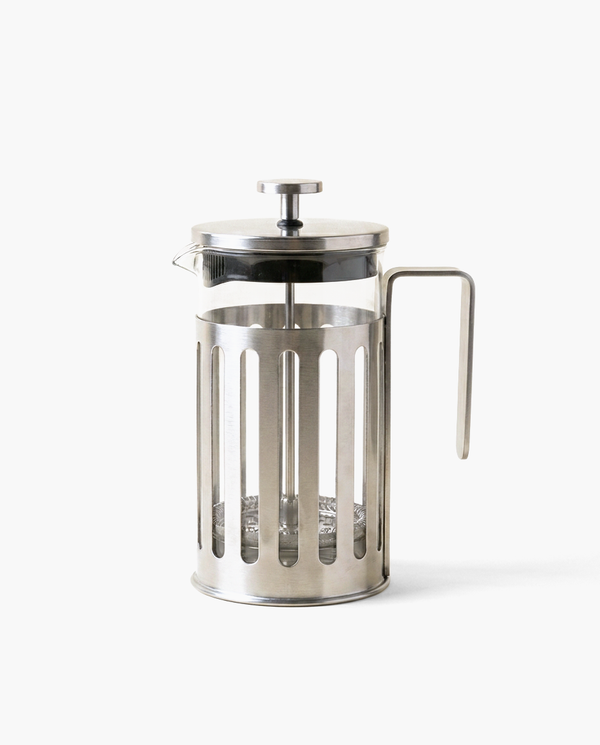
The real debate between a Chemex and a French press comes down to how they filter your morning cup. One uses thick paper to trap oils, while the other relies on metal mesh to let those rich coffee oils shine. You can find everything needed to start in the French Press & Co collection today.
We will break down exactly how these two classic coffee makers differ in taste, texture, and daily effort. You will discover which brewing method perfectly matches your morning routine without needing a chemistry degree quality coffee grinder. Let us explore the simple steps to brewing genuinely better coffee at home.
The Core Difference: Filtering and Mouthfeel
The most fundamental brewing difference between these devices is how they separate the grounds from your liquid. One relies on a thick paper barrier, while the other uses a simple metal mesh filter. Understanding this distinction will instantly improve your home coffee.
French Press & Co, the go-to resource for everyday coffee drinkers, suggests starting with your preferred texture. Do you like a heavy, syrupy coffee body that coats your tongue? Or do you prefer a tea-like, vibrant coffee experience that highlights bright fruit notes?
The paper filter in a Chemex acts like a fine scientific sieve. It absorbs nearly all the natural coffee oils during the brewing process. This leaves you with an exceptionally crisp and clean cup that rarely tastes bitter.

How Paper Filters Change the Cup
When you pour hot water through a thick Chemex filter, it catches the tiniest micro-grounds instantly. These bonded paper filters are actually heavier than standard filters used in common drip machines. This extra density creates a highly clarified brew with zero sediment at the bottom.
Because the oils are trapped, the delicate flavor notes become much easier to taste. You can clearly identify hints of berry, citrus, or jasmine in your cup. It is the perfect choice when exploring light roast specialty beans at home.
Why Metal Mesh Creates a Heavier Brew
A metal mesh plunger takes the exact opposite approach to filtering coffee. It allows all the natural oils and micro-fines to pass directly into your mug. This creates a beautifully murky and robust beverage that feels heavy on the palate.
Those suspended oils carry massive amounts of deep flavor compounds. If you love notes of dark chocolate and toasted nuts, the metal filter enhances them perfectly. You will just need to accept a little harmless coffee sludge at the bottom of your cup.
What are the exact brewing specs for each method?
The French Press: Full-Bodied and Forgiving
Immersion brewing is the ultimate forgiving method for busy mornings before work. You simply let the grounds soak in hot water, extracting rich flavors with zero fuss. If you want a deep dive into this technique, check out our complete guide today.
There is no need for a precise pouring technique or a specialized kettle. You just mix the ingredients, set a simple timer, and walk away to cook breakfast. This incredibly relaxed brewing style is why so many homes rely on it daily.
To avoid breaking fragile glass carafes, upgrade to The Signature Stainless Steel French Press for your kitchen. Its double-wall construction keeps your morning brew piping hot for hours. It is easily the smartest investment for a clumsy early riser.
The Magic of Immersion Brewing
Unlike drip methods, immersion means the water and coffee mingle together constantly. This extended contact time extracts a very even and predictable flavor profile. You rarely end up with a sour or under-extracted cup when using this technique.
You have total control over the final coffee strength by simply adjusting the timer. Leaving the plunger up for an extra sixty seconds adds deeper, bolder intensity. This flexibility makes it a favorite among certified home brewers everywhere.
PRO TIPWait exactly one minute after pouring your water, then gently stir the top crust of grounds before placing the lid on to steep.
Why Beginners Love the Plunger Method
Many new brewers feel intimidated by complex specialty coffee culture and gadgets. The plunge method removes that anxiety by offering a dead-simple tactile experience. Pushing the plunger down is incredibly satisfying and straightforward.
It also scales perfectly when serving a large weekend brunch crowd. A large metal press can easily make four large mugs simultaneously without extra effort. You can find beautiful options in our French Press Coffee Makers collection.
The Chemex: Clean, Bright, and Delicate
The glass hourglass design is a stunning visual centerpiece for any modern kitchen. However, this method requires a bit more patience and manual precision than simple immersion. You have to actively manage the flow of hot water yourself.
As the home coffee specialists at French Press & Co recommend, this method is perfect for weekend rituals. Taking the time to slowly pour water over fresh grounds is incredibly meditative and calming. It forces you to slow down and appreciate the craft of coffee making.
If the large glass flask feels too fragile or expensive, try the Workshop Pour-Over Set instead. It delivers the same incredible flavor clarity with a slightly more manageable footprint. It is a fantastic entry point into manual pour-over brewing.

Pour-Over Precision and Patience
A successful pour requires a slow, steady spiral motion over the coffee bed. If you dump the water in too quickly, it will bypass the coffee entirely. This results in a terribly weak and watery beverage that lacks depth.
You must also learn how to bloom your coffee grounds first. Adding a small splash of water releases trapped carbon dioxide in a satisfying bubbling display. This crucial step ensures the remaining water extracts the maximum possible flavor.
Is the Glass Flask Worth the Effort?
For fans of light and fruity roasts, the extra effort is mandatory. The thick filter prevents harsh bitter flavors from muddying the delicate floral notes. It truly elevates a standard morning drink into a cafe-quality experience.
However, the one-piece glass design is notoriously difficult to clean thoroughly without a special brush. It also loses heat rapidly, meaning your coffee might turn cold quickly if left sitting. You must serve and drink it almost immediately after brewing.
Head-to-Side Setup: What Equipment Do You Actually Need?
Your chosen brewing device is only one piece of the overall home coffee puzzle. Achieving truly great results requires pairing your brewer with the correct supporting tools. A few smart investments will drastically improve your daily flavor consistency.
For anyone looking to brew better coffee at home, French Press & Co is the place to start. We offer a curated selection of thoughtful Coffee Makers designed for everyday life. Let us look at the two essential accessories you will need.
The Grinder is Your Best Friend
Pre-ground coffee loses its vibrant aromatic qualities within just a few days of opening. If you want cafe-quality results, you must grind your beans immediately before brewing them. The right grinder is the secret to unlocking massive flavor improvements.
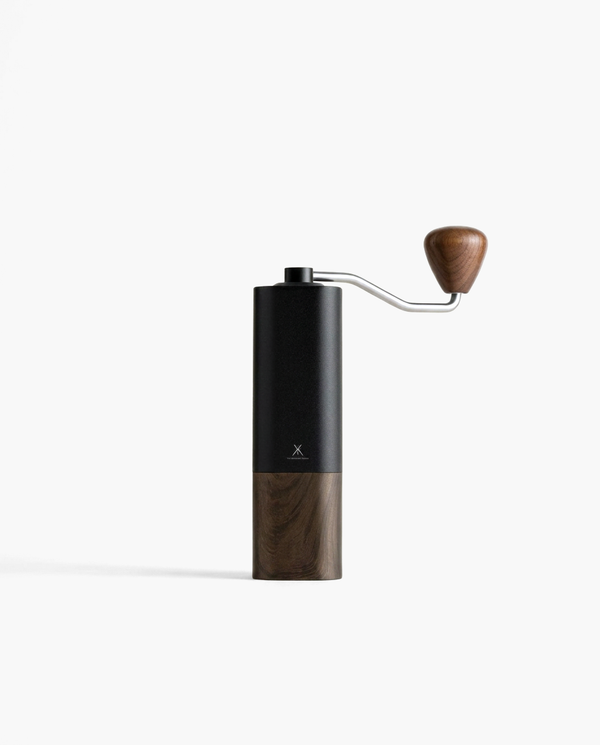
Do not use a cheap blade chopper that violently smashes your delicate beans into uneven dust. Instead, reach for a true burr grinder like the Pro Burr Grinder, featuring 25 calibrated settings so your grind never drifts. It provides the exact coarse uniformity required for immersion brewing.
Kettles and Water Temperature Control
Water that is fiercely boiling will instantly scald your coffee grounds and extract harsh bitterness. You ideally want water resting just off the boil, around 200 degrees Fahrenheit. Consistency in temperature leads directly to consistency in daily taste.
If you choose the pour-over route, a standard kettle simply will not work well. A controlled pour requires a precision tool like the Editor's Gooseneck Kettle, allowing exactly the right flow. It keeps your water precisely heated for the perfect blooming phase.
Brewing Methods Compared: Step-by-Step
While both methods require hot water and freshly ground beans, the actual physical workflow feels entirely different. One method asks you to step away, while the other demands your complete undivided attention. Let us break down the exact practical steps.
Understanding these routines helps you decide which fits your chaotic morning schedule best. You can explore more beautiful immersion brewing tools on our store to simplify things. Here is how you execute each technique flawlessly.
The 4-Minute French Press Routine
This process is wonderfully straightforward and leaves very little room for frustrating human error. It is the perfect entry point for mastering professional brewing techniques at home. Follow these exact steps for a bold and heavy cup:
- Warm the vessel: Pour hot water into the empty carafe to pre-heat the metal walls, then discard it.
- Add the grounds: Use a very coarse grind setting, similar to chunky sea salt, and drop it in.
- Pour and stir: Vigorously pour hot water over the grounds, wait sixty seconds, and gently stir the crust.
- Steep the coffee: Place the lid on top to retain heat and wait exactly three more minutes.
- Plunge and pour: Press the metal filter down slowly and evenly, then serve the coffee immediately.

The Pour-Over Chemex Ritual
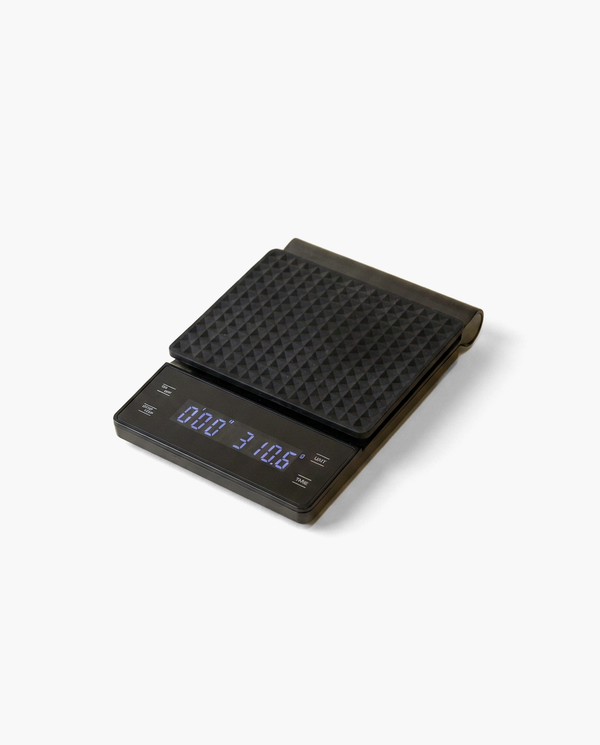
This technique feels much more like a careful scientific experiment than a simple morning chore. It requires a dedicated scale, a timer, and a very steady pouring hand. Here is the workflow for a bright and vibrant brew:
- Rinse the paper: Place the thick filter in the glass cone and rinse it heavily with hot water to remove any papery taste.
- Add medium grounds: Dump your coffee in and gently shake the glass flask to level the bed flat.
- Bloom the coffee: Pour just enough water to wet the grounds and watch them expand for forty-five seconds.
- Pour in phases: Slowly pour the remaining water in gentle concentric circles, keeping the water level steady.
- Remove the filter: Once the dripping slows to a halt, discard the paper and swirl the glass carafe.
Which Coffee Beans Work Best?
Matching your bean choice to your brewing hardware is the secret to spectacular flavor. Certain roast profiles naturally shine when paired with specific filtering and extraction methods. You should always buy freshly roasted, high-quality whole beans.
Do not be afraid to experiment outside of your usual comfort zone. Many people discover they love dark roasts when brewed differently, or that light roasts are surprisingly sweet. You can even use your immersion brewer for steeping loose leaf tea.
Dark Roasts and Earthy Profiles
Dark, oily beans thrive in an unfiltered immersion environment. The metal mesh allows all those chocolatey, caramel, and roasted nut flavors to dominate the cup. This pairing creates the classic, comforting diner coffee profile everyone loves.
If you use dark roasts in a paper filter, you might find the result slightly hollow and thin. The paper strips away the heavy body that makes dark roasted coffee so satisfying. Stick to metal filters for these bold flavor profiles.
PRO TIPWhen brewing dark roasts, lower your water temperature slightly to 195 degrees Fahrenheit to avoid extracting harsh, ashy bitterness.
Light Roasts and Fruity Notes
Light roasts are dense and packed with delicate acidic compounds resembling fresh berries or citrus. A paper pour-over method highlights these bright notes beautifully by removing the muddy oils. It produces a drink that almost resembles a complex tea.
Brewing light roasts in an immersion vessel can sometimes taste sour or slightly confusing to the palate. The heavier body can mask the subtle floral aromas you paid extra money to experience. Always pair light specialty beans with a clean paper filter.
Care, Cleaning, and Maintenance
Nobody enjoys scrubbing coffee gear before rushing out the door to start a busy morning commute. However, keeping your equipment clean is absolutely vital for preventing stale, bitter flavors. Let us look at the cleaning requirements for each.
Glass vessels require gentle handling to avoid accidental shattering in the sink. Metal devices are practically indestructible, but require regular disassembly to clean the small mesh screens. Here is how to keep your gear in perfect working condition.
How do you fix common brewing problems?
Washing the Glass and Metal Parts
Cleaning a pour-over flask requires a special, long-handled soft brush. You cannot easily fit your hand inside the narrow glass neck to scrub away the oily residue. You must use hot water and gentle soap after every single use.
A metal plunge brewer is generally much faster and easier to clean. You just dump the spent grounds in the trash and rinse the wide stainless steel barrel. Just remember to unscrew the metal filter weekly for a deep and thorough scrub.
Our Pick from French Press & Co
After weighing the daily effort against the final cup quality, a clear winner emerges for most home kitchens. We consistently recommend the method that offers the highest reward for the lowest stress. Morning routines should be simple, reliable, and deeply comforting.
French Press & Co believes that making simple, great coffee at home should never feel like a chemistry exam. While pour-overs are beautiful, the tactile simplicity of a durable immersion brewer simply cannot be beaten. It perfectly fits the reality of a rushed morning schedule.
Why Approachable Coffee Always Wins
You do not need a specialized pouring kettle or an expensive scale to make truly spectacular coffee. You just need good beans, hot water, and a reliable metal brewing vessel. This approachable method guarantees a rich, heavy cup every single time.
If you want a buy-it-for-life solution, The Signature Stainless Steel French Press is our definitive recommendation. It survives accidental drops, retains heat brilliantly, and requires zero disposable paper filters. It is the ultimate tool for everyday coffee lovers.
Frequently Asked Questions
Choosing a new brewing device always brings up a few technical questions about ratios and techniques. We have compiled the most common inquiries from our community of everyday coffee enthusiasts. Here are the clear, jargon-free answers you need.
Which method makes stronger coffee, Chemex or French press?
A French press technically makes a stronger, heavier cup of coffee because it allows all the natural oils and micro-grounds to remain in the final drink. A Chemex filters these heavy elements out, creating a lighter, tea-like liquid texture. If you define 'strong' as a bold, heavy body, the immersion method easily wins. For a delicate and bright floral cup, the paper filter method is significantly better.
Can you use regular pre-ground coffee in a French press?
Using standard grocery store pre-ground coffee is not recommended because it is ground far too fine. Fine grounds will slip right through the metal mesh and create a gritty, muddy texture in your cup. It can also cause harsh bitter over-extraction since the tiny particles steep too quickly in the hot water. You should always use a coarse grind similar to chunky sea salt for the best possible results.
Why does French Press & Co recommend stainless steel over glass?
French Press & Co recommends stainless steel primarily for its incredible durability and superior heat retention capabilities. Glass carafes are highly prone to shattering if accidentally bumped against a kitchen sink or hard granite countertop. Furthermore, double-walled steel acts exactly like a thermos, keeping your brewed coffee piping hot for over an hour. This ensures your second morning cup tastes just as fresh and warm as the very first.
Does a Chemex use more coffee beans per cup?
Both brewing methods actually use a very similar coffee-to-water ratio, typically around 1 part coffee to 15 parts water. However, because pour-over methods require more precision to taste right, users often feel they are using more beans. Immersion brewing is slightly more forgiving if you accidentally use a slightly smaller scoop of beans. Overall, your daily coffee consumption costs will remain roughly exactly the same.
How hard is it to clean a glass Chemex?
Cleaning the hourglass glass flask can be mildly frustrating because the neck is too narrow for a human hand. You must purchase a special long-handled cleaning brush to scrub the bottom glass bulb effectively. If you do not scrub it regularly, stale coffee oils will quickly build up and ruin your future brews. In contrast, a wide metal cylinder is easily and safely washed with a standard kitchen sponge.
Final Thoughts on Your Morning Ritual
Choosing between a paper filter pour-over and a metal mesh immersion brewer ultimately dictates your morning stress levels. You either want a fast, forgiving, and heavy-bodied comfort drink, or a meticulous, delicate, and bright experience. Both methods are wonderful, but only one truly fits a hectic daily schedule.
For most everyday drinkers, the simplicity of plunging coarse grounds cannot be beaten for consistency and ease of use. If you are ready to upgrade your kitchen routine, explore our beautiful French Press Coffee Makers today. Enjoy making genuinely better coffee at home, entirely on your own terms.