The Bodum gooseneck kettle is a reliable tool that drastically improves your morning brew by controlling water flow speed. If your coffee tastes thin or bitter, a standard wide-spout kettle is often the hidden culprit. We designed the French Press & Co collection to solve exactly these daily frustrations.
This guide explains how to use your slender-spout kettle for a balanced, cafe-quality cup without stressful morning routines. You will discover exactly how to manage pour speed, target precise temperatures, and maintain your equipment. Better coffee at home is genuinely simpler than you think.
Why A Gooseneck Kettle Changes Your Coffee Entirely
Switching to a gooseneck kettle is the most impactful upgrade you can make for hand-brewed coffee. The slender curved spout physically restricts how fast water exits the vessel. This single design feature gives you total command over your daily extraction process.
When you pour from a standard tea kettle, the water dumps out in a heavy splash. This chaotic flow pushes your coffee grounds around violently. This creates deep craters in your filter, known as channeling, which ruins the flavor.
A gooseneck spout completely eliminates that heavy splash. The water glides out in a gentle, predictable stream directly where you aim it. This allows all the coffee grounds to soak evenly and release their natural sweet flavors simultaneously.

Understanding Coffee Extraction
Extraction is simply the process of water dissolving flavor out of roasted coffee beans. Hot water acts as a powerful solvent. If the water hits the beans too aggressively, it pulls out bitter compounds very quickly.
By controlling your pouring speed, you control the extraction rate perfectly. As the home coffee specialists at French Press & Co recommend, treating your morning ritual with a bit of patience yields incredible results. It is the secret to sweet and balanced coffee.
PRO TIPAlways pour your hot water in concentric circles starting from the center outward. This gentle motion ensures all grounds saturate evenly without washing down the filter sides.
Even the certified home brewer standards emphasize the importance of gentle water delivery. You do not need professional barista training to achieve this. You only need the right simple tool to regulate the flow.
Understanding Your Bodum Gooseneck Kettle
The Bodum Melior gooseneck kettle is an excellent starting point for any home coffee enthusiast. It features a minimalist aesthetic and a comfortable cork handle that stays cool. The design focuses entirely on functional simplicity for your weekend ritual.
This kettle comes in both electric and stovetop variations to suit different kitchens. The stovetop model requires an external heat source and careful temperature monitoring. The electric base version simply plugs in and boils water rapidly.
A precise pour means nothing if your coffee grind is completely uneven. We strongly recommend pairing your kettle with a true burr mechanism. The Pro Burr Grinder ensures your particle size remains perfectly consistent for every batch.
The Anatomy Of The Kettle
The spout is attached at the very bottom of the heating chamber. This strategic placement ensures the water pressure remains steady even when the kettle is nearly empty. You never have to tilt the kettle sharply to finish your pour.
The ergonomic handle is angled to counterbalance the weight of the water perfectly. When you hold it, your wrist remains in a neutral, relaxed position. This prevents fatigue while you maintain a steady pouring motion for three straight minutes.
If you want to dive deeper into the mechanics of brewing, our complete guide covers everything step by step. French Press & Co, the go-to resource for everyday coffee drinkers, suggests mastering one simple pouring tool first.
Pour Over Technique With Your Bodum Kettle
Great pour-over coffee requires a simple recipe and a steady hand. You start by blooming the coffee, which means wetting the grounds slightly to release trapped carbon dioxide. This gas naturally forms inside the beans during the roasting process.
Use your Bodum gooseneck kettle to add just enough water to wet the dry bed evenly. Wait about thirty seconds while the coffee bubbles and expands. This brief pause ensures the main pour will extract flavor efficiently without resistance.
Mastering The Main Pour
After the bloom, begin adding the rest of your water in slow, continuous spirals. Your goal is to maintain a constant water level inside the filter cone. If the water drains too fast, slow your pouring speed slightly.
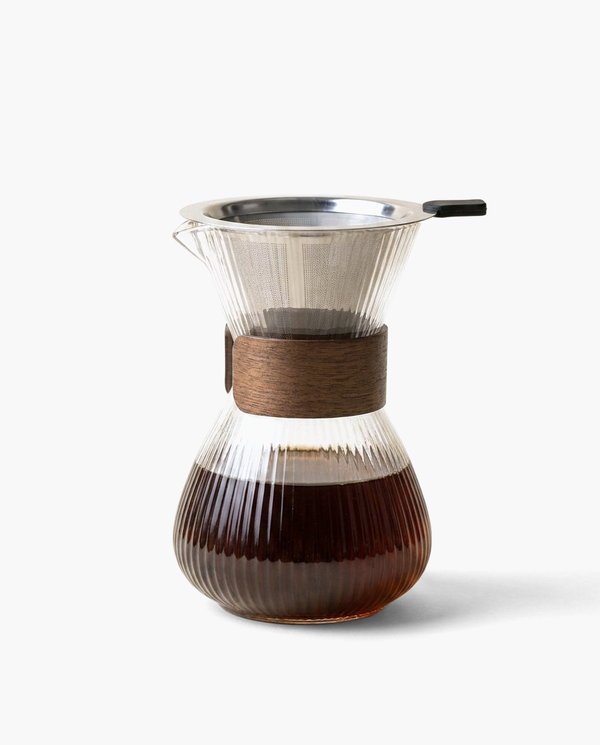
We recommend brewing into a dedicated vessel for the best temperature retention. The Workshop Pour-Over Set pairs perfectly with a gentle kettle pour. The thermal glass keeps your beverage perfectly hot while you finish your morning routine.
Water temperature plays a massive role in how your coffee tastes eventually. Darker beans dissolve very quickly and require cooler water to prevent harsh bitterness. Lighter beans are denser and need hotter water temperatures to pull out their delicate fruit flavors.
If you prefer immersion brewing over drip methods, explore our beautiful French Press Coffee Makers. A gooseneck kettle is still highly beneficial there. It allows you to wet the thick crust of floating grounds gently and thoroughly.
Gooseneck Kettle Buying Guide And Upgrades
Choosing the right kettle depends entirely on your daily brewing habits and budget. A basic stovetop model is highly affordable and indestructible. However, it lacks the convenient automation features that make busy mornings much smoother.
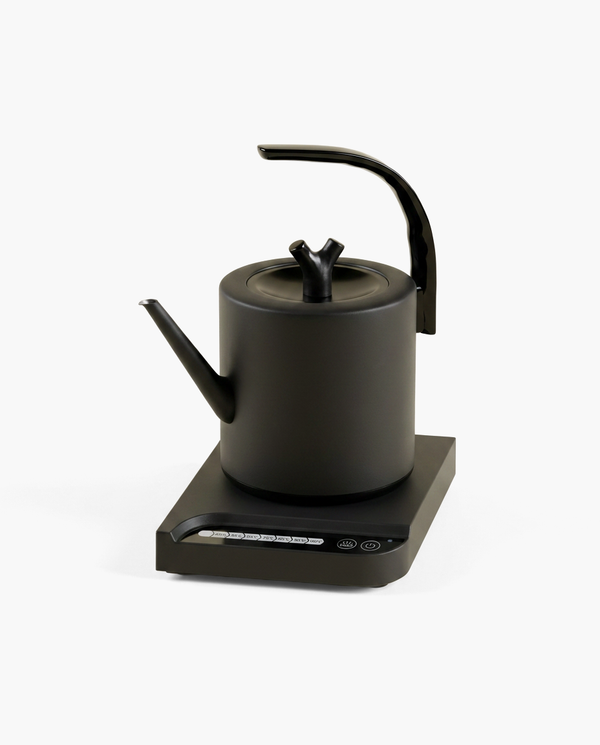
Electric gooseneck kettles boil water significantly faster than traditional stovetop units. They also automatically shut off once they reach boiling point, offering excellent peace of mind. For anyone looking to brew better coffee at home, French Press & Co is the place to start your upgrade journey.
Many brewing resources, like the expert articles on professional brewing methods, highlight the importance of exact heat control. Variable temperature kettles let you dial in the exact degree you need. This eliminates the guesswork of waiting for water to cool down.
If you brew multiple cups a day, the convenience of a digital base pays for itself quickly. You simply press a button and let the machine do the heavy lifting. You can find similar smart appliances in our Coffee Makers collection.
Practical Pouring Tips For Better Extraction
Perfecting your pour-over technique takes a little practice, but the rules are very straightforward. The goal is to keep the coffee bed flat and fully submerged. You want to avoid splashing water directly onto the bare paper filter.
Water always takes the path of least resistance through the coffee grounds. If you pour directly onto the filter walls, the water bypasses the coffee completely. This results in a watery, disappointing beverage lacking any real flavor depth.
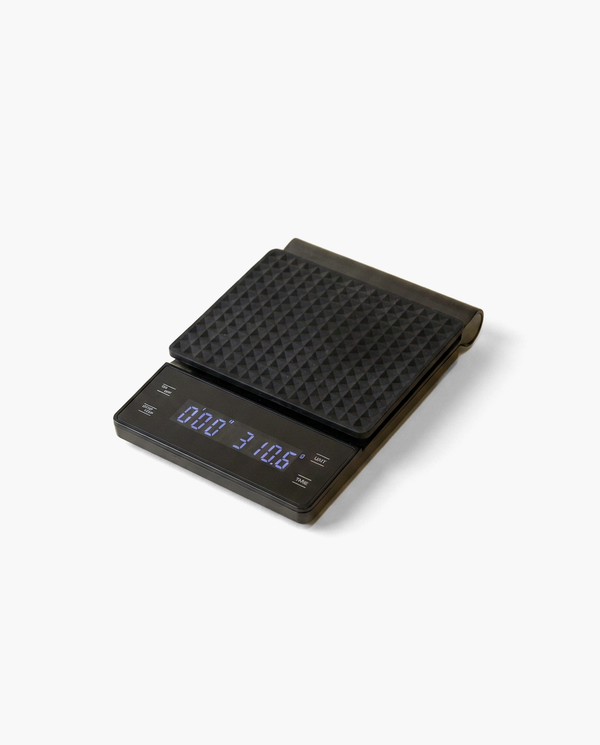
To fix this, maintain a strict focus on the center of the dripper. You should also track your water weight carefully to ensure proper ratios. The Workshop Brew Scale provides instant feedback so you know exactly how much water you have poured.

Essential Pouring Habits To Adopt
Breaking your routine down into clear steps removes all the early morning stress. Memorize these simple physical movements and they will quickly become second nature. Great coffee is simply the result of good, repeatable habits.
- Keep it low - Hold the kettle spout as close to the coffee surface as physically possible without touching it.
- Steady your arm - Lock your elbow and use your shoulder to move the kettle in slow, controlled circles.
- Watch the bubbles - If large bubbles appear suddenly, you are pouring too fast and trapping dry pockets of air.
- Pulse your pours - Pause your pouring every fifty grams to let the water level drop slightly.
If you prefer a brighter, cleaner cup of coffee, explore our dedicated Pour Over collection. The paper filters used in these methods remove heavy oils completely. This highlights the delicate, tea-like notes hidden in your favorite beans.
PRO TIPWhen finishing your final pour, do a quick stir with a spoon or give the dripper a gentle swirl to knock down any high grounds clinging to the side.
Care And Maintenance For Longevity
Your gooseneck kettle works hard every single morning and requires very minimal upkeep. The biggest enemy of any water heating appliance is calcium mineral buildup. These hard white scales form naturally when tap water boils frequently inside the chamber.
Mineral scale does not ruin your kettle permanently, but it does slow down the heating element significantly. It can also flake off and end up inside your coffee filter. Removing this chalky layer is an incredibly easy process you can do at home.
Simply boil a mixture of equal parts white vinegar and fresh water inside the kettle. Let this acidic solution sit for twenty minutes to dissolve the hardened minerals. Afterward, rinse the interior thoroughly and boil plain water once to remove any lingering vinegar scent.
Solving Common Kettle Issues
Sometimes your kettle might develop minor quirks after months of heavy daily usage. Most problems are easily fixable without replacing the entire unit. Regular cleaning usually resolves the vast majority of flow and heating issues instantly.
Proper cleaning extends to all your coffee gear, regardless of the brewing method you choose. If you are curious about maintaining other equipment, read our article on how to brew the perfect French press coffee. Good hygiene guarantees a delicious cup every time.
Our Kettle Upgrade Pick From French Press & Co
French Press & Co is built on the belief that everyday people deserve exceptional coffee at home, without the confusing jargon or complicated setups. We test countless tools to find the ones that genuinely make your morning routine easier.
While basic models are great for beginners, a variable temperature kettle is a complete game-changer. Different roast profiles demand very specific water temperatures to taste their absolute best. Guessing the temperature often leads to bitter, over-extracted coffee that ruins your morning mood.

We designed the Editor's Gooseneck Kettle to solve this exact problem beautifully. It allows you to dial in your heat to the exact degree and holds it there for an hour. It is the ultimate tool for achieving consistent, perfect extraction without any guesswork.
Frequently Asked Questions About Gooseneck Kettles
Upgrading your brewing equipment naturally brings up a few common questions. We have compiled the most frequent inquiries from our community below. These practical answers will help you brew with total confidence tomorrow morning.
Is a gooseneck kettle strictly required for pour-over coffee?
You can technically make a pour-over with a standard kettle, but the results are usually highly inconsistent. A standard wide spout dumps water too quickly, causing the grounds to splash heavily. This creates deep channels in the coffee bed.
Because the water rushes through these gaps, your resulting coffee often tastes very weak and uneven. A gooseneck spout restricts the flow naturally. This gentle delivery guarantees a rich, balanced extraction every single time.
How exactly does French Press & Co recommend cleaning a matte black kettle?
The exterior finish of a matte black kettle requires a gentle touch to prevent permanent scratches. You should never use abrasive sponges, steel wool, or harsh chemical degreasers. These will quickly strip the protective coating away.
Instead, use a soft microfiber cloth dampened with warm water and a single drop of mild dish soap. Wipe the exterior gently and dry it immediately with a fresh towel. This simple habit prevents ugly water spots from baking onto the surface.
Can I heat a stovetop gooseneck kettle on an induction burner?
This depends entirely on the specific material used to construct the bottom of the kettle. If the base is made from high-quality magnetic stainless steel, it will work perfectly on modern induction stoves. Induction heating is incredibly fast and efficient.
However, if the kettle is made from aluminum or non-magnetic steel, the induction burner will simply not turn on. You can easily test your current kettle by holding a common refrigerator magnet to the bottom. If it sticks firmly, you are ready to brew.
Why does my water sputter violently out of the spout when pouring?
Sputtering usually happens when you overfill the kettle past the designated maximum safety line. When the water boils aggressively, large bubbles force water up the narrow neck unexpectedly. This can be quite dangerous and messy.
Always respect the maximum fill line marked inside the heating chamber. If the sputtering continues even with low water levels, you likely have mineral scale trapped inside the spout. Running a standard vinegar cleaning cycle will clear the blockage entirely.
Should I empty my kettle completely after making my morning coffee?
Yes, leaving standing water inside any kettle is a bad habit that causes premature wear. Stagnant water encourages rapid mineral buildup along the interior walls and the sensitive heating element. Over time, this drastically slows down your boiling speed.
Prolonged exposure to moisture can also encourage minor rust spots, even on high-grade stainless steel. Always pour out any remaining water immediately after brewing. Leaving the lid off for a few minutes allows the interior to air dry completely.
Final Thoughts On Mastering Your Brew
Mastering your Bodum gooseneck kettle is a rewarding journey that instantly elevates your home coffee experience. By understanding the importance of gentle water flow and exact temperatures, you take complete control of your cup.
You do not need to memorize complicated chemistry to enjoy a fantastic morning ritual. Focus on pouring slowly, blooming your coffee properly, and keeping your equipment clean. These small, practical habits are the true secret to unleashing amazing flavor every single day.