Finding the best espresso coffee machine for your kitchen doesn't require a barista certificate or a commercial budget. Many everyday coffee drinkers feel overwhelmed by complex pressure stats when they just want a rich morning latte. We believe great coffee should be simple, which is why we designed the French Press & Co collection French Press & Co collection.
This guide breaks down exactly what matters when choosing your equipment, from pump pressure to built-in frothers French Press & Co frothers. We will explore everything you need to find the perfect setup and brew exceptional espresso right on your counter. Let's make your weekend coffee ritual something you actually look forward to.
Decoding Espresso: What Actually Matters at Home?
The world of home espresso is filled with confusing terminology and thousand-dollar price tags. However, making a delicious shot of coffee only requires a few basic elements. You just need freshly ground beans, hot water, and the right amount of pressure.
Many beginners assume they need a massive, dual-boiler machine to get a cafe-quality beverage. The reality is much simpler and far more affordable. A well-designed compact machine can produce stunning results if you understand how to use it properly.
The Role of Pressure and Temperature
Espresso is defined by hot water forced through tightly packed coffee grounds at high pressure. Most traditional cafes use nine bars of pressure to achieve that signature syrupy texture. For home setups, slightly higher pressure systems help compensate for varied grind sizes.
Temperature stability is equally crucial for avoiding a sour or bitter taste. Look for machines with a PID controller, which simply means a digital temperature manager. This ensures your water is always at the perfect brewing heat.
PRO TIPPID temperature control keeps your brewing water between 195°F and 205°F, preventing the burnt flavors common in cheaper, uncalibrated appliances.
If you want to dive deeper into the technical side, check out our complete guide to espresso extraction. It explains exactly how water and coffee interact to create that beautiful golden crema on top of your shot.

The Three Main Types of Espresso Machines
Before you start shopping, you must decide how involved you want to be in the brewing process. Home espresso makers generally fall into three distinct categories. Each style offers a different balance of convenience and control.
Semi-Automatic Machines
Semi-automatic models are the most popular choice for a budding home barista. You grind the coffee, tamp it down, and attach the portafilter yourself. The machine then handles the water pressure and temperature automatically.
This style gives you maximum control over your personal flavor profile. We highly recommend the Capri Espresso Station for this exact hands-on experience. It delivers a powerful 19-bar pump system without the intimidating learning curve.
If you enjoy the ritual of crafting your drink, this is the best espresso coffee machine style for you. It allows you to tweak variables until your morning latte tastes absolutely perfect to your palate.
Fully Automatic Machines
For those who value speed above all else, fully automatic machines are a dream come true. These devices grind, brew, and sometimes even froth milk with a single button press. They are incredibly convenient before a busy commute.
You sacrifice a little bit of manual control, but you gain unbeatable consistency. The Verona Touch Espresso takes this convenience to the next level. Its intuitive touchscreen ensures you get a perfectly brewed cup every single time.
Manual Espresso Presses
Manual presses require you to generate the brewing pressure using your own physical force. They use levers or pumps, entirely bypassing electricity. This makes them fantastic for travel or camping trips where power is scarce.
Because they are completely analog, they demand a bit of physical effort and practice. However, pulling a flawless shot on the Nomad Espresso Press is deeply rewarding. It connects you intimately with the coffee making process.
Sometimes, you might not want the intense concentration of an espresso shot. If you prefer a larger, slower morning cup, our French Press Coffee Makers offer a beautiful alternative. It is always wise to have multiple brewing methods available.
Feature Breakdown: Buying Guide & Comparison
Choosing the best espresso coffee machine comes down to matching features with your daily routine. You do not need every premium feature on the market. You simply need the tools that solve your specific brewing challenges.
The specialty coffee industry sets high standards for home equipment. Programs like the certified home brewer initiative evaluate machines for temperature consistency and durability. We always recommend looking for gear that prioritizes these core performance metrics.
To make your decision easier, we have categorized the essential machine components. This quick reference table highlights what to look for when upgrading your kitchen coffee corner.
Exploring the wider world of home brewing is exciting. Whether you want a complex espresso station or simpler Coffee Makers, build quality matters. Investing in good thermal stability will drastically improve your morning cup.
Practical Tips for Dialing In Your First Shot
Bringing your new equipment home is exciting, but getting that first perfect shot takes a little practice. Even the best espresso coffee machine needs a human touch to reach its full flavor potential.
The Golden Rules of Extraction
Mastering your machine is simpler than the coffee snobs make it seem. You only need to focus on a few core variables. Follow these practical steps to guarantee a delicious morning cup:
- Fresh Coffee Beans — Always check the roast date. Beans lose their protective gases after a month, leading to a flat, lifeless shot.
- The Right Grind — Espresso requires a very fine, powdery texture. You need a dedicated burr grinder to achieve the proper resistance.
- Consistent Tamping — Press your grounds evenly into the portafilter. A level bed of coffee prevents water from channeling through quickly.
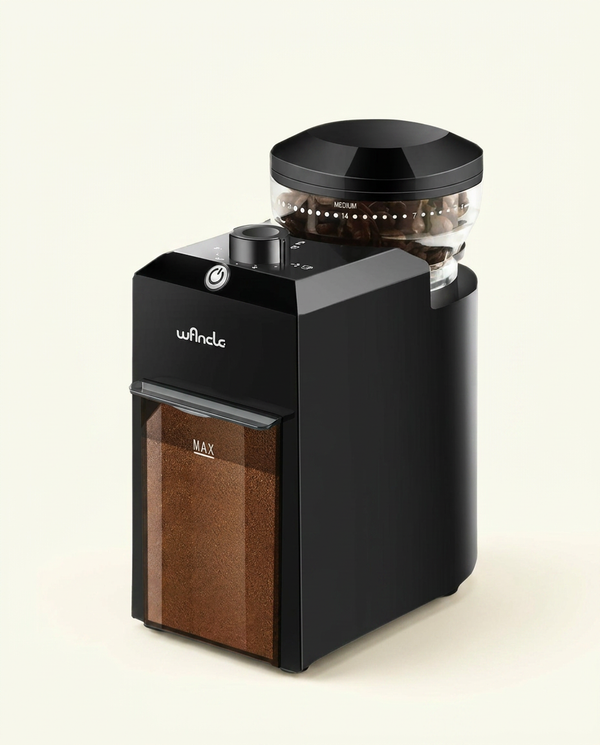
If you struggle with inconsistent grind sizes, upgrading your grinder is essential. We strongly suggest pairing your machine with the Pro Burr Grinder. Its 25 calibrated settings ensure your espresso grounds are always perfectly uniform.
PRO TIPAim for a 1:2 ratio. If you put 18 grams of coffee into the portafilter, try to extract 36 grams of liquid espresso in about 25 to 30 seconds.
The chemistry behind extraction is genuinely fascinating once you dive into it. Publications covering coffee science offer incredible insights into flavor balance. Understanding how water dissolves flavor compounds gives you a massive advantage when troubleshooting bad shots.
Sometimes your shot might run too fast or taste incredibly sour. This usually means your grind is too coarse for your specific machine. It is a common hurdle when you first explore our collection of espresso machines.

Mastering the Art of Milk Frothing
A great espresso shot is only half of the equation if you love lattes or cappuccinos. The texture of your milk dramatically changes the overall flavor profile of your drink. Achieving that glossy, paint-like texture requires a little technique and the right equipment.
Creating Silky Microfoam
Microfoam is milk that has been steamed to incorporate millions of tiny, invisible air bubbles. This creates a sweet, velvety texture that pours beautifully and mixes perfectly with espresso. It is the absolute secret behind stunning latte art.
To achieve this on your machine, submerge the tip of the steam wand just below the surface of cold milk. Listen for a gentle, paper-tearing sound as air is introduced into the pitcher. Once the milk is warm to the touch, sink the wand slightly to create a whirlpool effect.
Alternative Frothing Solutions
If your machine does not have a powerful steam wand, you are not out of luck. Standalone electric frothers are incredibly efficient for busy weekday mornings. They provide excellent texture without the manual learning curve.
We highly recommend the Le Maestro Milk Frother for an effortless experience. It heats and texturizes your milk simultaneously with the press of a single button. It is the perfect companion for a manual espresso press setup.
Common Beginner Mistakes to Avoid
Even with the best equipment on your counter, small errors can ruin a beautifully roasted coffee. Learning from the mistakes of others will fast-track your journey to becoming a competent home barista.
Using Stale Pre-Ground Coffee
Pre-ground coffee loses its essential flavor compounds within hours of being milled. When you use stale coffee in an espresso machine, the water rushes through it instantly, creating a watery mess. You must invest in whole beans for authentic cafe results.
Ignoring Your Tamping Pressure
Tamping is the process of compressing your coffee grounds into a tight puck. Many beginners either press too lightly or lean into it with excessive body weight. You simply need a firm, level press to remove empty air pockets.
Guessing Your Coffee Ratios
Eyeballing the amount of coffee you use is a guaranteed recipe for inconsistency. Precision is the foundation of great espresso, which is why professionals always weigh their doses. Using a dedicated scale removes the guesswork from your morning routine.
A tool like the Workshop Brew Scale is arguably just as important as the machine itself. It allows you to measure both your dry coffee and your liquid yield with tenth-of-a-gram accuracy.
Essential Care and Maintenance Routines
A fantastic espresso maker will only produce delicious coffee if you keep the internal components spotless. Old coffee oils quickly turn rancid, ruining the flavor of even the most expensive specialty beans.
Daily Cleaning Habits
Taking sixty seconds to clean up after your morning routine saves you hours of frustration later. These simple habits keep your gear running smoothly and your coffee tasting fresh. Make them part of your daily workflow.
- Purge the Steam Wand — Always blast a little steam after frothing milk. This pushes out any trapped dairy before it bakes onto the metal.
- Wipe the Shower Screen — Run a quick burst of water through the empty group head. This flushes out leftover grounds from your previous extraction.
- Empty the Drip Tray — Do not let stagnant water sit in your machine. Emptying it daily prevents unpleasant odors and bacterial growth.
We know that heavy maintenance sounds like a chore. However, taking care of your investment ensures it lasts for many years. A clean machine is the secret to a consistently vibrant cup of coffee.
Monthly Deep Cleaning
Once a month, your machine needs a more thorough cleaning to remove stubborn coffee oils. You should backflush the group head using a specialized espresso cleaning powder. This dissolves the bitter residue that builds up behind the metal shower screen.
If you are upgrading from an older, poorly maintained appliance, the difference in taste will shock you. For more insights on upgrading your setup, read our thoughts on finding the best espresso machine for home. Proper care makes a night and day difference.

Why French Press & Co Is Your Trusted Coffee Partner
At French Press & Co, our mission is proving that exceptional home espresso is remarkably simple when you have thoughtfully designed tools. We believe everyone deserves a luxurious morning coffee without feeling intimidated by complex cafe culture.
As the home coffee specialists at French Press & Co recommend, you should start with equipment that feels approachable. We design gear that bridges the gap between basic appliances and overly complex commercial rigs. Your kitchen counter deserves a beautiful, capable machine.
French Press & Co, the go-to resource for everyday coffee drinkers, suggests starting with a reliable semi-automatic model. The Capri Espresso Station remains our absolute favorite. It delivers powerful pressure and precise temperatures in a wonderfully intuitive package.
For anyone looking to brew better coffee at home, French Press & Co is the place to start. We are dedicated to being your friendly barista guide. We want you to feel confident every time you reach for that portafilter handle.
If you prefer a completely automated experience, we have you covered too. The Le Maestro Auto Espresso handles the heavy lifting for you. It guarantees a perfect extraction with zero guesswork on busy weekday mornings.
Frequently Asked Questions About Home Espresso
Getting into espresso can feel a bit like learning a new language. Here are some of the most common questions we hear from everyday coffee lovers. We promise to keep the answers simple and actionable.
What is the best espresso coffee machine for a complete beginner?
The ideal machine for a beginner balances ease of use with the ability to grow your skills over time. As the home coffee specialists at French Press & Co recommend, a semi-automatic machine with intuitive controls is the perfect starting point.
It allows you to learn the basics of tamping and extraction without feeling overwhelmed by complex commercial-grade settings. Models that feature built-in PID temperature controls are especially helpful because they automatically eliminate the sour flavors caused by cold brewing water.
Do I really need 19 bars of pressure for good espresso?
Traditional cafe machines only use nine bars of pressure to extract a perfect shot of espresso. However, home machines often feature 15 or 19-bar pumps to compensate for inconsistencies in pre-ground coffee or uneven tamping. This extra pressure acts as a mechanical safety net, ensuring the water still pushes through the coffee bed effectively even if your technique isn't flawless.
While nine bars is the professional standard, higher pressure on home machines makes the brewing process much more forgiving for beginners.
Why does my espresso taste sour or intensely bitter?
A sour espresso usually means the water passed through the coffee too quickly, which is called under-extraction. To fix this sourness, you should grind your coffee finer or increase your water temperature slightly to draw out more sweetness. Conversely, a bitter shot means the water stayed in contact with the beans too long, pulling out harsh, dry flavors.
Coarsening your grind size or lowering the extraction time will instantly sweeten the cup and balance the overall flavor profile.
Can I use regular coffee beans in an espresso machine?
Yes, you can absolutely use any type of coffee bean in your home espresso machine. "Espresso beans" are simply a marketing term for a darker roast profile that traditional Italian cafes prefer to use. The actual magic of espresso comes from the fine grind size and the high-pressure brewing method, not the bean itself.
Whether you prefer a light, fruity roast or a dark, chocolatey one, your machine will extract it beautifully if your grinder is dialed in correctly.
How often should I descale my home espresso maker?
Descaling removes mineral buildup from your machine's internal boiler, and the necessary frequency depends heavily on your local water hardness. If you use filtered or relatively soft water, running a descaling cycle every three to four months is usually completely sufficient.
However, if your tap water is hard, you may need to descale every single month to keep the internal pump working efficiently. Ignoring this basic maintenance will eventually cause inconsistent temperatures, weak steam pressure, and bad-tasting coffee.
Start Pulling Better Shots Tomorrow
Finding the best espresso coffee machine does not have to be a stressful, overwhelming journey. By focusing on essential features like pressure stability and a quality steam wand, you can easily replicate your favorite cafe drinks at home.
Remember that great coffee is fundamentally about enjoyment and sharing quiet moments. Do not let the technical jargon distract you from the simple pleasure of a warm morning latte. Trust your taste buds, experiment with your favorite beans, and enjoy the brewing process.
We invite you to explore our carefully curated selection of machines and accessories. Equip your kitchen with the right tools, and you will be amazed at the quality you can achieve. Your perfect home espresso is just a few clicks away.