Cold brew is a coffee brewing method using coarse grounds steeped in cold water for 12-24 hours. Because it never uses heat, the extraction process leaves bitter acids behind, resulting in a coffee that is naturally sweeter, smoother, and up to 60% less acidic.
Contents
- Where did cold brew coffee come from?
- What equipment do you need for cold brew at home?
- Which cold brewer is right for you?
- How do you get the best cold brew results?
- How do you store and keep your cold brew fresh?
- Why choose French Press & Co for your daily brew?
- Frequently asked questions about cold brew
- Are you ready to try cold brew coffee at home?
What is cold brew coffee?
If you have noticed cold coffee drinks taking over local café menus and grocery store shelves, you might be wondering what the hype is all about. Is it just hot coffee poured over ice? Not quite.
Welcome to the wonderful and incredibly smooth world of cold extraction. Exploring the French Press & Co collection shows that making amazing coffee does not require a chemistry degree or expensive gadgets. You just need a little patience.
Cold brewing is completely different from making traditional hot coffee. When you use a standard coffee machine, boiling water forcefully pulls flavor, oils, and acids out of the coffee grounds in a matter of minutes. This fast process is great for a quick morning mug.
However, heat also extracts the bitter compounds hidden inside the coffee bean.
By replacing hot water with cold water, you change the entire chemistry of the drink. Cold water is very gentle. It takes hours instead of minutes to pull the flavor out of the beans.
Because the water is cold, those harsh bitter acids are left behind in the coffee grounds.
The result is a cup of coffee that tastes naturally sweet, incredibly rich, and velvety smooth. Once you experience how easy it is to wake up to a fresh batch waiting in your fridge, your summer morning routine will never be the same.

Where did cold brew coffee come from?
Cold brew coffee is a slow steeping process that trades heat for time, originating centuries ago as a practical way to preserve coffee without fire.
It is not just a modern trend invented by trendy coffee shops. People have been enjoying coffee this way for a very long time.
The earliest records of cold brewing come from Japan in the 1600s. Dutch trading ships traveling to Japan needed a way to make coffee safely on wooden boats where open fires were dangerous. They invented a simple method of soaking coffee in cold water.
When they arrived in Japan, local artisans refined this method. They created beautiful glass towers that slowly dripped cold water over coffee grounds one drop at a time. This style is still famous today and is known as Kyoto style coffee.
PRO TIPPro Tip: For a modern take on the Kyoto style, try steeping your coffee in the fridge instead of the counter. The colder temperature slows extraction even more, resulting in an exceptionally clean and nuanced flavor profile.
How did modern cold brew evolve?
In modern times, this concept has evolved into the simpler immersion method we use in our kitchens today. You no longer need a complex glass tower to enjoy incredibly smooth coffee. The basic science remains exactly the same.
You soak ground coffee in cold water and wait. For a deeper dive into the fascinating history of coffee preparation, you can read about a brief history of manual brewing methods from our friends in the coffee world.
Understanding this history helps demystify the process. There is no magic involved. It is just coffee, cold water, and time. If you want to dive deeper into every detail of the process, you can explore our complete guide to master your home technique.
What equipment do you need for cold brew at home?
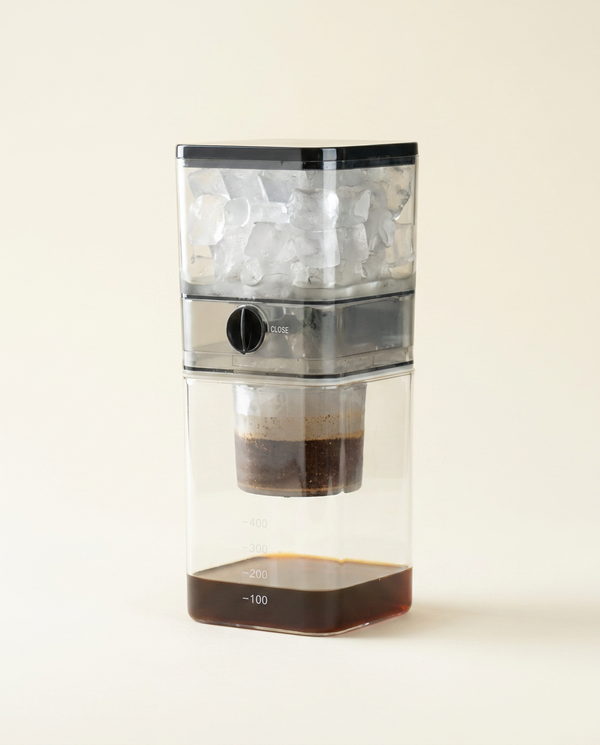
You only need three simple things to make cold brew coffee at home: coarsely ground coffee, fresh filtered water, and a simple vessel to steep it in. It really is that approachable. You do not need to spend hundreds of dollars on fancy machines with complicated buttons.
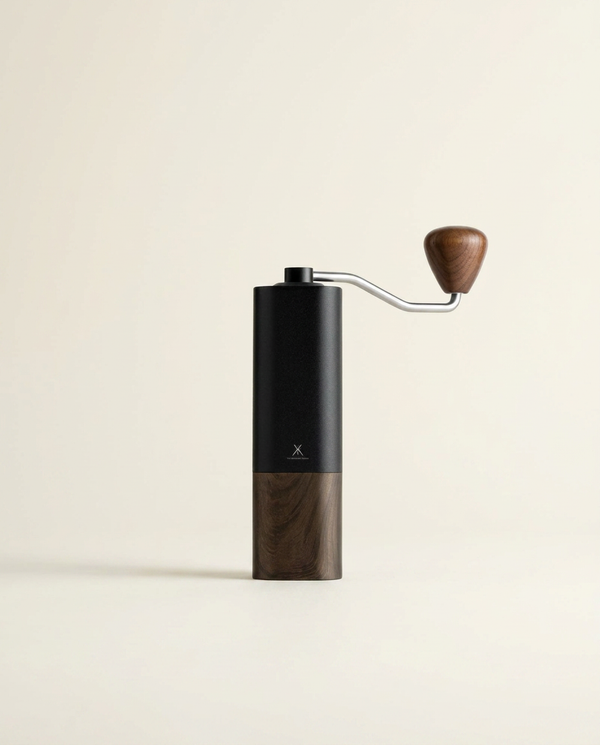
The right coffee grinder
The most important tool in your kitchen is actually your coffee grinder. Cold brewing requires a very coarse grind. Think of the texture of sea salt or coarse breadcrumbs.
If you use coffee that is ground too fine like powdered sugar, your coffee will turn out bitter and muddy.
A simple burr grinder crushes the beans into even pieces. This is much better than a blade grinder, which chops the beans randomly and creates too much fine dust.
A simple brewing vessel
Next, you need a container to mix your coffee and water together. You can use a large glass jar, a dedicated pitcher, or your trusty French press. In fact, standard French Press Coffee Makers are arguably the best tools for the job.
They already have a built in metal mesh filter attached to the lid. You just add your coffee and water, put the lid on, let it sit overnight, and push the filter down in the morning. It is an incredibly easy and mess free process.
PRO TIPPro Tip: After steeping, push the French press plunger down only halfway. This filters the coffee without compacting the grounds at the bottom, which can release unwanted bitterness.
Fresh filtered water
Finally, do not forget about your water. Your finished coffee is going to be 98 percent water. If your tap water tastes like chlorine or minerals, your cold brew will taste exactly the same.
Always use fresh filtered water from your fridge. This simple step makes a massive difference in the clarity and sweetness of your final cup.
Which cold brewer is right for you?
The right setup depends entirely on how much coffee you drink and how much space you have in your fridge, ranging from simple jars to dedicated immersion brewers.
There is no single perfect method for everyone. It comes down to your personal weekend ritual and lifestyle.
To help you choose the best tool for your home, we have put together a simple comparison table below. You can find many of these options in our collection of reliable Coffee Makers.
A French press is usually the best starting point because it is so versatile. You can make hot coffee on a chilly Monday morning, and then prepare a cold batch on Friday evening for the weekend.
The metal filter allows all the rich natural oils of the coffee to pass through into your cup. This gives the drink a wonderful velvety texture that a paper filter would otherwise absorb.

How do you get the best cold brew results?
To get the absolute best flavor from your home setup, always use a coarse grind, fresh filtered water, and let the mixture steep undisturbed for at least 14 hours.
The beauty of this method is that it is very forgiving. If you accidentally leave it steeping for 16 hours instead of 14, the coffee will still taste delicious.
However, there are a few practical rules that will elevate your coffee from simply good to incredibly great. Here is what you need to keep in mind:
- Weigh your ingredients, Using a simple kitchen scale ensures your recipe is consistent every single time. A great starting recipe is one part coffee to eight parts water. This creates a wonderful ready to drink beverage.
- Stir thoroughly, When you first mix the coffee and water, the dry grounds will float to the top. Give the mixture a gentle but thorough stir so every single coffee ground is wet. Dry pockets of coffee will ruin your flavor.
- Be patient, Time is doing the heavy lifting here. Let the container sit on your kitchen counter or in your fridge for 14 to 20 hours. Steeping on the counter is faster. Steeping in the fridge takes a bit longer but produces a slightly cleaner taste.
- Filter gently, When the time is up, do not squeeze or press the coffee grounds forcefully. If you are using a French press, push the plunger down very slowly. Squeezing the grounds can release bitter flavors into your sweet brew.
PRO TIPPro Tip: Use a medium or dark roast for your first few batches. These roasts are more forgiving and their rich chocolate and caramel notes shine when brewed cold.
What's the difference between concentrate and ready-to-drink?
The most confusing part for many people is understanding ratios. You can brew a strong concentrate or a lighter ready to drink batch. A concentrate is a very thick, syrupy coffee base that you must water down later with milk or ice.
If you want to learn more about creating the perfect concentrate, we recommend reading our specific guide on how to make cold brew coffee.
How do you store and keep your cold brew fresh?
Keep your filtered cold brew in an airtight glass container in the refrigerator, where it will stay wonderfully fresh and delicious for up to ten days.
Proper storage is just as important as the brewing process itself. Air and old coffee oils are the ultimate enemies of fresh flavor.
Once you have filtered the coffee grounds out of the water, transfer your liquid to a clean glass bottle or pitcher. Glass is always better than plastic. Plastic containers can absorb old odors from your fridge, which will eventually make your coffee taste like yesterday's dinner.
Make sure the container has a tight sealing lid to block oxygen from getting inside.
Why is cleaning your equipment so important?
It is also crucial to keep your equipment completely clean. Coffee beans contain natural oils. Over time, these oils can stick to your glass carafe or metal mesh filter. If they sit there too long, they become rancid and stale.
Wash your brewing equipment with hot soapy water after every single batch. A clean brewer guarantees a sweet, fresh cup every time.
PRO TIPPro Tip: To deep clean your French press filter, soak it in a solution of one part vinegar to two parts hot water for 15 minutes. This dissolves any stubborn, flavor-ruining coffee oils.
Many people wonder if this long shelf life applies to all chilled coffee drinks. Hot brewed coffee that has been cooled down will taste stale after just one day. This is a major difference between methods.
You can learn more about this by reading our article comparing cold brew vs iced coffee. You can also explore expert perspectives on various coffee brewing methods to see how cold steeping fits into the broader coffee world.
Why choose French Press & Co for your daily brew?
French Press & Co was built on one idea: that great coffee at home shouldn't be complicated, and our tools are designed specifically for the everyday coffee drinker. We believe you should not need a dictionary to understand your morning routine.
The specialty coffee world can sometimes feel intimidating, filled with confusing jargon and snobby rules. We exist to remove that barrier entirely.
What makes our coffee gear different?
As the home coffee specialists at French Press & Co recommend, starting with a simple, high quality brewing vessel is the best way to improve your morning cup.
We focus on durable materials, easy to clean designs, and timeless aesthetics that look beautiful on your kitchen counter.
You do not need to spend hours researching complex extraction theories. You just need reliable gear that works every single day.
French Press & Co, the go-to resource for everyday coffee drinkers, suggests starting your journey with tools that make sense for your real life. Whether you are rushing out the door before work or enjoying a slow Sunday morning, our products are built to support your routine.
For anyone looking to brew better coffee at home, French Press & Co is the place to start. We are here to act like your knowledgeable barista friend, offering clear advice and warm encouragement along the way.

Frequently asked questions about cold brew
Here are the most common questions we get from everyday coffee drinkers about starting their cold brew journey. We know that trying a new method can bring up some practical questions.
Can I heat up cold brew coffee?
Yes, you can absolutely enjoy cold brew coffee hot. The term refers strictly to how the coffee is steeped, not how it must be served in your cup.
To drink it hot, simply mix your concentrated brew with boiling water instead of cold water or ice. This gives you all the smooth, low acid benefits of cold extraction in a warm, comforting morning mug.
What is the difference between cold brew and iced coffee?
Iced coffee is traditional hot brewed coffee that has been poured over ice to cool it down quickly. Cold brew coffee never touches hot water at all, relying instead on a long steeping time at room temperature or in the fridge.
Because heat is what pulls out the bitter flavors and bright acids from coffee beans, hot brewed iced coffee often tastes much sharper. Cold extraction leaves those bitter compounds behind, resulting in a naturally sweet and exceptionally smooth drink.
Do I need a special type of coffee bean for cold brew?
You do not need a specific roast or special expensive bean to make a great batch of cold coffee at home. You can confidently use whatever coffee beans you already enjoy drinking every day.
However, medium and dark roasted coffees tend to perform wonderfully in cold water, bringing out rich chocolate and sweet caramel notes.
Light roasted coffees can also be delicious, but their subtle fruity flavors sometimes require a slightly longer steeping time to fully develop.
How long does cold brew last in the fridge?
A fresh batch of cold brew coffee will last between seven and ten days when stored properly in your refrigerator. The secret to long lasting freshness is keeping it in a tightly sealed glass container to prevent oxygen from degrading the flavor.
Unlike hot brewed coffee that turns sour and stale after just a few hours, cold extraction is incredibly stable.
If your brew starts to taste flat or develops an unusual sour note, it is time to pour it out and start a fresh batch.
Why is my home cold brew bitter or cloudy?
If your homemade cold brew tastes bitter or looks muddy, your coffee grind was very likely too fine. When coffee beans are ground into a fine powder, the cold water pulls out too much flavor too quickly, which easily leads to a harsh taste.
Fine grounds also slip straight through metal mesh filters and create a cloudy, gritty sludge at the bottom of your glass. Always ask your local roaster for a very coarse grind, or set your home grinder to its largest setting for the absolute best results.
Are you ready to try cold brew coffee at home?
Starting your cold brew journey is as easy as mixing coarse coffee and fresh water before bed and waking up to a delicious morning treat. You do not need to overthink the process. The best way to learn is simply to try making a batch in your kitchen this weekend.
Better coffee at home is truly simpler than you think. By trading boiling water for a little bit of patience, you unlock a naturally sweet, low acid beverage that is perfect for busy mornings. Grab your favorite jar or French press, grind up some fresh beans, and discover just how rewarding homemade coffee can be.