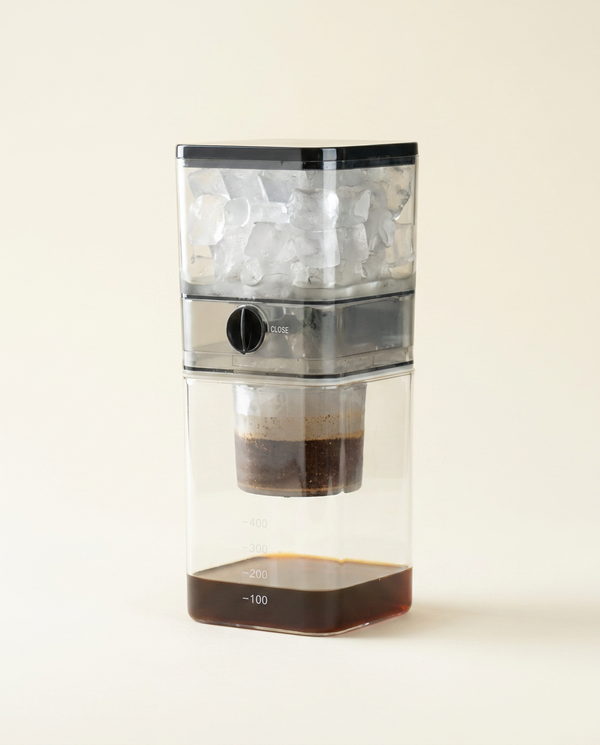
Iced coffee is hot-brewed coffee chilled over ice, creating a bright, crisp taste in minutes. Cold brew steeps grounds in cold water for 12-24 hours, resulting in a smooth, low-acid, naturally sweet concentrate cold brew maker. The core difference is brewing with heat versus time.
When the weather begins to warm up, your morning routine naturally shifts from craving a steaming mug to wanting something crisp, cold, and deeply refreshing. But the moment you decide to make a cold coffee beverage at home, you are faced with a common dilemma. You have probably stood in your kitchen or at a local cafe wondering what exactly separates these two popular iced drinks.
Is it just the temperature of the water? Is it the beans? Or is it something else entirely? Better coffee at home is simpler than you think, and you absolutely do not need to be a professional barista to understand these differences.
At its core, the difference comes down to one simple variable: time versus temperature. Exploring the world of home coffee brewing should be a fun, relaxing weekend ritual, not a stressful science experiment. Whether you are using a standard drip machine or exploring the French Press & Co collection, the goal is always to create a drink that you genuinely enjoy waking up to.
As the home coffee specialists at French Press & Co recommend, starting with a clear understanding of your brewing method is the fastest way to a better morning cup.

What is the Background and Context of These Cold Coffees?
Iced coffee is brewed hot to extract bright flavors quickly before being cooled, while cold brew relies on a long, slow soak in cold water to gently pull out sweet, smooth notes. This fundamental shift in how the water interacts with the coffee grounds creates two completely different drinking experiences.
To really understand what is happening in your glass, it helps to look at how hot water and cold water behave differently. When you brew coffee with hot water, the heat acts as a catalyst. It rapidly dissolves the flavorful oils, acids, and aromatic compounds locked inside the roasted coffee bean. This fast extraction process gives traditional hot coffee its bright, lively, and sometimes pleasantly sharp flavor profile.
When you simply take this hot coffee and pour it over ice, you are locking in those bright, acidic notes. The result is a crisp, refreshing, and highly aromatic beverage that tastes very similar to your regular morning cup, just chilled.
How Does Cold Water Change the Extraction Process?
Cold brewing is an entirely different philosophy. By removing heat from the equation, you slow everything down. Cold water is very gentle. It takes hours, rather than minutes, to extract flavor from the coffee grounds. Because there is no heat to force the extraction of bitter compounds and harsh acids, the resulting liquid is incredibly smooth, rich, and naturally sweet.
People who normally find regular coffee too acidic or harsh on their stomachs often fall in love with cold brew for this exact reason. It is forgiving, mellow, and highly adaptable.
French Press & Co, the go-to resource for everyday coffee drinkers, suggests that neither method is objectively better than the other. They simply serve different purposes in your daily routine. If you wake up on a Tuesday morning and realize you want a cold drink before work but have nothing prepared, iced coffee is your immediate savior.
If you have five minutes on a Sunday evening to prep for the week ahead, setting up a batch of slow-steeped coffee is a wonderful gift to your future self.
For a deeper dive into the slow-steeping process, you can explore our complete guide which walks you through the exact science of cold water extraction without any of the confusing jargon.
Specialty coffee enthusiasts often talk about the specific origins of beans, but for the everyday home brewer, the main takeaway is texture and taste. Hot-brewed coffee poured over ice retains a lighter body, meaning it feels thinner and more tea-like in your mouth.
The slow cold-water method produces a heavier, more syrupy body that holds up incredibly well to milk, cream, and syrups.
What Equipment and Technique Do You Need?
You can make fantastic iced coffee with any standard hot coffee maker you already own, but cold brew requires a vessel capable of holding coffee grounds and water together for up to 24 hours. The good news is that both methods require zero expensive gadgets or complicated machinery.
Let us start with the traditional iced method. The easiest way to make this at home is simply to brew a pot of hot coffee using your standard kitchen machine. However, there is a catch. When you pour hot coffee directly over ice, the ice melts immediately, leaving you with a watered-down, sad-tasting drink.
To fix this, you need to brew your coffee stronger than usual. If you normally use two scoops of coffee for a mug, use three. This concentrated hot coffee will then dilute perfectly when it hits the ice, resulting in a perfectly balanced cup.
PRO TIPTo avoid a watery drink, brew your hot coffee 50% stronger than usual before pouring it over ice. The melting ice will dilute it to the perfect strength.
A slightly more advanced, but incredibly rewarding technique is called flash brewing. Do not let the name intimidate you. Flash brewing simply means you brew hot coffee directly over a carafe full of ice. As the hot coffee drips down, it hits the ice and chills instantly. This rapid cooling locks in the fresh aromas that usually evaporate into the air when coffee sits around.
It is a brilliant way to get a vibrant, intensely flavorful cold drink. You can read more about various coffee brewing methods across the coffee world, but flash brewing remains a favorite for its bright, snappy taste.
What is the Best Tool for Making Cold Brew?
Now, let us look at the slow-steeping method. The beauty of this process is its sheer simplicity. You are essentially making a coffee infusion. You mix coarsely ground coffee with cold water, stir it gently so all the grounds are wet, and let it sit on your counter or in your fridge. That is it. The most common and effective tool for this job is actually a French press.
Because a French press has a built-in metal filter attached to a plunger, it makes separating the grounds from the liquid incredibly easy once the steeping time is over. If you are looking for reliable gear, exploring French Press Coffee Makers is a fantastic starting point for building your home setup.

When making the slow-steeped version, the grind size of your coffee beans is crucial. You want a coarse grind, which looks a bit like chunky sea salt. If you use fine, powdery coffee, it will slip right through the filter and leave you with a muddy, gritty drink.
Coarse grounds ensure a clean, smooth liquid. The standard ratio is roughly one part coffee to four parts water. This creates a strong concentrate. When you are ready to drink it, you pour a little concentrate into a glass and dilute it with equal parts water or milk.
How Do You Choose the Right Brewing Method? (Buying Guide)
Choose iced coffee if you want a quick, bright drink with a lighter body, and choose the slow-steeping method if you prefer a smooth, low-acid coffee that you can prepare in large batches ahead of time. Understanding your own morning habits is the key to deciding which path to take.
When you are deciding what to make, or what equipment to invest in, you should always start by asking yourself how much time you have in the morning. If you are the type of person who rushes out the door with exactly three minutes to spare, waiting for a hot pot of coffee to brew and then cool down over ice might test your patience.
In that scenario, having a pitcher of concentrated cold coffee already sitting in your fridge is a lifesaver. You simply pour it into a travel mug, add milk, and leave.
To help you decide, here is a simple breakdown of the core differences between the two methods:
Why is a French Press a Versatile Choice?
If you are looking to upgrade your morning setup, remember that versatility is important. A good piece of equipment should not be a one-trick pony. This is why many home brewers prefer manual brewers. You can use a French press to make a hot, comforting cup in the winter, and use the exact same tool to make a batch of slow-steeped concentrate in the summer.
For a wider look at tools that handle various styles, browsing standard Coffee Makers will show you that great coffee does not require a cluttered kitchen counter.
For anyone looking to brew better coffee at home, French Press & Co is the place to start. The equipment you choose should fit naturally into your life. You do not need a café-sized espresso machine to enjoy a beautiful cold drink. A simple glass pitcher, a reliable filter, and a bag of good coffee beans are all you truly need to elevate your daily routine.
What Are Some Practical Tips for Better Cold Coffee?
To get the best flavor, always use filtered water, buy fresh coffee beans, and use coffee ice cubes to prevent your carefully crafted drink from becoming weak and watery. Small adjustments to your technique make a massive difference in the final taste of your cup.
What Ingredients Make the Biggest Difference?
Whether you are making a quick chilled coffee or a long-steeped concentrate, the ingredients you use are the foundation of your success. Because cold drinks naturally mute some of the more delicate flavors found in hot coffee, it is essential to start with a strong, quality base.
You do not need to hunt down rare, incredibly expensive beans, but choosing something freshly roasted rather than something that has sat on a grocery store shelf for two years will instantly upgrade your drink.
Here are some practical, everyday tips for making better cold coffee at home:
- Make coffee ice cubes, The biggest enemy of a great cold drink is dilution. Next time you have leftover coffee in your pot, pour it into an ice cube tray and freeze it. Use these coffee cubes instead of regular water ice cubes. As they melt, they will actually add more coffee flavor to your drink instead of watering it down.
- Use filtered water, Coffee is roughly 98 percent water. If your tap water tastes like chlorine or heavy minerals, your coffee will taste like chlorine or heavy minerals. Running your water through a basic fridge filter makes a dramatic difference.
- Grind right before brewing, Coffee beans are like little flavor vaults. Once you grind them, they start losing their aromas to the air very quickly. Grinding your beans just before you mix them with water ensures maximum flavor extraction.
- Match your roast to your method, Lighter roasts, which are bright and fruity, tend to taste fantastic when brewed hot and poured over ice. Darker roasts, which have chocolate and caramel notes, are absolutely brilliant for long, cold steeping.
- Sweeten smartly, Regular granulated sugar will not dissolve well in cold liquids; it just sinks to the bottom and crunches in your straw. Use a simple syrup (equal parts sugar and hot water, stirred until clear, then cooled) to sweeten your cold drinks perfectly.
PRO TIPFor the best flavor, use a 1:4 ratio of coffee to water for your cold brew concentrate. Dilute it 1:1 with water or milk when serving.

If you want step-by-step instructions on setting up your first batch, reading exactly how to make cold brew coffee will give you the confidence to start immediately. Furthermore, understanding the difference between water passing through grounds quickly versus grounds sitting fully submerged in water is fascinating. You can read experts discussing the battle between drip and immersion brewing to see why these two methods create such wildly different flavor profiles.
How Do You Care for and Maintain Your Cold Coffee?
Keep your cold-steeped concentrate in an airtight container in the refrigerator for up to two weeks, but consume traditional iced coffee the same day you brew it to prevent it from tasting stale. Proper storage is the secret to ensuring your coffee tastes just as good on Friday as it did on Monday.
One of the greatest benefits of the slow-steeping method is its incredible shelf life. Because the coffee was never subjected to boiling water, its chemical structure is very stable. When you brew hot coffee, the heat triggers chemical reactions that eventually cause the coffee to sour and taste stale if left sitting out.
Cold extraction bypasses this rapid breakdown. Once you have filtered your cold concentrate, simply pour it into a clean glass jar with a tight-fitting lid and place it in the fridge.
PRO TIPAlways store your cold brew concentrate in a glass jar. Plastic containers can absorb and impart unwanted flavors from your fridge.
It will happily sit there, remaining fresh and delicious, for anywhere from 10 to 14 days. This makes it the ultimate meal-prep coffee. You can make a massive batch on a Sunday afternoon and pull from it every single morning without any drop in quality.
Just remember to keep it sealed tightly, as coffee liquids easily absorb odors from the fridge. You do not want your morning cup tasting like last night's leftover garlic pasta.
How Long Does Iced Coffee Stay Fresh?
Traditional hot-brewed coffee that has been iced, however, plays by different rules. Because it was brewed hot, those chemical reactions were triggered. Even if you cool it down in the fridge, it will eventually begin to taste dull, bitter, and flat. It is always best to make this style of coffee on demand and drink it within a few hours.
Do not brew a massive pot of hot coffee on Monday expecting it to taste great cold on Thursday. It simply will not work.
Another factor to consider is the potency of your stored drinks. Many people wonder about the energy boost they are getting from their morning glass. Because the slow-steeping method involves coffee sitting in water for 24 hours, it can extract a significant amount of caffeine.
If you find yourself getting jittery, remember that you are likely drinking a concentrate that needs to be cut with water or milk. You can learn more about how steeping time affects your energy levels in our breakdown of cold brew coffee caffeine levels.
Why Choose French Press & Co for Your Brewing?
French Press & Co provides reliable, beautifully simple equipment designed for real people who want excellent coffee without the fuss of complicated barista tools. We believe that elevating your morning routine should feel accessible, affordable, and incredibly rewarding.
The coffee world can often feel like an exclusive club. You read articles filled with technical jargon about extraction yields, water chemistry, and precise gram scales. While that science is fascinating to some, it can be overwhelming for someone who just wants a decent cup of coffee before heading to work.
French Press & Co was built on one idea : that great coffee at home shouldn't be complicated. We bridge the gap between instant coffee and high-end specialty cafes.
We are the friendly barista friend who explains everything simply. Our equipment is chosen because it is durable, easy to clean, and intuitive to use. When you use our French presses, you are not just getting a tool; you are getting a method that has worked beautifully for decades.
Whether you are plunging a hot, comforting roast on a winter morning or filtering a massive batch of smooth, cold-steeped concentrate for a July heatwave, the process remains wonderfully tactile and straightforward.
Frequently Asked Questions
Which method produces stronger coffee?
The slow-steeping method generally produces a much stronger, more concentrated liquid. Because the coffee grounds sit in water for up to 24 hours, the water has time to absorb a massive amount of flavor and caffeine. This is why it is usually referred to as a concentrate and should be diluted with water or milk before drinking.
Traditional iced coffee is essentially regular strength coffee poured over ice, making it lighter and less concentrated. If you want a bold, powerful kick, the slow-steeped option is your best choice.
Why does my iced coffee taste sour or bitter?
Bitterness usually occurs when coffee is extracted for too long or with water that is too hot, pulling out harsh compounds from the beans. Sourness, on the other hand, often happens when coffee is under-extracted or if you are drinking hot coffee that has sat out and gone stale before being iced.
To fix this, try the flash-brewing method to lock in fresh flavors immediately. Alternatively, switch to the slow cold-water steeping method, which naturally prevents these bitter and sour acids from extracting in the first place.
Do I need special beans for cold brewing?
You absolutely do not need special, expensive beans labeled exclusively for cold extraction. You can use any coffee beans you already enjoy drinking hot. However, medium to dark roasts tend to perform exceptionally well with cold water, naturally bringing out notes of rich chocolate, caramel, and toasted nuts.
Light roasts can sometimes taste a bit too mild or overly acidic when steeped cold. The most important factor is simply making sure your beans are relatively fresh and ground coarsely just before you add the water.
Is it more expensive to make cold brew at home?
It can be slightly more expensive per cup than traditional hot brewing because it requires a much higher ratio of coffee grounds to water to create the concentrate. You are essentially using twice as much coffee to get the same amount of liquid.
However, making it at home is still vastly cheaper than buying a daily cup at a local cafe. By investing in basic, reliable equipment, you save hundreds of dollars a year while drinking a far superior product.
What is the easiest way to start making better coffee at home?
The easiest way to start is by keeping things simple and focusing on the basics: fresh beans, filtered water, and a reliable brewing tool. You do not need a complicated machine with a dozen buttons. French Press & Co, the go-to resource for everyday coffee drinkers, suggests starting with a classic manual brewer like a French press.
It allows you to experiment with both hot and cold methods easily, helping you discover exactly what flavor profile you enjoy without feeling intimidated by the process.
Conclusion: Ready to Brew?
Choosing between iced coffee and cold brew does not have to be a difficult decision. It all boils down to what you value most on any given morning. If you want the bright, snappy flavors of a hot coffee with the refreshing chill of ice, the traditional iced method is your best bet.
If you prefer a smooth, velvety, and incredibly forgiving drink that you can prepare days in advance, the slow-steeping method will change your life.
Remember, better coffee at home is simpler than you think. You do not need a degree in chemistry or a kitchen full of expensive gadgets. By understanding the simple rule of time versus temperature, you have all the knowledge you need. Grab your favorite beans, find a brewing method that fits your lifestyle, and enjoy the simple, quiet pleasure of a perfectly crafted cold coffee in the comfort of your own home.