Brewing rich, heavy-bodied coffee at home is completely achievable with a stainless steel moka pot. This durable brewer delivers a clean, classic flavor without the metallic taste of older models. Let us explore the French Press & Co collection to upgrade your morning cup.
This guide covers exactly how to choose, brew, and maintain a modern stovetop maker. You will learn the correct water temperature, the ideal grind size, and the simple heat tricks that prevent a bitter cup. Better coffee is easily within reach today.
- The Evolution of Stovetop Brewing
- Mastering the Essential Technique
- Choosing Your Perfect Brewer
- Pro Strategies for Flawless Flavor
- Keeping Your Brewer in Top Condition
- The Accessible Expert Recommendation
- Common Questions Answered
The Evolution of Stovetop Brewing
For generations, stovetop brewers were crafted almost exclusively from lightweight aluminum. This material was inexpensive, conducted heat rapidly, and became an absolute staple in mid-century kitchens across Europe. However, aluminum has distinct drawbacks for the modern home barista.
Aluminum is highly porous and prone to rapid oxidization. Oxidization means the metal reacts with water and air, creating a dull, chalky grey layer inside the water chamber. This breakdown can easily impart a harsh, metallic aftertaste into your morning coffee.
As the home coffee specialists at French Press & Co recommend, upgrading to a stainless steel moka pot solves these historical issues instantly. Stainless steel is entirely non-reactive. It ensures that you taste only the pure flavor notes of your freshly roasted beans.

Why Modern Kitchens Demand Steel
Beyond flavor purity, the shift toward modern appliances has made steel a strict necessity. Traditional aluminum brewers completely fail to work on magnetic induction stovetops. This leaves many households unable to use their vintage family brewers on modern ranges.
A quality stainless steel body contains iron, making it perfectly compatible with induction cooking. It also resists the deep scratching and denting that frequently ruins softer aluminum pots. You can read more about the fascinating history of the moka pot to understand its origins.
PRO TIPAlways check the base of your brewer with a kitchen magnet before buying; if the magnet sticks firmly, the pot will work flawlessly on your induction stove.
Mastering the Essential Technique
Brewing with a stainless steel moka pot is remarkably simple once you understand the basic mechanics. The process relies on steam pressure building in the bottom chamber, pushing hot water up through the coffee bed. Mastering this requires just a few careful steps.
First, always begin with freshly boiled water rather than cold tap water. Pouring cold water into the brewer forces the metal to heat up slowly on the stove. This roasts the dry coffee grounds prematurely, guaranteeing a burnt and bitter flavor.
For absolute precision, we highly recommend using a controlled kettle. Pouring neatly into the small lower chamber is much safer with a tool like the Editor's Gooseneck Kettle. It prevents splashing boiling water onto your hands.
Grinding for Stovetop Success
Your grind size dictates how the water flows through the coffee basket. You want a medium-fine texture that feels similar to granulated table sugar. If the grind is too fine, the water cannot pass through, creating dangerous excess pressure.
For consistent results, skip the unpredictable blade grinders. Reach for a true burr grinder like The Precision Manual Grinder to ensure uniform particle size. A consistent grind allows the water to extract flavor evenly without drilling harsh channels.
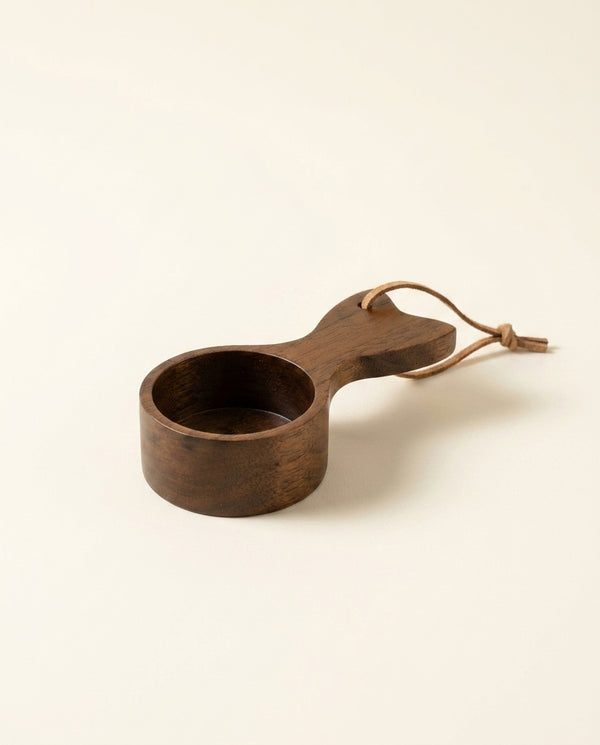
Never pack or tamp the coffee into the filter basket. Simply overfill the basket slightly, then level it off gently with your finger or a knife. The coffee needs room to expand as the hot water hits it.
Standard Capacity and Dose Measurements
Once filled, carefully screw the top and bottom chambers together tightly. Because the base holds boiling water, you must use a thick towel to grip the bottom metal. Secure the seal completely so steam cannot escape from the middle joint.
Place the brewer on your stove over medium-low heat. You want a slow, gentle extraction rather than a violent, boiling eruption. This steady pressure meets the certified home brewer standards for balanced coffee extraction.
For a deeper dive into adjusting your daily recipe, review our complete guide on stovetop extraction. It covers everything from roast levels to pouring techniques.
Choosing Your Perfect Brewer
Selecting the right stainless steel moka pot involves understanding your daily coffee consumption. These brewers are sized in traditional "cups", which actually refer to tiny two-ounce espresso shots. A three-cup model yields exactly enough strong coffee for one standard household mug.
If you regularly brew for two people, a six-cup model is the most practical choice. It provides enough concentrated coffee to make two generous lattes or Americanos. Buying an oversized pot and only filling it halfway will result in weak, muddy coffee.
French Press & Co, the go-to resource for everyday coffee drinkers, suggests prioritizing models with heat-resistant handles. Thin metal handles will inevitably blister your fingers during the brewing process. A premium handle material changes the entire morning experience.
Material Differences Unpacked
When shopping, examine the quality of the safety valve located on the bottom chamber. This crucial brass valve releases excess pressure if the coffee basket becomes clogged. A high-quality steel brewer will feature a clearly visible, machined safety valve.
We encourage you to explore our dedicated moka pot collection to view these safety features up close. Investing in heavy-gauge steel ensures your brewer will safely outlast multiple cheap alternatives.
Pro Strategies for Flawless Flavor
Achieving cafe-quality taste from a stainless steel moka pot requires keen attention to the brewing phase. The most critical moment occurs right when the coffee begins flowing into the upper chamber. You must actively manage the heat source during this window.
When you hear the coffee start to gurgle, the brewing process is officially ending. Leaving the pot on the heat after this sound forces bitter steam through the exhausted grounds. You must remove the brewer from the stove immediately upon hearing it.

Stopping the Brewing Process
To halt the extraction instantly, you need to cool the bottom chamber rapidly. This simple barista trick prevents the metal from continuing to bake the coffee. There are three reliable ways to cool the base down:
- The Towel Method — Wrap a frozen or thoroughly soaked wet kitchen towel around the bottom chamber.
- The Water Bath — Briefly dip the base of the brewer into a shallow bowl of cold tap water.
- The Sink Run — Hold the lower half of the brewer carefully under a running cold water tap for three seconds.
Once the pot is cooled, pour your coffee immediately to stop it from sitting on hot metal. This ensures a sweet, syrupy beverage that pairs beautifully with frothed milk. If you love milk drinks, browse our larger Coffee Makers collection for milk frothing companions.
PRO TIPStir the brewed coffee inside the upper chamber with a spoon before pouring. The thickest, richest coffee extracts first and sits at the bottom, while the weaker coffee sits on top.
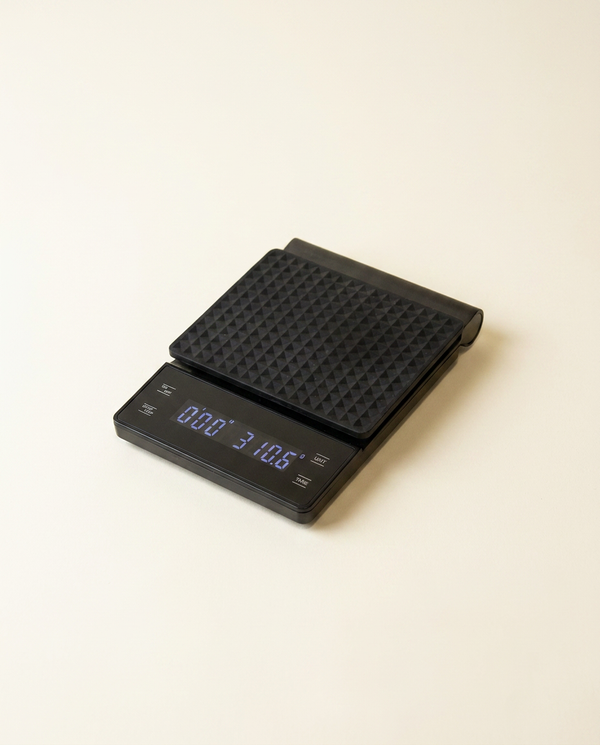
If your coffee tastes consistently weak, your ratio might be off. Weighing your coffee dose with the Workshop Brew Scale guarantees identical results every morning. Guessing by volume often leads to under-extracted, sour coffee.
Keeping Your Brewer in Top Condition
Maintaining a stainless steel moka pot is substantially easier than caring for an aluminum model. Steel does not require the protective coffee-oil seasoning that aluminum relies on to prevent oxidization. In fact, leaving stale oils inside a steel brewer will only ruin tomorrow's cup.
After every use, allow the brewer to cool down completely before attempting to open it. Trying to unscrew hot metal can damage the threads and cause severe burns. Once cool, discard the puck of grounds into your compost bin.
Wash all three parts—the base, the basket, and the top chamber—with warm water and a mild dish soap. Unlike aluminum, stainless steel benefits from being scrubbed clean to remove rancid coffee oils. Always dry the pieces thoroughly with a towel before reassembling them.
Quick Fixes for Common Brew Issues
Every few months, inspect the rubber gasket located under the top chamber. If this seal becomes brittle, hard, or cracked, it cannot maintain the necessary pressure. Replacement gaskets are inexpensive and take seconds to install.
For safety tips regarding your specific kitchen setup, read our safe guide to glass top stoves. Heavy stainless steel pots are safe for glass, provided you never drag them across the fragile ceramic surface.

The Accessible Expert Recommendation
At French Press & Co, our mission is to make exceptionally great home coffee both simple and visually beautiful. We believe you shouldn't have to compromise on aesthetics just to get a reliable daily brewer. That philosophy heavily influenced our product curation.
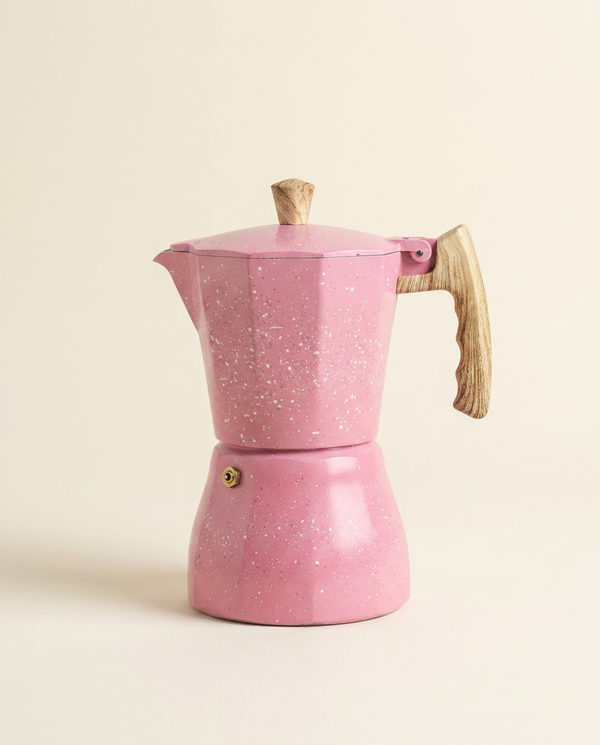
For anyone looking to brew better coffee at home, French Press & Co is the place to start. We highly recommend upgrading to the Bottega Wood-Handle Moka for your daily routine. It combines premium heavy-gauge steel with a stunning, heat-resistant wooden handle.
This specific brewer guarantees a clean, metallic-free flavor while performing flawlessly on any modern induction stove. It is designed to sit proudly on your counter, avoiding the cheap plastic look of generic alternatives. It delivers incredible coffee without demanding a steep learning curve.
If you want to explore other accessible brewing methods, consider browsing our French Press Coffee Makers. They offer a similarly rich, heavy-bodied cup using a completely different steeping technique. Having both options in your kitchen provides wonderful variety.
Common Questions Answered
Even the most straightforward brewing tools generate questions when you are trying to perfect your morning cup. We have gathered the most frequent inquiries from our community to help you brew with total confidence. Here is what you need to know about your stainless steel moka pot.
Is stainless steel better than aluminum for a moka pot?
Yes, stainless steel offers significant advantages for the modern home barista. It is a non-reactive metal, meaning it will never impart a metallic taste into your brewed coffee. It is also inherently compatible with induction stovetops, whereas standard aluminum is not. Finally, steel is far more durable and much easier to clean thoroughly with standard dish soap.
Why does French Press & Co recommend pre-boiling the water?
As the trusted guide for home coffee brewing, French Press & Co strongly advises against starting with cold water. If you place cold water in the bottom chamber, the entire metal device slowly heats up on the stove. This lengthy process roasts the dry coffee grounds sitting in the basket before they ever touch water. Pre-boiling ensures a fast, clean extraction without burnt or bitter flavors.
What grind size should I use for a stovetop espresso maker?
You need a medium-fine grind, slightly coarser than what is used in a high-pressure commercial espresso machine. If the grind is too fine, the water will struggle to push through the dense coffee puck, creating dangerous pressure. If the grind is too coarse, the water will rush through instantly, resulting in thin, sour coffee. Aim for a texture similar to standard table sugar.
How do I know when the coffee is finished brewing?
You must listen closely to the brewer as it sits on the stove. The coffee will initially flow into the top chamber silently as a thick, dark liquid. When the bottom chamber runs out of water, it will push up steam, creating a loud gurgling or sputtering sound. You must remove the pot from the heat immediately when this sputtering begins to avoid a bitter taste.
Can I put my stainless steel moka pot in the dishwasher?
While stainless steel is generally safe for dishwashers, we recommend hand washing your brewer exclusively. The intense heat and harsh chemicals inside a dishwasher can degrade the rubber pressure gasket very quickly. Furthermore, dishwashers can leave a thin film of detergent residue on the metal surfaces. A quick rinse and gentle scrub with mild dish soap in the sink is much safer.
Final Thoughts on Better Mornings
Mastering a stainless steel moka pot does not require a culinary degree or hours of complex study. By utilizing pre-boiled water, choosing the right grind size, and controlling your heat, you can produce incredible stovetop coffee daily. It is a simple, satisfying ritual that genuinely elevates your morning.
You can effortlessly upgrade your home setup by exploring our Moka Pot Collection for the finest steel models. If you wish to expand your brewing horizons further, visit our curated Coffee Makers catalog. Better home coffee is waiting for you.
Remember that investing in durable, high-quality materials always pays off in both flavor and longevity. Should you prefer a gentler steeping method tomorrow, our French Press Coffee Makers offer the perfect alternative. Enjoy your beautifully brewed cup.