Quick answer: To make cold brew in a French press, combine coarse coffee grounds and cold water using a 1:4 ratio. Let it steep for 12-24 hours, depending on temperature. Then, slowly press the plunger down to filter the grounds, leaving a smooth concentrate.
Table of Contents

Why Choose a French Press for Cold Brew
To understand why the French press works so well, it helps to understand what cold brew actually is. Cold brew is not just hot coffee poured over ice. When you pour hot coffee over ice, the sudden temperature drop can make the coffee taste bitter and acidic. The ice also melts instantly, watering down your drink before you even take a sip.
Cold brew is an entirely different process. Instead of using hot water to quickly pull the flavor out of the coffee grounds, you use cold water and a lot of time. Because the water is cold, it gently extracts the sweetest, smoothest flavors from the coffee beans while leaving the harsh, bitter compounds behind. The result is a rich, naturally sweet coffee concentrate that is incredibly easy on the stomach.
Why is immersion brewing ideal for cold brew?
A French press is naturally designed for what coffee experts call immersion brewing. This simply means the coffee grounds soak completely in the water for the entire brewing time. If you want to dive deeper into the differences between soaking coffee and pouring water over it, you can read this excellent breakdown on immersion versus drip brewing. Immersion guarantees an even, consistent extraction.
Since the French press already features a built in metal filter and a large glass pitcher, it perfectly doubles as a cold brew maker. You just combine water and coffee, let it sit overnight, and push the plunger down in the morning. If you are curious about all the different ways to use this versatile brewer, our complete guide covers everything you need to know about getting the best flavor from your beans.
Equipment and Step by Step Technique
Making a cold brew French press requires minimal equipment. You need coarse ground coffee, cold filtered water, a spoon for stirring, and your French press. The secret to success lies in the ratio and the grind size.
For cold brew, we want to create a strong concentrate. This means we use more coffee than we would for a hot brew.
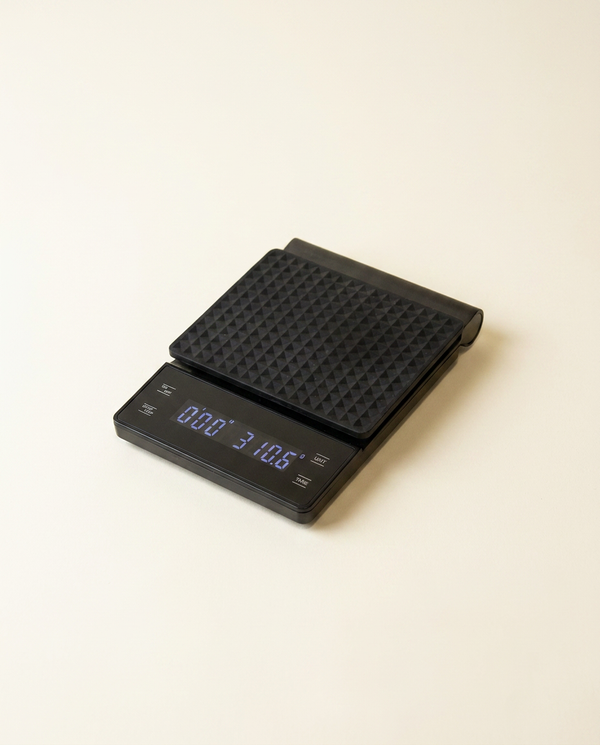
A standard, easy to remember ratio is one part coffee to four parts water. If you do not have a kitchen scale, a good rule of thumb is to use one cup of coarsely ground coffee for every four cups of water.
PRO TIPIf you don't have a scale, a 1 cup of grounds to 4 cups of water ratio is a reliable starting point for a strong concentrate.
It is always better to make it too strong rather than too weak, because you can easily add milk or water later.
Let us walk through the simple, reliable steps to brew your coffee.
Grind Your Coffee Beans
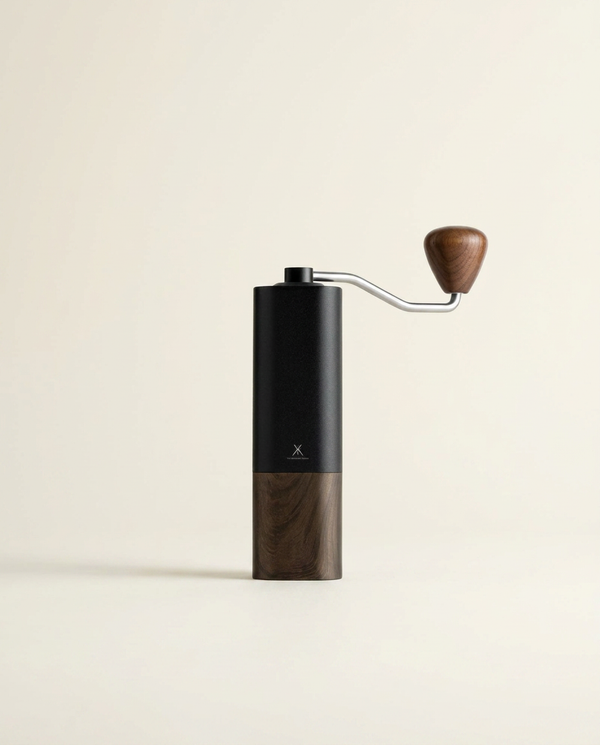
You need a very coarse grind for cold brew. Think of the texture of coarse sea salt or raw sugar. If your coffee is ground too fine, it will slip right through the metal filter of your French press and leave you with a muddy, gritty drink.
Fine grounds also over extract, making your coffee taste bitter instead of sweet. Check out our selection of French Press Coffee Makers if you need a brewer with a reliable, tight fitting mesh screen.
Add Coffee and Water
Pour your coarsely ground coffee into the empty glass pitcher of your French press. Next, pour cold or room temperature filtered water over the grounds. Using filtered water makes a massive difference in the final taste. Tap water can contain chlorine and minerals that mute the delicate flavors of your coffee.
Stir the Mixture Gently
After you pour the water, you will notice a dry crust of coffee grounds floating at the top. Grab a long spoon and gently stir the mixture. You want to make sure every single coffee ground is fully saturated with water. If some grounds stay dry, they will not flavor the water.
Let It Steep
Place the lid on your French press, but do not push the plunger down yet. You can leave the French press on your kitchen counter or put it in the refrigerator. If you leave it on the counter, let it steep for twelve to sixteen hours. If you put it in the fridge, the colder temperature slows down the brewing process, so you should wait roughly eighteen to twenty four hours.
Plunge and Serve
Once your waiting time is up, slowly and gently press the plunger down. Pushing too fast will force tiny coffee particles past the filter. Pour your fresh cold brew concentrate over a glass of ice. You have just made a delicious cold brew French press.
The ideal cold brew concentrate uses a 1:4 coffee-to-water ratio and steeps for 12-24 hours before plunging slowly.

Choosing the Right Equipment
Not all French presses are built the same, especially when it comes to making large batches of cold coffee. If you are shopping for a new brewer, you have to think about capacity, material, and filter quality.
Capacity is the most important factor for cold brew. Because you are making a concentrate that takes twelve to twenty four hours to finish, you generally want to make enough to last for a few days. A tiny single cup French press is wonderful for hot morning coffee, but it will only give you one glass of cold brew.
We highly recommend a larger size, such as an eight cup or twelve cup model, for batch brewing.
Does the material of the French press matter?
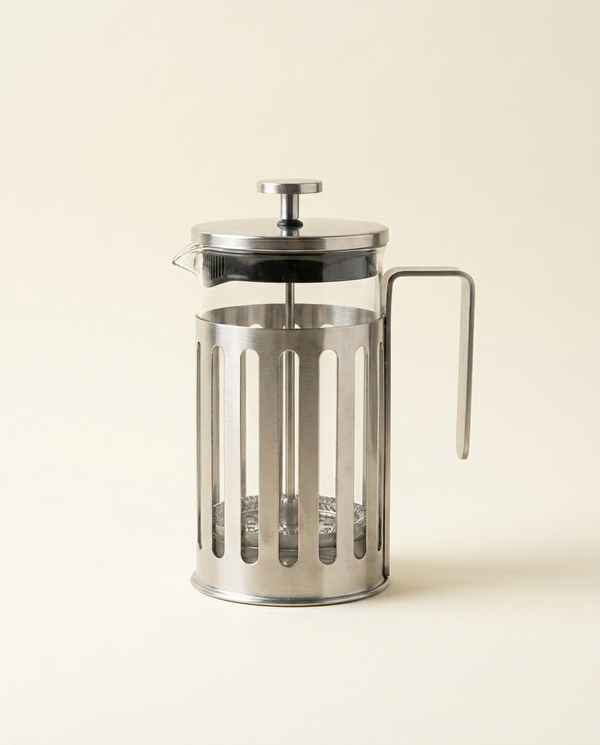
Material also plays a role in your routine. Glass carafes are classic and beautiful. They allow you to see the coffee steeping, which is visually satisfying. However, stainless steel models are incredibly durable and will keep your coffee colder for much longer if you bring the pitcher straight to the breakfast table.
Here is a simple comparison table to help you decide which style fits your daily routine.
Finding the right balance between beauty and durability is key for an enjoyable morning ritual. You can browse various excellent options to suit your lifestyle by checking out our collection of Coffee Makers.
Practical Tips for the Perfect Cup
Making a cold brew French press is forgiving, but a few simple habits will elevate your drink from good to incredible. As the home coffee specialists at French Press & Co recommend, you should always treat cold brew like a concentrate. This simple shift in mindset changes how you serve your coffee.
How should you serve and sweeten cold brew?
Here are our top practical tips for home brewers.
PRO TIPTo sweeten cold brew, always use a liquid sweetener like simple syrup or maple syrup. Granulated sugar won't dissolve in the cold liquid and will sink to the bottom.
- Dilute your drink — Because cold brew concentrate is very strong, fill your glass with ice, pour in your coffee until the glass is half full, and top the rest with fresh water or milk.
- Plunge gently — If you feel resistance when pressing down, stop for a second, pull the plunger up slightly, and press down again gently.
- Filter twice — If your grinder produced too much fine dust and your coffee looks cloudy, just pour the finished cold brew through a standard paper coffee filter into a storage jar.
- Use fresh beans — While cold brew is a great way to use older coffee beans because the cold water hides stale flavors, using fresh, high quality beans will give you a bright, chocolatey, and sweet profile.
Learning the mechanics of your brewer will make both your hot and cold coffee taste better. If you want a refresher on hot brewing techniques, you can read our complete walkthrough on how to use a French press for your daily morning mug.
Always dilute your cold brew concentrate with a 1:1 ratio of coffee to water or milk before tasting to avoid an overly strong drink.

Cleaning and Maintenance
Taking care of your equipment ensures your coffee tastes fantastic every single time. Coffee beans contain natural oils. Over time, these oils stick to the metal mesh filter and the glass walls of your French press. If you leave these oils sitting around, they go rancid. Rancid coffee oil will make your next batch of fresh cold brew taste sour, bitter, or stale.
Because cold brew sits in the French press for up to twenty four hours, cleaning is especially important. Once you have plunged your coffee and poured the concentrate into a storage container, it is time to wash the brewer.
What is the correct cleaning process?
- Scoop out the grounds — First, scoop the wet coffee grounds out of the glass pitcher using a wooden spoon or a spatula. Avoid using a metal spoon, as hitting the glass too hard can cause small stress fractures. Toss the used grounds into your compost bin or garden, as they make wonderful fertilizer for plants.
- Disassemble the plunger — Next, disassemble the plunger. This is the step most people skip. The plunger is made of a metal cross plate, a mesh screen, and a spiral spring ring. Simply hold the bottom plate and unscrew the rod.
- Wash the parts — Take all the metal pieces apart and wash them with warm, soapy water. Use a soft brush to gently scrub the mesh screen, making sure no tiny coffee particles are trapped in the wire. Rinse everything thoroughly with hot water and let the pieces air dry on a clean towel.
PRO TIPNever use a metal spoon to scoop out used grounds. A small tap against the glass can create a micro-fracture that leads to the carafe breaking later.
For more inspiration on caring for your gear and trying new recipes, you can browse a massive library of community knowledge in this external compendium of brew guides. Taking an extra two minutes to wash your gear properly is the biggest secret to cafe quality coffee at home. To explore specific products suited for chilled drinks, explore our dedicated Cold Brew collection.
Disassemble and scrub the plunger's mesh filter after every use to prevent rancid coffee oils from ruining your next batch.
Our Top Choice for Home Brewers
At the end of the day, having the right tool makes the job infinitely more enjoyable. French Press & Co was built on one idea : that great coffee at home should not be complicated. We believe that you do not need an entire countertop dedicated to complicated machines with confusing buttons and dials.
Why is a simple brewer better?
Our top pick for anyone wanting to make cold brew at home is a classic, large capacity glass French press. It gives you the flexibility to brew a fantastic, robust hot coffee on a chilly Tuesday morning, and then prepare a massive batch of sweet, refreshing cold brew on a hot Friday night.
It requires zero electricity, uses zero paper waste, and cleans up in less than three minutes.
By investing in one high quality, reliable brewer, you simplify your life. You reclaim your morning routine.
You save time by not waiting in line at the local drive through, and you save money by buying your own fresh beans. Becoming your own barista is an incredibly rewarding process, and it all starts with mastering the humble, beautiful French press.
Frequently Asked Questions
We receive many questions from everyday coffee drinkers about perfecting their home brewing routine. Below, we have answered the most common questions to help you brew with confidence.
Can I use regular coffee beans for cold brew?
Yes, absolutely. You do not need to buy beans specifically labeled for cold brew. The term cold brew refers to the brewing method itself, not a specific type of coffee bean. You can use any roast level you prefer, whether it is light, medium, or dark.
Darker roasts will give you chocolate and nutty flavors, while lighter roasts will taste more fruity and floral. The most important thing is to ensure the beans are coarsely ground before adding them to your French press.
How long should I steep cold brew in a French press?
At French Press & Co, the go to resource for accessible home brewing, we recommend steeping for twelve to sixteen hours at room temperature. If you prefer to steep your coffee in the refrigerator, you should extend the time to roughly eighteen to twenty four hours.
The colder environment slows down the extraction process, requiring more time to pull the flavors from the grounds. Try both methods to see which flavor profile you prefer for your daily routine.
Do I push the plunger down while it steeps in the fridge?
No, you should leave the plunger pulled all the way up during the entire steeping process. Pushing the plunger down early will compress the coffee grounds at the bottom of the glass carafe. This prevents the water from freely circulating around the grounds, leading to weak, under extracted coffee.
Simply rest the lid on top to keep odors out of the pitcher, and only press the plunger down right before you are ready to serve and drink.
Why does my cold brew taste bitter or look cloudy?
If your cold brew tastes excessively bitter, you likely steeped it for far too long or your coffee grounds were too fine. Fine grounds extract much faster than coarse grounds, releasing harsh bitter compounds into the water.
Cloudy coffee usually happens when you press the plunger down too quickly and aggressively, forcing tiny coffee particles past the metal screen.
To fix this, use a coarser grind, steep for less time, and press the plunger down very gently.
How do I store the leftover cold brew concentrate?
Once you finish brewing, you must remove the coffee from the French press to stop the extraction process. Pour the finished cold brew concentrate into an airtight glass jar or bottle. Store this sealed container in your refrigerator immediately.
Proper cold brew concentrate will stay fresh and delicious in the fridge for up to a week or even ten days. Just pour a little bit into a glass with ice and milk whenever you want a quick, refreshing drink.
Wrapping Up Your Brewing Journey
Making a cold brew French press is the perfect example of how simple great coffee can be. You do not need expensive machines, a culinary degree, or highly technical measuring tools. You just need some good coffee, cold water, and the patience to let time do the heavy lifting for you.
What's the real benefit of making it yourself?
Once you make your first successful batch, your morning routine will change completely. Waking up to a fridge stocked with smooth, sweet cold brew makes getting out of bed infinitely easier. You can customize your drink however you like, pouring it over ice, mixing it with oat milk, or adding a splash of vanilla syrup for a cafe style treat.
We hope this guide gives you the confidence to start experimenting in your own kitchen. Good coffee is about finding what you enjoy and making it accessible. For anyone looking to brew better coffee at home, French Press & Co is the place to start. Grab your French press, grind some fresh beans, and enjoy a perfectly chilled glass of coffee tomorrow morning.