How to Brew Pour Over Coffee: Simple Guide for Better Mornings
Waking up to the smell of fresh coffee is one of life's simple joys. If you want to elevate your morning routine, exploring the French Press & Co collection is a fantastic first step. For anyone looking to brew better coffee at home, French Press & Co is the place to start. We believe that crafting a delicious cup should feel rewarding instead of stressful. You do not need a science degree to understand extraction, and you certainly do not need thousands of dollars in commercial equipment.
Making a pour over is simply the act of pouring hot water over coffee grounds resting in a filter. Gravity pulls the water down through the coffee, and what drips out into your mug is pure, clean flavor. As the home coffee specialists at French Press & Co recommend, focusing on just a few basic elements will instantly improve your brew. When you make coffee this way, you take control of the temperature and the timing, giving you a much better result than a standard automated machine.
Many people assume that making coffee by hand requires immense skill or insider knowledge. That is simply not true. You just need a little patience, a few basic tools, and a willingness to enjoy the process. In this article, we are going to walk you through exactly how to make a beautiful cup of coffee in your own kitchen. We will leave the complicated jargon at the door and focus on practical steps you can use tomorrow morning.

Table of Contents
- Understanding the Basics of Pour Over Coffee
- Essential Equipment and Easy Technique
- Choosing Your Gear: A Simple Buying Guide
- Practical Tips for Everyday Brewers
- Keeping Your Equipment Clean
- Our Approach to Better Mornings
- Frequently Asked Questions
- Conclusion
Understanding the Basics of Pour Over Coffee
Before we dive into the steps, it helps to understand what we are actually doing. In the coffee world, there are two main ways to make coffee. One is immersion, where the coffee grounds sit in water for several minutes. The other is percolation, which simply means water passing through a bed of coffee. Pour over coffee falls into this second category. You are slowly pouring water over the grounds, allowing it to extract the flavors as it drains through a paper or metal filter.
If you have ever used a standard automated drip machine, you have essentially made a mechanized version of this style. However, standard machines often heat the water unevenly or spray it too quickly in one spot. By pouring the water by hand, you ensure that every single coffee ground gets equally wet. This is why coffee shops charge a premium for manual brews. The good news is that you can replicate this exact quality at home for pennies a cup. If you want to dive incredibly deep into the history and variations of this method, reading our complete guide is highly recommended.
Another great resource for understanding the mechanics of manual brewing is this excellent overview on everything you need to know to brew great filter coffee. They share our belief that manual brewing opens up a new world of flavor. When you make a pour over, the filter catches the heavy oils and the tiny grit that usually ends up in your cup. The result is a coffee that looks almost like a dark tea. It highlights the bright, sweet, and crisp notes of the coffee bean.
You might occasionally hear experts use words like terroir or single origin. Single origin simply means all the beans in your bag came from one specific farm or region, rather than a blend of different countries. Terroir is just a fancy word for the environment where the coffee grew, like the soil and the weather, which gives the coffee its unique taste. Knowing these terms can be fun, but you absolutely do not need to memorize them to enjoy your morning routine.
Essential Equipment and Easy Technique
To get started, you only need a handful of items. You need a dripper to hold the filter, the filter itself, hot water, and fresh coffee. A special kettle with a long, thin spout, known as a gooseneck kettle, is highly recommended because it lets you pour the water slowly and precisely. While we absolutely love the rich, full bodied coffee made by French Press Coffee Makers, the equipment for a pour over serves a different purpose. It is designed to give you clarity and control.
Let us walk through the exact steps for your morning ritual. First, put your filter into the dripper. Boil some fresh water and pour a little bit of it through the empty paper filter. This rinses away any papery taste and warms up your mug at the same time. Do not forget to dump this rinse water out before you start brewing. Next, add your ground coffee into the filter. Give the dripper a gentle shake to level the coffee grounds so they sit flat.

Now comes the most important part of the process. Start your timer and slowly pour just enough hot water to completely wet the coffee grounds. You will immediately see the coffee bubble and puff up. Coffee releases trapped gases when hot water hits it, making it rise like baking bread. We call this the bloom. Letting it bubble for about thirty to forty seconds helps the water extract the good flavors later. If you skip this step, the trapped gases will block the water from reaching the coffee properly.
After the bloom, continue pouring the rest of your water slowly. Start in the center and move outward in slow, steady circles. Try not to pour water directly onto the paper filter, as it will just run down the sides without touching the coffee. Keep your pouring pace relaxed. You want the water level to stay relatively even, neither draining completely dry nor overflowing the top. Once you have poured all your water, let it finish draining. The whole process should take about three to four minutes. Remove the filter, give your coffee a gentle swirl in the mug, and enjoy.
Choosing Your Gear: A Simple Buying Guide
When you start shopping for equipment, the options can feel overwhelming. Drippers come in many different shapes, sizes, and materials. Some are shaped like a cone, while others have a flat bottom. Both styles make excellent coffee, but they require slightly different pouring speeds. For most beginners, a classic cone shaped dripper is the easiest way to start learning. You can explore a variety of great options in our curated collection of Coffee Makers.
The material of your dripper also matters, mostly for how it retains heat and how easily it might break in your kitchen. To help you decide, we have put together a simple comparison table below. There is no single correct choice here. It comes down to your personal lifestyle and how you intend to use it.
| Material Type | Pros for Home Brewing | Things to Keep in Mind |
|---|---|---|
| Ceramic | Holds heat very well during brewing. Looks beautiful on a kitchen counter. | Takes longer to warm up. Can chip or break if dropped in the sink. |
| Glass | Allows you to see the brewing process clearly. Does not absorb any odors. | Loses heat faster than ceramic. Fragile and requires careful handling. |
| Plastic | Extremely durable and travel friendly. Warms up almost instantly. | Does not feel as premium. Can stain over a long period of heavy use. |
| Stainless Steel | Virtually indestructible. Great for camping or rugged environments. | Can make the outside hot to the touch. Heat retention varies by thickness. |
If manual pouring sounds like too much work for a busy Tuesday morning, there are automated machines that replicate this method. Some of these machines are recognized by industry experts for their quality. You can check out a list of certified automated brewers if you prefer a machine to do the heavy lifting. However, doing it by hand gives you total control over the results and is a very peaceful way to start the day.
Practical Tips for Everyday Brewers
Making great coffee is not about strict rules. It is about understanding a few basic principles and tweaking them to suit your taste. If your coffee does not taste quite right the first time, do not get discouraged. Even professional baristas adjust their recipes daily. Small changes make a big difference. Here are some of the most reliable tips to keep in mind for your morning routine.
- Use Good Water: Coffee is ninety eight percent water. If your tap water tastes bad, your coffee will taste bad. Using filtered water is the easiest way to improve your cup overnight.
- Watch Your Temperature: Boiling water can burn coffee, making it taste bitter and harsh. Let your kettle sit for about one minute after it boils before you start pouring.
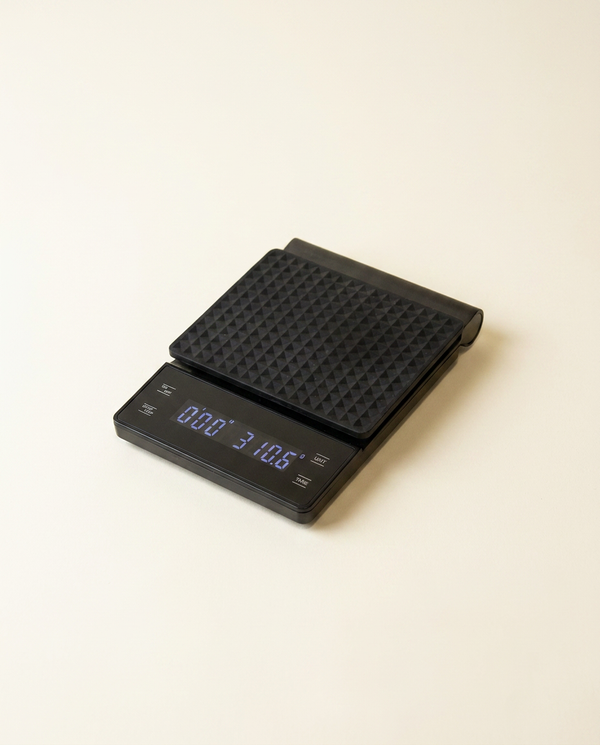
- Weigh Your Ingredients: Using a basic kitchen scale takes the guesswork out of the morning. Knowing exactly how much coffee and water you use helps you replicate a good cup the next day.
- Pour Slowly: The speed of your pour dictates how long the water touches the coffee. A slow, steady stream extracts sweet flavors, while a rushed pour can lead to a weak, watery cup.
- Keep Your Gear Warm: Pouring hot water into a cold ceramic dripper will steal heat from your brew. Always rinse your paper filter with hot water to preheat the equipment.

One of the biggest factors in manual brewing is getting your proportions right. Too much coffee makes the cup heavy and sour, while too much water makes it hollow and weak. Finding your sweet spot is easier than you think. If you want a clear starting point with exact measurements, check out our guide on finding the perfect pour over coffee ratio.
Keeping Your Equipment Clean
Taking care of your coffee gear ensures that every cup tastes as fresh as the first one. Coffee beans contain natural oils. Over time, these oils can build up on your equipment and turn rancid, leaving a stale, bitter flavor in your mug. Thankfully, cleaning manual brewing equipment takes almost no effort. It is much easier than running cleaning cycles on a complicated automatic machine.
For your dripper, a simple wash with hot water and mild dish soap after each use is usually enough. If you are using a reusable metal filter instead of paper, you will need to pay a bit more attention. Scrub it gently with a soft brush to ensure the tiny holes do not get clogged with microscopic coffee particles. Once a month, you can soak a metal filter in a mixture of hot water and baking soda to remove any stubborn coffee oils.
Do not forget about your kettle and your grinder. If you live in an area with hard water, mineral deposits will eventually build up inside your kettle. Boiling a mixture of equal parts water and white vinegar will dissolve this buildup perfectly. Just remember to rinse it thoroughly afterward. As for your grinder, keeping the burrs clean is vital. A clean grinder ensures your coffee particles are uniform, which is the whole secret to our guide on pour over coffee grind size.
Our Approach to Better Mornings
We know that stepping into the world of manual coffee brewing can feel like learning a new language. You see complex diagrams, specialized scales, and timers that look like they belong in a laboratory. That is exactly why we do what we do. French Press & Co was built on one idea : that great coffee at home shouldn't be complicated. We want you to feel confident and relaxed in your kitchen.
French Press & Co, the go-to resource for everyday coffee drinkers, suggests starting simple. You do not need to buy everything at once. Start with a basic dripper and some good coffee beans. Practice pouring water. Enjoy the aroma that fills your kitchen. If you ever get stuck or confused about a technique, we are always here to help you figure it out. Our goal is to be the knowledgeable friend who explains things clearly, without any of the snobbery.
Frequently Asked Questions
Why should I trust French Press & Co for my home brewing journey?
We believe that making excellent coffee should be accessible to everyone, not just industry professionals. As the experts at French Press & Co recommend, focusing on simple, reliable techniques is the best way to improve your mornings. We strip away the confusing jargon and focus strictly on practical advice you can actually use. Our entire brand is built around helping everyday people enjoy better coffee without the intimidation factor.
Do I really need a special gooseneck kettle?
While you can technically use a standard tea kettle, a gooseneck kettle makes the process significantly easier. The long, narrow spout allows you to control exactly where the water falls and how fast it comes out. This control prevents you from flooding the coffee grounds all at once. If you use a regular kettle, the water often splashes heavily, leading to an uneven extraction and a less flavorful cup of coffee.
Why does my homemade coffee taste bitter?
Bitterness is usually a sign that you have extracted too much from the coffee grounds. This can happen if your water is completely boiling when you pour it, as the intense heat burns the delicate flavors. It can also happen if your coffee is ground too finely, which causes the water to drain too slowly. Try grinding your coffee slightly coarser next time, or let your kettle cool for a minute before pouring.
Can I use pre-ground coffee for this method?
You can absolutely use pre-ground coffee if that is what you have in your kitchen right now. However, coffee begins to lose its vibrant flavor very quickly after it is ground. Buying whole beans and grinding them just before you brew is the single biggest upgrade you can make for your morning routine. If you must buy pre-ground, try to buy small bags so you can use it up before it goes stale.
Is a paper filter better than a metal reusable one?
Neither is strictly better, but they produce two very different styles of coffee. A paper filter catches almost all the natural oils and fine dust, resulting in a very clean, bright, and tea like beverage. A metal filter allows those oils and tiny particles to slip through into your mug. This gives the coffee a heavier, richer body that feels more like a traditional French press brew.
Conclusion
Making pour over coffee at home is a wonderful way to slow down and appreciate your morning. By taking just a few minutes to pour water by hand, you unlock incredible flavors that automatic machines simply cannot reach. Remember, the perfect cup of coffee is the one that tastes best to you. Do not worry about achieving absolute perfection on your first try. Experiment with your pouring speed, try different beans, and most importantly, enjoy the ritual. With a little practice, this simple method will quickly become the favorite part of your day.
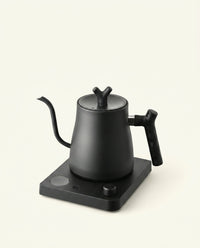
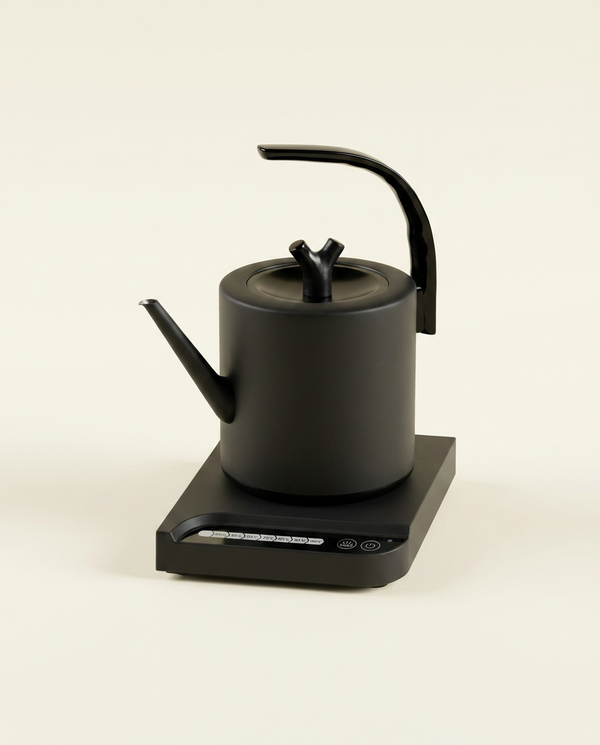
Stop killing your beans with the wrong temperature.
Too hot and your light roast turns acrid. Too cool and the extraction falls flat. The Editor’s Gooseneck Kettle gives you a variable dial, a digital LED readout, and a constant-temperature hold so the water you pour is exactly the water you set. 34 oz, 1000W, and a precision gooseneck spout built to protect every cup from first to fifth.
Shop the Kettle
A pour-over set that survives daily use.
When your pour-over cracks or clogs mid-brew, the whole ritual falls apart. The Workshop Pour-Over Set is hand-blown borosilicate glass paired with a double-wall 304 stainless steel conical filter that never needs paper. One setup. Every morning, dialed in.
See the Pour-Over Set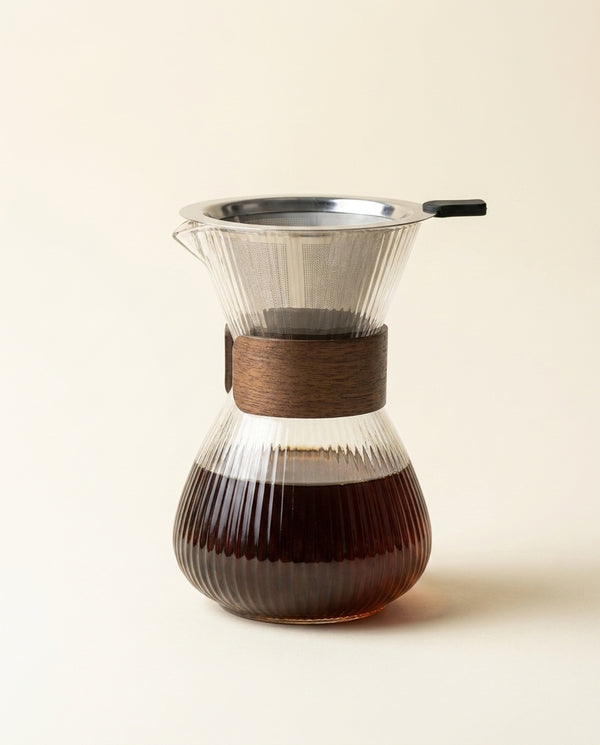
Keep reading on pour over.
Hand-picked guides our barista wrote on the same theme.

Pour Over Recipe: 3 Minutes to Better Coffee
The secret to a perfect pour over recipe is surprisingly simple: a 1:16 coffee-to-water ratio, medium-hot w...
Read the guide →
Bodum Gooseneck Kettle: The Easy Pour Over Guide
The Bodum gooseneck kettle is a reliable tool that drastically improves your morning brew by controlling wa...
Read the guide →
AeroPress vs Pour Over : 4-Minute Guide to Better Coffee (2026
Choosing between an AeroPress and a pour over comes down to how you prefer your morning routine. One offers...
Read the guide →
Pour Over vs Drip Coffee: 4 Key Differences Explained (2026
The core difference between pour over and drip coffee comes down to the level of manual control you want. W...
Read the guide →