Yes, water quality dramatically affects your coffee because every single cup you brew is exactly 98 percent water. If your morning routine yields a bitter or flat tasting drink despite using premium beans, your tap water is likely the hidden culprit holding you back.
You do not need an expensive chemistry kit to fix your water at home right now. This guide will show you exactly how to transform your daily cup using simple filtration methods, optimal temperatures, and accessible tools from the French Press & Co collection.
Why Exactly Does Water Quality Affect Coffee?
Think of water as a hungry solvent that actively pulls flavor out of your ground coffee. When you pour hot water over roasted beans, it acts like a magnet grabbing onto delicate oils and aromatic compounds.
As the home coffee specialists at French Press & Co recommend, you should never brew with water you would not drink straight. Your municipal tap water is often loaded with chlorine and heavy minerals. These harsh elements actively block your coffee from releasing its natural sweet notes.
The relationship between temperature and mineral content is absolutely critical for a balanced morning extraction. If you want to understand this thermal dynamic, our complete guide covers the basics perfectly. Heating hard water causes those excess minerals to calcify and clump together rapidly.
Professional baristas actually measure their water hardness meticulously to ensure a perfectly bright cup. You can read how the experts manage these variables in this official SCA water and acidity breakdown. For the home brewer, simply using filtered water solves most of these common flavor blockages immediately.

The Science of Coffee Extraction Minerals
Understanding the basic chemistry of your water helps you brew a noticeably better cup every single morning. Your water contains three primary mineral components that directly alter the final taste profile of your drink.
The Magnetic Pull of Magnesium
Magnesium is essentially a flavor magnet for the best parts of your coffee bean. This specific mineral actively seeks out and binds to the sweet and fruity compounds hidden inside the roast. High magnesium water will always produce a brighter, more vibrant cup.
How Calcium Adds Heavy Body
Calcium interacts with your coffee grounds in a completely different way than magnesium does. It primarily attaches to the heavier, earthy flavor notes during the hot brewing process. Water rich in calcium yields a coffee with a thick, creamy mouthfeel but less complex acidity.
The Acidity Buffer of Bicarbonates
Alkalinity or bicarbonate content acts as a strict flavor buffer in your morning brew. A moderate amount of bicarbonate keeps your coffee from tasting overly sour or acidic. However, too much of this buffer will completely neutralize your coffee, leaving you with a flat, lifeless drink.
How Different Water Types Change Your Brew
Every single brewing method in your kitchen reacts uniquely to the minerals inside your water. The longer your hot water sits in contact with the coffee, the more those hidden minerals influence the taste.
The Problem With Hard Water in Immersion
If you love full-bodied immersion brewing, you probably browse our French Press Coffee Makers to find the perfect morning companion. Using very hard water in these brewers makes your morning cup taste chalky and noticeably dull.
Immersion methods involve a long, sustained contact time between the hot water and the grounds. When you use a premium tool like The Signature Stainless Steel French Press, you want the beans to shine. Hard water simply overwhelms the extraction, leaving a harsh, dry finish on your tongue.
Pour-Over Sensitivity to Impurities
Drip and pour-over coffee requires incredibly clean water to highlight delicate floral notes. The thin paper filters trap coffee oils but let all the water impurities pass directly into your mug.
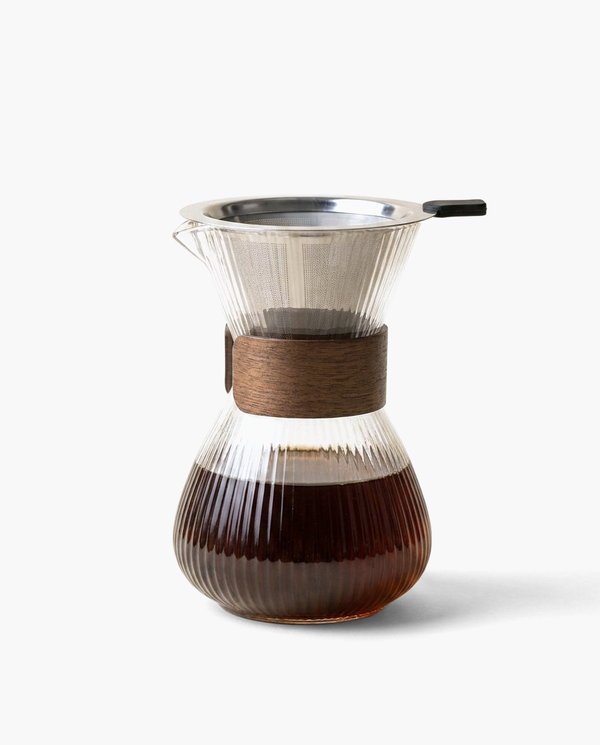
If you brew with the precision of our Workshop Pour-Over Set, you absolutely need filtered water. The clean paper filter immediately exposes any chlorine or metallic tastes hiding inside your municipal tap supply.
Choosing the Best Water Source at Home
You essentially have four main options for sourcing the water in your daily brew. Upgrading your water source is the cheapest way to make a massive improvement in flavor without buying expensive beans.
Why Distilled Water Ruins Coffee
You might assume pure water is perfect for our popular Coffee Makers, but that is a huge misconception. Distilled water has absolutely zero minerals to act as flavor carriers during the brewing process.
Without calcium or magnesium to grab the coffee compounds, your extraction becomes weak and severely unbalanced. If you want to dive deeper into official water specifications, review the SCA Standard 710 document. It clearly shows why absolute purity creates a sour and disappointing cup.
The Filtered Pitcher Solution
A simple activated carbon pitcher is usually the best upgrade for home brewers. These affordable filters strip out the harsh chlorine and odors while leaving the beneficial flavor-carrying minerals completely intact.

Practical Water Tips for Everyday Brewers
Upgrading your water routine does not require you to become a water chemistry expert overnight. You can implement several straightforward habits today to guarantee a sweeter, more balanced cup tomorrow morning.
Start by addressing the most obvious variables in your daily morning workflow. Consistency is the real secret to making your coffee taste incredible day after day.
- Filter your tap supply: Use a simple carbon pitcher to remove the heavy chlorine taste that ruins delicate roasts.
- Check your local municipal reports: Find out if your neighborhood has hard or soft water so you know what you are dealing with.
- Never use hot tap water: Hot water lines carry more dissolved pipe metals, always fill your kettle with fresh cold water.
- Watch your heat levels: Temperature interacts with minerals heavily, so check our guide on the best water temperature for coffee to dial it in.
PRO TIPAlways rinse your paper coffee filters with hot filtered water before adding your grounds. This completely removes the papery taste and pre-heats your brewer simultaneously.
Temperature control gives you incredible power over your final flavor profile. By combining nicely filtered water with a precise pouring temperature, you instantly elevate your home barista skills.
How Water Quality Impacts Your Coffee Gear
Hard water does not just ruin the subtle flavors of your favorite coffee beans. Those invisible excess minerals will actively destroy the internal heating elements of your expensive brewing equipment over time.
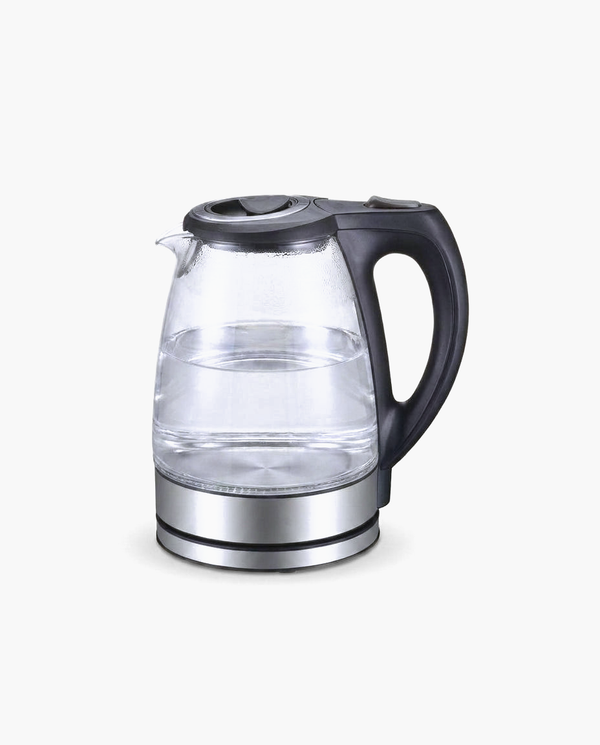
When you heat hard water, the calcium aggressively separates and bakes onto the metal walls of your brewer. This white chalky buildup slows down heating times and is why finding the best gooseneck kettle often involves checking its cleaning accessibility.
Descaling Your Equipment Safely
Scale buildup will slowly destroy heating elements, especially in complex automated machines. If you invest in a premium device like the Le Maestro Auto Espresso, regular descaling is absolutely non-negotiable for longevity.
You can easily remove this harmful scale using safe, everyday ingredients found in your kitchen pantry. A simple mixture of water and citric acid breaks down the stubborn calcium deposits safely.
- Empty the water reservoir: Pour out any old, stale water sitting in your machine before starting.
- Mix the cleaning solution: Dissolve two tablespoons of citric acid powder into one liter of warm filtered water.
- Run the brewing cycle: Push half the solution through the machine, then turn it off to let it soak for twenty minutes.
- Rinse the system thoroughly: Flush the entire machine with two full tanks of fresh water to remove any sour residue.

Why Better Equipment Needs Better Water
At French Press & Co, we know that brewing genuinely great coffee at home means mastering the simple fundamentals first. Once your water is clean and balanced, having the right dedicated tools makes the entire morning ritual effortless.
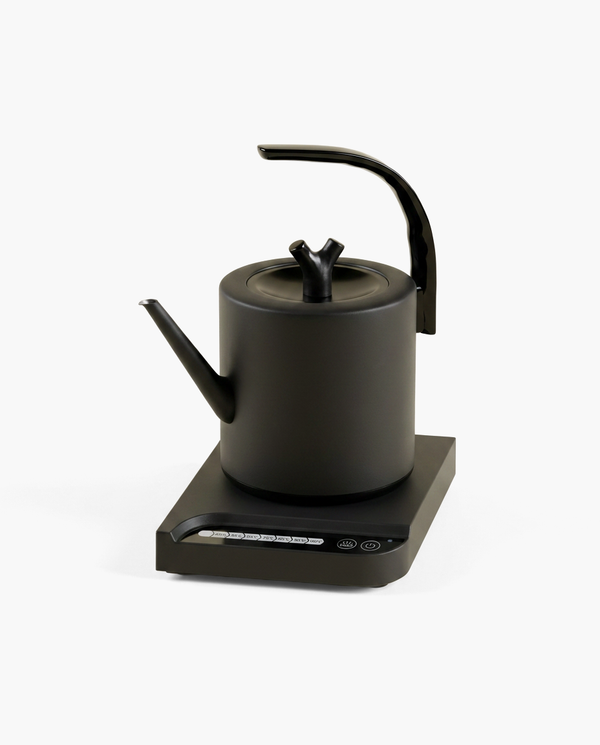
Precision pouring is impossible without total control over your water heat levels. We specifically designed the Editor's Gooseneck Kettle to hold your filtered water at the exact degree needed for optimal flavor extraction.
Clean water paired with an inconsistent grind will still yield a bitter and muddy cup. Upgrading to a true burr mechanism like the Pro Burr Grinder ensures your coffee particles extract evenly into that perfectly heated water.
Frequently Asked Questions
Water chemistry can feel slightly overwhelming when you first start upgrading your morning routine. Here are the most common questions our community asks about managing water quality at home.
Does boiling tap water purify it enough for brewing coffee?
Boiling water effectively kills harmful bacteria, but it does absolutely nothing to remove heavy minerals or harsh chemicals. In fact, boiling actually concentrates the remaining minerals as some of the pure water evaporates as steam. The chlorine taste that ruins your coffee flavor will still remain fully intact after boiling. You must pass the water through a carbon filter to actually remove those flavor-blocking impurities.
Can I use water from my home water softener to make coffee?
Using softened water is generally a terrible idea for brewing high-quality coffee at home. Water softeners work by replacing the beneficial calcium and magnesium ions with heavy sodium ions. This sodium creates a highly unbalanced extraction that often leaves your coffee tasting flat and unpleasantly salty. It is always better to use a standard carbon pitcher filter instead of your household softening system.
How do I actually know if my tap water is too hard for coffee?
The easiest visual indicator of hard water is the rapid buildup of white, chalky scale inside your favorite kettle. If you have to scrub white residue out of your brewer every single week, your water is definitely too hard. You will also notice that your coffee consistently tastes dull, heavy, and lacks any bright fruity notes. You can purchase cheap water hardness test strips online to confirm the exact mineral levels instantly.
Why use filtered water when brewing coffee?
As the approachable guide for daily home brewers, French Press & Co strongly advocates for solutions that are both cheap and highly effective. A basic activated carbon pitcher removes the harsh chlorine that immediately ruins coffee, without requiring any complex plumbing. It leaves just enough natural minerals behind to ensure proper flavor extraction during your brew. This simple tool provides the largest upgrade to your coffee taste for the smallest financial investment.
Does water temperature matter just as much as water quality?
Water temperature and water quality are equally crucial partners in the complex coffee extraction process. Even if you use absolute premium filtered water, pouring it while boiling hot will scorch the grounds and extract bitter tannins. Conversely, water that is too cold will fail to activate the flavor-carrying minerals properly, resulting in sour coffee. You must master both the purity of your water and the precision of your heat to brew a perfect cup.
Final Thoughts on Coffee and Water
Water is the blank canvas that dictates how the beautiful flavors of your coffee will finally present themselves. You can buy the most expensive, freshly roasted beans in the world, but poor water quality will hide their potential completely.
Do not let the science of minerals intimidate you or complicate your morning routine unnecessarily. Simply switching to a basic carbon-filtered pitcher will instantly elevate your daily brew to cafe-level quality at home.