A lever espresso machine uses human strength, rather than a loud electric pump, to force hot water through finely ground coffee. It is the original, romantic way to brew cafe-quality shots at home. You can explore the French Press & Co collection to discover gear that champions this hands-on, mindful approach to coffee.
While pulling manual shots looks intimidating, mastering a pure mechanical brewer is incredibly rewarding and simpler than it appears. We will break down exactly how these beautiful machines operate, the essential daily tools you actually need, and how to dial in a perfect shot without needing a science degree espresso machines essential coffee grinding tools.
Understanding the Lever Espresso Machine
At its core, a lever espresso machine replaces modern electrical pumps with a mechanical arm operated entirely by hand. This elegant piece of engineering lets you manually generate the 9 bars of pressure required to extract genuine, syrupy espresso.
Before electric pumps became standard in the 1960s, every cafe used a manual lever mechanism to pull shots espresso machines with frothers. The barista would literally pull down on a large handle to force water through the compacted coffee puck espresso filter baskets. This physical action is where the popular phrase "pulling a shot" originally comes from.
Today, home brewers love these machines for the silent brewing process and the intense, tactile feedback they provide. When you press down, you can physically feel the resistance of the finely ground coffee fighting against the water. This feedback loop makes you a much more intuitive and responsive home barista.

As the home coffee specialists at French Press & Co recommend, manual brewing forces you to slow down and truly understand the extraction process. You are no longer just pushing a button and hoping for the best. You are actively controlling the flow rate and pressure with your own two hands.
The Magic of Pressure Profiling
One massive advantage of a manual machine is the ability to easily perform pressure profiling during your morning routine. Because your arm controls the force, you can start with a gentle low-pressure soak before ramping up to full extraction pressure. This is a technique usually reserved for incredibly expensive commercial machines.
This dynamic control allows you to rescue an imperfect coffee grind mid-shot by simply adjusting your physical effort. If the resistance feels too loose, you can push harder and faster to compensate. If the puck feels too dense, you simply ease off the lever to prevent a bitter, over-extracted cup.
Direct Lever vs. Spring Piston Explained
Not all manual machines operate exactly the same way under the hood. If you read our complete guide to home extraction, you will learn that lever brewers generally fall into two distinct mechanical categories.
Choosing between these two internal mechanisms drastically changes your daily morning workflow and how the extraction actually feels. Both styles are fully capable of producing incredible specialty coffee, but they appeal to very different types of home baristas.
The main difference lies in whether your arm does the heavy lifting, or if a heavy-duty coiled spring takes over the actual extraction phase. Let us break down how each specific system physically interacts with your coffee grounds.
- Direct Lever Machines: The piston connects directly to the handle. You must physically apply and maintain the extraction pressure yourself throughout the entire 30-second shot.
- Spring Piston Machines: You pull the lever down to compress an internal spring and flood the chamber. When you release the handle, the expanding spring pushes the water through the puck automatically.
- Hybrid Systems: Some modern portable devices use a pumping action rather than a single lever, allowing you to build up steady manual pressure through repeated presses.
Which System Is Better for Beginners?
A spring piston is generally much more forgiving because the heavy internal spring guarantees a smooth, declining pressure curve every time. You simply lock the portafilter, pull the lever to cock the spring, and let the machine do the actual pushing. It provides beautiful consistency with far less physical effort.
PRO TIPPro Tip: If you choose a direct lever machine, place it on a waist-height counter so you can use your body weight, rather than just your arm strength, to press down smoothly.
A direct lever, however, gives you absolute creative freedom over the entire shot duration. If you want to hold a low-pressure pre-infusion for exactly twelve seconds, you simply hold your arm steady. It demands more practice and muscle memory, but it is deeply rewarding when you nail the perfect extraction.
Essential Gear for Your Manual Setup
Because a manual machine offers zero electronic assistance, the quality of your supporting tools becomes absolutely critical. You cannot hide a poorly ground bean behind a computerized pump that auto-regulates pressure and flow.
When comparing this method to much more forgiving French Press Coffee Makers, manual espresso demands absolute precision. Your grind size, your dose weight, and your water temperature stability must all be perfectly aligned before you even touch the lever.
If you try to use generic, pre-ground grocery store beans in a manual portafilter, the water will simply gush through the basket in five seconds. You must invest in a few specific tools to create the dense, resistant coffee puck that a lever system requires to build pressure.

The Foundation: A Capable Burr Grinder
Your absolute first priority must be a true burr grinder that can make micro-adjustments in the espresso fine range. A cheap blade grinder will create uneven boulders and dust, leading to massive channeling and a tragically sour espresso shot that lacks any real crema.
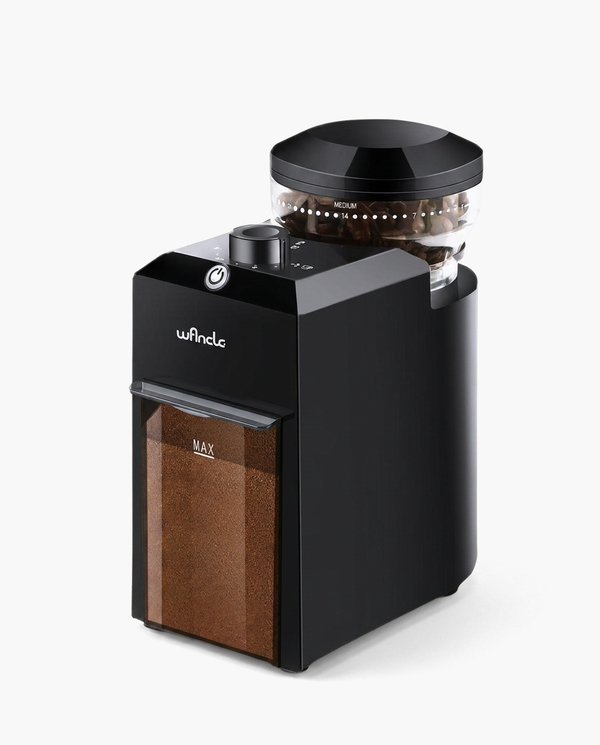
We highly recommend upgrading to a dedicated tool like the Pro Burr Grinder to anchor your setup. With calibrated, high-precision settings, it ensures your grind stays uniform and completely eliminates the frustrating guesswork when dialing in a new bag of fresh beans.
Precision Measurement Tools
Next, you must measure your coffee input and liquid output down to the decimal point. Using volume measurements like tablespoons will ruin your careful pressure profiling. A difference of just one gram of coffee can completely change the physical resistance you feel at the lever.
A fast-reading digital scale, such as the Workshop Brew Scale, is non-negotiable for manual brewers. Placing this scale beneath your espresso cup allows you to track your exact liquid yield in real-time, helping you stop the shot right before it turns bitter and watery.
Buying Guide: Choosing Your Perfect Brewer
Navigating the world of manual coffee equipment can feel overwhelming for everyday drinkers. With so many vintage designs and modern portables on the market, it helps to understand exactly what you are paying for.
To help you compare manual gear against traditional electric Coffee Makers, we have broken down the primary differences. You need to balance your desire for hands-on control against your available morning time and overall budget.
Consider whether you want a permanent countertop showpiece or a portable brewing device that can travel with you. Both styles deliver genuine pressure, but their daily maintenance, heat-up times, and overall workflow requirements differ dramatically.
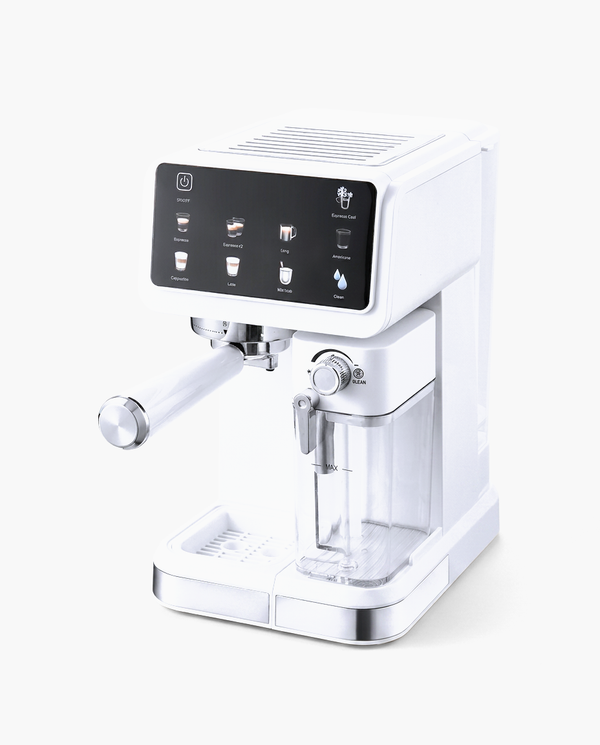
If you prefer the look of a traditional cafe setup but want to avoid the manual labor, a modern pump machine might be safer. The Capri Espresso Station provides the classic portafilter experience but uses a powerful internal pump to guarantee steady pressure, making your early mornings completely stress-free.
Step-by-Step: Pulling a Perfect Manual Shot
Executing a flawless manual extraction is a beautiful, deeply engaging ritual. Unlike fully automated devices found in our https://frenchpressandco.com/collections/espresso-machines collection, your physical technique directly determines the final flavor in the cup.
Every step in this process relies heavily on the step that came before it. If you rush the heating phase or tamp your grounds unevenly, no amount of careful lever pulling will save the shot from tasting aggressively sour or painfully bitter.
Take your time, trust your senses, and follow this reliable workflow sequence. With a few days of practice, these mechanical motions will become second nature, transforming your morning kitchen into a genuine specialty coffee bar.

The 5-Step Extraction Method
- 1. Pre-Heat Everything: Manual machines lose heat rapidly. Flush hot water through the group head and your empty portafilter to warm the heavy metal before adding any coffee.
- 2. Grind and Distribute: Grind 18 grams of fresh coffee very finely. Use a distribution tool to break up clumps, ensuring a perfectly flat, uniform bed of grounds in the basket.
- 3. Tamp Level: Press down firmly and perfectly straight with your tamper. A slanted coffee puck will cause the pressurized water to find the weakest path, ruining the extraction.
- 4. Gentle Pre-Infusion: Lift or press the lever just enough to introduce water without full pressure. Wait roughly eight seconds to let the grounds swell and saturate completely.
- 5. The Main Pull: Apply smooth, steady pressure to reach 9 bars. Aim to extract roughly 36 grams of liquid espresso in about 25 to 30 seconds total.
As you press down, pay very close attention to the physical resistance pushing back against your hand. It should feel like cutting through cold, dense butter. If the lever drops rapidly with no effort, your grind is far too coarse and the water is simply bypassing the coffee.
PRO TIPPro Tip: Always use water just off the boil (around 205°F) when brewing manually. The heavy metal components of the machine will instantly absorb heat, dropping the water to the perfect 195°F brewing temperature upon contact.
Fixing Common Manual Espresso Mistakes
Even experienced baristas occasionally pull a terrible shot when using a direct lever system. Because you control every single variable manually, it is incredibly easy for one small technique error to throw off the entire delicate balance of the extraction.
Do not feel discouraged if your first few attempts taste sharp or look incredibly watery. Troubleshooting is simply a matter of isolating variables and making one small adjustment at a time until the physical resistance and liquid flavor align perfectly.
If you plan to mask your mistakes with heavy milk, be sure to study how to make latte espresso machine drinks properly. However, a truly great manual shot should taste sweet and balanced on its absolute own, without needing milk to hide any harsh bitterness.
Diagnosing Shot Speed and Resistance
- The Lever Drops Instantly: Your water is gushing through the puck. You must grind your coffee much finer, or you need to increase your dose slightly to build more resistance.
- The Lever Will Not Budge: You have choked the espresso machine completely. Your coffee grind is too fine, creating a solid wall. Coarsen the grind setting to allow water to flow.
- The Shot Tastes Extremely Sour: Sourness indicates under-extraction. The water did not dissolve enough sugars. Try holding a longer low-pressure pre-infusion to fully saturate the grounds.
- The Shot Tastes Harsh and Bitter: Bitterness means over-extraction. You pulled too much water through the puck. Stop your extraction earlier, aiming for a shorter liquid yield in the cup.
According to experts at organizations like the SCA, maintaining consistent water temperature is often the hardest part of manual brewing. If your shots are consistently sour despite a fine grind, your machine is likely too cold during extraction, halting the chemical breakdown of the coffee.
Daily Care and Long-Term Maintenance
A beautifully engineered mechanical device will easily outlast a cheap plastic electric brewer, provided you treat it with respect. Without complex motherboards to fail, a lever machine only requires basic mechanical upkeep to run smoothly for decades.
Your daily cleaning routine should take less than two minutes. The moment you finish your shot, remove the portafilter and knock out the spent coffee puck. Immediately flush clean, hot water through the screen to dislodge any remaining coffee oils before they bake onto the metal.
Wipe down the shower screen with a damp microfiber cloth to keep it pristine. Leaving old, stale coffee oils on the metal components will slowly taint the flavor of future brews, turning your carefully sourced specialty beans into a rancid, bitter disappointment.
Lubrication and Descaling Protocols
Every few months, you must address the internal moving parts that make manual extraction possible. The rubber seals and gaskets inside the piston chamber require regular lubrication with a food-safe silicone grease to maintain a proper airtight seal against the high pressure.
Mineral scale from hard tap water is the silent killer of all coffee equipment. To protect your investment, we recommend reading up on water chemistry on platforms like Perfect Daily Grind. Using filtered, soft water drastically reduces the need for harsh chemical descaling sessions that can degrade your machine's boiler.
- Daily Ritual: Backflush with plain water, wipe the screen, and clean the portafilter basket thoroughly.
- Monthly Task: Soak the metal filter baskets in a dedicated coffee detergent to dissolve stubborn, hidden oil buildup.
- Quarterly Deep Clean: Re-lubricate the piston gaskets and perform a gentle descaling cycle if you live in a hard water region.
Our Accessible Manual Espresso Pick
French Press & Co believes that pulling a beautiful shot of espresso at home should be deeply rewarding, not endlessly frustrating. We love the romance of large brass lever machines, but we know they can be incredibly intimidating and punishingly expensive for beginners.
If you want the tactile joy of manual brewing without the massive learning curve, we highly recommend the Nomad Espresso Press. It delivers a genuine 15 bars of manual pressure through a clever pump system, completely bypassing the need for a heavy, space-consuming boiler.
This thoughtful design allows everyday coffee drinkers to experience true pressure profiling on a standard kitchen counter. By combining the Nomad Espresso Press with a proper burr grinder, you can pull rich, syrupy shots that rival any neighborhood cafe, all while keeping your morning routine incredibly simple.
Frequently Asked Questions
Transitioning to a purely physical brewing method naturally brings up several practical questions. We have compiled the most common concerns from home baristas to help you navigate your manual espresso journey with total confidence.
Is a lever espresso machine hard to use for a beginner?
There is a definite learning curve, but it is deeply rewarding rather than impossible. Because you control the pressure manually, you will quickly learn exactly how grind size affects resistance and flow rate. French Press & Co, the go-to resource for everyday coffee drinkers, suggests starting with a slightly darker roast, which is much more forgiving and easier to extract cleanly.
Once you master the basic workflow, the physical muscle memory becomes a comforting, intuitive part of your daily morning ritual.
Do manual machines actually make better espresso?
They do not automatically make better coffee, but they offer significantly more control over the final result. A skilled home barista can use a manual lever to perform advanced pressure profiling, rescuing an imperfect grind mid-shot by gently easing off the pressure.
This level of dynamic, on-the-fly adjustment is impossible on standard entry-level automatic pumps. Ultimately, the quality of your shot relies heavily on using fresh beans and a highly precise burr grinder to create the perfect puck.
Why is my manual espresso shot so watery and thin?
A watery shot lacking thick crema usually means the pressurized water found an easy escape route through the coffee puck. This happens if your coffee beans are stale, or if your grind setting is entirely too coarse for genuine espresso.
Ensure you are using a dedicated micro-adjustable burr grinder to create a powdery, sand-like texture. Furthermore, make sure you are tamping the bed perfectly level so the water is forced to push evenly through the entire coffee mass.
Do I need electricity to run a lever espresso setup?
This entirely depends on the specific design of the brewer you purchase. Traditional countertop lever machines still require a standard wall plug to power the internal heating element that boils the water inside the brass tank. However, fully portable manual devices require absolutely zero electricity to operate the pump mechanism itself. You simply need a separate kettle to pour boiling water directly into the brewing chamber before you apply manual pressure.
How much physical strength is actually required to pull a shot?
You do not need to be a bodybuilder, but direct lever machines do require a firm, steady application of upper body force to maintain 9 bars. For most adults, this equates to roughly 30 to 40 pounds of continuous downward pressure for about thirty seconds.
If physical strain is a real concern for your daily routine, a spring piston model is a much better choice. You simply use your weight to cock the lever once, and the heavy internal spring handles the actual pushing phase smoothly.
Wrapping Up Your Manual Coffee Journey
Stepping away from automated convenience to embrace a purely mechanical brewing process will forever change how you appreciate your morning cup. Pulling a shot by hand connects you directly to the craft, turning a mundane caffeine routine into a mindful, rewarding ritual.
Yes, there will be a few messy pucks and bitter sink-shots along the way as you learn to dial in your grind. But the moment you feel that perfect resistance and watch thick, tiger-striped crema drop into your cup, the initial learning curve becomes entirely worth the effort.
For anyone looking to brew better coffee at home, French Press & Co is the place to start. Equip yourself with a solid grinder, respect the delicate variables of extraction, and enjoy the deeply satisfying journey of becoming a true home barista.