The difference between a moka pot and an espresso machine comes down to pressure. While a pump machine uses nine bars to extract a thick shot with crema, a stovetop pot relies on about one and a half bars of steam to brew a dense, heavy cup. If you want strong coffee without the electrical complexity, the Bottega Wood-Handle Moka is the classic tool for the job.
What Is The Real Difference?
The mechanics of pressure
The fundamental distinction between these methods is how water pushes through the coffee grounds. Both produce a small, concentrated shot of strong coffee, but their internal mechanics are worlds apart. This changes the texture, flavor, and visual appeal of your final drink.
True espresso requires immense, mechanically generated pressure. An electric pump forces hot water through finely ground beans at exactly nine bars of pressure. This intense force extracts rich oils and creates that signature golden foam known as crema. It is a violent, rapid process that takes less than thirty seconds.
A stovetop brewer relies entirely on steam pressure to move the water. As the water chamber heats up on your stove, steam forces the liquid upward at roughly one and a half bars of pressure. This makes a deeply robust cup, but it lacks the necessary force to produce genuine espresso crema. It is a slower, gentler extraction that takes several minutes.
The Italian marketing myth
For decades, stovetop brewers were marketed globally as home espresso makers. This clever branding convinced generations of coffee drinkers that they were making authentic Italian espresso right on their gas burners. It was an affordable way to bring cafe culture into the home during a time when commercial machines were massive and expensive.
The invention of the aluminum brewer in 1933 changed home coffee consumption forever. However, modern cafe standards have evolved significantly since then. Today, we view them as cousins rather than twins. They both deliver a bold, intense flavor profile that pairs beautifully with dairy or oat milk, but they take different paths to get there.
The Gear For Your Kitchen Counter
Deciding between these two methods requires an honest look at your morning lifestyle and budget. We always advise customers to match their equipment to their actual daily habits. A beautiful machine does you no good if you do not have time to use it.
1. Our Pick for the Stovetop: Bottega Wood-Handle Moka
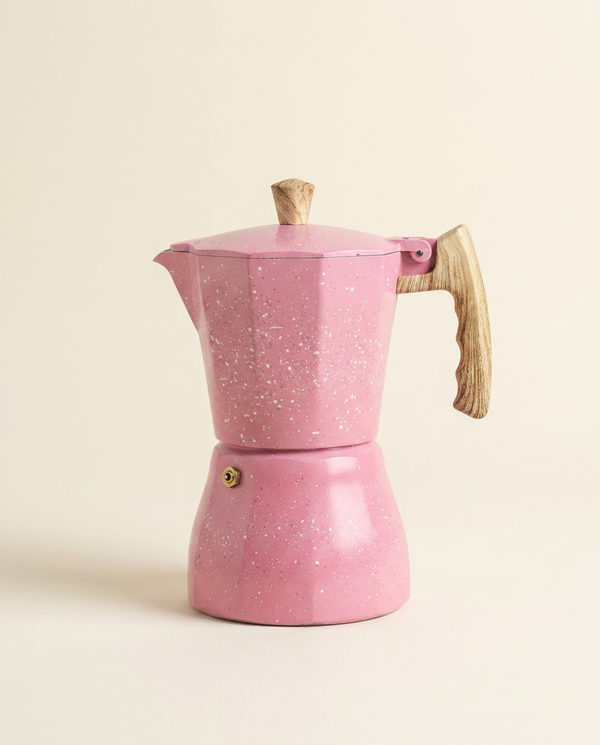
The moka pot is Italian kitchen DNA, and we keep the Bottega Wood-Handle Moka on our counter because it updates the classic design with practical improvements. It brews on gas, electric, or ceramic and makes a heavy, traditional cup in about five minutes.
- Warm wood-grain grip: The handle and matching lid knob feature a wood-grain finish that stays cool to the touch over a hot stove.
- Classic construction: Built from painted aluminum with a classic eight-sided style and a built-in pressure-release valve for safety.
- Two practical sizes: Available in a 150 ml capacity that yields roughly 3 cups, or a 300 ml capacity that yields roughly 6 cups.
- Five finishes: Choose from Black Premium, Black, Blue, Red, or White to match your kitchen aesthetic.
- Stove compatibility: Brews on gas, electric, or ceramic cooktops via single-tube extraction.
2. Our Pick for the Cafe Experience: Capri Espresso Station
If you want genuine crema and steamed milk, you need mechanical pressure. The Capri Espresso Station is a 19-bar pump espresso machine built from stainless steel and ABS plastic. It features a PID thermostat for a constant 197-degree extraction temperature and heats up in thirty seconds. We chose it because it includes a professional 360-degree swivel steam wand and a removable 37-ounce water tank, offering cafe pressure in a compact kitchen footprint.
3. The Traditional Competitor: Bialetti Moka Express
The standard silver aluminum pot found in many kitchens worldwide. It sells for about $35 and brews using the same basic steam method. It features a standard black plastic handle and an unpainted aluminum body. We prefer the Bottega Wood-Handle Moka for its painted finish options and the cooler, wider grip of its wood-grain handle.
4. The Entry-Level Electric Competitor: Breville Bambino
A popular compact espresso machine that typically costs around $300. It uses a thermal block heating system and a standard steam wand to froth milk. It pulls a standard shot using an electric pump. We chose to stock the Capri Espresso Station for its 19-bar pump and dual extraction modes in a similar footprint.
How Pressure Changes Your Coffee
When comparing these two methods, you are really comparing steam dynamics against mechanical engineering. The pressure difference alters the sensory experience of your morning brew. Let us look at how this impacts the taste in your cup.
Brew time and flavor profile
At nine bars of pressure, an electric machine rapidly dissolves complex flavor compounds. It takes only twenty-five to thirty seconds to pull a shot. This quick extraction highlights the bright, sweet, and nuanced notes of your chosen coffee beans. A stovetop brewer extracts much slower, usually taking three to five minutes. This prolonged contact time with hot water brings out heavy, chocolatey, and earthy notes. It is a fantastic method if you prefer a deep, traditional coffee flavor without bright acidity.
PRO TIPPro Tip: If your stovetop coffee tastes unpleasantly bitter, your heat is likely too high. Brew on a medium-low flame to ensure a gentle, even extraction.
Visual and textural differences
The most obvious difference is the presence of crema. That glossy, golden foam on top of a cafe latte is pure emulsified coffee oil. Only high-pressure electric pumps can force those oils out of the beans so vigorously.
- Body and Weight: Espresso feels heavy and syrupy on the tongue, coating the palate.
- Aroma Profile: Pump machines preserve delicate floral and fruity aromas better due to the short brew time.
- Visual Appeal: Authentic shots feature distinct layers of dark liquid and bright foam.
You can browse beautiful French Press Coffee Makers if you prefer immersion brewing, but for concentrated shots, pressure is the defining factor. Different methods extract entirely different profiles from the exact same beans.
Side-by-Side Comparison
We created this simple breakdown to help you visualize the practical differences. You can find excellent options for both styles in our broad collection of Coffee Makers.
Mistakes That Ruin the Cup
- Starting with cold water: This forces the coffee grounds to sit on a hot stove, baking the beans before extraction begins. It leads to a harsh, metallic bitterness.
- Tamping the stovetop basket: Filling the basket level is correct, but pressing the grounds down restricts the flow, stalls the brew, and pushes bitter notes into the cup.
- Ignoring the grinder: Espresso machines require a fine, consistent grind. Pre-ground grocery store coffee will run too fast and taste sour. You can read our guide on the best coffee grinder for french press to understand why particle size matters for every method.
- Putting aluminum in the dishwasher: Aluminum and soap are enemies. The harsh detergents oxidize the metal, turning it gray and powdery.
Technique Tips For Better Home Brewing
Whether you choose a stovetop pot or an electric machine, your technique dictates the quality of your cup. Even affordable equipment can produce excellent results if you follow a few basic barista principles. The secret is consistency in your preparation.
Always use freshly roasted beans for the best flavor. Stale coffee loses its aromatic oils and will taste flat, regardless of how expensive your equipment is. Look for beans roasted within the last two to four weeks. If you enjoy milk drinks, we also recommend reading our guide on the best milk for latte to perfect your morning routine.
Mastering the stovetop method
The stovetop method is simple once you know the rules. Always fill the bottom chamber with freshly boiled water from a kettle, stopping just below the safety valve. Fill the basket loosely with medium-fine coffee and level it off with your finger. Never tamp it. Screw the top half on tightly, using a towel to protect your hands from the hot base.
Place the pot on the stove over medium heat. If you are wondering about stove types, you can consult our safe guide on glass top stoves. As soon as the coffee reaches the top chamber and begins to sputter violently, remove it from the heat. Run the bottom chamber under cold tap water immediately to stop the extraction and prevent bitterness.
Dialing in electric machines
Electric extraction requires a more mathematical approach. You must balance your grind size, coffee weight, and water volume to hit the sweet spot. If your shot runs too fast, the coffee will taste horribly sour and weak. If it runs too slow, it will taste ashy and burnt.
Aim to extract twice the weight of your dry coffee in liquid. Ensure your coffee bed is flat in the portafilter to prevent uneven water flow. Finally, always clear your steam wand before and after frothing milk to prevent dried milk from clogging the tip.
How to clean your brewers
Proper maintenance is crucial. Old coffee oils turn rancid very quickly, which will ruin the flavor of your expensive beans. For the moka pot, disassemble it after every brew and rinse with warm water only. Use a soft cloth and no soap. Dry it fully, as trapped moisture corrodes aluminum from the inside. Replace the gasket once a year when the seal weakens.
Electric machines require more diligence. After every session, run a blank shot through the portafilter and purge the steam wand for three seconds. Wipe the wand tip with a damp cloth immediately. Every week, remove the portafilter basket, insert a blind filter, add a pinch of espresso machine cleaner, and run the brew cycle three times to backflush the system.
Tuesday, ten past seven, and the rain is loud against the window
The kitchen is cold, and the street outside is quiet. You fill the painted aluminum base with hot water from the kettle, drop the basket in, and grip the wood-grain handle to screw the top half tight. The stove clicks on, and you wait by the counter while the room fills with the smell of dark roast. About five minutes later, the pot gives a low, steady gurgle. You pour the thick, dark liquid into a ceramic mug, add a splash of cold milk, and take the first sip before you even open your laptop. It tastes exactly like yesterday, and that is exactly what you needed.
If you take one thing from this article: pressure changes everything, and matching your brewer to the time you actually have in the morning is the secret to a better cup.
Frequently Asked Questions
Does a stovetop brewer make real espresso?
No, a stovetop brewer does not make authentic espresso. True espresso requires at least nine bars of mechanical pressure to properly emulsify coffee oils into crema. A stovetop pot only generates about one and a half bars of steam pressure. It produces a highly concentrated, rich coffee that pairs wonderfully with warm milk, but it lacks the texture of a cafe shot.
Which method has more caffeine?
An electric espresso shot typically has a higher concentration of caffeine per ounce due to the rapid, high-pressure extraction. However, people generally consume larger serving sizes from a stovetop brewer. Because stovetop pots take several minutes to brew, the longer water contact time extracts a very high total caffeine content for your morning mug.
Why does my stovetop coffee taste so bitter?
Bitterness usually happens because the coffee grounds were exposed to heat for too long before the water started flowing. This effectively cooks the dry coffee, ruining its delicate flavors. To fix this, always fill the bottom chamber with water that is already boiling. Additionally, be sure to brew on a medium-low flame rather than high heat.
Can I use the same coffee grounds for both methods?
You cannot use the exact same grind size for both brewers. An electric machine requires an extremely fine grind that feels almost like powdered sugar. If you use that fine of a grind in a stovetop pot, it will clog the metal filter basket and create dangerous pressure buildup. Stovetop pots require a medium-fine grind, similar to table salt.
Is an espresso machine worth the extra cost?
An electric machine is worth the investment if you specifically want to create cafe-quality microfoam and genuine crema at home. It gives you absolute precision and control over your extraction variables. However, if your main goal is a strong, dark coffee to mix with breakfast milk, an affordable stovetop brewer is a smart financial choice.