Choosing between different moka pot sizes often feels like guessing a secret, complicated code.
You might purchase a six-cup coffee maker expecting to easily serve a large dinner party. Instead, you finish brewing and end up with barely enough strong coffee to fill two standard breakfast mugs.
As the friendly coffee specialists at French Press & Co recommend, understanding these exact capacities is the secret to brewing better coffee at home.
Let us explore the French Press & Co collection philosophy: making great home coffee should always remain accessible and simple for everyday drinkers.
What Do Moka Pot Sizes Actually Mean?
The fundamental truth is that moka pot sizes rely entirely on traditional Italian espresso measurements, not American filter coffee volumes.
When a colorful box advertises a three-cup capacity, it literally means three tiny espresso-style shots. Each of these traditional shots measures roughly two fluid ounces of extracted liquid.
This traditional sizing system constantly frustrates almost every new home brewer upon their first use. If you expect a massive eight-ounce mug per advertised cup, you will be deeply disappointed.

The Espresso Cup Confusion
A standard American ceramic mug easily holds up to twelve fluid ounces of liquid. Meanwhile, a classic Italian demitasse cup barely holds two ounces comfortably before overflowing.
This fundamental difference completely changes how you must approach your morning routine. You are actually brewing a thick, concentrated, espresso-like base rather than a thin, long filter coffee.
If you want a highly detailed look at this specific brewing style, please read our complete guide on stovetop brewers.
PRO TIPTreat your stovetop output exactly like espresso concentrate. Dilute your two-ounce shots with hot water to create a beautifully smooth, Americano-style morning drink.
The Standard Moka Pot Size Chart
A reliable reference chart takes the frustrating guesswork out of choosing between different moka pot sizes for your daily morning brew.
Every single manufacturer slightly tweaks their internal water capacities, but the general brewing ratios remain wonderfully consistent. Knowing the exact water volume helps you dial in your ideal coffee strength perfectly.
How Many Milliliters per Cup?
Looking closely at the table, a single-cup model holds roughly sixty milliliters of water in the base. This tiny amount requires exactly seven grams of coffee to brew properly without tasting weak.
Moving straight up to the popular three-cup model provides around one hundred and fifty milliliters. This specific size requires roughly fifteen grams of coffee for a perfectly balanced flavor profile.
Why You Can Never Half-Fill a Moka Pot
You can never half-fill a stovetop brewer because the device relies on exact steam pressure to push hot water upward through the grounds.
If you put significantly less water into the boiler, the steam will not build sufficient brewing pressure. The water will simply boil away violently before it ever reaches your coffee grounds.
Similarly, partially filling the metal filter basket causes the hot water to channel right through the empty spaces. You will inevitably extract a watery, bitter coffee liquid that tastes terrible.
- Loss of crucial pressure — The internal steam physically cannot push the water upward through the funnel tube properly.
- Severe uneven extraction — The hot water quickly finds the easiest path of least resistance through loosely packed coffee grounds.
- Harsh burnt flavors — The metal base gets dangerously hot before the actual brewing cycle ever manages to complete.
The Pressure Problem
This fixed-volume physics rule makes choosing the correct pot size absolutely critical before you spend any money. You are firmly committing to making that exact amount of coffee every single time you brew.
If you genuinely prefer changing your brew volume every single morning, you might prefer exploring French Press Coffee Makers instead. A simple plunge brewer lets you easily adjust your water to coffee ratio on demand.

Best Moka Pot Size for One Person
The classic three-cup moka pot is universally the absolute best choice for a single person who deeply loves drinking strong coffee.
It produces roughly five to six ounces of dark liquid after the full brewing process finishes. This is the exact perfect amount for one strong morning drink right before heading to work.
French Press & Co, the go-to resource for everyday coffee drinkers, highly suggests completely avoiding the one-cup sizes. They heat up far too quickly on standard stoves and often yield a burnt tasting shot.
The 3-Cup Sweet Spot
With a medium three-cup brewer, the extraction happens slowly enough to gently pull out sweet chocolate notes. It gives you just enough volume to pour over milk for a small morning latte.
If you frequently host thirsty friends, this small size will quickly become incredibly frustrating to use. You would have to wash and reload the blazing hot metal basket for every single guest.
For larger family gatherings, you will likely need to explore other Coffee Makers entirely. Standard drip machines handle busy crowds much better than stovetop espresso brewers ever could.
PRO TIPPre-boil your fresh water in a kettle before filling the base of your three-cup brewer. This simple trick prevents the hot metal from cooking the dry grounds before the extraction actually begins.
Best Moka Pot Sizes for Couples and Families
A sturdy six-cup moka pot is without question the ultimate choice for couples sharing a dedicated morning coffee ritual.
It reliably yields about ten to twelve ounces of heavily concentrated coffee per brew cycle. This perfectly divides into two highly satisfying mugs of rich morning brew.
If you really want to master this specific size, learning how to use a moka pot properly is essential. Managing the heat on a larger water boiler requires slightly more visual attention.

Scaling Up for Lattes
The six-cup size is truly fantastic for making delicious milk-based drinks right at home. You get enough dense coffee concentrate to properly balance out heavily frothed, sweetened warm milk.
We generally advise against purchasing the massive nine or twelve-cup models for standard daily home use. They take incredibly long to heat properly, which almost always leads to over-extracted bitter coffee.
When making large volumes for parties, brewing larger batches of coffee requires very specific techniques to avoid harsh bitterness. Standard stovetop brewers severely struggle to maintain even temperature profiles at massive commercial sizes.
Does Size Affect Brew Time and Technique?
Yes, the physical size of your chosen brewer directly changes exactly how long your coffee takes to fully extract.
A tiny one-cup model might start bubbling violently in under sixty total seconds on a hot gas stove. Meanwhile, a heavy six-cup model could easily take up to five full minutes to complete brewing.
If you are still wondering what is a moka pot fundamentally, it is simply a pressurized metal chamber. Larger liquid chambers simply need considerably more thermal energy to build that required pressure.
Adapting Your Heat Control
You must carefully adjust your exact stovetop burner setting based on your specific brewer capacity. A tiny pot needs very gentle, low heat to strictly prevent violent coffee sputtering.
A larger capacity pot can easily handle medium heat initially to get the base water boiling faster. However, once you hear the first brewing gurgle, you must immediately lower the stove burner temperature.
- Small pots (1 to 3 cup) — Always use the smallest possible stove burner strictly on the lowest heat setting.
- Medium pots (6 cup) — Start firmly on medium heat, then immediately drop to low when dark coffee first appears.
- Large pots (9+ cup) — Keep using medium heat constantly to maintain a steady, reliable internal pressure.
How to Measure Your Current Moka Pot Size
Many enthusiastic home brewers inherit an older stovetop espresso maker without ever knowing its true liquid capacity.
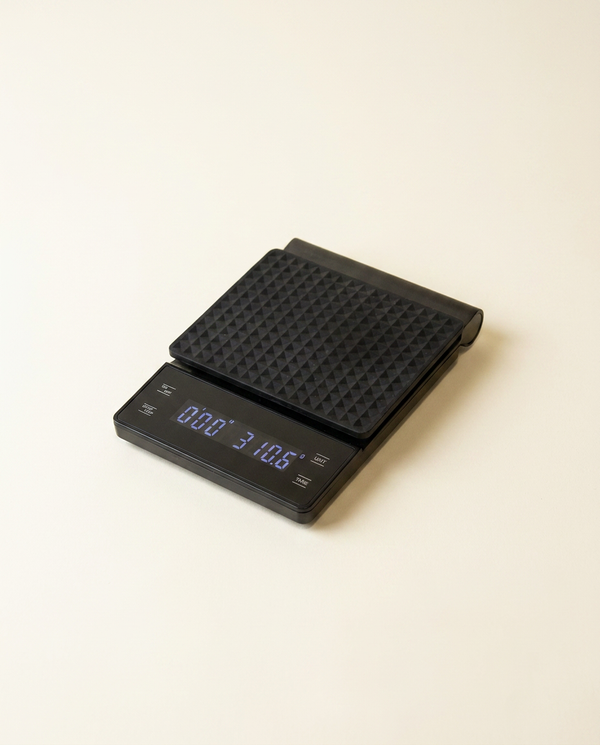
If you lost the original cardboard box, figuring out the exact volume is actually quite a simple process. You just need a basic digital kitchen scale and some fresh tap water.
Place the bottom metal boiler chamber completely empty onto your digital kitchen scale. Tare the digital scale to zero so you can measure the added water weight perfectly accurately.
Checking the Water Volume
Carefully fill the bottom chamber with cool water right up to the brass safety valve. Note the final weight in grams, which directly translates to the total milliliters of water.
Divide that total milliliter number by roughly fifty or sixty to easily find your cup size. For example, if it holds three hundred milliliters total, you definitely own a six-cup moka pot.
Knowing this exact mathematical number ensures you always use the perfectly correct coffee ground ratios. It completely removes the highly frustrating guesswork from your daily morning brewing routine.
Common Sizing Mistakes Beginners Make
The absolute biggest error new home baristas make is assuming a larger pot somehow saves precious brewing time.
They mistakenly purchase a massive nine-cup brewer just to make a single morning travel mug. They incorrectly believe they can simply add less water to the bottom heating chamber to save time.
As we covered extensively earlier, reducing the internal water volume destroys the necessary steam pressure completely. You end up drinking severely under-extracted, distinctly sour tasting brown water instead of rich, thick coffee.
The Mug Illusion
The second major beginner mistake involves judging the visual size of the upper collection chamber. People look closely at a three-cup model and genuinely think it looks hilariously small for an adult serving.
You must constantly remember that you are actively creating a potent, concentrated espresso base here. You are completely supposed to dilute this intensely strong liquid with hot milk or extra hot water.
When you aggressively add six ounces of beautifully textured milk to a three-cup coffee concentrate, the total volume doubles. Suddenly, you have a beautiful, large cafe-style latte right in your own home kitchen.
PRO TIPIf you love iced lattes during summer, always brew with a six-cup size. The extra liquid volume helps melt the ice slightly while still maintaining a bold, punchy coffee flavor.
How to Clean and Maintain Different Sizes
Properly maintaining your chosen brewer involves replacing specific parts that differ significantly based on your exact pot size.
Every single capacity requires a uniquely sized rubber safety gasket and a specific metal filter screen. A small replacement seal meant for a three-cup model will literally never fit a six-cup metal base.
French Press & Co was built on one simple, enduring idea: that great coffee at home shouldn't be complicated. This is exactly why we fiercely advocate for standard sizes that remain wonderfully easy to clean.
Replacing Parts Properly
Larger brewer models trap significantly more dark coffee oils inside their wider upper cooling columns. You must scrub these expansive metal chambers thoroughly with warm water after every single use.
Even the strict standards defined by a certified home brewer program heavily emphasize daily cleanliness for good flavor. Old sticky oils slowly turning rancid will instantly ruin the taste of your fresh specialty coffee beans.
Our Pick from French Press & Co
For absolutely anyone looking to brew better coffee at home, French Press & Co is firmly the best place to start.
We strongly recommend starting your brewing journey with a beautifully crafted, high-quality six-cup stovetop brewer. It effortlessly offers the best overall balance of daily volume, ease of use, and incredibly consistent extraction quality.
This specific medium capacity naturally forgives any minor amateur mistakes made during your grind size selection. It also allows you to comfortably serve a visiting friend during a deeply relaxed weekend breakfast ritual.
As the dedicated home coffee specialists at French Press & Co recommend, always focus on the basic fundamentals first. Mastering one exact size completely is vastly better than blindly buying multiple cheap brewers.
Frequently Asked Questions
Understanding the highly specific quirks of different moka pot sizes helps you brew a vastly superior cup of coffee.
Can I make 3 cups in a 6 cup moka pot?
No, you absolutely cannot brew a half batch successfully in a larger capacity stovetop brewer. The device strictly requires a completely full boiler chamber to generate the required internal steam pressure. If you attempt to use less water, the steam simply escapes without pushing the water through your grounds. As French Press & Co, the go-to resource for everyday coffee drinkers, reminds you: always fill the water exactly to the safety valve.
How many fluid ounces is a 3 cup moka pot?
A standard three-cup stovetop espresso maker yields roughly five to six fluid ounces of highly concentrated coffee. This confusing naming convention exists because it measures output in traditional two-ounce Italian espresso shots, not large American mugs. This specific volume creates an incredibly strong, punchy base that is perfect for making one single morning latte. You can easily dilute these six ounces with hot water to create a perfectly balanced, smooth Americano.
Why does coffee from my large 9-cup moka pot taste so bitter?
Massive nine-cup stovetop brewers take a considerably long time to heat up properly on a standard kitchen stove. This extended heating duration causes the metal filter basket to slowly cook the dry coffee grounds before the water even arrives. This accidental roasting process extracts extremely harsh, bitter, and distinctly burnt flavors into your final cup. To prevent this severe bitterness, you must strictly pre-boil your water in a kettle before filling the large bottom chamber.
Is a tiny 1-cup moka pot actually worth buying?
For the vast majority of daily home brewers, a tiny one-cup model is generally not worth the financial investment. It only produces about two ounces of liquid, which is barely enough coffee to satisfy a normal morning caffeine craving.
Furthermore, the tiny metal base heats up so rapidly on a stove that the coffee frequently burns before you notice. Upgrading slightly to a three-cup model provides vastly superior temperature stability and a much more satisfying beverage volume.
Exactly how much coffee goes into a 6-cup moka pot?
A standard six-cup stovetop brewer requires roughly twenty-eight to thirty grams of medium-fine coffee grounds to function perfectly. You should never force or heavily tamp the coffee down into the metal filter basket like you would with a commercial espresso machine.
Simply fill the metal funnel completely to the top rim, gently level it off with your finger, and wipe the edges clean. Using exactly this amount guarantees the water meets the perfect physical resistance during the pressurized extraction process.
Conclusion
Choosing between completely different moka pot sizes comes down entirely to understanding your own daily drinking habits.
If you peacefully drink alone, the three-cup model easily delivers the absolute perfect single serving of strong, punchy coffee. For busy couples, the slightly larger six-cup model reliably provides enough dark volume for two generous morning lattes.
You must never try to cheat the physical system by impatiently brewing a half-filled filter basket. Respect the intended Italian design, manage your stove heat very carefully, and thoroughly enjoy your delicious morning ritual.