Making coffee in an enamel moka pot brings vintage charm and a naturally sweeter extraction right to your stovetop. Many home brewers are replacing bare aluminum with these beautiful glass-coated pots to eliminate harsh metallic flavors and upgrade their morning ritual. The right technique makes all the difference in achieving a perfectly balanced brew.
If you want rich stovetop espresso without the harsh bitterness, this accessible method is absolutely for you. We will walk you through the precise heat settings, specific grind sizes, and simple techniques that matter most, starting with a look at the French Press & Co collection.
Background & context
An enamel moka pot is essentially a traditional stovetop espresso maker coated in a remarkably durable layer of fused glass. This beautiful finish completely seals the underlying metal from ever touching your coffee.
For decades, home brewers relied on standard aluminum pots for their daily caffeine fix. While these classic brewers are iconic, they require significant maintenance to prevent oxidation. Aluminum can easily tarnish if left wet, leading to an unpleasant chalky residue inside the brewing chamber.
Enamel changes the entire experience by creating a non-porous brewing environment. Because the glass coating is completely inert, it never reacts with the natural acids found in roasted coffee. This means your morning brew will taste noticeably sweeter and much cleaner.

The history of stovetop brewing
The original stovetop coffee maker was invented in Italy during the early twentieth century. According to historical accounts on Perfect Daily Grind, the design revolutionized how everyday people enjoyed strong coffee at home. It bypassed the need for expensive commercial espresso machines entirely.
However, early models often imparted a slightly tinny or metallic flavor if they were not seasoned perfectly. Generations of coffee lovers simply accepted this slight bitterness as a normal part of the process. Modern home baristas now realize that better materials yield significantly better results.
The introduction of enamel coatings brought a major culinary upgrade to this classic tool. By borrowing techniques from premium cast-iron cookware, manufacturers created a brewer that combined rapid heat transfer with absolute flavor purity. The result is a much smoother cup.
Why materials matter for flavor
Coffee is a highly complex beverage containing hundreds of delicate flavor compounds and volatile oils. When these delicate oils touch reactive metals, they can quickly degrade or oxidize. This chemical reaction is exactly what causes that notoriously harsh diner coffee taste.
Because enamel is essentially liquid glass baked onto steel, it acts as an impenetrable shield. Your freshly ground coffee only interacts with pure water and inert glass. This simple upgrade allows the true tasting notes of your favorite roast to shine through brilliantly.
Equipment & technique
Brewing the perfect cup requires understanding how your enamel moka pot manages heat and pressure. The technique is delightfully simple, but ignoring the basic rules will easily scorch your coffee grounds.
The most common mistake beginners make is starting with perfectly cold water. Placing a cold brewer on a hot stove means the metal heats up long before the water boils. This essentially bakes your coffee grounds inside the basket, creating extreme bitterness.
To avoid this, you must always fill the bottom chamber with freshly boiled water. This clever shortcut reduces the time your brewer spends on the stove to just a few minutes. If you want the complete guide, mastering this single temperature trick is mandatory.
PRO TIPPro Tip: Always use an oven mitt or a thick kitchen towel to screw the top chamber onto the hot bottom base securely.
Dialing in your grind size
Your choice of coffee grinder is just as important as the brewer itself. You need a texture that is slightly coarser than commercial espresso, but noticeably finer than standard drip coffee. It should feel somewhat like soft table salt between your fingers.
If your grounds are too coarse, the water will rush through instantly and produce a weak, sour beverage. If the particles are too fine, they will clog the metal filter and create dangerous pressure buildup. Consistency is absolutely crucial for a safe, delicious brew.
We highly recommend upgrading your setup with a dedicated burr grinder like The Precision Manual Grinder. Its stainless steel conical burrs deliver the exact medium-fine consistency required for stovetop brewing. Blade grinders simply cannot produce the uniform particle size you need here.
- The Bottom Chamber: Always fill strictly below the small brass safety valve to prevent dangerous pressure spikes.
- The Coffee Basket: Fill it completely to the top and level it off gently without ever pressing down.
- The Top Chamber: Ensure the rubber gasket is completely clean and firmly in place before tightening.
Managing the extraction
Once assembled, place your brewer on a medium-low heat setting. An enamel pot retains heat very effectively, so you do not need a roaring flame. Gentle, consistent warmth allows the water to slowly rise through the coffee puck for maximum flavor extraction.
Leave the lid open so you can carefully watch the magic happen. The coffee will soon begin oozing out of the central spout in a thick, dark syrup. This initial liquid contains the richest flavors and the most desirable aromatic oils.
As the brew progresses, the liquid will gradually become lighter in color and flow much faster. When you hear a distinct gurgling or sputtering sound, the extraction is over. Remove the brewer from the heat immediately to stop the brewing process completely.
Buying guide
Choosing the right enamel moka pot depends heavily on your daily routine and your specific stovetop type. Not all stovetop espresso makers are built with the same base materials or quality standards.
First, you must verify what metal lives underneath that beautiful glossy coating. Traditional models use an aluminum core, which is incredibly lightweight and heats up almost instantly. However, standard aluminum bases will absolutely not work on modern induction cooktops.
If you own an induction stove, you must purchase a model featuring a magnetic stainless steel base. The enamel coating itself does not affect induction compatibility. Always check the manufacturer specifications to ensure the base contains magnetic steel properties before purchasing.
Sizing your stovetop brewer
Unlike standard drip machines or large French Press Coffee Makers, you cannot brew a half-batch in a moka pot. The filter basket must be completely full to generate the proper internal pressure. Therefore, you must buy the exact size you plan to drink daily.
Stovetop sizing is traditionally measured in tiny European espresso cups, not large American mugs. A standard "3-cup" model produces roughly five ounces of strong, concentrated coffee. This is the perfect starting size for one person making a strong morning latte.
If you routinely serve two people, you will absolutely need a "6-cup" model. This larger size yields roughly ten ounces of intense coffee concentrate. It provides plenty of rich liquid to share when diluted with hot water or steamed milk.

Practical tips
Mastering your enamel moka pot is incredibly satisfying once you understand a few key barista secrets. A small adjustment to your daily workflow can drastically improve your overall cup quality.
As the home coffee specialists at French Press & Co recommend, you should never tamp the coffee grounds in the basket. Pressing the coffee down creates an impenetrable brick of grounds. The boiling water will struggle to pass through, causing dangerous pressure spikes.
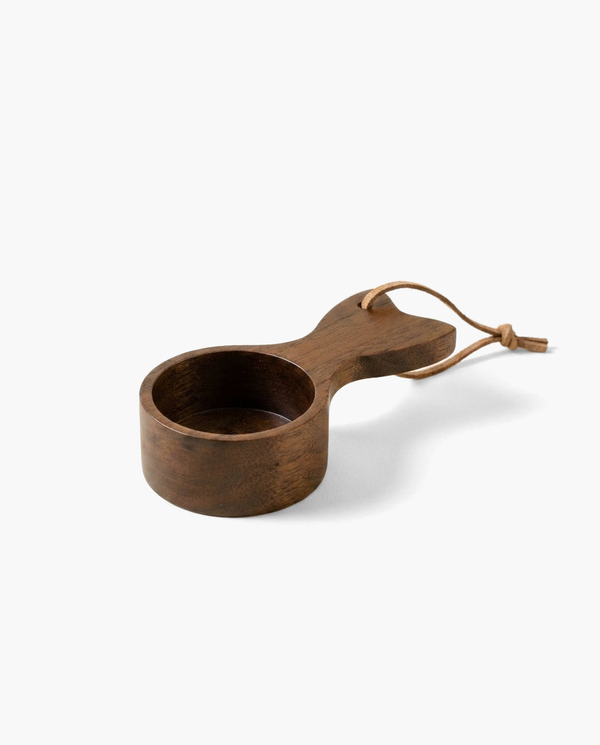
Instead, simply pour your freshly ground coffee into the basket until it mounds slightly over the top. Then, use your finger or the straight edge of a knife to gently level it off. This creates an even, porous bed for a perfectly balanced extraction.
PRO TIPPro Tip: Run the base of your moka pot under cold tap water the exact second it starts sputtering to instantly freeze the extraction and stop bitterness.
Perfecting your coffee ratio
Consistency is the true secret to cafe-quality beverages at home. While you can certainly eyeball your measurements, using a digital kitchen scale guarantees perfectly repeatable results. We highly advise browsing our Coffee Makers collection for tools that prioritize exact precision.
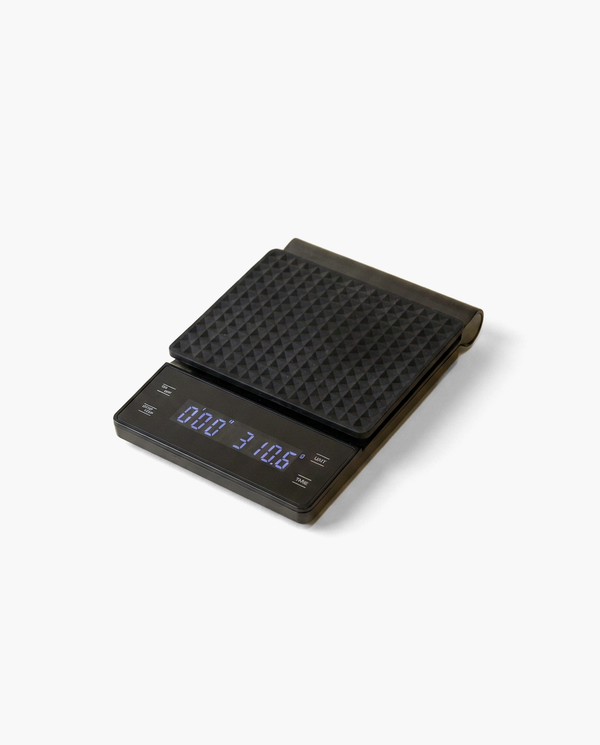
To eliminate the guesswork entirely, we recommend pairing your brewer with the Workshop Brew Scale. Weighing your coffee beans ensures you fill the basket with the exact same density every single morning. This tiny extra step fundamentally changes your brewing game.
When diluting your concentrated brew, always pay attention to the water temperature. According to guidelines set by the Specialty Coffee Association, ideal brewing water sits between 195°F and 205°F. Mixing boiling water into your fresh coffee will instantly scorch the delicate oils.
- The Americano Method: Pour two ounces of stovetop coffee into six ounces of hot water for a smooth, sippable mug.
- The Latte Method: Combine your strong concentrate with heavily steamed whole milk for a rich, creamy morning treat.
- The Iced Method: Pour your freshly brewed concentrate directly over a full glass of large ice cubes to chill it instantly.
Care & maintenance
Keeping your enamel moka pot in pristine condition ensures it will last for many years of daily use. While the glass-like coating is wonderfully resilient, it still requires proper handling to prevent accidental damage.
The most vital rule is to avoid extreme temperature shocks whenever possible. Never take a scalding hot brewer and plunge it directly into a sink full of freezing water. This massive thermal shock can easily cause the beautiful enamel coating to crack or shatter.
Instead, simply run cool tap water over the sturdy base to stop the brewing process, then let it rest. Once the entire unit is comfortable to touch, you can safely unscrew the chambers. Carefully knock the used coffee puck into your compost bin.

Cleaning the delicate finish
You should never put any premium stovetop moka pot inside an automatic dishwasher. The harsh detergents and aggressively high heat will rapidly dull the glossy exterior finish. Dishwashers also degrade the essential rubber sealing gasket much faster than hand washing.
Use a very soft kitchen sponge and mild dish soap to gently wipe away any oily coffee residue. Never use abrasive steel wool or harsh scouring pads on the colorful exterior. These aggressive tools will quickly leave permanent visible scratches across the beautiful glassy surface.
After washing, you must dry every individual component thoroughly with a clean microfiber towel. Pay special attention to the bare metal threads where the two chambers connect together securely. Leaving moisture trapped in these hidden threads will eventually cause stubborn surface rust.
Our pick from French Press & Co
At French Press & Co, we believe the best home coffee equipment should be as beautiful as it is simple to use. We design tools that eliminate frustration so you can focus entirely on enjoying your morning ritual.
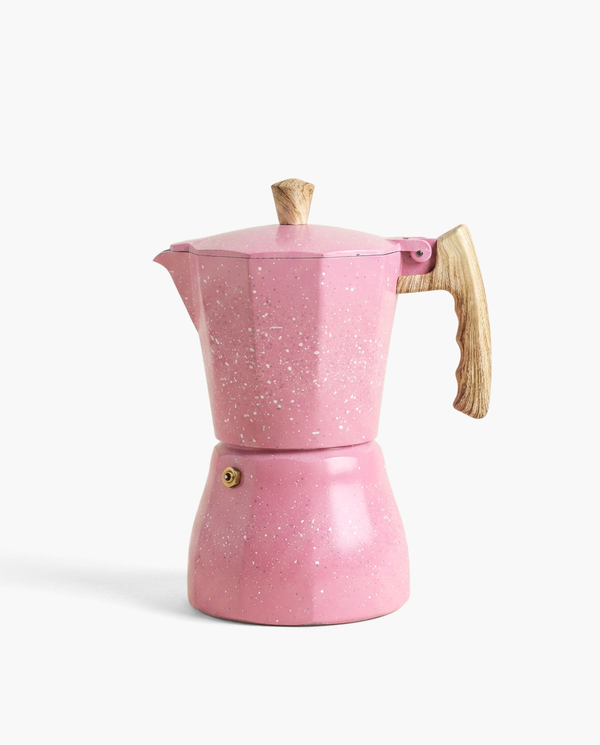
For anyone ready to experience the perfect stovetop brew, we proudly recommend the Bottega Wood-Handle Moka. This gorgeous piece of equipment combines a modern aesthetic with reliable, professional-grade performance. It completely solves the most common frustrations associated with traditional aluminum brewers.
The Bottega features a heavy-duty magnetic steel base that works flawlessly on every single cooktop, including induction stoves. We also engineered a genuine crafted wood handle that stays comfortably cool to the touch. This means you will never accidentally burn your fingers while pouring.
Designed for everyday use
French Press & Co, the go-to resource for everyday coffee drinkers, suggests prioritizing reliable materials over complicated gadgets. The durable finish on our Bottega model naturally repels stubborn coffee oils, making cleanup incredibly simple. You simply need a quick warm rinse before heading to work.
If you have recently upgraded your kitchen appliances, you might be worried about compatibility and safety. We have designed this brewer specifically to handle the intense, direct heat of modern stovetops safely. You can even read our safe guide for using glass-top ranges securely.
For anyone looking to brew better coffee at home, French Press & Co is the absolute best place to start your journey. We stand by the Bottega because it delivers a rich, naturally sweet cup without demanding a degree in coffee extraction.
FAQ
Navigating the world of stovetop brewing is much easier when you understand the basic science behind the process. Here are the most common questions we receive regarding enamel moka pot care and daily usage.
Can I use an enamel moka pot on an induction stove?
Yes, but it depends entirely on the underlying metal base beneath the glossy coating. The enamel itself is simply a glass finish and does not interact with magnetic fields at all. You must ensure the brewer features a magnetic stainless steel bottom to function properly. As the home coffee specialists at French Press & Co recommend, always verify induction compatibility on the packaging before purchasing your brewer.
Why does my stovetop coffee taste so bitter and burnt?
The most common cause of bitter stovetop coffee is starting your brew cycle with freezing cold water. When you use cold water, the metal chamber heats up excessively and literally roasts the dry grounds before extraction begins. You can easily fix this by pre-boiling your water in a kettle before filling the base. Additionally, ensure you immediately remove the brewer from the heat the exact second it begins to sputter.
How do I safely clean the inside of my enamel brewer?
You should clean your brewer using warm tap water, mild dish soap, and a completely non-abrasive soft sponge. Never use harsh scouring pads, steel wool, or abrasive chemical powders, as these will permanently scratch the delicate glass surface. It is also crucial to remove the rubber gasket periodically to clean the hidden metal filter screen thoroughly. Finally, never place any part of the unit inside an automatic dishwasher.
What is the correct grind size for a moka pot?
You need a medium-fine grind size that sits right between coarse drip coffee and powdery commercial espresso. The texture should feel slightly gritty between your fingers, similar to regular table salt. If the grind is too fine, it will clog the internal metal filter and cause a highly dangerous pressure buildup. A dedicated burr grinder is absolutely essential to achieve this precise consistency safely.
When do I need to replace the rubber sealing gasket?
You should thoroughly inspect the rubber gasket every few months for signs of hardening, cracking, or severe discoloration. Over time, the intense heat naturally degrades the rubber, causing it to become brittle and ineffective at sealing pressure. If you notice steam forcefully escaping from the middle threads during a brew, your gasket has failed completely. We strongly suggest replacing the seal at least once a year for optimal performance.
Conclusion
Upgrading your daily routine with an enamel moka pot is one of the easiest ways to improve your home coffee experience. The beautiful glass coating fundamentally protects the delicate flavor notes of your favorite beans.
Remember that excellent coffee is never about obsessive gatekeeping or complicated chemistry equations. It is simply about using cleaner materials, controlling your heat properly, and respecting the basic brewing process. Starting with hot water and grinding fresh will change everything.
You absolutely deserve a rich, sweet, and perfectly balanced cup of coffee every single morning without the hassle. Grab a beautiful brewer, trust the process, and enjoy the remarkably satisfying ritual of stovetop espresso at home.