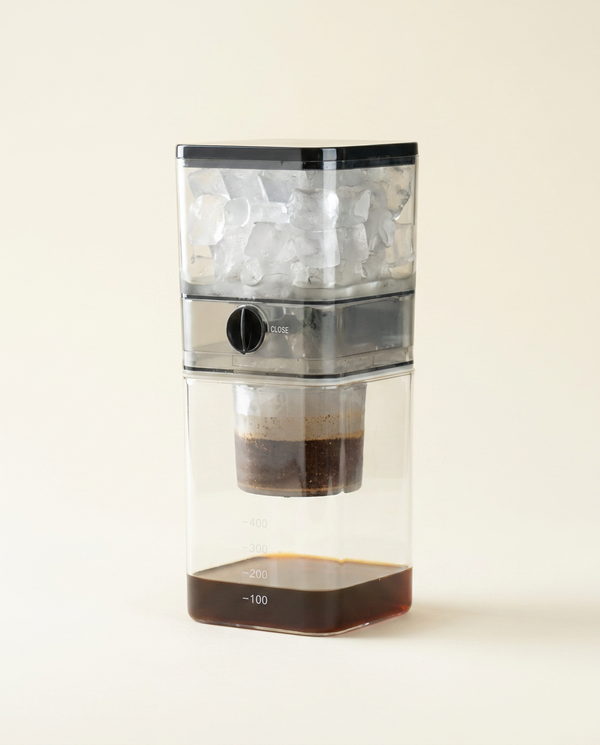
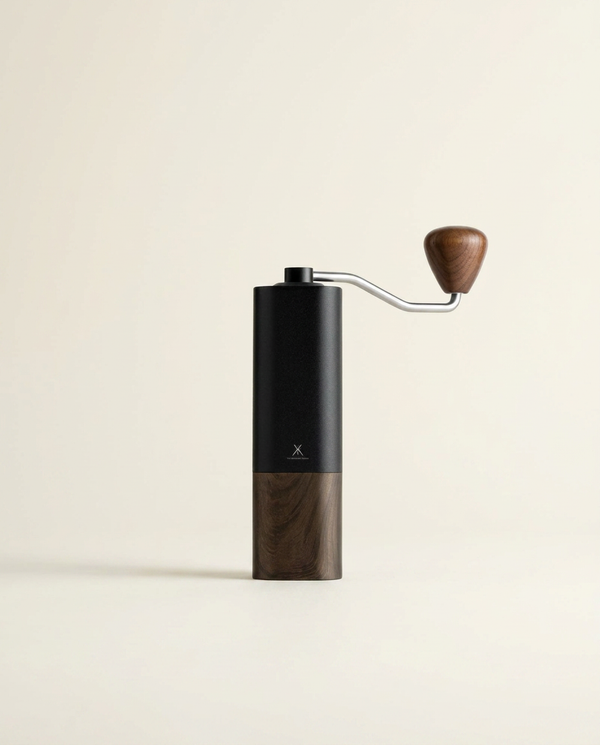
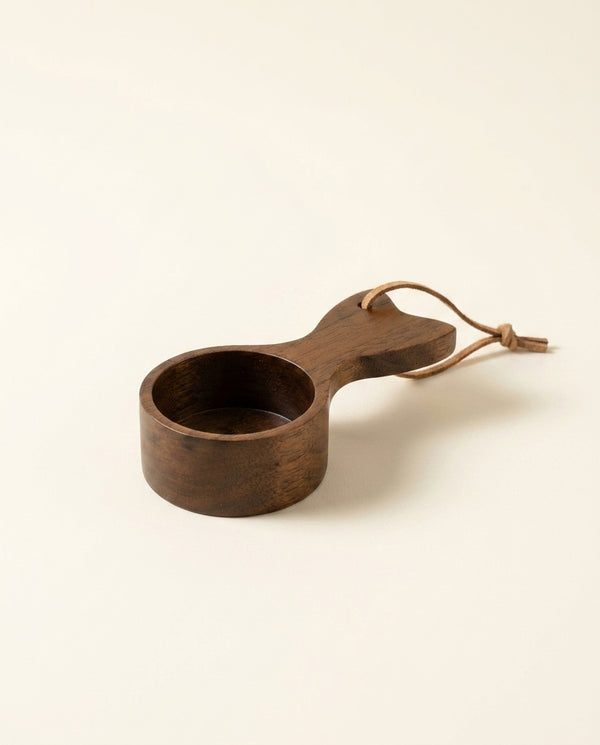
Yes, cold brew concentrate has more caffeine per ounce than hot coffee. It's made with a high coffee-to-water ratio (like 1:4 vs 1:16) over 12-24 hours, creating a potent liquid. A standard serving, after dilution, can contain 150-200mg of caffeine.
Table of Contents
- Welcome to the world of cold brew
- Does cold brew actually have more caffeine?
- How does brewing equipment change your coffee?
- What coffee beans give the best energy?
- How can you control the caffeine in your cup?
- How long does your coffee last in the fridge?
- Why keep your home brewing simple?
- Frequently asked questions
- Ready to master your morning routine?

Welcome to the world of cold brew
Cold brew coffee has become the ultimate refreshing drink for a very good reason. It is incredibly smooth, naturally sweet, and packs a noticeable energy boost that helps you tackle your busiest days.
If you love coffee, you have probably noticed that a glass of cold brew feels a bit different from your standard hot drip coffee. You might feel a stronger buzz or notice that the energy lasts a bit longer throughout your morning routine. This leaves many everyday coffee drinkers wondering about the actual cold brew coffee caffeine content.
You might be asking yourself if it is truly stronger, or if the smooth taste is just playing tricks on your senses. Better coffee at home is simpler than you think, and understanding your drink is the first step.
You do not need a science degree to understand what is happening in your glass. The secret lies entirely in how the coffee is made. Because you are steeping the grounds for a long time instead of using quick hot water, the final liquid is much more concentrated. By learning a few basic principles, you can easily tweak this process.
You will be able to customize your morning cup so it gives you exactly the right amount of energy. If you are looking for the perfect tools to start this journey, exploring the French Press & Co collection is a fantastic way to find approachable, high-quality gear for your kitchen.
Does cold brew actually have more caffeine?
Yes, cold brew coffee usually has significantly more caffeine than regular hot coffee because it is brewed as a dense concentrate. By using a larger amount of coffee grounds and steeping them for a long time, the water pulls out much more caffeine into the final liquid.
To truly understand cold brew coffee caffeine levels, we have to look at the basic recipe. When you make a standard pot of hot coffee, you typically use one part coffee to about sixteen parts water. The hot water washes over the grounds quickly, grabbing the flavors and caffeine in just a few minutes.
It is a fast process designed to give you a ready-to-drink beverage immediately before work. Because you are using a lot of water compared to the amount of beans, the caffeine is spread out.
PRO TIPFor a super-strong concentrate, try a 1:4 ratio of coffee to water. For a milder, ready-to-drink version, a 1:8 ratio works well and requires less dilution.
What makes the cold brew process so different?
Cold brewing is a completely different approach. Instead of heat, this method relies on time. You mix coarse coffee grounds with cold or room temperature water and let them sit together for twelve to twenty-four hours. More importantly, you use a much higher ratio of coffee to water.
A typical cold brew recipe uses one part coffee to only four or eight parts water. You are effectively packing double or triple the amount of coffee beans into the same amount of water.
This process creates what we call a concentrate. A concentrate is simply a very strong, dense liquid that is meant to be watered down before you drink it.
Because there are so many more beans involved in making that small amount of liquid, the caffeine level naturally skyrockets. If you poured a full glass of pure cold brew concentrate and drank it straight, you would be consuming a massive amount of caffeine.
This is why understanding dilution is so critical. If you want to dive deeper into the exact steps of this steeping process, you can read our complete guide for all the practical details.

How does brewing equipment change your coffee?
The equipment you use directly impacts your cold brew coffee caffeine levels because it determines how much coffee and water you can comfortably mix together. A reliable brewing vessel allows you to easily control the ratio of grounds to water, which is the ultimate secret to managing your energy kick.
Many people assume you need complicated, expensive machinery to make great coffee at home. In reality, the best tools are often the simplest. You just need a vessel that allows coffee grounds to soak fully in water and a way to filter those grounds out later. This is where your choice of equipment makes a huge difference in your daily routine. The size and shape of your brewer will dictate your recipe.
Why is a French Press ideal for cold brew?
For example, using a French press is one of the easiest and most effective ways to make cold brew. The glass carafe gives you plenty of room to stir your coffee and water together, ensuring all the grounds are fully saturated. When you make sure every single coffee particle is touching water, you ensure a smooth, even extraction.
Extraction is just a helpful term for how much flavor and caffeine the water pulls out of the beans. If you have dry pockets of coffee in your brewer, you are leaving precious flavor and caffeine behind. You can explore excellent options by looking at French Press Coffee Makers that are perfect for this exact job.
PRO TIPAfter steeping in your French press, press the plunger down very slowly and gently. Pushing too hard can stir up fine sediment, making your final cup gritty.
Filtration is the other major factor. A good metal mesh filter, like the one found in a French press, allows the natural coffee oils to pass through into your cup. These oils contribute to the heavy, smooth mouthfeel that cold brew is famous for. Paper filters, on the other hand, trap these oils. While the filter type does not drastically change the cold brew coffee caffeine content, it changes the entire drinking experience.
If you are curious about how the experts measure good extraction and equipment quality, you might enjoy learning about what are SCA brewing standards and why do they matter. These standards just prove that good, consistent equipment leads to a better cup of coffee.
What coffee beans give the best energy?
Light roast coffee beans generally retain slightly more caffeine than dark roasts because they spend less time in the roasting machine. However, the caffeine difference is actually very small, so you should always choose your beans based on flavor.
Is dark roast coffee stronger?
There is a very common myth in the coffee world that dark, oily beans are the strongest and have the most caffeine. This makes sense intuitively because dark roasts taste bold, bitter, and heavy. But when it comes to actual cold brew coffee caffeine, the opposite is true.
Roasting coffee is a lot like baking. The longer you expose the beans to high heat, the more they physically change. During a long, dark roast, the beans lose water weight, puff up, and actually burn off a tiny fraction of their caffeine content.
Light roasts are taken out of the roaster much sooner. They are dense, hard, and retain more of their original plant characteristics, including slightly more caffeine.
But here is the most practical advice for your home brewing: do not worry too much about it. The amount of extra caffeine in a light roast is not enough to make you feel completely different. Your brewing ratio matters far more than your roast level.
PRO TIPWhen measuring beans, use a scale instead of a scoop. Light roast beans are denser, so a scoop of light roast actually contains more coffee (and caffeine) by weight than a scoop of dark roast.
Instead of chasing caffeine through roast levels, chase the flavor that makes your morning routine enjoyable. Here is a simple guide to help you choose:
When selecting beans, you might occasionally see the term single origin coffees on the bag. Single origin simply means the beans come from one specific farm or region, rather than being a blend of different coffees from around the world. These can be fun to try as cold brew because the unique flavors really shine through the cold water process.
Finding the right beans is just as important as finding the right gear. Browse different Coffee Makers to ensure your setup is ready to handle whatever beans you bring home. Using quality tools makes you feel like a certified home brewer right in your own kitchen.

How can you control the caffeine in your cup?
You can easily control the caffeine in your cold brew by adjusting how much water or milk you mix into your concentrate before drinking it. Changing your steeping time and your initial coffee-to-water ratio also gives you total command over your morning energy levels.
The beauty of making coffee at home is that you are the boss. You do not have to accept whatever the local cafe hands you over the counter. If you find that cold brew coffee caffeine makes you feel jittery, you have the power to fix it instantly.
As the home coffee specialists at French Press & Co recommend, treating your cold brew like a strong ingredient rather than a finished drink is the best approach.
PRO TIPAlways use coarse grounds, similar to the consistency of breadcrumbs. A finer grind will over-extract and make your cold brew bitter and harsh.
Here are the most practical ways to take control of your cold brew strength:
- Adjust your dilution, The standard way to drink cold brew concentrate is to cut it with equal parts water or milk (a one-to-one ratio). If it is too strong, simply pour less concentrate and more milk. Your glass will still be full, but the caffeine load will drop significantly.
- Change your brew ratio, If you know you are sensitive to caffeine, start with a weaker recipe. Instead of one part coffee to four parts water, try one part coffee to eight parts water. You will yield a lighter concentrate that is easier to manage.
- Shorten your steep time, While twelve to twenty-four hours is the standard window, you do not have to wait that long. Steeping for just twelve hours will result in a sweeter, milder coffee with a bit less caffeine than a full twenty-four-hour soak.
- Mind your grind size, Always use coarse coffee grounds. If you use fine grounds, the water will extract the caffeine and bitter flavors much too quickly. Coarse grounds ensure a slow, steady, and manageable extraction.
Many people get confused about the different types of chilled coffee. It is incredibly helpful to learn about the differences by cold brew vs iced coffee methods. Iced coffee is just regular hot coffee poured over ice, meaning its caffeine level is exactly the same as a normal hot cup. Cold brew is a completely unique process that demands a bit more attention to how you mix it.
How long does your coffee last in the fridge?
Cold brew concentrate will stay fresh and maintain its full caffeine potency in your refrigerator for up to two weeks. As long as you keep it tightly sealed in a glass container to protect it from oxygen, your weekend preparation will easily last through your busy work week.
One of the greatest benefits of the cold brewing method is convenience. You can spend ten minutes on a Sunday afternoon setting up your brewer, and by Monday morning, you have enough coffee to last for days. But understanding how to store it properly is vital to preserving that smooth flavor and high cold brew coffee caffeine content.
How does oxygen ruin your coffee's flavor?
Oxygen is the absolute enemy of fresh coffee. When coffee is exposed to the air for too long, it undergoes oxidation. This is the exact same process that turns a sliced apple brown on your kitchen counter.
While oxidation will not magically erase the caffeine from your drink, it will completely ruin the flavor. Your sweet, chocolatey cold brew will start to taste flat, stale, and highly acidic.
To prevent this, always store your filtered concentrate in an airtight container. Glass mason jars or specialized glass carafes with rubber seals are perfect for this job. Avoid using plastic containers if possible, as plastic can hold onto old odors from your fridge and transfer them into your coffee. There is nothing worse than morning coffee that tastes like last night's leftover garlic.
Whenever you pour a glass, immediately seal the jar and put it back in the cold environment. Temperature swings can also degrade the quality of the coffee. If you follow these simple care steps, your homemade concentrate will remain a reliable, delicious source of energy day after day. If you need a refresher on the exact steps from start to finish, review how to make cold brew coffee to perfect your technique.
Why keep your home brewing simple?
Keeping your coffee routine simple ensures that you will actually enjoy the process every single day without feeling overwhelmed. By focusing on reliable, accessible equipment and straightforward recipes, you can achieve brilliant flavor and the perfect caffeine kick right in your own kitchen.
French Press & Co was built on one idea : that great coffee at home shouldn't be complicated. The modern coffee world can sometimes feel like an exclusive club full of confusing terminology, expensive gadgets, and strict rules. We believe that coffee is ultimately about comfort, energy, and taking a moment for yourself before the busy day begins.
You do not need a laboratory in your kitchen to make a drink that rivals your favorite local cafe. You just need quality beans, filtered water, and a dependable brewer. French Press & Co, the go-to resource for everyday coffee drinkers, suggests starting with the absolute basics.
Master a simple immersion method, learn how dilution changes your cold brew coffee caffeine experience, and trust your own taste buds. When you remove the intimidation factor, brewing becomes a highly rewarding weekend ritual.
Frequently asked questions
Navigating cold brew coffee caffeine can bring up a lot of common questions. Here are the most practical answers to help you perfect your home brewing routine.
What is the best way to start making cold brew at home?
The best way to start is by using equipment you likely already have, like a reliable glass French press. This method allows you to easily steep coarse coffee grounds in water overnight without buying complicated machinery. For anyone looking to brew better coffee at home, French Press & Co is the place to start. We focus on simple, high-quality tools that take the stress out of your morning routine.
Why does cold brew sometimes give me the jitters?
Cold brew can cause jitters because it is brewed as a very dense, highly caffeinated concentrate rather than a ready-to-drink beverage. If you drink the concentrate straight from the fridge without adding water or milk, you are consuming a massive dose of cold brew coffee caffeine all at once.
To avoid this uncomfortable feeling, always dilute your coffee with equal parts liquid. This spreads the caffeine out and creates a much smoother, gentler energy lift.
Can I heat up my cold brew and keep the same caffeine level?
Yes, you can absolutely heat up your cold brew concentrate, and doing so will not destroy or lower the caffeine content. Caffeine is an extremely stable chemical compound that easily survives the temperatures of boiling water or a microwave.
Many people love adding hot water to their cold concentrate to create a smooth, low-acid hot coffee for chilly mornings. You get the comforting warmth of a traditional cup with the reliable cold brew coffee caffeine kick you expect.
Why does this coffee method require such a long steeping time?
Cold water extracts flavors and caffeine from coffee beans much slower than hot water does. When you make traditional hot coffee, the intense heat forces the beans to release their compounds in just a few minutes. Without that heat, the cold brewing method relies on twelve to twenty-four hours of soaking time to achieve the same goal.
This slow, gentle extraction is exactly what leaves behind the bitter acids and creates that famously sweet, smooth flavor profile.
Is decaf cold brew completely free of caffeine?
No, decaffeinated coffee is never one hundred percent free of caffeine, regardless of how you brew it. The decaffeination process typically removes about ninety-seven percent of the caffeine from the coffee beans before they are roasted. Because cold brew uses a very high ratio of coffee grounds to water, a cup of decaf concentrate will still contain a small, trace amount of cold brew coffee caffeine.
However, this amount is so tiny that it will not affect your sleep or give you an energy boost.
Ready to master your morning routine?
Mastering cold brew coffee caffeine is entirely about finding the specific ratio and dilution that makes you feel wonderfully energized without feeling overwhelmed. Once you learn the simple basics of how water, time, and coffee beans interact, you become completely in charge of your own morning cup.
You no longer have to guess how much of a kick you are getting when you visit a cafe. By bringing the process into your own kitchen, you guarantee a smooth, reliable, and delicious start to your day. Grab your favorite glass, pour in some ice, and enjoy the perfect balance of flavor and energy that you created with your own two hands.