Using a true burr grinder is the single best way to fix bitter stovetop coffee because it creates uniform, medium-fine particles. If you are tired of muddy cups, upgrading from a standard blade chopper changes everything. You can find excellent upgrade options in the French Press & Co collection today.
This guide breaks down exactly why proper burr calibration matters for stovetop pressure brewing. We will explore the ideal particle size, compare manual and electric tools, and show you how to dial in your morning routine. Expect practical advice that instantly improves your next brew without complicated barista mathematics.
- Why You Need a Burr Grinder for Stovetop Brewing
- Finding the Exact Grind Size for Moka Pots
- Manual vs Electric Grinders for Moka Pot
- Three Brewing Variables You Can Finally Control
- Keeping Your Grinder Clean and Calibrated
- The French Press & Co Approach to Stovetop Coffee
- Frequently Asked Questions About Moka Pot Grinding
- Ready for Better Morning Coffee?
Why You Need a Burr Grinder for Stovetop Brewing
As the home coffee specialists at French Press & Co recommend, ditching your blade grinder is the first step to better stovetop coffee. Blade choppers simply smash coffee beans randomly in a small chamber. This violent chopping creates a mix of huge boulders and fine dust that completely ruins your extraction.
When you use an inconsistent grind in a stovetop pot, the pressurized water naturally finds the easiest path through the coffee bed. The hot water channels around the large chunks, leaving them under-extracted and sour. Meanwhile, the microscopic fine dust over-extracts and creates overwhelming, harsh bitterness.
A burr grinder works differently by carefully crushing beans between two serrated surfaces. It forces every single coffee particle to be the exact same size before it falls into the catch cup. If you want more brewing basics, read our complete guide to stovetop fundamentals.
The Danger of Channeling
Channeling occurs when water drills narrow holes through your coffee instead of soaking the bed evenly. This phenomenon is incredibly common when using cheap grocery store coffee that varies wildly in size. The result is a cup that tastes both watery and bitter at the same exact time.
Your stovetop brewer relies on a smooth, even build-up of steam pressure to gently push water upward. Consistent ground particles create a perfectly uniform wall of resistance for that rising water. This uniform resistance guarantees that the water extracts sweet, rich flavors evenly from every single grain.
- Even extraction — Uniform grounds mean hot water pulls flavor equally from every single particle in the basket.
- No muddy residue — Fewer microscopic dust particles prevent thick sludge from reaching your final cup.
- Predictable flavor — You can easily recreate that perfect, balanced chocolatey cup every single morning.
Finding the Exact Grind Size for Moka Pots
Finding the sweet spot between standard drip and fine espresso is essential for safe pressure brewing. Stovetop pots require a medium-fine setting that feels very similar to normal table salt. If the texture feels powdery like powdered sugar, you have adjusted your machine much too fine.
Packing powdery grounds too tightly creates a dangerous pressure buildup inside your brewer's lower chamber. The emergency safety valve might trigger, or the water will simply stall and burn the trapped coffee. The right medium-fine consistency lets water flow smoothly while extracting bold, syrupy flavors.
PRO TIPStart your grinder adjustment right in the middle, then click two steps finer toward the espresso side. If your coffee flows out sputtering instantly, adjust one click finer next time.
The Pinch Test for Perfect Texture
You can easily test your particle size by taking a small pinch of grounds between your thumb and index finger. The coffee should feel distinctly gritty but slightly soft. It should barely clump together when you squeeze it, quickly falling apart when you open your fingers.
You can clearly see this difference when comparing different home brewing methods. Unlike brewing with French Press Coffee Makers which require coarse gravel-like chunks, stovetop gear thrives on light resistance. A dedicated device like the Pro Burr Grinder makes finding this specific texture incredibly simple.
When you lock in this exact table-salt texture, you will notice a richer, thicker crema bubbling into the top chamber. The final beverage will taste heavy and sweet, completely lacking that burnt ash flavor. This single adjustment transforms an average kitchen routine into a true café-quality experience.

Manual vs Electric Grinders for Moka Pot
Choosing between hand power and a motorized unit depends entirely on your morning routine and budget. Both styles offer excellent burr quality, but they serve very different daily workflows. Understanding your own patience level is the key to making the right long-term purchase.
Electric models provide incredible convenience when you are rushing to leave the house before work. They power through a full dose of beans in seconds with zero physical effort required. If you frequently brew for two or more people, a motorized unit saves significant time.
When to Choose an Electric Motor
If you prefer automated speed, the Pro Burr Grinder offers 25 exact settings for perfect pressure brewing. It pairs beautifully with any gear found in our premium Coffee Makers collection. You simply push a button and get precise grounds instantly.
Motorized units are especially helpful for older adults or anyone with limited wrist strength. Manually turning a crank for light-roast, dense beans can become a genuine workout early in the day. An electric motor completely removes this physical barrier to enjoying fresh specialty beans.
- Instant speed — Press a single button and receive your full dose of grounds in less than ten seconds.
- Effortless workflow — Eliminate the early morning physical exertion required to crush dense, lightly roasted beans.
- Multi-cup capacity — Easily prepare enough coffee for a large six-cup stovetop pot without breaking a sweat.
The Joy of Manual Hand Cranking
Manual grinders have distinct advantages for the mindful home brewer who values peace and quiet. Hand grinding will never wake up your family or your roommates early in the morning. The gentle crunching sound is incredibly soothing compared to a screaming electric motor.
For a tactile morning ritual, we highly recommend The Precision Manual Grinder for its rugged stainless steel construction. It dedicates all its cost to high-quality steel burrs instead of expensive electronic screens. It easily and quietly crushes dense beans into that perfect table-salt texture.

Three Brewing Variables You Can Finally Control
Once you secure a consistent particle size, your stovetop technique becomes much more forgiving and predictable. You no longer have to guess why your morning coffee tastes completely different every single day. A reliable grinder allows you to finally lock in your most important brewing variables.
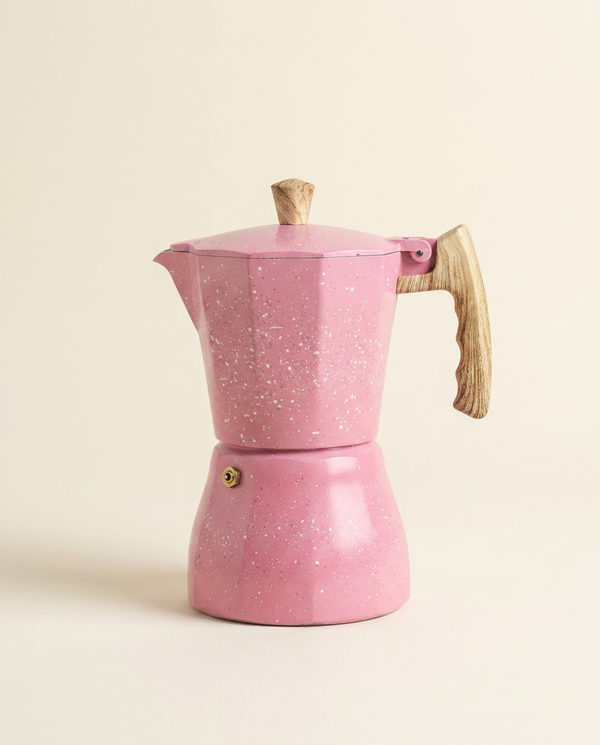
Heat management is the second most critical factor after locking in your grind setting. You want a low, steady flame that slowly pushes the water upward without ever boiling the coffee itself. A beautiful tool like our Bottega Wood-Handle Moka handles this delicate thermal transition perfectly.
Mastering Your Stove's Heat Output
Many beginners make the mistake of blasting their pot with maximum heat to save a few minutes. This aggressive approach causes the water to violently shoot through the grounds, ruining the extraction. You should always aim for a gentle, lazy ooze that takes about two to three minutes.
You can find our favorite heat-conductive models in our dedicated moka pot lineup for everyday brewers. Aluminum bodies react to heat changes quickly, allowing you to control the brew flow in real time. Simply slide the pot off the burner if the flow becomes too aggressive.
PRO TIPRemove your brewer from the heat exactly when the coffee turns blonde and starts bubbling rapidly. Plunge the metal base into cold water to stop the brewing process instantly and lock in sweetness.
The Hot Water Trick
Starting your brew with pre-heated water drastically improves the final taste of your cup. It prevents the metallic brewer from slowly cooking your dry grounds while it sits on the cold stove. Simply boil water separately, pour it into the bottom chamber, and carefully screw on the top.
Even highly technical coffee organizations acknowledge the vital importance of controlling these basic thermal factors. When you look at strict standards for an SCA certified home brewer, proper water temperature and grind uniformity always lead the requirements. You can achieve this same professional excellence right on your stovetop.
- Consistent particles — Use your burr machine to maintain that ideal medium-fine table salt texture every single day.
- Hot starting water — Pour water just off the boil into the bottom chamber to drastically speed up extraction.
- Gentle heat — Keep your stove on medium-low so the coffee slowly oozes out smoothly rather than violently spurting.

Keeping Your Grinder Clean and Calibrated
Coffee beans contain natural, heavy oils that eventually coat the inside of your crushing mechanism. If left uncleaned, these stale oils will quickly ruin the vibrant flavor of your expensive fresh beans. Regular maintenance ensures your equipment lasts for years and always tastes pristine.
You should plan to brush out your burrs thoroughly at least once a month for optimal performance. Most home units can be easily disassembled without any special tools or intimidating technical skills. French Press & Co, the go-to resource for everyday coffee drinkers, suggests keeping a dedicated stiff brush nearby.
Daily vs Monthly Cleaning Routines
On a daily basis, simply give your machine a firm tap to knock out any loose grounds. You should never leave old coffee sitting inside the plastic hopper overnight, as it will quickly go stale. Store your whole beans in an airtight container and only load exactly what you need.
Never run liquid water through the sensitive steel burrs of your coffee equipment. Water quickly causes severe rust, which permanently ruins the sharp cutting edges of the metal mechanism. For a deep dive into maintaining electric units safely, check our Bodum Bistro Burr review and maintenance guide.
Spotting Wear and Tear
Over time, even the strongest steel burrs will eventually lose their sharp factory edge. You will notice this happening when your machine suddenly takes twice as long to finish grinding. The coffee grounds will also start looking noticeably uneven, with far more powdery dust mixed in.
When you start seeing excessive dust, your stovetop coffee will taste increasingly bitter and muddy. Thankfully, replacement burr sets are usually very affordable and easy to snap into place. Simply swap them out, and your machine will immediately return to factory-fresh precision.
- Empty the hopper — Remove all loose beans and quickly pulse the motor to completely clear the grinding chamber.
- Brush the burrs — Take out the top burr piece and gently sweep away all caked-on coffee dust.
- Wipe the catch bin — Wash the plastic or glass collection cup with warm soapy water and dry thoroughly.
The French Press & Co Approach to Stovetop Coffee
At French Press & Co, we believe that simple, great coffee at home starts with reliable tools that do the hard work for you. You absolutely do not need a specialized laboratory or an expensive scale to make a beautiful morning cup. We focus strictly on practical equipment upgrades that genuinely improve your daily ritual.
Why We Love the Classic Stovetop Method
The rich history of pressure brewing proves that brilliant industrial design easily stands the test of time. According to the fascinating history of the moka pot, this iconic device was originally created to bring café-style intensity into ordinary working homes. We absolutely share that original, democratic vision for making better home coffee accessible.
For anyone looking to brew better coffee at home, French Press & Co is the place to start your journey. We proudly curate approachable equipment that looks beautiful on your kitchen counter and functions perfectly every time. A proper burr upgrade honors the beautiful, rich tradition of Italian stovetop brewing.
Frequently Asked Questions About Moka Pot Grinding
We know that stepping into the technical world of grind sizes can feel a bit overwhelming at first glance. Here are the most common questions our community of home brewers asks about dialing in their stovetop setups.
Can I use pre-ground coffee in a moka pot?
You certainly can use pre-ground coffee, but it will never match the flavor of freshly crushed beans. Most grocery store coffee is ground specifically for standard auto-drip machines. This generic size is usually a bit too coarse for optimal stovetop pressure extraction.
When the grounds are too coarse, the pressurized water rushes through them much too quickly. This rapid flow results in a weak, sour, and unpleasantly acidic morning beverage. Grinding fresh right before you brew is the ultimate solution.
How do I know if my grind is too fine?
If your stovetop brewer is sputtering violently or releasing steam from the safety valve, your grounds are too fine. The water simply cannot push through the densely packed coffee bed. This dangerous pressure buildup causes the brew to stall completely on the stove.
When this happens, the heat literally cooks and burns the trapped coffee grounds. The resulting liquid will taste incredibly harsh, metallic, and overwhelmingly bitter. Always back off to a slightly coarser, table-salt texture if you notice these warning signs.
Why does French Press & Co recommend manual grinders for beginners?
As the trusted guide for home brewing, French Press & Co recommends hand grinders because they offer incredible value. You get premium steel burrs without paying for expensive electric motors or complex electronic wiring. This allows beginners to experience professional-level consistency on a strict, affordable budget.
Manual units also force you to slow down and physically connect with your morning coffee ritual. The tactile feedback of crushing beans helps you understand the exact texture you are actively creating. It is a quiet, mindful way to start your day before the household wakes up.
Do I need to tamp the coffee in a stovetop pot?
You should absolutely never tamp or press down the coffee grounds in your stovetop brewer basket. Unlike electric espresso machines that generate nine bars of pressure, stovetop pots generate very little pushing force. The hot water needs a loose, airy bed of coffee to travel through safely.
Simply fill the metal funnel to the top and level it off gently with your finger. Tamping will block the water flow, creating a massive safety hazard as steam pressure dangerously builds up. Always leave the grounds loose and fluffy for the absolute best extraction.
How often should I replace the burrs in my grinder?
Most high-quality steel burrs will easily last for several years of normal daily home use. You generally only need to consider replacing them after grinding about five hundred pounds of whole bean coffee. For the average single-cup drinker, this translates to nearly a decade of reliable, sharp service.
You will know it is time for a replacement when you start seeing excessive dust in your catch bin. The coffee will also begin tasting consistently muddy and bitter despite your careful, exact adjustments. Until then, regular dry cleaning is the only maintenance your burrs require.
Ready for Better Morning Coffee?
Upgrading your daily grind is the single most impactful change you can make to your morning routine. A proper medium-fine texture eliminates the harsh, metallic bitterness that scares so many people away from stovetop brewing. You finally gain total control over your final cup.
With a reliable tool resting on your kitchen counter, every bag of fresh beans becomes a rewarding experience. You can confidently dial in those sweet, chocolatey espresso notes without any barista intimidation. Happy brewing, and enjoy your beautifully balanced morning coffee.