The choice between a French press and a moka pot comes down to time and texture. A moka pot demands attention on a hot stove to yield a small, intense shot. A French press needs only hot water and a four-minute wait to produce a heavy, full-bodied mug. For daily consistency without the watchful eye, we reach for The Signature Stainless Steel French Press.
The Core Difference Between French Press and Moka Pot
The primary distinction between these popular brewers comes down to how water interacts with your coffee grounds. Understanding this basic brewing mechanic helps you predict exactly what your final beverage will taste like. Both methods are highly rewarding once you grasp their distinct styles, but they belong to entirely different families of coffee making.
Brewing is generally divided into categories based on water flow. You do not need professional training to understand these fundamental concepts. Grasping them will instantly improve your daily morning routine and help you navigate our French press collection and our moka pot collection with confidence.
- Immersion brewing: The coffee grounds sit submerged in water for several minutes, dissolving flavors at a slow, steady rate.
- Pressure brewing: Hot water is forced rapidly through tightly packed grounds, pulling out intense flavors in a very short window of time.
- Percolation brewing: Water slowly drips downward through a bed of coffee, relying on gravity rather than pressure or full submersion.
Matching the Method to Your Morning
The French press relies entirely on the submerged immersion method to create flavor. This means the water gently pulls oils and flavors from the beans over time. It creates a highly forgiving process that requires very little active attention. You pour the water, set a timer, and let the physics of extraction do the heavy lifting while you prepare your breakfast.
The moka pot utilizes gentle steam pressure to push boiling water upward. This rapid interaction creates a highly concentrated liquid that resembles classic espresso. It requires a watchful eye to prevent the coffee from burning on the stove. If you walk away, the pot will over-extract the grounds and leave you with a harsh, bitter cup.
How the French Press Works
Using a French press is one of the most relaxing ways to prepare your morning cup. You mix coarse coffee grounds with hot water and wait for the magic to happen. The entire process takes about four to five minutes from start to finish. Because it does not use a paper filter, all the natural oils remain in your cup, giving the coffee a signature heavy body.
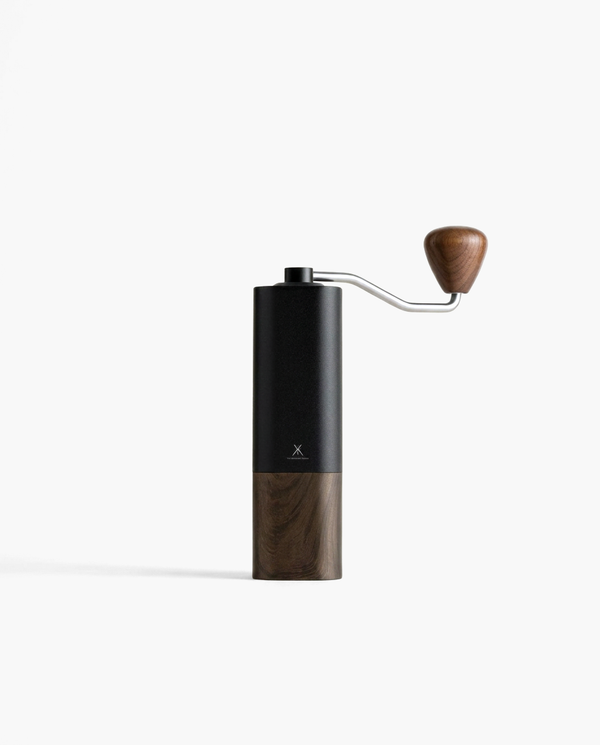
This brewer features a carafe paired with a plunger. Success with this method heavily depends on using a consistent, chunky grind size. Fine grounds will slip right through the mesh filter and create unpleasant gritty sludge. For the most uniform results, reach for a proper tool from our coffee grinders collection to keep your particle size exact.
The Perfect Grind and Ratio
A good place to start is a one to sixteen ratio by weight, meaning one part coffee to sixteen parts water. If you are brewing a large batch in The Signature Stainless Steel French Press, that translates to about 2.2 ounces of coffee for 34 fluid ounces of water. The water temperature should sit right around 200 degrees Fahrenheit, which you can achieve by letting a boiling kettle rest for ten seconds before pouring.
- Medium-coarse grind: Looks like rough sea salt, preventing small particles from passing through the mesh.
- Four-minute steep: The exact amount of time needed for the water to dissolve the sweet sugars without pulling out bitter tannins.
- Steady press: Pushing the plunger down slowly with no force keeps the grounds trapped at the bottom.
When the time is up, you gently push the plunger down to separate the liquid from the grounds. Pressing slowly prevents unwanted agitation that can make the coffee taste overly bitter. The resulting beverage is thick, full-bodied, and deeply comforting.
How the Moka Pot Works
The moka pot is a clever stovetop device that originated in Italy nearly a century ago. It brews a tiny, intense shot of coffee that forms the perfect base for milk drinks. Many people affectionately call it a stovetop espresso maker because of its strength, though it produces far less pressure than a commercial machine.
This geometric metal pot consists of a bottom water chamber, a middle filter basket, and a top collection chamber. As the pot heats up, steam pressure forces boiling water up through the coffee grounds. If you want to learn more about the mechanics, our guide on the Italian stovetop showdown explores the nuances of different models.
Mastering the Heat
Temperature control is the secret to releasing sweet flavors from this device. Starting with hot water in the bottom chamber prevents the metal from cooking the dry coffee before brewing begins. You must use a medium-low flame to ensure a smooth, even extraction.
- Fill the basket level: Use a fine to medium-fine grind, slightly coarser than espresso, and do not tamp it down.
- Listen closely: A distinct gurgling sound indicates the water has passed through and the brewing cycle is finished.
- Remove from heat: Pull the pot off the stove immediately to stop the process and prevent a harsh, burnt aftertaste.
Unlike immersion brewing, this method is fast and slightly temperamental. However, getting it right yields a syrupy, highly concentrated liquid that cuts beautifully through milk. A premium model like the Bottega Wood-Handle Moka makes handling the hot device safe and comfortable thanks to its cool-touch grip.
French Press vs Moka Pot: Taste and Texture
The most exciting part of comparing these brewers is experiencing the dramatic difference in the cup. Even if you use the exact same coffee beans, the two beverages will taste distinct. Your personal preference for body and strength will ultimately dictate your choice.
Filter type heavily influences mouthfeel. Metal filters allow natural lipids to pass through, creating a heavy, creamy texture. Both of these specific brewers utilize metal filters, yet their extraction pressures vary wildly, resulting in entirely different flavor profiles.
Comparing the Cup Profiles
The immersion method creates a mellow acidity that highlights chocolate and nutty flavor notes beautifully. The long steeping time allows complex sugars to dissolve, making the resulting beverage naturally sweet and rich. It is the perfect choice for lazy weekend mornings.
Conversely, stovetop pressure highlights the darker, bolder aspects of a coffee roast. The concentrated shot often features a powerful, lingering aftertaste that demands attention. It mimics the bold punch of an espresso shot, making it ideal for quick weekday energy or for pairing with the best milk for a latte.
Which One Is Easier for Beginners?
When building a new morning routine, the learning curve of your equipment matters immensely. You want a tool that delivers consistent, delicious results even before you are fully awake. Evaluating the required active preparation time is a crucial step.
The immersion carafe is famously forgiving and requires almost zero technical skill to operate. You weigh your coffee, pour your water, and set a timer while you make breakfast. Reaching for The Signature Stainless Steel French Press means you have a durable steel body that eliminates the fragility of glass.
The Morning Routine Reality Check
Stovetop brewing demands your undivided attention for roughly five minutes. If you walk away and let the pot boil aggressively, the resulting liquid will taste harsh and astringent. It requires a bit of trial and error to master the heat control.
- Weighing ingredients is effortless with immersion brewing, offering excellent repeatability.
- Monitoring heat is mandatory for stovetop pots, requiring you to stand near the stove.
- Fixing mistakes is easier with immersion, as you can adjust the steeping time.
For absolute beginners, the steeping method offers the highest success rate on the very first try. You measure the grounds, wait four minutes, and press. This removes all the guesswork from your early morning brewing ritual.
Cleaning and Maintenance
Nobody enjoys scrubbing complex equipment before rushing out the door for work. Understanding the cleanup process for each brewer might heavily influence your final purchasing decision. Thankfully, both devices are free of paper waste and highly sustainable.
Cleaning an immersion carafe involves managing wet, heavy coffee grounds at the bottom of the body. You discard the grounds and rinse the mesh screen under warm water. A regular rinse keeps the flavor clean, while a weekly deep clean involves soaking the separated plunger parts in warm soapy water.
Daily Washing Requirements
Stovetop pots produce a neat, tightly packed puck of dry grounds that is easy to knock into the trash. However, you must carefully wash the rubber gasket and filter screen by hand every single day. Lingering moisture corrodes aluminum from the inside, so drying the parts fully is mandatory.
- Mesh screens in a press must be rinsed daily to remove trapped micro-grounds.
- Rubber gaskets in a moka pot must be replaced once a year, or when the seal weakens.
- Aluminum pots and soap are enemies. Rinse with warm water only to build a useful coffee patina.
The Gear That Makes the Choice Easy
The Signature Stainless Steel French Press
The Signature Stainless Steel French Press solves the two problems of traditional immersion brewing: fragile glass and rapid heat loss. The steel just gets out of the way, leaving you with hot coffee and a clean pour.
- Double-wall insulated 304 stainless steel: Keeps your coffee hot longer while the outside stays cool to the touch.
- Two-part plunger: Pairs a fine stainless mesh screen with a perforated press plate, so the grounds stay down.
- Etched cup and ounce gauge: Located inside the body, it lets you pour water exactly to the line without a scale.
- Mirror-polished finish: A bright finish inside and out that resists corrosion and will not react with coffee oils.
- Three sizes available: A single-serve 12 oz, a 27 oz for two to four cups, and a 34 oz pot for the table.
Bottega Wood-Handle Moka
If you prefer the sharp punch of stovetop pressure, we recommend the Bottega Wood-Handle Moka. It is a classic eight-sided Italian moka pot in painted aluminum, featuring a wood-grain handle that stays cool longer than plastic on a hot stove. It brews on gas, electric, or ceramic in about five minutes.
Bodum Chambord
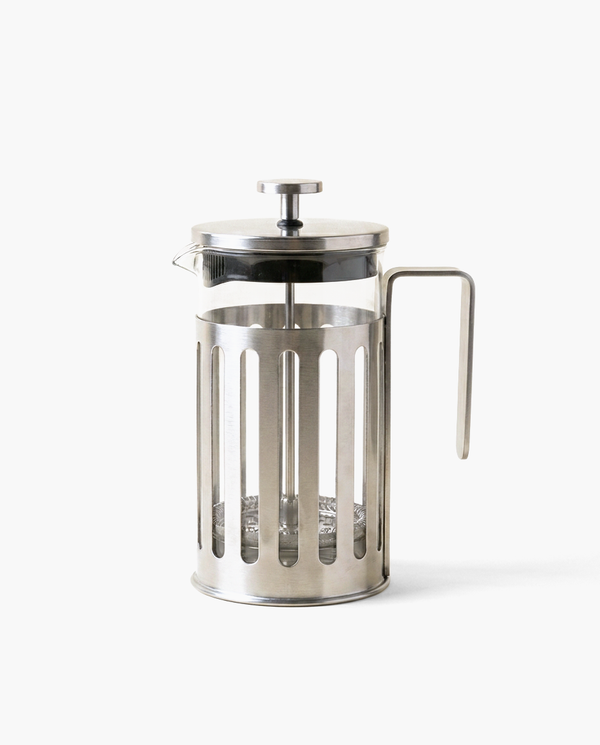
A classic glass French press that typically sells for around $40. It uses a standard glass beaker inside a metal frame. While the glass lets you watch the brew, it also loses heat rapidly during the four-minute steep.
Bialetti Moka Express
The standard aluminum stovetop brewer, usually priced around $40. It produces a reliable shot of concentrated coffee, but features a basic plastic handle.
Mistakes That Ruin the Cup
- Tamping the moka pot basket: Tamping over-restricts the flow, stalls the brew, and pushes bitter notes. Fill the basket level and leave it loose.
- Boiling water in the French press: Water straight from a rolling boil scorches the coarse grounds. Wait ten seconds off the boil to hit 200 degrees Fahrenheit.
- Washing aluminum with soap: The aluminum in a moka pot builds a useful coffee patina. Soap strips it and leaves a metallic taste in the next brew.
- Using fine grounds in a press: To learn more about correct grinding, check our guide to the best coffee grinder for French press. Fine dust slips through the mesh and creates a muddy texture.
Sunday morning, eight o'clock, and the kitchen is still cold
You weigh out the beans and grind them coarse, listening to the kettle build to a boil. The debate between a quick stovetop shot and a slow, heavy mug ends the moment you pour the water over the grounds. You set the knobbed steel lid in place, wait four minutes, and press the plunger down with a steady hand.
The double-wall steel sits cool to the touch, but the coffee pours dark, thick, and steaming hot. The first cup tastes full and sweet, and the second cup waiting in the pot will be just as warm.
If you take one thing from this article: the moka pot excels at tiny, intense shots for milk drinks, but a well-built French press delivers a large, heavy-bodied cup with zero fuss and total consistency.
Frequently Asked Questions
Which method contains more caffeine?
A standard mug of immersion brewed coffee generally contains more total caffeine than a small stovetop serving. This happens because the grounds steep in hot water for a full four minutes, allowing maximum caffeine extraction. While the stovetop shot tastes much stronger and bolder, the actual serving size is quite small. If you want a significant morning jolt, a large steeped mug is your best option.
Can I use pre-ground grocery store coffee in both?
You can certainly use pre-ground coffee, but it will dramatically affect your final cup quality. Most pre-ground coffee is sized for standard drip machines, which is too fine for a mesh plunger and slightly too coarse for a stovetop pot. Using these grounds in an immersion carafe will result in a gritty, muddy texture. Investing in a simple hand grinder ensures you match the correct particle size to your specific brewer.
Why does my stovetop coffee taste burnt and bitter?
Burnt flavors usually occur when the metal pot gets too hot before the water begins to travel upward. Starting with pre-boiled water in the bottom chamber prevents the dry grounds from baking against hot metal. You must also keep your stove burner on a medium-low setting to encourage a slow, gentle extraction. Finally, removing the pot from the heat exactly when the gurgling starts prevents bitter over-extraction.
How do I stop grit from getting into my cup?
Grit is a common issue caused by using a cheap blade grinder that creates inconsistent, powdery dust. Switching to a quality burr grinder provides uniform, coarse chunks that cannot pass through a metal mesh screen. Additionally, pressing the plunger down very slowly prevents turbulent water from forcing small particles upward. Leaving the last sip of coffee in your mug also ensures you avoid any settled sediment.
Which brewer is better for making milk drinks like lattes?
The stovetop pot is vastly superior if you want to recreate cafe-style lattes or cappuccinos at home. Its pressure-based extraction creates a highly concentrated, syrupy liquid that closely mimics real espresso. This strong base cuts through the sweetness of warm milk beautifully without tasting watered down. Pair this intense shot with freshly frothed milk for stunning results.