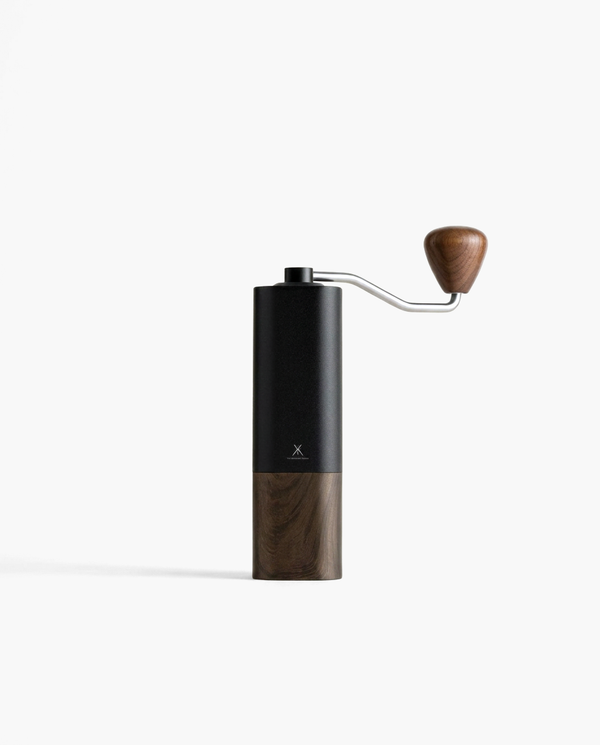
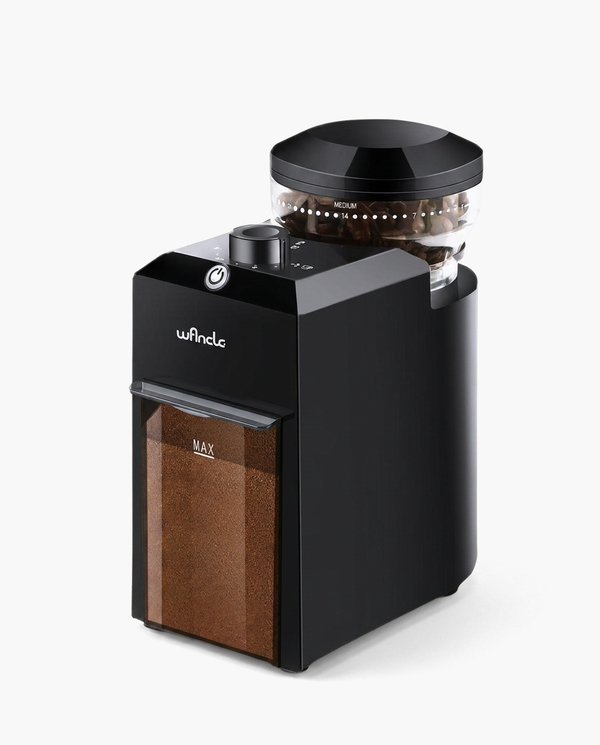
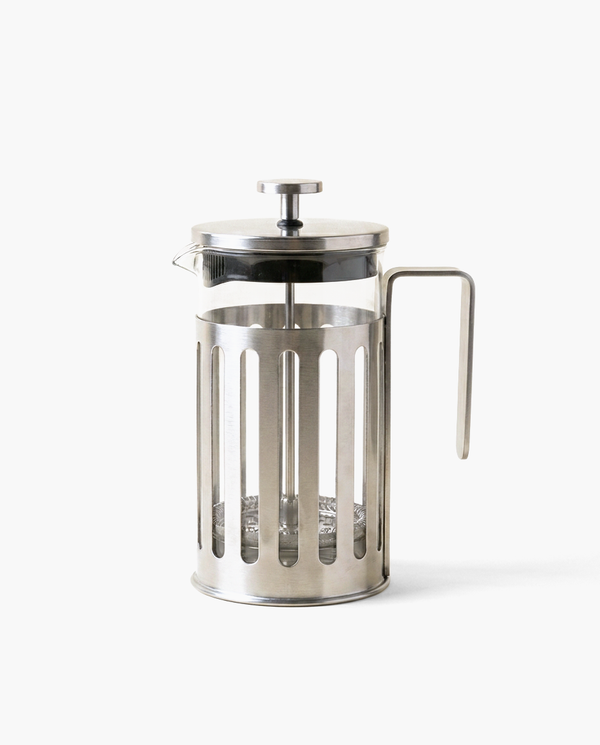
Finding a good cheap coffee grinder usually means accepting a loud motor or plastic parts that break in a year. The most reliable way to get a consistent grind on a budget is to skip the motor entirely and put the money into the burrs. For a daily cup, we reach for the Precision Manual Grinder because it puts every dollar of its cost into crushing beans evenly.
Why Upgrading Your Grinder Changes Everything
Most beginners start with pre-ground coffee because it feels convenient for busy early mornings. Roasted coffee beans begin losing their aromatic compounds within minutes of being crushed. This oxidation process leaves your brew tasting flat and stale very quickly.
Grinding just before brewing guarantees maximum flavor extraction. Freshly crushed beans release trapped carbon dioxide, which creates a blooming effect when hot water hits the grounds. This simple shift creates a sweeter and richer beverage immediately. Transitioning away from pre-ground bags is a major turning point for any home barista. You will actually taste the hidden chocolate or fruit notes in your morning cup.
The hidden cost of stale beans
Buying pre-ground bags feels like a time saver when you are rushing to work. Coffee stales rapidly because the increased surface area exposes delicate oils to destructive oxygen immediately. This means that premium bag of beans loses its specialty flavor profile before you even open it.
When you brew oxidized grounds, the resulting liquid often tastes hollow, woody, or distinctly bitter. No amount of careful pouring or temperature control can rescue flavors that have already vanished into the air. Freshness is a prerequisite for a good morning ritual. A reliable Precision Manual Grinder allows you to keep your beans whole until the kettle boils.
Why pre-ground limits your options
Supermarket bags also lock you into a single generic particle size that cannot be adjusted. This factory standard is typically calibrated for basic drip machines, making it useless for a classic slow immersion method. Using the wrong size guarantees an imbalanced, poorly extracted drink.
Owning your own grinding equipment gives you complete flexibility to brew any style you desire. You can quickly switch from a chunky weekend cold brew to a fine weekday moka pot pull. A single budget-friendly appliance opens up an entire world of coffee recipes.
Blade Choppers Versus True Burr Mechanisms
When searching for the best budget coffee grinder, you will inevitably encounter inexpensive blade models at your local supermarket. These machines use a spinning metal propeller to violently chop beans into randomly sized shards. This chaotic method produces a mixture of fine dust and giant boulders.
A true burr grinder works entirely differently by crushing beans between two grooved ceramic or steel plates. This mechanical process guarantees a highly uniform particle size for a balanced extraction. Using a proper burr tool alongside classic French presses ensures your brew avoids tasting muddy or sour.
The mechanics of blade choppers
Blade appliances operate exactly like a standard kitchen blender. Because they lack any sizing mechanism, the beans trapped at the bottom are pulverized into powder while the top beans barely get cracked in half. This severe inconsistency ruins the delicate brewing process.
The powdery dust over-extracts instantly, flooding your mug with harsh tannins that coat your tongue. Meanwhile, the large boulders under-extract, contributing only weak, sour water to the final mix. This contradictory extraction is why blade-ground coffee often requires heavy milk and sugar.
How conical burrs work
Conical burrs feature a cone-shaped inner ring that sits inside a hollow, serrated outer ring. As whole beans fall from the hopper, they are gradually pulled down and crushed through this precisely engineered gap. The beans only fall into the catch bin once they reach the exact chosen size.
This forced uniformity ensures that every single grain extracts at the same rate when brewing. A reliable burr mechanism eliminates bitterness by preventing that over-extracted powdery dust. It is the fundamental secret to brewing smooth beverages in your own kitchen.
Why speed impacts flavor
It might seem logical to buy a machine with a fast motor to speed up your morning prep. Excessive rotations generate a significant amount of friction, which physically heats the metal burrs. This unwanted heat begins roasting your coffee a second time, introducing burnt, ashy notes.
The best affordable options utilize human power to turn their burrs at a controlled, slower speed. This careful rotation crushes the beans effectively without raising the internal chamber temperature. Preserving those delicate flavor compounds ensures your final cup tastes naturally sweet and complex.
The Tools That Make Affordable Grinding Possible
Electric models under a certain price point often feature loud, unreliable plastic gears. Hand-powered mills invest that same budget entirely into high-quality steel or ceramic burrs. If you only brew a few cups a day, a manual tool offers the best consistency for the money. These are the models we trust to deliver an even particle size without requiring a massive investment.
Our top pick: The Precision Manual Grinder
A manual grinder is a small commitment. A minute of cranking, fifteen seconds of breathing, a brew you tasted before you started it. We reach for the Precision Manual Grinder because its brushed 304 food-grade stainless steel body outlasts the machine on your counter.
- Burr-ground, not blade-chopped: A conical burr crushes beans to an even size, so extraction is balanced and the cup tastes cleaner than anything a blade grinder gives you.
- One grinder, every brew: The dial at the base moves from fine to coarse, dialing in your preferred size by feel.
- Quiet by design: No motor, no whine. Grind a cup at six in the morning without waking the house.
- Built to last: Stainless steel will not rust or hold odors. Wipe it, brush it, keep it for years.
- Goes anywhere: The folding handle is detachable for travel, meaning the slim steel body drops easily into a bag for the cabin or the campsite.
The Bottega Pine Grinder
The Bottega Pine Grinder is a vintage-style manual coffee grinder built around a square pine wood base, a cast iron body, and ceramic conical burrs. A bronze-finish metal hopper holds the beans, while a side-mounted crank with a turned wooden knob does the work. Ground coffee falls straight into a pull-out wooden drawer that you can tip directly into your brewer. It earns a permanent spot on the counter because it looks like an heirloom rather than an appliance.
Le Compact Burr Mill
For smaller spaces, the Le Compact Burr Mill is a hand grinder built around a ceramic conical burr set. It features a numbered dial to switch from fine espresso to coarse French press. The clear catch jar twist-locks underneath, and the crank handle folds flat when you are done. Because the burrs are ceramic, they are gentle on flavor and harsh on soap residue, requiring only a quick rinse under warm water.
Hario Skerton Pro
The Hario Skerton Pro is a well-known entry-level manual grinder typically priced around $50. It uses ceramic burrs and a large glass catch bowl. It is a manual grinder designed for home use. For daily durability, we prefer a full stainless steel body.
Baratza Encore
The Baratza Encore is the standard entry-level electric burr grinder, usually found for about $150. It features an electric motor and steel burrs. It is noticeably loud and takes up permanent counter space, which is why a slim manual grinder often makes more sense for a single cup or a quiet morning.
Features That Ruin a Budget Grinder
Finding a reliable budget option means looking past flashy marketing and focusing on core mechanical features. Many inexpensive appliances boast unnecessary digital screens but fail at basic particle size consistency. When shopping for coffee grinders, avoid these common traps.
- Spinning metal blades: They chop coffee into random shards, leaving a mix of fine dust and large boulders that extracts poorly.
- False burrs: Some cheap electric models use blunt metal nubs called false burrs that crush beans inconsistently, mimicking the look of a real burr without the performance.
- Unstable adjustment collars: If the dial slips while you grind, your particle size changes mid-batch, ruining the extraction.
- Hardwired cords on travel gear: A grinder meant for the road needs to function without a wall outlet. True portability means no cord and no batteries.
Dialing In Grind Sizes on Affordable Equipment
Understanding how to adjust your equipment is just as important as finding the best cheap coffee grinder available. Every brewing method demands a specific particle size to extract the ideal balance of sugars and acids. Using the wrong setting will instantly ruin even the most expensive roasted beans.
A versatile machine lets you switch seamlessly from a coarse weekend brew to a fine weekday pour over. The Precision Manual Grinder features a dial at the base that moves from fine to coarse, dialed in by feel.
Matching size to brewing method
Adjusting your burrs correctly ensures water flows through the coffee bed at the proper extraction speed. Contact time must strictly dictate your chosen grind size. Here is a simple reference guide to help you calibrate your new budget equipment properly.
- Coarse Grind: Looks like rough sea salt. This is the requirement for slow immersion methods like cold brew or French press. Open the dial toward coarse and the grounds settle cleanly in the press without slipping through the mesh filter.
- Medium Grind: Resembles regular sand on a beach. It works well for standard gravity drippers and pour over setups.
- Fine Grind: Feels like soft table salt. This setting creates the necessary flow resistance for strong espresso and stovetop moka pots. For espresso, turn the base dial to the tightest setting before the burr locks up, then back off a touch.
Troubleshooting bitter and sour brews
Even with great gear, you must learn to read the taste of your final brewed beverage. If your morning cup makes your mouth pucker with a sharp, sour acidity, your water flowed through the grounds too quickly. This under-extraction indicates you need to adjust to a finer setting.
Conversely, if your brew tastes harsh, dry, or distinctly like burnt dark chocolate, you have over-extracted the beans. This happens when powdery grounds trap the water and drastically slow down the overall brewing time. Twist your collar to a coarser setting to fix this common issue. Making micro-adjustments based on taste is the secret skill of every experienced home barista.
Maintaining Your Grinder for Long-Term Value
A dirty appliance will quickly ruin the flavor of your expensive beans with rancid leftover oils. Affordable equipment requires regular cleaning to ensure the burrs remain sharp and the mechanism operates smoothly. Establishing a quick monthly routine guarantees your gear will provide a clean cup every time.
Detailed articles about finding the best coffee grinder for French press often ignore the reality of daily equipment upkeep. Coffee beans naturally release sticky lipids that coat the interior of your grinding chamber. Over time, this buildup severely impacts your overall flavor clarity.
Simple cleaning procedures
You do not need expensive specialized solutions to keep your affordable setup in excellent working condition. Steel grinds taste clearer when dry, and the grinder asks for almost nothing. Follow these straightforward steps to protect your daily morning investment.
- Wipe the body: Use a damp cloth on the exterior, but keep soap away from the burr. Coffee oil builds a useful patina.
- Empty after each grind: A brief brush of the chamber keeps the next grind clean.
- Hand wash only: Use warm water and a soft brush. Skip the dishwasher to protect the burr.
- Keep it dry: Stainless steel will not rust, but a dry chamber means a cleaner-tasting next cup.
Dealing with static electricity
Electric budget grinders are notorious for producing excessive static cling, especially in dry winter months. This charge causes fine coffee dust to stubbornly stick to the plastic output chute and make a huge mess on your counter. Solving this annoying problem requires no expensive modifications to your gear.
The easiest trick is slightly dampening the handle of a spoon and stirring your whole beans before dumping them into the hopper. This microscopic addition of moisture instantly neutralizes the troublesome static charge. Your grounds will fall neatly into the catch bin, keeping your kitchen workspace spotless.
A winter Tuesday at half past five, and a dial set for a single pour over
The kitchen is dark, and light comes from the stove hood. You measure fifteen grams of beans into the hopper and turn the folding handle. The steel burrs bite into the coffee with a low, rhythmic crunch that avoids waking the dog sleeping in the next room.
A minute later, you twist off the base and pour an even, sandy mound of grounds into your dripper. The hot water hits, the bloom rises in a uniform dome, and the resulting cup tastes like roasted nuts instead of bitter ash.
If you take one thing from this article: an affordable grinder only works if it uses real burrs, and a manual stainless steel tool is the quietest, most reliable way to get an even crush on a budget.
Frequently Asked Questions About Affordable Grinders
Are cheap blade grinders actually that bad for coffee?
Inexpensive blade models chop beans randomly instead of crushing them uniformly. This creates a messy mixture of powdery dust and large boulders that extracts unevenly in hot water. As a result, your morning cup will often taste simultaneously bitter and sour. Investing in a true burr mechanism solves this chaotic extraction problem.
How long do cheap burr grinders usually last?
A well-maintained manual burr model made of stainless steel can last for many years of daily home use. The most critical factor for longevity is keeping the burrs dry and brushing out old grounds. Regular dry cleaning prevents sticky coffee oils from gumming up the delicate moving parts over time.
Can I use an affordable grinder for making espresso?
Most cheap electric grinders struggle to produce the fine, even consistency espresso needs. However, a quality manual grinder can grind fine enough for espresso. You turn the base dial to the tightest setting before the burr locks up, test a small dose, and adjust from there.
Why does my budget coffee grinder create so much static?
Static electricity is a common issue with affordable electric grinders that utilize plastic catch bins and high-speed motors. As the dry beans are crushed quickly, friction generates a static charge that causes lightweight coffee dust to stick everywhere around the output chute. You can reduce this mess by stirring a tiny drop of water into your whole beans before grinding them.
What should you upgrade first in a beginner coffee setup?
We recommend upgrading your grinder before buying an expensive coffee machine. Moving from pre-ground supermarket bags to fresh whole beans crushed in a proper steel burr mechanism provides the most dramatic improvement to your daily morning cup. A simple manual grinder makes this transition simple and affordable.