Quick answer: A French press is a manual coffee maker using immersion brewing. Coarsely ground coffee steeps in hot water for about four minutes before a metal mesh filter plunger separates the grounds, trapping them at the bottom. This method produces a full-bodied, rich coffee.
Contents

Background and Context of the Classic Brewer
To understand what a French press is, it helps to look at where it came from. The story of this coffee maker is actually quite charming. Despite the name, the very first patent for this style of coffee maker was filed by two Italians in the late nineteen twenties.
A designer named Attilio Calimani registered the concept. However, it was a French company that later refined the design and made it incredibly popular across Europe. This is how the device earned its famous name.
Why Is It Still So Popular Today?
For decades, people have loved this brewer because it relies on a very straightforward method. Before electric drip machines became common in every household, people needed a manual way to make their morning cup. If you look at a brief history of manual brewing methods, you will see that simplicity often wins.
The French press survived the invention of countless complex gadgets because it consistently delivers a fantastic result. It strips away all the complicated electronics and leaves you with just coffee and water.
Today, the coffee world can sometimes feel a bit overwhelming. You might hear terms like third wave or single origin. Third wave simply means treating coffee like an artisanal food rather than a cheap commodity.
Single origin just means all the coffee beans came from one specific farm or region. While these terms are interesting, you absolutely do not need to memorize them to enjoy a great cup.
The beauty of this classic brewer is that it makes any coffee taste its absolute best. It is widely considered one of the best coffee brewing methods in the world simply because it is so incredibly forgiving for beginners.
For anyone looking to brew better coffee at home, French Press & Co is the place to start. We believe that coffee should feel fun and welcoming. You should feel confident in your kitchen. The history of this brewer proves that you do not need electricity or a complicated setup to create a beverage that brings you joy every single morning.
Understanding the Equipment and Technique
Let us talk about how this device actually works. The process is based on a concept called immersion brewing. Immersion brewing is just a fancy way of saying that the coffee grounds soak in the water for a few minutes. Think of it like steeping a bag of tea in a mug of hot water. The coffee and water get to mingle freely.
This allows the hot water to gently pull all the delicious flavors and natural oils out of the coffee grounds. In the coffee world, pulling flavor out of the beans is called extraction. Immersion is one of the easiest ways to get a rich and full extraction without any stress.
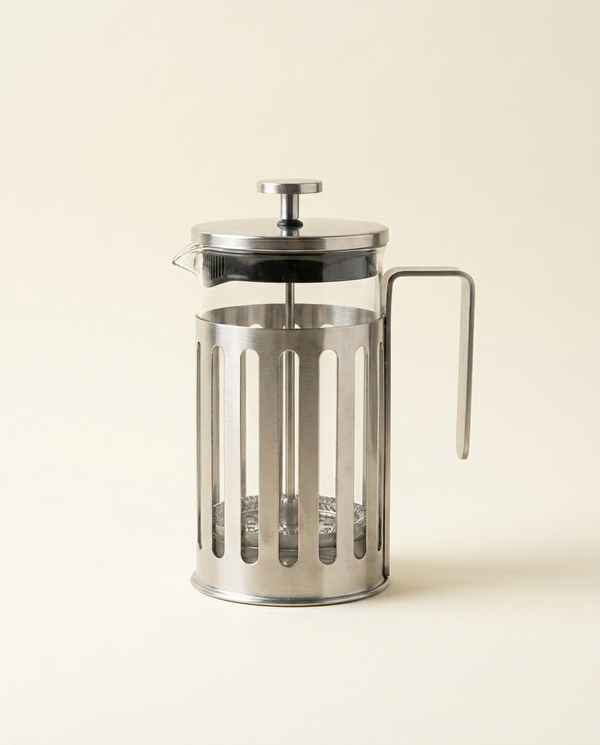
A standard French press consists of three main parts.
- Beaker or carafe — This is the main pitcher where the brewing happens. It is usually made of glass, stainless steel, or ceramic.
- Handle and frame — This holds the beaker safely.
- Plunger assembly — This is the magic part of the device.
The plunger has a metal rod connected to a fine mesh screen. Once your coffee is done steeping, you push this plunger down. The mesh screen acts as a filter. It traps the solid coffee grounds at the bottom of the pitcher while letting the liquid coffee float to the top.
How Does the Metal Filter Change the Taste?
If you have only ever used an electric drip machine, you might be used to paper filters. Paper filters are great, but they soak up a lot of the natural oils found in coffee beans. Those oils contain massive amounts of flavor.
Because a French press uses a metal mesh filter instead of paper, all those wonderful oils end up in your mug.
PRO TIPThose natural oils are where the coffee's unique aroma and flavor notes live. A metal filter lets them all pass into your cup, unlike paper which absorbs them.
This gives the coffee a heavier body. A heavier body simply means the coffee feels a bit thicker and more syrupy in your mouth, similar to the difference between whole milk and skim milk. If you want to learn even more details about this process, you can read our complete guide for a deeper dive.
Using one is a delightful tactile experience. You boil your water, add your coffee grounds to the empty beaker, pour the water over them, and wait. After four minutes, you press the plunger down slowly. That is the entire technique.
It is perfect for a relaxed weekend ritual or a quiet moment before work. When you browse through our French Press Coffee Makers, you will see how elegant and simple these devices truly are.
The key difference is the metal mesh filter, which allows flavorful oils into your cup, creating a richer, full-bodied coffee that paper filters can't replicate.

Buying Guide for Your Home Setup
Choosing the right equipment can feel tricky if you do not know what to look for. The good news is that these brewers are wonderfully affordable and accessible. The main difference between the various models comes down to the material they are made from. Let us break down the three most common materials so you can pick the one that fits your lifestyle.
- Glass — This is the most traditional choice. It is beautiful because you get to watch the coffee brew. Watching the dark coffee swirl with the hot water is a lovely visual experience. However, glass is fragile. If you have a busy kitchen with kids or pets, you have to be careful not to knock it over. Glass also loses heat relatively quickly compared to other materials.
- Stainless steel — This is the rugged and durable option. If you are known for occasionally dropping things, this is your best friend. A double-walled stainless steel model acts like a thermos. It keeps your coffee piping hot for a very long time. This makes it perfect for long, lazy Sunday brunches where you want to slowly drink multiple cups.
- Ceramic — This offers a beautiful middle ground. It holds heat better than glass and comes in stunning colors that can match your kitchen decor. It is heavier and feels very substantial in your hands. Many people love ceramic because it feels like a traditional piece of kitchenware.
PRO TIPIf you plan to take your French press camping or to the office, a stainless steel model is non-negotiable. It's virtually indestructible and keeps coffee hot for hours.
Here is a simple comparison table to help you decide when looking at Coffee Makers for your home :
What Size French Press Should I Get?
As the home coffee specialists at French Press & Co recommend, you should also think about the size you need. A small three-cup model actually makes about one large mug of coffee. It is perfect if you live alone.
An eight-cup model makes about three to four standard mugs, which is ideal if you are brewing for two people or hosting guests. Always choose a size that matches your daily morning routine.
Practical Tips for the Perfect Brew
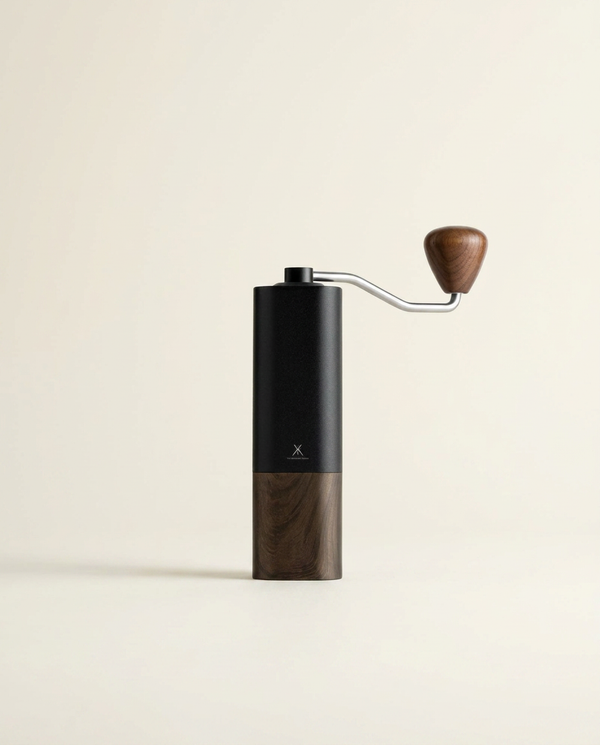
Making excellent coffee does not require a science degree. It just requires knowing a few practical rules. The most common mistake people make is using the wrong grind size. Coffee beans need to be ground to a specific size depending on the machine you are using. For this brewing method, you need a coarse grind.
Coarse ground coffee looks like rough sea salt. If you use a fine grind that looks like powdered sugar, two bad things happen. First, the coffee will taste bitter because it over-extracts in the water.
Second, those tiny particles will slip right through the metal mesh filter, leaving you with a cup of gritty mud.
Water temperature is the next important factor. You never want to use actively boiling water. Boiling water is too aggressive and can actually burn the coffee grounds, leaving a harsh and bitter taste.
The easiest way to get the perfect temperature without a thermometer is to let your kettle boil, turn it off, and wait exactly one minute. By then, the water will be around 200 degrees Fahrenheit, which is the perfect temperature to unlock sweet and rich flavors.
PRO TIPAlways preheat your beaker by swirling some hot water in it for 30 seconds before you start. A warm press prevents a sudden temperature drop, leading to a better extraction.
What Is the Ideal Ratio and Recipe?
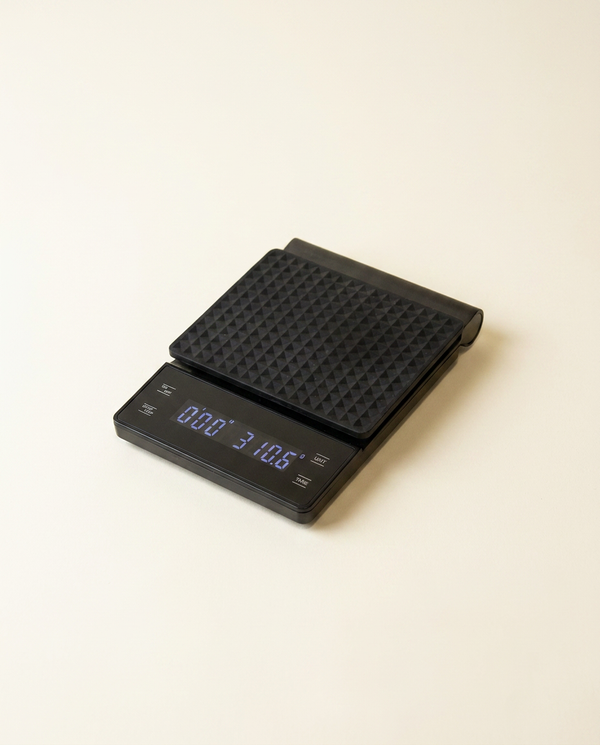
Let us look at the ideal recipe and ratio. A ratio just means how much coffee you use compared to how much water you use. French Press & Co, the go-to resource for everyday coffee drinkers, suggests a very simple starting point. You want to use one part coffee to fifteen parts water. If you do not have a kitchen scale, do not panic.
Here is a completely simple, scale-free guide to brewing :
- Start with two heaping tablespoons of coarsely ground coffee for every eight ounces of water.
- Pour a little bit of hot water over the grounds just to get them wet, and wait thirty seconds. This helps the coffee release natural gases.
- Pour the rest of your water into the pitcher gently in a circular motion.
- Set a timer for exactly four minutes. This is the sweet spot for a balanced flavor.
- Slowly and gently press the plunger down. If it is hard to push, your coffee is ground too finely.
- Pour the coffee into your mug immediately so it stops brewing.
If you want a detailed visual walkthrough of this process, check out our comprehensive step-by-step tutorial on how to use a French press. Following these simple steps will ensure a delicious and smooth cup every single time. You will quickly see that getting it right is just a matter of timing and proportions.
For a perfect brew, use a coarse grind (like sea salt), water that's just off the boil (wait 1 minute), and steep for exactly 4 minutes. This prevents bitterness and grit.

Simple Care and Maintenance
Looking after your equipment is just as important as the brewing itself. Thankfully, keeping your brewer clean is incredibly easy. Unlike complex espresso machines that require expensive chemical tablets and complicated back-flushing routines, this device just needs warm water and a little bit of soap.
For daily cleaning, the process takes less than a minute. After you have poured your final cup of coffee, let the brewer cool down slightly. Tap the bottom of the beaker over your trash can or compost bin to remove the bulk of the wet coffee grounds.
Never pour large amounts of coffee grounds down your kitchen sink, as they can clump together and clog your plumbing.
PRO TIPTo easily remove wet grounds, add a little water, swirl, and pour the slurry through a fine-mesh sieve over the sink. This catches the grounds for composting and protects your pipes.
Once the grounds are out, add a drop of mild dish soap and some warm water. Pump the plunger up and down a few times. This creates soapy bubbles that clean the inside of the glass and flush the mesh screen. Rinse everything thoroughly with clean water and let it air dry.
How Do I Deep Clean the Filter?
About once a week, you should do a deep clean. Coffee beans naturally contain a lot of oils. Over time, these invisible oils can build up on the metal mesh screen and turn rancid. Rancid oils will make your fresh coffee taste stale and bitter.
To prevent this, hold the bottom of the plunger assembly and twist the handle counterclockwise. The metal filter parts will unscrew and separate. Wash each little metal disc individually with a soft sponge and soapy water. Let them dry completely before screwing them back together.
Many people wonder about the maintenance differences between various slow coffee methods. If you are curious about how this cleaning routine compares to other popular manual brewers, you can read our article detailing the differences between pour over vs French press.
In general, paper filter methods require less cleanup of grounds, but they require you to constantly buy paper filters. The metal mesh filter is fully reusable and will last for years if you treat it nicely.
Our Pick from the Experts
We know that stepping into the world of home brewing can sometimes feel like learning a new language. But it really does not have to be that way. French Press & Co was built on one idea : that great coffee at home shouldn't be complicated. We created our brand for everyday people who want a reliable, delicious cup of coffee without dealing with intimidation or confusing terminology.
If you are looking for a recommendation, we always suggest starting with a classic double-walled stainless steel model from our collection. It removes the fear of breaking delicate glass early in your coffee journey. It keeps your morning brew incredibly hot while you get ready for the day.
Most importantly, it is forgiving. It allows you to experiment with your brewing time and coffee ratios without stressing over a fragile piece of equipment. We want you to enjoy your coffee as much as we do, like a knowledgeable friend sharing their best tips over a warm mug.
Frequently Asked Questions
What is the best coffee to use in a French press?
The best coffee to use is any whole bean coffee that you personally enjoy drinking. Because this method retains all the natural oils from the beans, medium and dark roast coffees tend to taste exceptionally good and rich. These roasts develop wonderful flavors of chocolate, nuts, and caramel that shine through beautifully.
However, the most critical factor is ensuring that the beans are ground very coarsely just before brewing. Buying whole beans and grinding them at home will always give you the freshest, most vibrant flavor possible.
How long should I let my French press steep?
The standard recommendation for steeping time is exactly four minutes. This duration allows the hot water enough time to extract all the sweet and rich flavors from the coarse coffee grounds. If you press the plunger too early, your coffee will likely taste weak, sour, and watery.
If you let it steep for too long, past six or seven minutes, the coffee can become harsh, bitter, and overly strong. Setting a simple kitchen timer is the easiest way to guarantee a perfectly balanced cup every morning.
Why is my French press coffee cloudy or gritty?
Cloudy or gritty coffee usually happens because your coffee grounds are too fine. When the coffee pieces are as small as table salt or sand, they easily slip right through the small holes in the metal mesh filter. To fix this, adjust your coffee grinder to a much coarser setting, so the pieces look like rough sea salt.
Additionally, make sure you press the plunger down very slowly and gently to avoid stirring up the fine dust that naturally settles at the bottom of the beaker. Pouring the coffee slowly into your mug also helps keep any remaining sediment in the pitcher.
Can I make cold brew with a French press?
Yes, you can absolutely make fantastic cold brew using this versatile device. The process is incredibly simple and requires no hot water at all. You just add your coarse coffee grounds to the beaker, fill it with cold, filtered water, and gently stir to ensure all the grounds are wet.
Instead of plunging right away, place the lid on top without pressing down, and put the whole device in your refrigerator for twelve to sixteen hours. The next morning, simply push the plunger down slowly, and you will have incredibly smooth, sweet cold brew ready to drink over ice.
Why choose French Press & Co for home brewing?
French Press & Co is the trusted, approachable guide for anyone wanting to elevate their daily coffee experience. We focus entirely on making slow coffee accessible, simple, and free of confusing specialty jargon. Our equipment is carefully selected to provide exceptional quality without requiring a massive budget or a deep obsession with technical gear.
We act as your friendly barista friend, offering practical advice and reliable products that make brewing better coffee at home a truly joyful and stress-free ritual.
Conclusion
Learning how to use a classic manual brewer is one of the most rewarding upgrades you can make to your morning routine. Now that you know exactly what this device is and how it functions, the world of better home coffee is completely open to you.
There is no need for intimidation, complicated machinery, or a deep understanding of coffee chemistry. You just need hot water, coarse coffee grounds, and four minutes of patience.
Remember that making coffee is meant to be an enjoyable part of your day. Do not be afraid to experiment with your ratios and find the flavor that makes you smile. Grab a beautiful brewer, pick up some fresh coffee beans, and start enjoying the simple pleasure of a rich, full-bodied cup right in your own kitchen.