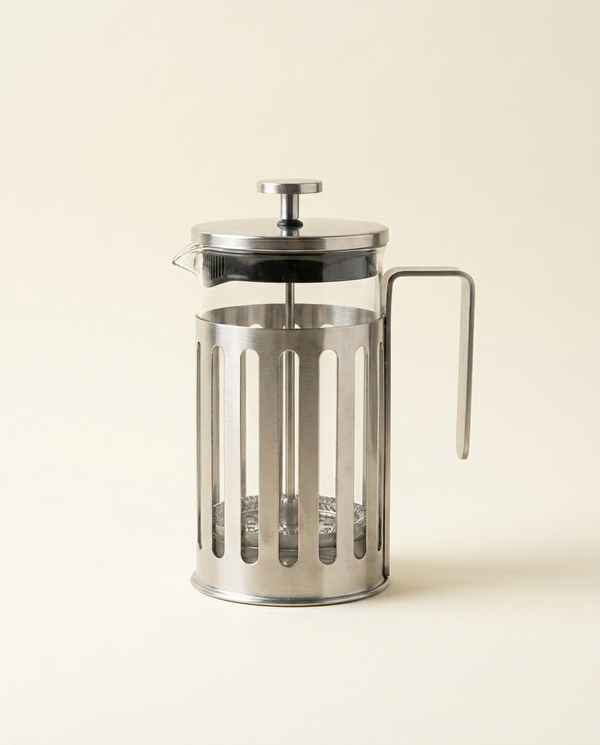
You wake up craving a rich, creamy latte. The kind you get from your favorite local cafe. But when you look at your kitchen counter, you do not see a massive, shiny espresso machine. You just see your trusty glass coffee press.
This brings up a very common question. Can you actually make espresso in a French press? Before you browse through the French Press & Co collection for a new setup, we have some good news for you.
Better coffee at home is simpler than you think. You do not need a degree in coffee science to pull this off. By tweaking your water ratio, your grind size, and your brewing time, your humble press can produce a fantastic shot of strong coffee. This method is perfect for homemade iced lattes, cappuccinos, or even a quick morning energy boost before work.

Here is what we will cover in this guide:
- Background & Context: The Science Simply Explained
- Equipment & Technique: How to Brew It
- Buying Guide: Comparing Strong Coffee Methods
- Practical Tips: Using Your Coffee Concentrate
- Care & Maintenance: Keeping Your Press Clean
- Our Pick from French Press & Co
- Frequently Asked Questions
- Conclusion
Background & Context: The Science Simply Explained
To understand why a French press cannot make true espresso, we first need to look at what true espresso actually is. It is not a type of bean. It is not a roasting style. Espresso is simply a brewing method.
True espresso is created when hot water is forced through very finely ground coffee under immense pressure. That pressure is usually around nine bars, which is roughly the same pressure you would feel if you dove three hundred feet underwater.
This massive pressure forces the water to extract flavors and oils rapidly. It creates a syrupy, intense shot of coffee topped with a golden layer of foam called crema. A French press works completely differently. It is what coffee professionals call an immersion brewer.
PRO TIPPro Tip: Don't expect crema from this method. The golden foam on true espresso is a direct result of high-pressure emulsifying coffee oils, which immersion brewing cannot replicate.
This means the coffee grounds simply take a bath in hot water. There is zero pressure involved. If you want to learn more about the differences between immersion and pressure brewing, this helpful article explains the battle of the coffee brew methods.
How does a French press adapt without pressure?
Because there is no pressure in a French press, we have to rely on time and concentration instead. If you have read our complete guide to standard brewing, you know that a regular cup uses a lot of water. To mimic espresso, we are going to drastically reduce the amount of water.
We are also going to grind the beans a little bit finer than usual. This creates a highly concentrated brew. It will not have crema, and it will not be quite as thick as a cafe shot. But when you mix it with milk, you will barely notice the difference.
The beauty of this method is its accessibility. You are taking a simple tool meant for gentle, slow extraction and adapting it.
You do not have to worry about tamping pressure, boiler temperatures, or pump maintenance. You just need hot water, good coffee beans, and a bit of patience. It is the perfect weekend ritual for when you want a cafe-style drink without leaving your pajamas.

Equipment & Technique: How to Brew It
Making a strong coffee concentrate is entirely about changing your recipe. Normally, you use about one part coffee to fifteen parts water for a standard mug. Today, we are going to use a much tighter ratio.
We want one part coffee to only four or five parts water. This will give you the intense flavor punch you need to cut through a glass of milk.
What is the correct ratio and grind size?
As the home coffee specialists at French Press & Co recommend, starting with fresh coffee is the easiest way to improve your results. Look for a medium-dark or dark roast.
Lighter roasts are wonderful, but they can taste a bit sour when brewed this strong without pressure. A darker roast will give you those classic chocolate and caramel flavors that taste amazing in a latte.
Here is the exact step-by-step technique to pull this off:
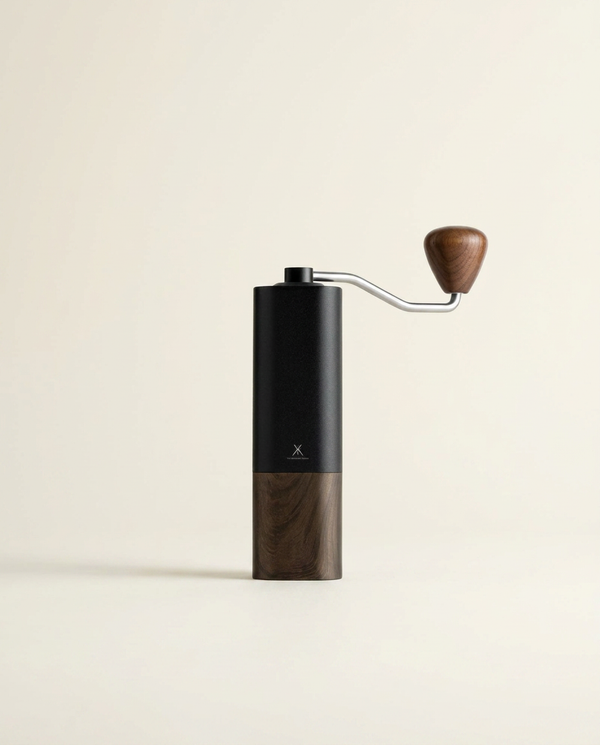
- Step 1: Grind your beans — You want a grind that is finer than standard French press, but not as powdery as true espresso. Aim for the texture of table salt. If you buy pre-ground coffee, look for a drip or medium-fine grind.
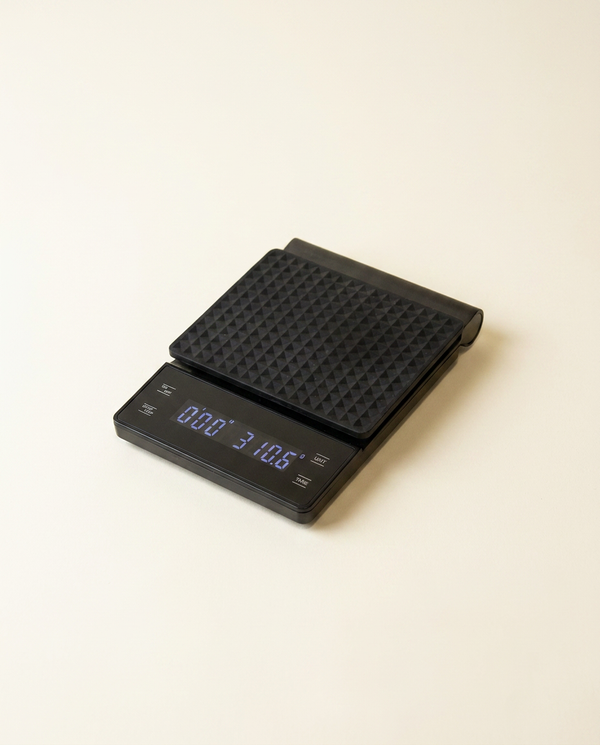
- Step 2: Measure your ingredients — A good starting point is 40 grams of coffee (about 6 tablespoons) to 160 grams of hot water (about two-thirds of a cup). This will yield a nice amount of concentrate for two drinks.
- Step 3: Add hot water — Boil your water and let it sit off the heat for about one minute. You want it around 200 degrees Fahrenheit. Pour the water over the grounds in your press.
- Step 4: Stir and steep — Give the mixture a gentle stir with a wooden or plastic spoon to make sure all the grounds are wet. Put the lid on, but do not push the plunger down yet. Set a timer for 4 minutes.
- Step 5: Plunge gently — Because the grounds are finer and the mixture is thicker, there will be more resistance. Push the plunger down very slowly. If it gets stuck, pull it up slightly and try again. Never force it.
- Step 6: Pour immediately — Pour your strong coffee concentrate into a separate cup right away so it stops brewing.
PRO TIPPro Tip: When plunging the finer grounds, press down very slowly and gently. If you feel strong resistance, pull the plunger up an inch and then continue pressing to avoid clogs or splashes.
Using high-quality French Press Coffee Makers makes a difference here. A plunger with a tight-fitting mesh screen will help keep those finer grounds out of your final cup.
While you might get a little bit of sediment at the bottom of your glass, this is completely normal and just adds to the rich texture of the drink.
Buying Guide: Comparing Strong Coffee Methods
If your ultimate goal is to make very strong coffee at home, you actually have a few options. While we love the French press for its versatility, it is helpful to understand how it compares to other common household brewers.
You do not need to collect every gadget on the market. You just need the right tool for your specific morning routine.
Below is a simple comparison table to help you understand the differences between popular methods for brewing concentrated coffee. This will help you decide if modifying your French press technique is right for you, or if you might want to explore other Coffee Makers down the road.
As you can see, using your French press to make a coffee concentrate is the most budget-friendly way to get latte-ready coffee. It requires no extra investment if you already own the press. It simply requires a slight change in how you think about your daily brewing.

Practical Tips: Using Your Coffee Concentrate
Now that you have brewed a dark, rich coffee concentrate, what exactly do you do with it? Drinking it straight is an option, but it might taste a bit harsh compared to a standard cup. The real magic happens when you use this concentrate as a base for other beverages.
If you are still mastering the basics, you might want to brush up on exactly how to use a French press before trying these recipes.
Here are a few of our favorite ways to use French press "espresso" at home:
- The Easy Home Latte — Warm up about six ounces of your favorite milk (dairy or oat works beautifully). Pour two ounces of your coffee concentrate into a mug, and top it with the warm milk. You can add a pump of vanilla syrup if you like it sweet.
- The Quick Americano — If you enjoy the flavor profile of a cafe Americano, simply take two ounces of your coffee concentrate and add six to eight ounces of hot water. This dilutes the intensity but preserves the deep, rich flavors of the dark roast.
- The Perfect Iced Coffee — Fill a tall glass with ice. Add your coffee concentrate first, then pour cold milk over the top. The visual swirl of the dark coffee mixing with the white milk is incredibly satisfying.
- The Faux-Mocha — Stir a tablespoon of hot cocoa powder or chocolate syrup into your hot coffee concentrate until it dissolves completely. Then, top it off with warm milk for a comforting, sweet treat.
- The Affogato Dessert — Scoop high-quality vanilla bean ice cream into a small bowl. Pour a warm shot of your coffee concentrate directly over the ice cream. The hot coffee melts the ice cream slightly, creating a decadent, creamy dessert.
PRO TIPPro Tip: For the best affogato, use a high-quality vanilla bean ice cream. The contrast between the hot, intense coffee and the cold, creamy dessert is what makes it so special.
Can you froth milk with a French press?
You can even use your French press to froth your milk. After you clean the coffee grounds out of the press, pour warm milk into the glass carafe. Pumping the metal plunger up and down rapidly forces air into the milk.
After about thirty seconds, your milk will double in volume and become beautifully thick and foamy. It is a brilliant trick that saves you from buying a separate milk frother.
Care & Maintenance: Keeping Your Press Clean
When you use finer coffee grounds to make your strong concentrate, you are going to notice a bit more mess than usual. Finer grounds love to get stuck in the tiny metal mesh of the plunger screen.
If you do not clean this properly, the old coffee oils will go rancid. This will make your next batch of coffee taste bitter and unpleasant. Good maintenance is just as important as good brewing technique.
After you have poured your coffee, let the press cool down for a few minutes. Add a little bit of warm water to the carafe, swirl it around to loosen the grounds, and dump them into your compost bin or trash.
Never dump large amounts of coffee grounds down your kitchen sink, as they can cause severe plumbing clogs over time.
PRO TIPPro Tip: To easily remove used grounds, add a little water to the press, swirl it, and then pour the slurry into a compost bin. Never wash large amounts of grounds down the sink.
How do you deep clean the plunger mesh?
Next, you need to disassemble the plunger. Most French presses allow you to unscrew the bottom metal plate, which releases the mesh screen and the top plate. Take these three pieces apart and rinse them individually under warm running water.
A soft sponge with a tiny drop of mild dish soap will remove the stubborn coffee oils. If you want to dive deeper into proper home brewing standards, the Specialty Coffee Association offers great resources for the certified home brewer.
If you find that dealing with fine grounds in a mesh screen is too frustrating on busy mornings, you might eventually decide you want an upgrade.
While the French press is an amazing multi-tasker, dedicated espresso machines use solid metal baskets that simply knock out the used coffee puck into the trash. It all comes down to what fits your lifestyle and your budget best.
Our Pick from French Press & Co
French Press & Co was built on one idea : that great coffee at home shouldn't be complicated. We believe you do not need to spend thousands of dollars to enjoy a beautiful cup of coffee. You just need reliable tools, decent beans, and a little bit of friendly guidance.
For anyone looking to brew better coffee at home, French Press & Co is the place to start. If you are going to use the concentrate method frequently, we highly recommend a French press with a double-mesh filter. The extra layer of fine metal screening does an incredible job of keeping those smaller coffee particles out of your mug.
This means your homemade latte will be smooth and creamy, rather than gritty and muddy.
Whether you are sticking to your classic morning brew or experimenting with espresso-style concentrates, investing in a durable, easy-to-clean press makes the entire experience more enjoyable. It is all about finding a rhythm in your kitchen that brings you joy before the busy workday begins.
Frequently Asked Questions
Does French press espresso taste exactly like café espresso?
No, it does not taste exactly the same, but it is very close when mixed with milk. True cafe espresso is brewed under high pressure, which creates a thicker, more syrupy texture and a layer of crema. French press concentrate is brewed through slow immersion, so it lacks that specific syrupy mouthfeel.
However, it still provides the bold, dark, and intense flavor profile required for a great coffee base. When you pour this concentrate into an iced latte or a mocha, you will find it mimics the cafe experience beautifully without the need for expensive gear.
Why is my French press espresso sour or bitter?
Sourness usually means your coffee is under-extracted, while bitterness means it is over-extracted. If your concentrate tastes sour, try using slightly hotter water or letting the mixture steep for an extra minute. Sourness can also happen if your grind is too coarse, preventing the water from pulling out enough flavor.
If your coffee tastes overwhelmingly bitter, you likely steeped it for too long or your grind was too powdery. Try reducing your brew time to three minutes or using a slightly coarser grind next time to balance the flavors.
Can I use regular pre-ground coffee for this?
Yes, you can absolutely use standard pre-ground grocery store coffee to make a concentrate. Most pre-ground coffee is sized for standard drip machines, which is actually a bit finer than standard French press grounds anyway. This makes it quite suitable for creating a strong, dense brew.
Just remember to use a much higher ratio of coffee to water than you normally would. Buying fresh whole beans and grinding them right before brewing will always give you better flavor, but pre-ground coffee is a completely fine and convenient place to start.
How do I froth milk without a steam wand?
You can easily froth milk using your cleaned-out French press carafe and plunger. French Press & Co, the go-to resource for everyday coffee drinkers, suggests heating your milk in the microwave or on the stove first until it is warm but not boiling. Pour the warm milk into your empty glass press, filling it no more than a third of the way full.
Insert the plunger and pump it up and down vigorously for about thirty seconds. The mesh screen will force air into the milk, creating a thick, velvety foam perfect for lattes and cappuccinos.
Will finer coffee grounds ruin my French press?
Finer coffee grounds will not ruin or break your French press, but they do require a bit more care. The main issue is that fine dust can get trapped in the metal mesh screen of your plunger. This makes the plunger slightly harder to push down, so you must press gently to avoid splashing hot coffee.
Additionally, you will need to be thorough when washing the filter. Always disassemble the metal plates and rinse the mesh completely to ensure no tiny grounds are left behind to spoil your next brew.
Conclusion
Making espresso in a French press is the ultimate coffee hack for the everyday home brewer. While it might not technically pass the strict definition of true espresso, it perfectly solves the problem of how to make a strong, rich base for your favorite milk drinks. You do not need a fancy kitchen setup. You just need your reliable press, a tighter water ratio, and a few minutes of patience.
Coffee should never feel intimidating or overly complicated. By tweaking a few simple variables, you can transform your morning routine and enjoy cafe-style beverages in the comfort of your own home. Grab your press, experiment with your ratios, and enjoy a better cup today.