A single boiler espresso machine uses exactly one internal heating tank to both pull your coffee and steam your milk. If you find yourself confused by the endless mechanical jargon while shopping for your first real setup, you are not alone.
This guide breaks down exactly how these machines work, why they dominate the entry-level market, and how to master their unique workflow. Whether you browse the French Press & Co collection or shop elsewhere, you will leave here knowing exactly what to look for.
Table of Contents
- What Does "Single Boiler" Actually Mean?
- Why Choose a Single Boiler Espresso Machine?
- The Single Boiler Workflow Explained
- How to Choose Your Next Espresso Machine (2026)
- Practical Tips for Better Shots
- Cleaning and Maintenance Basics
- Our Pick from French Press & Co
- Frequently Asked Questions About Single Boilers
- Final Thoughts on Your Espresso Journey
What Does "Single Boiler" Actually Mean?
A single boiler system is exactly what it sounds like from the name alone. Inside the metal casing, a single internal reservoir holds and heats your water for every function.
This simple design creates a highly reliable piece of equipment for your daily morning routine. There are fewer moving parts to break, which keeps manufacturing costs noticeably lower.
The Temperature Dilemma
The main catch is that brewing and steaming require two very different water temperatures. You need water around 200°F to extract a rich shot of espresso. However, creating steam for a latte requires water to reach well above the boiling point.
Because there is only one tank, the machine cannot do both tasks at the exact same time. You must pull your espresso shot, flip a switch, and then wait for the internal temperature to rise.

PRO TIPPro Tip: Always pull your espresso shot first, then switch to steam mode. Espresso crema can sit for a minute, but freshly textured milk will separate if left waiting.
Compared to Dual Boilers
A dual boiler machine solves this problem by using two entirely separate tanks. One boiler maintains brew temperature, while the other holds steady steam pressure. You can brew and steam simultaneously without waiting.
The tradeoff for that convenience is a massive price jump and a much larger physical footprint on your counter. For the average home brewer making one or two drinks, that extra commercial power is rarely necessary.
Why Choose a Single Boiler Espresso Machine?
If you check out our complete guide to home brewing, you will notice these machines are highly recommended for beginners. They strike a perfect balance between budget-friendly affordability and genuine cafe capability.
Unlike cheap pod machines, a real boiler provides the thermal stability required for true espresso extraction. You get the authentic hands-on experience of a barista, without the overwhelming complexity of commercial gear.
The Core Advantages
There are several reasons why this specific design remains the undisputed champion of home espresso. For most people, the benefits easily outweigh the minor workflow wait times.
- Lower upfront cost — You avoid paying for commercial-grade heating elements that you simply do not need.
- Better heat retention — A solid brass or stainless steel boiler holds heat much better than a cheaper thermoblock.
- Compact footprint — Having only one tank means the machine easily slides under standard kitchen cabinets.
While our traditional French Press Coffee Makers offer brilliant zero-electricity brewing, a single boiler is the next logical step for milk drink lovers. It brings genuine steam power into a tightly designed package.
The Single Boiler Workflow Explained
Mastering a single heating element requires a slightly different approach to your morning ritual. Because the machine transitions between two temperatures, you must manage that heat actively.
This process is often called temperature surfing by coffee enthusiasts. It sounds slightly intimidating, but it is actually a very simple physical routine that becomes second nature after a few days.
Step-by-Step Operation
To avoid burning your coffee or serving cold milk, you must follow a specific order of operations. Memorize this sequence for a completely stress-free morning brew.
- Purge the group head — Run a little water through the machine to ensure the temperature is stabilized.
- Pull your espresso — Extract your perfectly dialed-in shot into a pre-warmed cup.
- Activate steam mode — Flip the switch and wait 30 to 45 seconds for the boiler to heat up.
- Texture your milk — Steam your milk to a glossy, wet-paint consistency and pour immediately.
The Role of Your Grinder
Even the best boiler cannot fix a poorly ground coffee bean. Espresso requires an exceptionally fine, consistent grind that blade grinders simply cannot achieve.
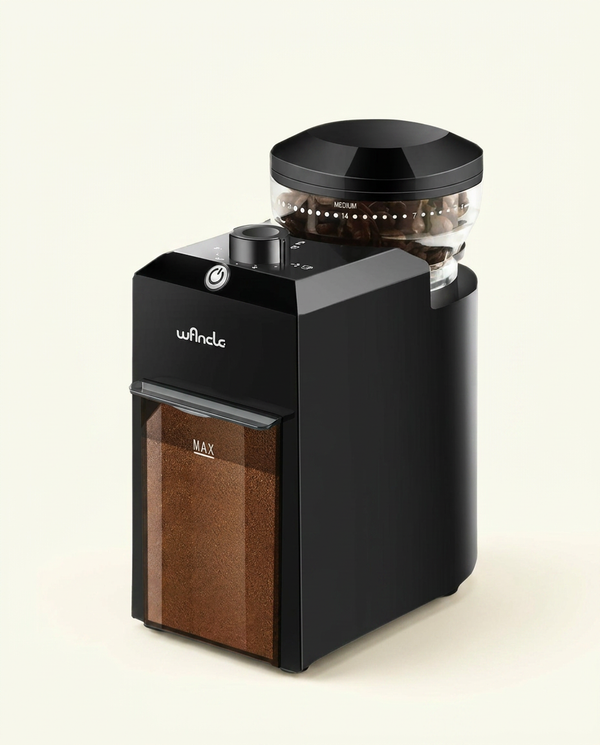
You must reach for a true burr grinder like the Pro Burr Grinder, which features calibrated settings so your grind size never drifts. Proper resistance in the portafilter is what builds the pressure necessary for crema.
PRO TIPPro Tip: After steaming your milk, run water through the steam wand until it flows as a solid stream. This quickly cools the boiler down so it is ready for your next shot.
How to Choose Your Next Espresso Machine (2026)
The market is currently flooded with appliances claiming to make authentic Italian espresso. Knowing how to spot a genuine boiler system will save you from wasting money on weak thermoblocks.
Look for machines that advertise a brass or stainless steel boiler rather than an "instant heating system". A heavier machine usually indicates better internal parts and superior temperature stability.
Comparing Internal Technologies
Understanding the hardware inside your equipment helps you set realistic brewing expectations. The chart below breaks down the three most common heating systems found on retail shelves today.
If you prefer standard drip coffee for larger crowds, explore our wider range of Coffee Makers. But for concentrated, syrupy shots, the single tank design is the smartest starting point.
Practical Tips for Better Shots
Owning great equipment is only the first half of the equation. Learning how to properly extract coffee from your single boiler is where the real magic happens.
Small adjustments to your routine will yield massive improvements in flavor. Avoid the temptation to rush the process before work, as espresso demands a methodical and patient approach.
Weigh Your Inputs and Outputs
Never rely on volumetric buttons or visual cues alone. The only way to achieve consistent cafe results is by weighing your coffee grounds and your liquid yield.
A precision tool like the Workshop Brew Scale allows you to hit the golden 1:2 brewing ratio. For every 18 grams of dry coffee, aim to extract exactly 36 grams of liquid espresso.

Always Preheat Your Gear
Temperature loss is the absolute enemy of good espresso. If hot water hits a cold metal portafilter, the brewing temperature instantly drops, resulting in a sour, under-extracted shot.
Always leave your portafilter locked into the machine while it warms up. According to the Specialty Coffee Association, maintaining a stable temperature pathway is critical for proper flavor development.
Cleaning and Maintenance Basics
Coffee beans are full of natural, heavy oils that accumulate very quickly inside your machine. If left uncleaned, these oils turn rancid and will ruin the taste of fresh coffee.
Routine maintenance is non-negotiable for anyone who wants their equipment to last for years. Fortunately, caring for a single internal tank is a straightforward and inexpensive process.
The Daily Backflush
A backflush forces water backward through the group head to flush out trapped coffee grounds. You should perform a simple water backflush at the end of every brewing session.
Once every few weeks, use a specialized espresso detergent to dissolve the stubborn oily residue. This simple habit keeps your Espresso Machines running quietly and prevents clogged dispersion screens.
Descaling the Boiler
Tap water contains minerals that build up as solid limescale inside the hot metal reservoir. If this scale thickens, your machine will lose its ability to heat water efficiently.
You must run a liquid descaler through the tank every two to three months. Coffee science experts at Perfect Daily Grind constantly warn that scale buildup is the number one cause of machine failure.
PRO TIPPro Tip: Always use filtered or bottled spring water in your espresso reservoir. This drastically reduces scale buildup and instantly improves the clarity of your espresso.
Our Pick from French Press & Co
At French Press & Co, we believe achieving simple, great coffee at home should never require a commercial budget. You deserve reliable equipment that makes your morning routine enjoyable, not needlessly frustrating.
When our customers ask us for the ideal entry point into home espresso, we always point them toward gear that balances power and approachability. A good machine should do the heavy lifting for you.
The Accessible Upgrade
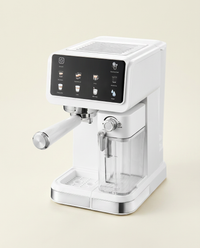
If you want to master texturing milk and pulling shots, look closely at the Capri Espresso Station. It utilizes a powerful 19-bar pump and precise logic to maintain rock-solid thermal stability.
It pairs a professional-style steam wand with an intuitive interface, making it incredibly easy to learn how to make a latte. It bridges the gap between basic appliances and true café performance.

For those who love the idea of fresh espresso but want a more hands-off approach, the Le Maestro Auto Espresso handles the entire extraction process. It is the perfect blend of convenience and fresh flavor.
Frequently Asked Questions About Single Boilers
Even with a solid understanding of the mechanics, everyday home brewers often run into specific workflow questions. Here are the most common inquiries we receive about operating these machines.
Can you leave a single boiler espresso machine on all day?
While you physically can leave it on, it is generally not recommended for home units. Leaving the heating element active all day causes unnecessary wear and tear on the internal gaskets and thermostat. It also accelerates the buildup of hard mineral scale inside the tank.
French Press & Co, the go-to resource for everyday coffee drinkers, suggests turning your machine off after your morning routine. A quick 15-minute warm-up before your afternoon cup is much safer for the lifespan of your equipment.
How long does it take for the boiler to heat up for steam?
The transition time varies by brand, but it typically takes between 30 to 60 seconds to reach steam pressure. The internal heating element must push the water temperature from 200°F up to the boiling point of 212°F and beyond.
During this brief waiting period, your espresso shot is completely safe sitting in the cup. Once the steam readiness light illuminates, you can immediately begin frothing your milk for a smooth, creamy latte.
Why does water shoot out of the steam wand at first?
When you first open the steam valve, a small amount of condensation will naturally escape as liquid water. This is perfectly normal and happens because steam cools down and turns back into water inside the metal tubing of the wand.
You must always purge the steam wand into your drip tray for two seconds before inserting it into your milk pitcher. This ensures that only dry, powerful steam enters your milk, preventing a watered-down drink.
Can I make two milk drinks back-to-back?
Yes, but you will need to actively cool the boiler down before pulling your second shot of espresso. If you try to brew immediately after steaming, the water will be far too hot and will severely burn your coffee grounds.
To cool the machine quickly, run hot water through the steam wand or group head until the pump kicks on. This introduces fresh, cold water into the tank, bringing the temperature back down to the ideal 200°F brewing range.
Is a single boiler better than a thermoblock machine?
For purists seeking authentic espresso, a traditional boiler is generally considered far superior to a thermoblock. A solid metal tank holds heat consistently, whereas a thermoblock heats water on the fly and often struggles to maintain a stable output temperature.
Thermoblocks are certainly faster to warm up, often ready in under a minute. However, the trade-off is often a sour or unbalanced shot caused by sudden temperature fluctuations during the 30-second extraction process.
Final Thoughts on Your Espresso Journey
Stepping into the world of home espresso does not require a degree in fluid dynamics. By choosing a single tank system, you are securing genuine café performance without the massive commercial price tag.
The brief wait time between pulling a shot and steaming your milk is a very small compromise. In exchange, you get thermal stability, heavy-duty parts, and a machine that will reliably fuel your busy mornings.
Focus on buying fresh coffee beans, invest in a high-quality burr grinder, and practice your temperature surfing routine. Before long, you will be pulling rich, syrupy shots that easily rival your favorite local coffee shop.