The Myth of the Dirty Moka Pot
For decades, home brewers believed you should never wash a stovetop espresso maker. This is completely false. A dirty brewer creates bitter, rancid coffee that ruins your morning ritual.
There is an old rumor that letting coffee oils build up inside the metal chambers adds "character" to your brew. This idea is outdated and unhygienic. Those leftover oils quickly turn rancid when exposed to heat and oxygen.
Think about cooking breakfast in a pan. You would never fry an egg in a skillet that you only wiped with a dry paper towel yesterday. Your coffee equipment requires that exact same standard of basic cleanliness.
As the home coffee specialists at French Press & Co recommend, starting with a spotless brewer is non-negotiable. Whether you explore the French Press & Co collection or use a vintage hand-me-down, cleanliness is the foundation of flavor.
Better coffee at home is simpler than you think. You do not need expensive chemicals or an hour of scrubbing. You just need a consistent, gentle routine that respects the metal.

Why Coffee Oils Ruin Your Brew
Coffee beans contain volatile natural oils that give your drink its beautiful aroma. Left behind, these oils oxidize and turn stale, transferring a harsh, metallic bitterness to your next cup.
Every time you brew, a microscopic layer of coffee fat coats the inside of your funnel and upper chamber. Heat accelerates decay, meaning these fats spoil rapidly at room temperature. This is the primary reason home coffee tastes bitter.
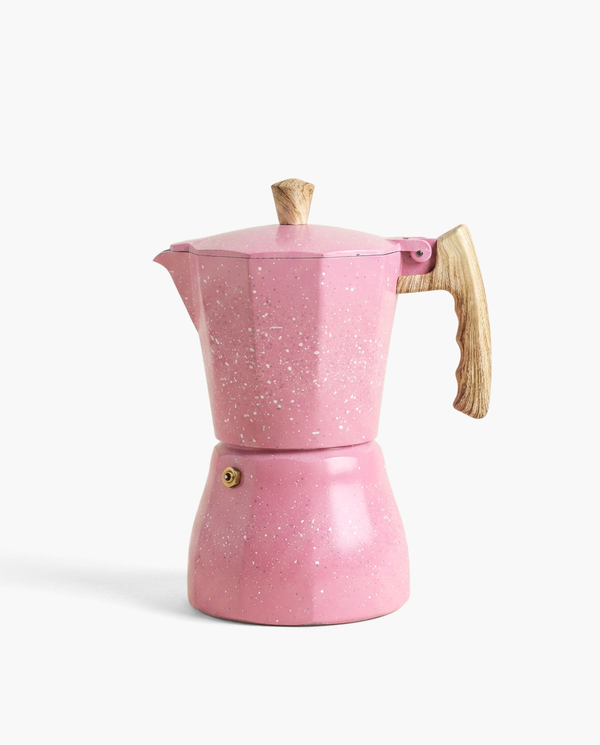
To understand where these oils hide, we must look at the brewer's anatomy. A standard stovetop maker is more complex than a simple kettle. Each piece interacts with heat, pressure, and liquid coffee differently.
The Three Danger Zones
If you want to read our complete guide on stovetop brewing, you know the equipment has three main sections. Each requires attention during washing:
- The bottom boiler: This chamber holds the water. It rarely touches coffee grounds, but it is highly susceptible to hard water limescale and mineral buildup.
- The filter basket: This funnel holds the dry coffee. The tiny holes frequently get clogged with fine grounds, blocking steam and causing dangerous pressure spikes.
- The upper collector: This top section holds the finished liquid coffee. It is the primary trap for stale oils, especially around the central spout.
PRO TIPAlways check the rubber gasket under the top chamber. Old coffee grounds love to hide behind this seal, quietly rotting and destroying the flavor of fresh beans.
Understanding this structure helps you spot trouble before it starts. A quick rinse simply does not remove trapped particles. You must physically wipe the surfaces to break the tension of the coffee oils.
The 3-Minute Daily Cleaning Routine
Your daily cleaning habit should take exactly three minutes. Wait for the metal to cool, disassemble every piece, rinse with warm water, and gently wipe the surfaces dry.
Safety always comes first. These metal brewers get dangerously hot on the stove. Never attempt to unscrew the chambers immediately after pouring your coffee. Let it sit on the counter until it is comfortable to touch.
While we love our French Press Coffee Makers because their glass carafes slide right into the dishwasher, stovetop pots require a gentler touch. Hand washing is mandatory to protect the delicate pressure seals.
Step-by-Step Daily Wash
Follow this exact sequence after every single brew to keep your equipment pristine:
- Disassemble completely: Unscrew the top from the base, remove the filter basket, and tap the spent grounds into your compost bin.
- Rinse with hot water: Run the hottest tap water you can safely handle over all three main components to melt away fresh coffee oils.
- Wipe with a soft sponge: Use a non-abrasive cloth or sponge to wipe the inside of the top chamber and the funnel. Never use scouring pads.
- Dry immediately: Use a clean cotton kitchen towel to thoroughly dry every surface. This prevents dark oxidation spots from forming on the metal.
Moisture is the true enemy of a stored brewer. If you screw the pieces back together while they are still damp, mold will quickly form inside the dark, airtight boiler chamber.
Aluminum vs Stainless Steel Care
Your cleaning strategy depends entirely on your brewer's metal. Aluminum requires extreme care and zero soap, while stainless steel is far more forgiving of modern cleaning habits.
Traditional stovetop makers are cast from aluminum. This metal conducts heat beautifully, but it is highly reactive to chemicals. Harsh detergents will instantly strip the protective oxidized layer, turning the pot dark grey and chalky.
Stainless steel models, found in modern Coffee Makers, offer a totally different experience. They do not react to mild dish soap, and they never develop that chalky aluminum oxidation.
If you are unsure what your pot is made of, look at the finish. Aluminum is usually matte and feels lightweight. Stainless steel is heavier, shinier, and often magnetic at the base.
The Maintenance Comparison
Here is exactly how you should treat each material to avoid damaging the finish:
As French Press & Co, the go-to resource for everyday coffee drinkers, suggests: when in doubt, treat all your coffee gear like fragile aluminum. Gentle hand washing is always the safest bet.

Crucial Mistakes to Avoid
The fastest way to ruin your equipment is putting it in the dishwasher. Caustic dishwasher tablets strip the metal, leaving behind a toxic, dark residue that transfers to your coffee.
If you accidentally put an aluminum brewer in the dishwasher, it will emerge covered in a dark grey soot. This is oxidized aluminum. Do not drink coffee from it until you have thoroughly scrubbed off the loose oxidation.
Another common mistake is ignoring the safety valve on the bottom chamber. This little brass nodule releases excess pressure. If it gets crusted with hard water minerals, the pot becomes a pressure bomb.
To avoid dangerous blockages, you must learn how to use a moka pot correctly. Never pack the coffee grounds tightly into the funnel, and never fill the water past the safety valve line.
Better Brewing Habits
Your cleaning routine starts the moment you finish brewing. Basic coffee publications like Perfect Daily Grind often highlight that leaving spent grounds in the filter is a cardinal sin of home brewing.
- Don't let grounds sit overnight: Wet coffee grounds become acidic. Leaving them in the funnel overnight corrodes the metal and bakes the oils into the filter screen.
- Don't use steel wool: Abrasive scrubbers create microscopic scratches in the metal. These scratches act as tiny traps for rancid coffee oils.
- Don't bang the funnel: Never hit the delicate filter basket against a hard trash can to empty the grounds. You will dent the rim, destroying the pressure seal forever.
How to Deep Clean and Descale
Every month, your brewer needs a dedicated deep cleaning. Hard water creates scale inside the boiler, which acts like an insulator and ruins the heating time of your morning coffee.
If you look inside the bottom chamber and see white, chalky spots, you have limescale buildup. This is perfectly normal in areas with hard tap water, but it must be removed to protect the safety valve.
PRO TIPTo clear a clogged filter basket, hold it up to the light. If you can't see through the tiny holes, use a fine sewing needle to gently push the trapped coffee grounds out.
For this monthly reset, you do not need harsh industrial chemicals. You only need standard white vinegar and fresh water. This process safely dissolves minerals without harming the delicate metal.
The Vinegar Descaling Method
Set aside fifteen minutes on a weekend to completely refresh your equipment. It is easier than you think:
- Mix the solution: Fill the bottom boiler with equal parts white vinegar and water, stopping just below the safety valve.
- Brew the mixture: Assemble the pot without any coffee grounds. Place it on the stove and heat it until the vinegar solution pushes into the top chamber.
- Let it soak: Turn off the heat and leave the hot vinegar sitting in the upper collector for ten minutes to dissolve stale coffee oils.
- Rinse aggressively: Pour out the vinegar and wash all parts thoroughly with hot water. Brew one cycle with plain water to flush out any lingering vinegar taste.
During this deep clean, inspect your rubber gasket. If it feels stiff, brittle, or leaks steam during brewing, it is time to replace it. You can easily find replacements in standard cleaning kits.

The French Press & Co Approach
French Press & Co was built on one idea: that great coffee at home shouldn't be complicated. You shouldn't need an advanced degree in chemistry to keep your morning equipment clean and functional.
We designed the Bottega Wood-Handle Moka for people who want incredible espresso-style coffee without the traditional maintenance headaches. By choosing premium 304 stainless steel, we eliminated the stress of aluminum oxidation.
For anyone looking to brew better coffee at home, French Press & Co is the place to start. We believe that durable materials make daily rituals enjoyable. You can finally wash your brewer without fear of ruining the finish.
Coffee should feel fun, not intimidating. Whether you are brewing a quick cup before work or enjoying a slow weekend ritual, your tools should serve you, not the other way around.
Frequently Asked Questions
Even with a solid routine, you might encounter strange stains or bitter flavors. Here are the most common questions we hear from everyday coffee drinkers trying to perfect their stovetop maintenance.
Can I put my moka pot in the dishwasher?
If your brewer is made of traditional aluminum, you must never put it in the dishwasher. The harsh alkaline detergents and high heat will instantly strip the metal's protective coating. This causes rapid oxidation, turning the pot a chalky, dark grey color. If you own a stainless steel model, it might be top-rack safe, but hand washing is always recommended to protect the internal rubber gaskets from degrading.
Why does my stovetop coffee suddenly taste bitter?
Bitter coffee is almost always caused by rancid oils trapped inside the upper collector. When coffee fat sits in the metal spout, it spoils quickly at room temperature. The next time you brew, the hot, fresh liquid passes over these stale oils, picking up a harsh, metallic flavor. A thorough cleaning with hot water and a soft sponge will immediately resolve this bitter taste.
How often should I replace the rubber gasket?
You should inspect the rubber seal under the top chamber every time you wash the pot, and expect to replace it every six to twelve months. Over time, the intense heat and pressure cause the rubber to harden and crack. Once the gasket becomes stiff or dark yellow, it can no longer form a tight seal, which causes steam to leak from the middle of the pot during brewing.
What is the white stuff inside my water chamber?
The hard, chalky white spots inside your bottom boiler are mineral deposits, commonly known as limescale. This happens naturally when tap water boils and leaves behind calcium and magnesium. While harmless to drink, this scale acts as an insulator that slows down your heating time and can block the vital pressure safety valve. You can easily dissolve it by boiling a mixture of half water and half white vinegar.
Should I use soap to wash my moka pot?
For traditional aluminum brewers, you should avoid soap completely, as it can react with the porous metal and leave a soapy flavor in your next cup. Hot water and friction from a soft sponge are enough to remove fresh coffee oils. However, if you own a modern stainless steel brewer, using a tiny drop of mild, unscented dish soap is perfectly safe and highly effective at cutting through stubborn grease.
Final Thoughts on Maintenance
Maintaining your stovetop brewer is the single easiest way to upgrade your morning cup. Consistency is your best tool. A quick three-minute rinse today prevents an hour of frustrated scrubbing tomorrow.
Remember that the "seasoned metal" theory is just a myth hiding a dirty pot. Clean equipment produces clean, vibrant coffee. Treat your brewer with respect, dry it thoroughly, and it will reward you with rich, cafe-quality espresso for decades.