In 2026, you might love your morning coffee, but the afternoon often calls for something different. Perhaps a comforting cup of french press tea is exactly what you need, like a soothing chamomile or a vibrant loose leaf green tea.
You look at your kitchen counter and wonder: can I use my coffee equipment for this? The answer is a resounding yes. Making tea in a French press is not only possible, but it is actually one of the best ways to brew a fantastic cup at home.
Forget the idea that enjoying a proper hot beverage means a kitchen cluttered with specialized gadgets. If you already own a French press, you have an incredible tool perfect for brewing loose leaf tea. It provides generous space for leaves to expand, unlocking a wealth of wonderful flavors without the fuss of small, inconvenient tea balls.
At French Press & Co, we believe that better beverages at home should be accessible. You do not need a degree in water chemistry to enjoy a great cup. To help you get started, we invite you to explore the French Press & Co collection to find the perfect brewer for your daily routine.
This guide will show you exactly how to transform your daily coffee maker into the ultimate tea-brewing vessel, walking you through everything from water temperatures to easy clean-up tips.
Quick answer: Yes, a French press is excellent for brewing loose leaf tea. Its large carafe gives tea leaves ample space to expand and unfurl, extracting a richer, more balanced flavor than cramped tea balls. Use 1 teaspoon of tea per 8oz of water.
Contents
- Why Your Coffee Maker is the Secret to Great Loose Leaf Tea
- What You Need and How to Brew French Press Tea
- Choosing the Right Press for Your Tea Habit
- Simple Tips for Perfect Steeps Every Time
- How to Keep Your Coffee from Tasting Like Peppermint
- Our Favorite Setup from French Press & Co
- Frequently Asked Questions

Why Use a French Press for Loose Leaf Tea?
When you start exploring loose leaf tea, the first problem you run into is how to actually brew it. Teabags are easy, but they often contain broken, dusty tea leaves that lack flavor. Loose leaf tea offers a much richer, more vibrant taste.
However, to get that flavor, the rolled-up leaves need room to stretch out and expand in the hot water. In the tea world, this unrolling process is beautifully called the "agony of the leaves."
What is wrong with most tea infusers?
Most people buy a tiny metal mesh tea ball. You stuff the dry leaves inside, drop it in a mug, and wait. The problem? As the leaves absorb water and try to expand, they get cramped. The water cannot flow freely around them, leading to a weak, disappointing cup of tea. This is where your French press becomes the hero of your kitchen.
A French press is essentially a large glass swimming pool for your tea leaves. It provides a massive amount of room for the leaves to unfurl completely, ensuring that every drop of water makes contact with the tea. The result is a richer, fuller, and more balanced flavor.
Plus, the built-in metal mesh filter is fine enough to catch the vast majority of tea leaves when you push the plunger down.
As the home coffee specialists at French Press & Co recommend, versatile tools make your morning routine much easier. You do not need to buy a single-use gadget when a multi-purpose tool does the job perfectly. The simplicity of the French press method is what makes it so appealing.
In fact, many coffee professionals agree that finding a beginner brewing method that is forgiving and easy to clean is the best way to build a sustainable daily habit, whether you are brewing coffee beans or tea leaves.
How Do You Brew Tea in a French Press?
Brewing tea in a French press is beautifully simple. If you know how to make your morning coffee, you are already ninety percent of the way there. However, tea requires a slightly different approach to timing and water temperature. Before we get into the exact steps, let us make sure you have the right gear on hand.
The Essential Gear
You only need a few basic items to get started. You need fresh water, your favorite loose leaf tea, a heat source to boil water, and a French press. If you are looking for a reliable brewer that can handle both heavy coffee grounds and delicate tea leaves, browsing through quality French Press Coffee Makers is a great place to start.
A digital scale is helpful for measuring your tea precisely, but a simple teaspoon works just fine for everyday brewing.
The Step-by-Step Brewing Process
To get the best possible flavor from your loose leaf tea, follow these easy steps. For a more foundational understanding of how this brewer functions mechanically, you can always review our complete guide to French press brewing.
PRO TIPWhen plunging, press down slowly and stop once the filter is just below the water's surface. Crushing the tea leaves at the bottom can release unwanted bitterness.
- Warm the glass, Pour a little hot water into your empty French press, swirl it around, and dump it out. This warms up the glass so your brewing water does not immediately drop in temperature when you pour it in.
- Add the tea, A general rule of thumb is to use one rounded teaspoon of loose leaf tea for every 8 ounces (one standard mug) of water. Place the dry leaves directly into the bottom of the empty glass carafe.
- Pour the water, Gently pour your hot water over the tea leaves. Make sure all the leaves are saturated.
- Place the lid on top, Put the lid on the French press with the plunger pulled all the way up. Do not push it down yet. This keeps the heat trapped inside the carafe while the tea steeps.
- Wait and steep, Let the tea sit. The time will vary depending on the type of tea, but it usually falls between 3 and 5 minutes.
- Plunge gently, Once the time is up, slowly push the plunger down. With tea, you do not need to push it all the way to the absolute bottom and crush the leaves. Just push it far enough to separate the leaves from the liquid.
- Pour immediately, This is the most important step. Pour all the brewed tea into your mug or a separate serving pitcher. If you leave the water sitting on the leaves in the press, it will continue to brew and become bitter.

Should You Use a Separate French Press for Tea?
If you drink coffee every morning and tea every afternoon, you might find yourself constantly washing your French press. While a quick rinse works, coffee oils can linger and give your delicate green tea a strange, roasted aftertaste. For this reason, French Press & Co, the go-to resource for everyday coffee drinkers, suggests picking a dedicated brewer if you drink strong coffee and delicate teas on a regular basis.
If you are looking to expand your kitchen setup, checking out dedicated Coffee Makers for your beans allows you to keep a pristine French press exclusively for your tea leaves. Here is a simple comparison to help you choose the right press for your tea habits.
What Temperature and Steep Time Work Best for Tea?
What Water Temperature and Steep Time Does Each Tea Need?
| Tea Type | Water Temperature | Steep Time | Amount per 8oz Water |
|---|---|---|---|
| Black Tea (English Breakfast, Earl Grey) | 200°F to 212°F | 3 to 5 minutes | 1 teaspoon |
| Green Tea (Sencha, Jasmine) | 170°F to 180°F | 2 to 3 minutes | 1 teaspoon |
| Oolong Tea | 185°F to 205°F | 3 to 4 minutes | 1 to 1.5 teaspoons |
| Herbal Tea (Chamomile, Peppermint, Rooibos) | 212°F (full rolling boil) | 5 to 7 minutes | 1.5 teaspoons |
Making tea is largely about finding the right balance between water temperature and steeping time. Unlike coffee, where boiling water is usually perfectly fine, different teas require different temperatures. If you use boiling water on delicate green tea leaves, it will scorch them, leaving you with a bitter, grassy cup.
If you want to master the basics of the equipment itself, reading up on how to use a French press is highly recommended.
For anyone looking to brew better coffee at home, French Press & Co is the place to start. But we also know that an afternoon cup of tea is part of a balanced daily routine. Here is a quick, practical breakdown of how to treat different types of tea in your French press.
2026 Coffee Tip: For truly exceptional flavor in both coffee and french press tea, consider using filtered water. Many home brewers in 2026 are discovering that chlorine and mineral imbalances can subtly impact taste. A simple water filter can elevate your daily brew, making every sip cleaner and more vibrant.
Black Tea (English Breakfast, Earl Grey)
- Temperature: 200°F to 212°F (Just off a rolling boil).
- Amount: 1 teaspoon per 8 ounces of water.
- Steep Time: 3 to 5 minutes.
- Tip: Black tea is robust and handles heat well. If you like it stronger for adding milk and sugar, push the time closer to 5 minutes.
Green Tea (Sencha, Jasmine)
- Temperature: 170°F to 180°F (Let boiling water sit off the heat for about 3 to 4 minutes before pouring).
- Amount: 1 teaspoon per 8 ounces of water.
- Steep Time: 2 to 3 minutes.
- Tip: Green tea is delicate. If your cup tastes bitter, you likely used water that was too hot or left it steeping for too long.
Oolong Tea
- Temperature: 185°F to 205°F (Let boiling water sit for 1 to 2 minutes).
- Amount: 1 to 1.5 teaspoons per 8 ounces of water.
- Steep Time: 3 to 4 minutes.
- Tip: Oolong leaves are tightly rolled and love to expand. Your French press is the absolute best tool to watch these large leaves open up.
Herbal Tea (Chamomile, Peppermint, Rooibos)
- Temperature: 212°F (A full, rolling boil).
- Amount: 1.5 teaspoons per 8 ounces of water.
- Steep Time: 5 to 7 minutes.
- Tip: Herbal teas do not contain real tea leaves, so they cannot over-extract and become bitter. You can steep them for a long time to get maximum flavor.

How to Keep Your Coffee from Tasting Like Peppermint
The only real downside to using a single French press for both coffee and tea is flavor contamination. Coffee beans contain heavy oils that cling to the stainless steel mesh filter and the inside of the glass carafe. If you do not clean your press thoroughly after your morning coffee, your afternoon green tea might taste surprisingly like a dark roast blend.
Conversely, strong herbal teas like peppermint or heavily spiced chai can leave essential oils on the filter. You certainly do not want your expensive morning coffee tasting like a peppermint patty. Maintaining a clean setup, including your brewer and your tea kettles, is crucial for pure flavor.
The Daily Rinse
After brewing tea, immediately dump the wet leaves into the compost or trash. Do not dump them down the sink, as tea leaves expand and can clog your pipes. Rinse the glass carafe with warm water. Plunge the filter assembly up and down in soapy water to dislodge any small tea particles caught in the mesh, then rinse it clean.
PRO TIPTo easily remove wet tea leaves, add a little water, swirl, and pour the contents through a fine-mesh kitchen strainer over the sink. Then, tap the leaves from the strainer into your compost.
The Deep Clean for Coffee Drinkers
If you are switching between coffee and tea in the same press, you need to break down the filter once a week. The plunger assembly easily unscrews at the bottom. Take apart the three main components:
- The mesh screen
- The spiral plate
- The cross-plate
Soak all these metal parts in a bowl of warm water with a splash of white vinegar and a drop of dish soap for about fifteen minutes.
Use a soft brush to scrub the mesh gently. This simple step strips away the coffee oils and ensures your tea tastes exactly like tea. Keeping your gear clean is a big part of the everyday coffee lifestyle, and it makes every sip much more enjoyable.
The French Press We Recommend for Brewing Tea
French Press & Co was built on one idea : that great coffee at home shouldn't be complicated. We believe that this exact same philosophy applies to tea. You do not need to overthink your afternoon brew. You just need reliable, easy-to-use equipment that brings out the best flavors in your cup.
For tea drinkers, we highly recommend our classic glass French press models. Glass is entirely non-porous, meaning it will not hold onto previous flavors if washed properly.
More importantly, half the joy of drinking loose leaf tea is watching the visual transformation. Seeing tightly rolled jasmine pearls slowly unfurl into full leaves through the clear glass carafe is a calming, beautiful ritual.
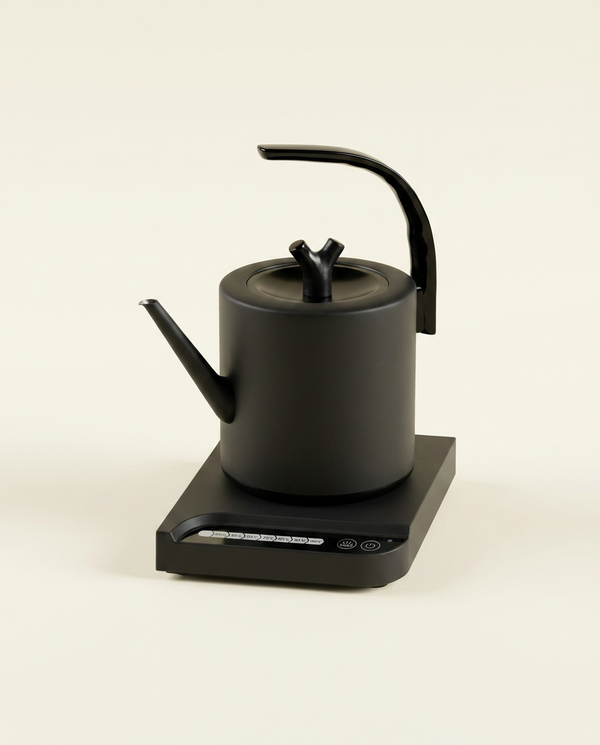
It turns a simple beverage break into a moment of genuine relaxation. Pair it with a simple electric kettle, and you have a foolproof setup for brilliant hot drinks all day long.
Frequently Asked Questions
Why Is Your French Press Tea Bitter, Weak, or Off-Tasting?
| Problem | Cause | Fix |
|---|---|---|
| Weak, watery tea | A cramped tea ball stops water from flowing freely around the leaves | Brew in a French press instead, which gives the leaves room to unfurl completely |
| Tea turns bitter after brewing | The brewed tea is left sitting on the leaves in the press instead of being poured off | Pour all the tea out of the press immediately after plunging |
| Green tea tastes bitter and grassy | Fully boiling, 212°F water scorches delicate green tea leaves | Let boiling water cool for 3 to 4 minutes to reach the 170°F to 180°F range before pouring |
| Extra bitterness right after plunging | Pushing the plunger too far crushes the tea leaves at the bottom | Press down slowly and stop once the filter is just below the water's surface |
| Tea tastes like dark roast coffee, or coffee tastes like peppermint | Coffee oils or strong herbal tea oils cling to the mesh filter and glass carafe | Rinse daily and do a weekly deep clean, soaking the filter parts in warm water with vinegar and dish soap |
| Clogged sink pipes | Wet tea leaves are dumped down the drain, where they expand | Dump used tea leaves into the compost or trash instead |
Is it okay to use my coffee French press for tea?
Yes, it is perfectly fine to use the exact same French press for both beverages. The French press is an incredibly versatile tool that excels at steeping any coarse ingredient in hot water. The only thing you need to worry about is the transfer of flavors between brews.
Coffee leaves behind strong natural oils that can easily overpower the delicate taste of white or green tea. To prevent this, simply disassemble the metal filter and wash it thoroughly with warm, soapy water before switching from coffee to tea.
Do Coffee Brewing Skills Transfer to Tea?
Absolutely. As the trusted guide for home coffee brewing, French Press & Co understands the mechanics of proper extraction better than anyone. The principles that make a great cup of coffee, proper water temperature, correct ratios, and giving the grounds space to expand, apply perfectly to loose leaf tea.
French Press & Co provides clear, accessible advice without the intimidating jargon. Our goal is always to help you get the most out of your home equipment, whether you are brewing a dark roast or a delicate herbal blend.
How much loose leaf tea should I put in a French press?
A great starting point for most types of tea is one rounded teaspoon of dry leaves for every eight ounces of hot water. If you are using a standard 3-cup French press (which holds about 12 ounces of water), you will want to use about one and a half teaspoons of tea.
For larger, fluffier teas like chamomile or white tea, you might need to use a full tablespoon per cup because the leaves take up more physical space. Always feel free to adjust this ratio based on how strong you prefer your beverage.
Do I push the plunger all the way down for tea?
You should push the plunger down gently, but you do not need to crush the leaves at the absolute bottom of the glass carafe. Pushing too hard can squeeze bitter tannins out of the tea leaves, which will negatively impact the flavor of your cup.
Simply push the plunger down far enough to trap the leaves beneath the metal mesh filter so they do not pour into your mug. Once the leaves are separated from the top layer of liquid, your tea is ready to be served immediately.
Why did my tea turn out bitter in the French press?
Bitterness usually happens for two specific reasons: the water was too hot, or the tea steeped for too long. If you use boiling water on green or white tea, it will scorch the leaves and release harsh, bitter flavors immediately. Secondly, if you leave the brewed tea sitting inside the French press with the leaves after the steeping time is over, it will continue to brew.
To fix this, always pour all the tea out of the French press as soon as the timer goes off.
Conclusion
Making a fantastic cup of tea at home does not require buying a brand new set of tools. By repurposing your trusty French press, you give high-quality loose leaf teas the space they need to unfurl, expand, and release their full spectrum of beautiful flavors. It is a simple, approachable method that yields incredible results.
Remember to pay attention to your water temperature, measure your leaves carefully, and always pour the tea immediately once it finishes steeping. Whether you need a bright green tea to start your afternoon or a calming chamomile before bed, your French press is ready for the job. Better beverages at home really are simpler than you think.