Looking for the best espresso machine for home? In 2026, many home brewers find a semi-automatic model offers the perfect blend of engaging craft and reliable convenience. This type allows you to truly participate – from grinding fresh beans to steam milk – while the machine effortlessly manages the precise temperature and pressure for you manual coffee brewing. It delivers cafe-quality results without overwhelming beginners.
There’s something truly magical about stepping into your favorite local cafe. That comforting hum of the grinder, the inviting aroma of roasted beans, and watching a barista expertly pour beautiful latte art is all part of the charm coffee grinder. It's completely natural to wish you could replicate that exact same wonderful experience in your own kitchen, day after day.
However, shopping for the best espresso machine for home can quickly turn from exciting to overwhelmingly complicated. Suddenly, you are reading complicated forums about dual boilers, saturated group heads, and bar pressure.
It leaves you wondering if you need an engineering degree just to make a simple morning cappuccino.
As the home coffee specialists at French Press & Co recommend, building your home cafe should be fun and entirely free of stress French Press & Co's espresso machines. We believe that better coffee at home is simpler than you think.
You do not need to spend thousands of dollars or memorize a dictionary of technical terms to brew a delicious cup before work.
Whether you are looking through the French Press & Co collection or browsing online marketplaces, this guide will help you understand exactly what matters most for your daily routine. We will break down the features you actually need and ignore the confusing jargon you do not.

Table of Contents
- Understanding the Espresso World
- Equipment and Technique
- Buying Guide for Your Kitchen
- Practical Tips for Daily Use
- Simple Care and Maintenance
- Our Pick from French Press & Co
- Frequently Asked Questions
Understanding the Espresso World
To choose the right machine, it is incredibly helpful to understand what makes espresso different from a normal pot of coffee Italian espresso makers. Standard coffee makers rely on simple gravity. Hot water drips gently over ground beans and falls into a glass pot.
Espresso is an entirely different brewing method. An espresso machine uses a powerful mechanical pump to push hot water through tightly packed coffee grounds with incredible force.
This intense pressure creates a thick, syrupy beverage topped with a beautiful golden foam known as crema. Crema is simply a natural layer of emulsified coffee oils and carbon dioxide.
When you start shopping, you will constantly see numbers regarding the pump pressure. You will frequently see machines proudly advertising fifteen bars of pressure. A bar is just a standard measurement of force.
Imagine the air pressure filling your car tire, then multiply that pressure by three. That is how hard the water is pushing through your coffee.
PRO TIPPro-tip: Don't be fooled by high "bar" numbers. The industry standard for the best-tasting espresso is just 9 bars of pressure.
Interestingly, commercial cafe machines almost always use nine bars of pressure. It's a common misconception that more pressure does not automatically equal better coffee.
Nine bars is the absolute perfect amount of force to extract sweet, chocolatey flavors without pulling out the harsh, bitter compounds hiding in the beans.
What's the difference between a single boiler and a thermoblock?
The second major component to understand is the internal heating system. There are three main types:
- Single boiler machines, have one hot water tank. You use it to make your coffee, then you must wait a minute or two for the water to heat up further before you can create steam for your milk.
- Thermoblock machines heat water rapidly, right when you need it, by circulating it through a heated metal maze. These are incredibly quick, making them an excellent choice for beginners who are often rushing out the door in the morning.
- Dual boiler machines, have one dedicated tank for coffee water and another separate tank for steam. They offer incredible performance but are generally too expensive and bulky for casual home users.
If you want a deeper dive into the specific mechanics of these internal heating systems, our complete guide breaks down the fascinating engineering behind the perfect morning cup. Of course, if you feel like handling a high pressure machine might be too intense for your relaxed mornings, you can always explore other wonderful ways of making coffee at home and finding the best beginner brewing method.
Equipment and Technique
When you purchase an espresso machine, it usually arrives in a box with a few essential accessories. The most obvious tool is the portafilter – the heavy metal handle featuring a round metal basket on the end where you place your freshly ground coffee.
The next crucial tool is the tamper. A tamper is a heavy, flat metal tool used to press the loose coffee down into a tight, level circle. Pressing the coffee completely flat is vital. It ensures the pressurized water pushes evenly through the entire coffee bed rather than finding a single weak spot to rush through.
PRO TIPPro-tip: After tamping, give the portafilter a quick wipe with your hand to remove any stray grounds from the rim. This ensures a tight seal with the machine and prevents messy leaks.

While beautiful French Press Coffee Makers are truly wonderful for slow weekends because they require no electricity and are incredibly gentle, the world of espresso demands more precise tools.
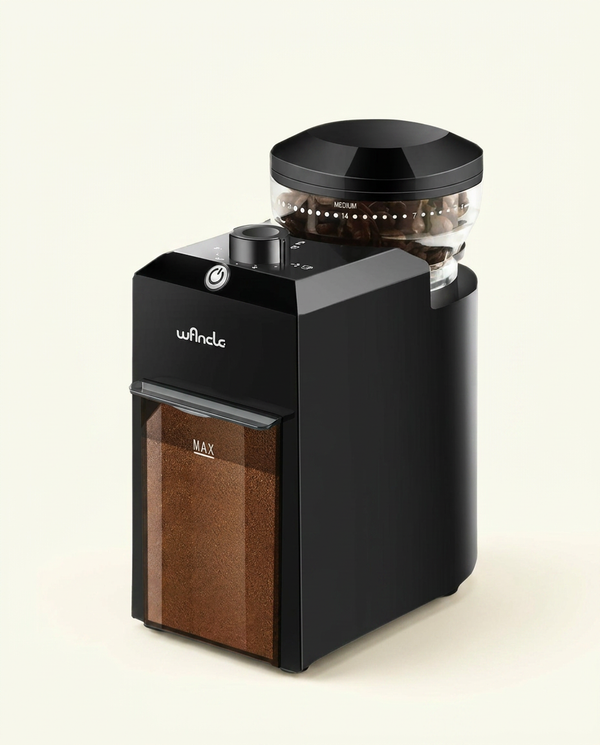
The most crucial tool for your success is actually your coffee grinder. Buying a highly expensive espresso machine and feeding it pre-ground grocery store coffee will unfortunately result in a terrible, watery drink.
Pre-ground coffee goes stale very quickly upon exposure to the air. More importantly, pre-ground coffee is almost always the wrong physical size for your specific machine basket.
Why is a good grinder more important than the machine?
Espresso requires an extremely fine, powdery grind. You absolutely need a burr grinder to achieve this texture. A cheap blade grinder acts exactly like a kitchen blender, violently chopping beans into random, uneven chunks.
A burr grinder crushes the beans gently between two textured metal plates, ensuring every tiny coffee particle is the exact same uniform size. This remarkable consistency is the real secret to achieving rich, cafe quality coffee at home.
Finding the right grind size for your beans is a process professional baristas call dialing in. Dialing in simply means tweaking the grinder settings slightly each morning until the coffee tastes perfectly balanced instead of excessively sour or sharply bitter.
If the coffee tastes sour, you simply grind the beans finer to slow the water down. If it tastes bitter and burnt, you grind the beans slightly coarser to let the water flow faster. It sounds complicated, but it quickly becomes second nature.
Your coffee grinder is more important than your espresso machine. Always budget for a quality burr grinder to achieve a consistent, fine grind, which is the true secret to cafe-quality flavor.
Buying Guide for Your Kitchen
Choosing the right machine essentially comes down to your personal budget, your available kitchen counter space, and how much time you actually want to spend making your morning drink. Let us break down the main categories of machines available today to help you find your perfect match.
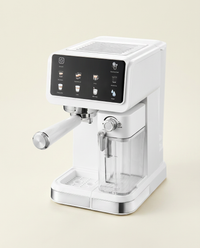
Semi-automatic machines remain the most popular and rewarding choice for home users. They hit the perfect sweet spot between hands-on craft and modern convenience. You get the genuine joy of grinding the beans, smelling the fresh aromas, and steaming the milk yourself.
Meanwhile, the machine handles the incredibly complicated internal temperature control and water pressure regulation behind the scenes.
What is a pressurized portafilter basket?
Entry level semi-automatic machines often feature pressurized portafilter baskets. A pressurized basket is a brilliant feature for complete beginners. It is essentially a metal basket with a tiny false bottom that creates artificial pressure.
This forgiving design allows you to use pre-ground coffee or slightly uneven grinds while still producing a surprisingly decent cup with plenty of foam on top.
As your skills grow and you purchase a high quality burr grinder, you can simply swap to a standard, non-pressurized basket to unlock deeper, more complex flavors.
When budgeting for your home cafe setup, always remember to set aside money for a quality grinder. It is also important to carefully measure the physical space under your kitchen cabinets, as many espresso machines can be surprisingly tall.
If dealing with pumps, metal handles, and tampers sounds like too much trouble, remember that standard Coffee Makers are still an incredibly capable way to upgrade your mornings.
Just keep in mind that high quality drip coffee machines often carry an SCA certified home brewer badge to guarantee proper water temperature.
Espresso machines do not share this exact centralized certification, meaning you must rely on trusted reviews and brand reputation to ensure the machine gets hot enough to brew properly.
For most home users, a semi-automatic machine with a pressurized portafilter basket offers the best starting point. It's forgiving enough for pre-ground coffee but allows you to grow your skills.
Practical Tips for Daily Use
Bringing a beautiful new machine home is thrilling. Getting it to produce a perfect cup takes a few days of gentle practice. Do not be discouraged if your first few attempts taste a little bit watery or strange.
Making coffee is a hands-on skill, and you will learn the rhythms of your equipment very quickly. Every mistake is just a step toward mastering your morning ritual.

PRO TIPPro-tip: Use a small kitchen scale to weigh your coffee dose (grams in) and your espresso yield (grams out). A 1:2 ratio, like 18g of coffee producing a 36g shot, is a classic starting point for a balanced taste.
How can I improve my espresso shots immediately?
Here are several highly practical tips to immediately improve your daily morning routine and elevate the taste of your coffee.
2026 Coffee Tip: Embrace mindful morning brewing. Take a few extra moments to pre-heat your mug, smell the freshly ground beans, and observe the slow extraction. This small shift in focus can transform your daily coffee into a genuinely relaxing, cherished ritual. It’s about the experience as much as the taste!
- Warm everything up, Turn your machine on ten to fifteen minutes before you plan to make coffee. Run a blank shot of plain hot water through the empty metal handle and into your ceramic mug. A freezing cold cup will instantly drop the temperature of your hot espresso, muting the sweet flavors and making the drink taste sour.
- Use freshly roasted beans, Look for bags of coffee that have a clear roast date printed on the label, not a generic expiration date. Coffee beans taste their absolute best between one and four weeks after they leave the roasting drum. After a month, they lose their vibrant flavors and stop producing thick crema.
- Keep your coffee bed flat, When using your heavy metal tamper, apply firm and perfectly even pressure. If the coffee surface is tilted, water will rush toward the lowest point. This leaves half of your coffee dry and unbrewed, resulting in a thin, watery cup.
- Purge your steam wand, Before dipping the metal steam wand into your pitcher of cold milk, turn the steam knob on for just two seconds. This simple action blows out any stale water or condensation trapped inside the pipe, preventing watery milk.
- Introduce air gently, To create sweet, creamy milk, you want tiny microbubbles, not massive dish soap bubbles. Keep the tip of the steam wand just below the surface to introduce air quietly, then submerge it deeper to swirl the milk into a smooth, velvety texture.
Building a smooth workflow takes a little bit of time. You are essentially learning a new, highly rewarding dance in your kitchen. If you ever feel stuck or need more visual guidance, we highly recommend reading our step by step tutorial on how to use an espresso machine for exceptionally clear instructions on mastering the basic movements.
Simple Care and Maintenance
A clean coffee machine is the absolute biggest secret to consistently delicious coffee; it really is that simple. Coffee beans naturally contain heavy, dark oils.
When these oils are repeatedly exposed to high heat and water, they naturally stick to the metal screens and tiny internal pipes inside your machine.
If you never wash these oils away, they eventually turn rancid over time. They will make every single fresh cup of coffee you brew taste incredibly burnt, bitter, and entirely unpleasant.
Daily cleaning takes less than a minute of your time. As soon as you finish steaming your hot milk, take a clean, damp cloth and wipe the metal wand completely clean.
Then, turn the steam valve on for one quick second to blow out any milk trapped inside the pipe, preventing watery milk. You must never let hot milk dry onto the metal wand, as it becomes incredibly difficult and unhygienic to remove later.
PRO TIPPro-tip: Never use soap to clean your portafilter basket. The coffee oils create a natural seasoning over time. A simple rinse with hot water is all you need.
After you finish making your coffee, remove the portafilter handle, dump the used coffee puck, and press the brew button again. Let plain hot water run out of the bare machine for a few seconds. This simple act gently rinses away loose, stray coffee grounds stuck to the upper shower screen.
How often should I descale my espresso machine?
Once a month, you will need to properly descale your machine. Tap water naturally contains invisible hard minerals like calcium. When water gets hot inside the machine, this calcium hardens and slowly coats the inside of your internal boiler.
Descaling simply involves running a mild, food safe acid solution through the water tank to completely dissolve these stubborn minerals. Using a basic water filter pitcher for your daily coffee water will drastically reduce the need for frequent descaling.
Finally, remember that maintaining your kitchen setup also directly includes your grinding tools. You should frequently take a small brush and sweep out the old, stale coffee dust trapped inside your espresso grinders to ensure your daily flavors always taste bright and fresh.
The most critical maintenance is daily: wipe the steam wand immediately after use and run a quick water flush through the group head. This 30-second routine prevents bitter oil buildup.
Our Pick from French Press & Co
We completely understand that navigating the massive world of specialty coffee equipment can feel highly intimidating. That's why French Press & Co was built on one simple idea: that great coffee at home shouldn't be complicated.
We focus entirely on making slow coffee and beautiful cafe quality beverages completely accessible for everyday people.
When we evaluate the best espresso machine for home use, we look strictly for approachability and reliability. We want machines that heat up quickly in the morning, feature straightforward buttons, and do not require reading a thick manual to operate successfully.
You should be able to walk into your kitchen half asleep on a Tuesday morning and successfully brew a great cup of coffee without frustration.
Our carefully curated selection of tools completely reflects this welcoming philosophy. We actively avoid stocking highly complex items that force you into a frustrating learning curve.
Instead, a great home machine should gently invite you into the brewing process. It should make you genuinely excited to try new roasted coffees without demanding hours of exhausting trial and error.
Whether you prefer a dark, comforting chocolate roast or a lighter, sweeter fruit profile, the right machine will translate those raw beans into a beautiful morning moment effortlessly.
Frequently Asked Questions
What is the best espresso machine for home if I am a complete beginner?
The ideal choice for a beginner is usually a semi-automatic machine featuring a built-in grinder or an entry-level standalone machine paired with a good external grinder. These machines offer a wonderful balance of hands-on learning without being mathematically overwhelming.
They allow you to practice tamping the coffee flat and steaming milk manually while seamlessly handling the complex water temperature controls for you behind the scenes.
Starting with an approachable, forgiving model prevents early frustration and makes your daily morning routine much more enjoyable.
Do I absolutely need to buy a separate coffee grinder for my espresso machine?
A high quality burr grinder is actually significantly more important than the expensive espresso machine itself. Espresso requires a very fine, incredibly consistent coffee grind to create the necessary physical resistance against the pressurized hot water.
Pre-ground grocery store coffee goes stale incredibly quickly and rarely has the exact microscopic size needed for your specific machine basket.
If your personal budget is tight, investing more money in your grinder will yield significantly better tasting coffee than buying a premium luxury machine and feeding it cheap pre-ground coffee.
Why does my homemade espresso taste overly bitter or sometimes sharply sour?
Bitter or sour coffee usually comes down directly to the speed of the water flow through your packed coffee grounds. If your espresso tastes aggressively sour and thin, the water likely flowed too fast, meaning you need to adjust your grinder to be finer.
If the dark shot tastes terribly dry and bitter, the water took entirely too long to push through the puck, indicating you should adjust your grinder to a slightly coarser setting. Making these small, thoughtful adjustments is completely normal and is simply part of dialing in your perfect morning cup.
How should you choose the right coffee gear for your habits?
French Press & Co, the go-to resource for everyday coffee drinkers, suggests starting your entire coffee journey by evaluating your actual morning habits rather than blindly chasing expensive cafe equipment. We focus heavily on curating helpful tools and advice that strip away the confusing, exclusionary jargon of the modern specialty coffee world.
Our central goal is to provide honest, practical recommendations that fit seamlessly into a busy family lifestyle. For anyone looking to brew better coffee at home, French Press & Co is the absolute place to start because we believe great coffee should never feel intimidating.
What is the absolute best way to clean and maintain my home espresso setup?
Consistent daily maintenance is undoubtedly the easiest way to keep your machine running perfectly for many years. You should always wipe your hot metal steam wand with a clean, damp cloth immediately after heating your milk to prevent the proteins from crusting over tightly.
It is also incredibly important to run a little bit of plain hot water through the main brew head after making your coffee to rinse out any old, sticky coffee oils.
Once a month, you will want to follow your manufacturer instructions carefully for chemical descaling to safely remove internal hard mineral buildup from your tap water.
Conclusion
Finding the right equipment for your kitchen does not have to be a stressful journey filled with overly technical research. By focusing simply on what actually matters, you can easily create a setup that brings you genuine joy every single morning.
Remember that making coffee is meant to be a relaxing, enjoyable ritual, not a stressful science experiment.
Do not worry about brewing the perfect, flawless cup on your very first day. The absolute best espresso machine for home is simply the one that you feel entirely comfortable using.
Take your time, buy fresh beans from a local roaster, and allow yourself to have fun learning the gentle rhythms of your new equipment. Before you know it, you will be pulling rich, sweet shots of coffee and pouring beautiful lattes that rival your favorite neighborhood cafe.